
Understanding the population dynamics of a destination like the state of Colorado offers invaluable insights for any prospective tourist. Beyond a mere statistic, the number of people, their distribution, and demographic makeup significantly shape the local culture, variety of food experiences, available activities, and crucial tips for an enriching visit. Colorado’s population tells a story of vibrant communities, thriving urban centers, and vast, sparsely populated natural expanses, all of which contribute to its unique appeal as a tourist destination.
Colorado’s Population Snapshot: What the Numbers Mean for Tourists
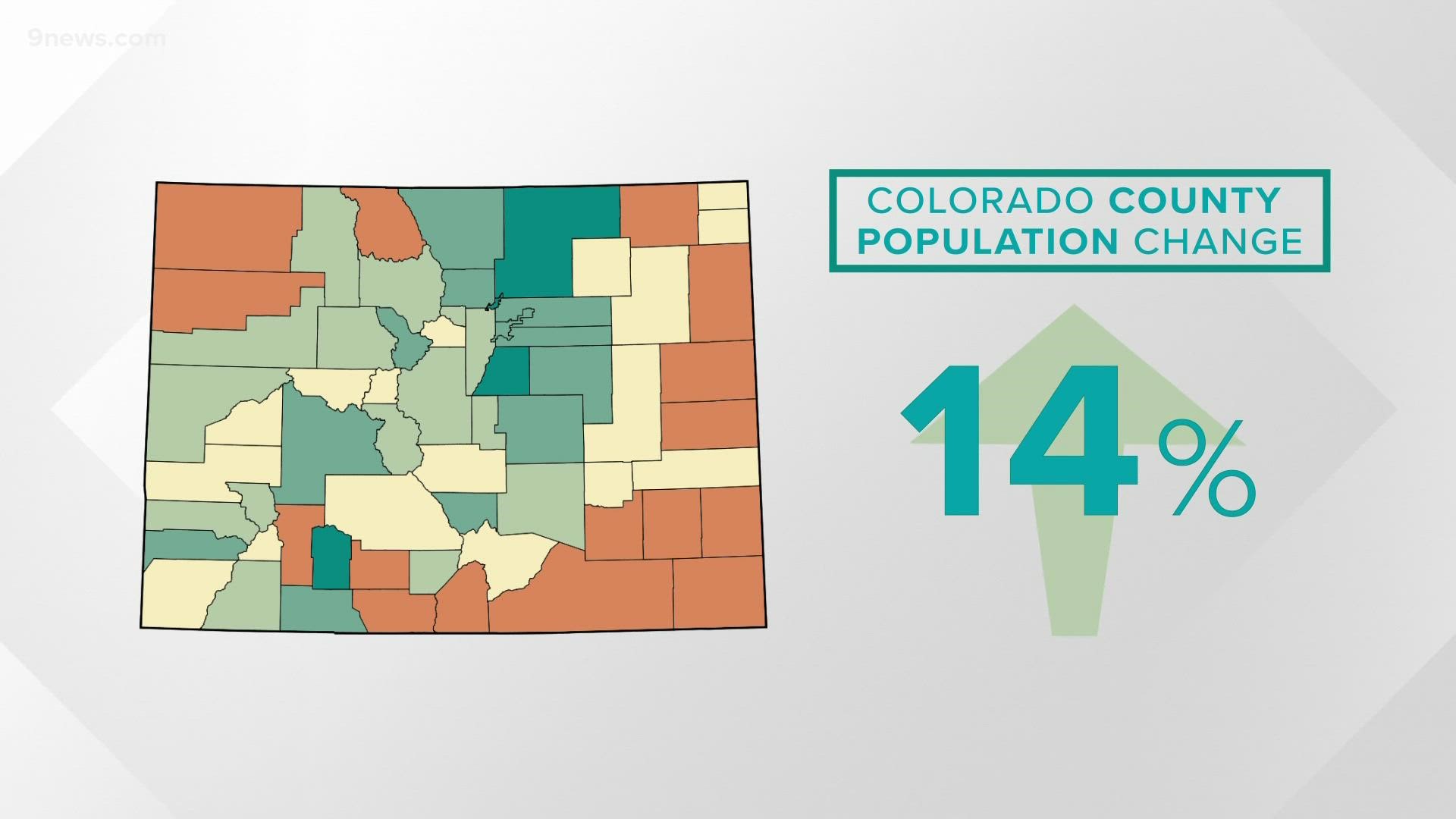
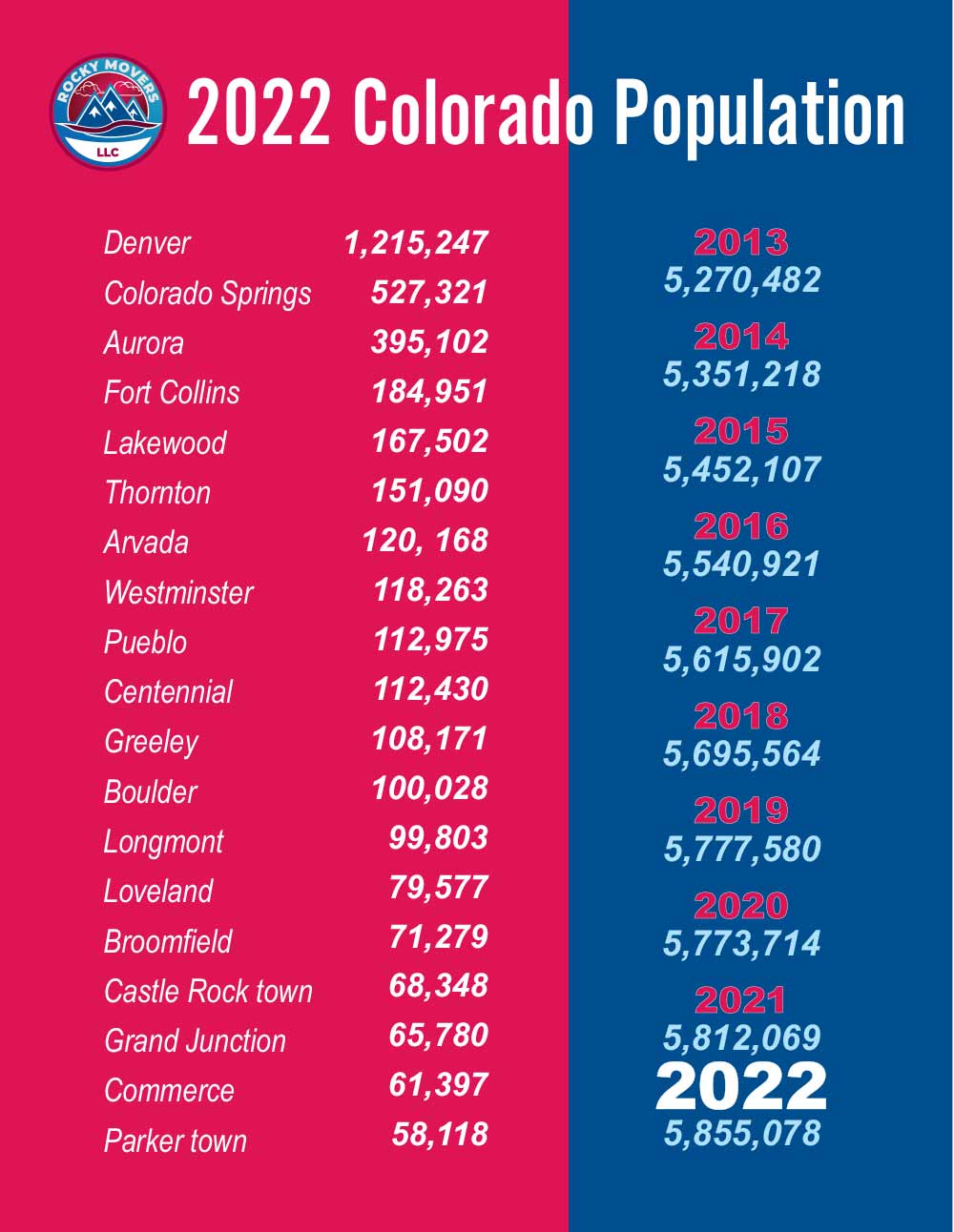
As of recent estimates, the population of Colorado hovers around 5.8 million people. This figure positions Colorado among the more populous states in the Western United States, yet its expansive land area ensures a diverse range of population densities. For tourists, these numbers translate directly into different experiences, from bustling cityscapes to serene wilderness.

Decoding the Demographics
The demographic composition of Colorado is notably diverse, reflecting a blend of long-time residents, a significant influx of new transplants drawn by job opportunities and lifestyle, and a rich history of various ethnic and cultural groups. This diversity fosters a multicultural environment that enriches the tourism experience. Visitors can expect to encounter a wide array of perspectives, cuisines, and cultural events. For instance, the growing Hispanic population in cities like Denver and Colorado Springs has invigorated the culinary scene with authentic Mexican and Latin American flavors, while the outdoor-centric lifestyle of many residents drives demand for robust recreational infrastructure.
Moreover, Colorado’s population is generally younger and highly educated compared to national averages. This demographic profile contributes to an innovative and progressive atmosphere, influencing everything from the state’s craft beer industry to its commitment to environmental sustainability. Tourists seeking vibrant nightlife, cutting-edge art scenes, or eco-conscious travel options will find Colorado’s populace supports and expands these offerings. Understanding this youthful, active demographic helps tourists anticipate the kind of energy and available amenities they will encounter throughout the state.
Population Density and Geographical Distribution
While the overall population figure is substantial, its distribution across Colorado’s vast geography is highly concentrated. The majority of residents live along the Front Range Urban Corridor, stretching from Fort Collins in the north, through Denver (the Mile High City), and south to Pueblo. This means that urban areas are vibrant and densely populated, offering a metropolitan experience with diverse dining, entertainment, and cultural attractions. Cities like Boulder, known for its outdoor access and university town vibe, or Colorado Springs with its military presence and proximity to natural wonders, are significant hubs of activity.
Conversely, large portions of western Colorado and the eastern plains remain sparsely populated, characterized by small towns, agricultural communities, and expansive wilderness. This geographical distribution directly impacts a tourist’s planning. Those seeking bustling city experiences will focus on the Front Range, while adventurers yearning for solitude, wide-open spaces, and unspoiled nature will find their haven in the less dense regions, such as the Western Slope or the eastern plains. The contrast in population density within the state allows Colorado to cater to a broad spectrum of tourist preferences, from urban explorers to backcountry enthusiasts.
Impact on Local Culture and Community Engagement
The sheer number and composition of people residing in Colorado profoundly influence its local culture and how visitors can engage with its communities. The population serves as the very bedrock upon which Colorado’s unique identity is built, shaping its traditions, values, and daily life.
Diverse Cultural Tapestry
Colorado’s growing population brings with it a fascinating blend of cultures, traditions, and perspectives. This diversity is a huge asset for tourism, offering visitors a richer, more authentic experience. For instance, the state is home to a significant population with roots in the mining and agricultural industries, particularly in smaller towns and rural areas, which maintain a strong sense of historical heritage and community pride. In contrast, the metropolitan areas along the Front Range are melting pots of individuals from across the U.S. and the globe, contributing to a modern, cosmopolitan vibe.
This cultural tapestry manifests in various ways that tourists can explore. Folk festivals celebrating Colorado’s past, art galleries showcasing local and international artists, and community events that welcome outsiders are abundant. For example, events in Denver’s Art District on Santa Fe or Boulder’s Pearl Street Mall draw on the local population’s creative energies. Engaging with these communities means understanding the underlying demographics that drive these cultural expressions, whether it’s through a local museum dedicated to Western heritage or a contemporary gallery reflecting current societal trends.
Food Scene: A Reflection of Residency
The culinary landscape of Colorado is a direct mirror of its population. A burgeoning and diverse populace fuels a demand for a vast array of dining options, from farm-to-table establishments celebrating local produce to international eateries satisfying varied palates. The concentration of people in urban centers like Denver has led to a dynamic and competitive restaurant scene, offering everything from fine dining to innovative food trucks. Visitors can embark on a culinary journey that reflects the global influences and local innovations born from the state’s vibrant population.
Beyond the sheer variety, the local population’s preferences also shape the food scene. Colorado’s active and health-conscious residents drive demand for organic, gluten-free, and plant-based options, making it easy for tourists with specific dietary needs to find suitable choices. Furthermore, the state’s celebrated craft beer and spirits industry is a testament to its population’s entrepreneurial spirit and appreciation for locally sourced, high-quality products. Exploring breweries in Fort Collins or distilleries in Breckenridge offers insight into a passion deeply embedded in the local culture, fostered by a population that values artisan craftsmanship.
Shaping Activities and Attractions
The number of people in Colorado directly dictates the variety, scale, and accessibility of activities and attractions available to tourists. A larger population often means more developed infrastructure, diverse entertainment options, and greater demand for both urban and outdoor recreational facilities.
Outdoor Recreation and Crowd Management
Colorado’s population, known for its love of the outdoors, heavily influences the state’s recreational offerings. The dense concentration of people along the Front Range means that popular outdoor areas like Rocky Mountain National Park, Chautauqua Park in Boulder, and ski resorts such as Aspen and Vail can experience significant crowds, especially during peak seasons. This necessitates careful planning for tourists, including making reservations for timed entry at national parks or arriving early at popular trailheads. The state’s land management agencies work continuously to balance public access with preservation, often introducing reservation systems or encouraging off-peak visits to manage the impact of both residents and tourists.
Conversely, the population’s passion for outdoor activities has also led to the development of an extensive network of trails, open spaces, and accessible recreational facilities across the state. From mountain biking trails near Fruita to whitewater rafting opportunities on the Arkansas River, the infrastructure for adventure tourism is robust. Tourists can benefit from a wide selection of guided tours, equipment rentals, and outdoor education programs, all supported by a large local population that actively participates in these activities and provides expert services.
Urban versus Rural Tourism
The stark contrast in population density between Colorado’s urban centers and its rural landscapes creates two distinct tourism experiences. In cities like Denver and Colorado Springs, the high population supports a thriving cultural scene with museums, theaters, professional sports teams, and a diverse nightlife. Tourists seeking city amenities, bustling markets, and a wide range of entertainment options will find these areas cater exceptionally well to their interests. The dense population also supports extensive public transportation networks in some areas, making urban exploration more convenient.
In the more sparsely populated regions, particularly in the Rocky Mountains and on the eastern plains, the tourist experience shifts towards natural beauty, solitude, and authentic small-town charm. Attractions like Great Sand Dunes National Park, Mesa Verde National Park, and numerous state parks offer opportunities for hiking, camping, stargazing, and wildlife viewing away from the crowds. The smaller populations in these areas mean that amenities may be less extensive, but the trade-off is often a more intimate connection with nature and local communities. Tourists can choose their adventure based on whether they prefer the energy of a large populace or the tranquility of a sparse one.
Practical Tourism Tips for Colorado Visitors
Armed with knowledge about Colorado’s population, tourists can better plan their trip to maximize enjoyment and minimize potential frustrations. Understanding the dynamics of crowds, local etiquette, and seasonal variations becomes crucial for an optimal experience.
Navigating Peak Seasons and Local Hotspots
Due to its popularity and a substantial resident population, Colorado’s major attractions and recreational areas can become very crowded during peak tourist seasons (summer and winter for mountain resorts). For instance, Rocky Mountain National Park often implements timed entry systems to manage visitor flow, while popular ski towns like Aspen and Vail see accommodation prices soar and traffic increase.
Tips for navigating crowds:
- Book Ahead: Always make reservations for accommodations, dining, and popular activities, especially in highly populated areas or during peak times.
- Visit Off-Peak: Consider visiting in shoulder seasons (spring and fall) for fewer crowds, often milder weather, and potentially lower prices.
- Go Early or Late: For popular attractions and trailheads, arriving early in the morning or later in the afternoon can help you avoid the busiest times.
- Explore Beyond the Obvious: While Colorado’s most famous spots are popular for a reason, the state boasts countless hidden gems in less populated areas that offer equally rewarding experiences with more solitude.
Understanding the habits of the local population – for example, their tendency to hit the trails early on weekends – allows tourists to adjust their schedules accordingly, ensuring a smoother and more enjoyable experience.
Engaging Responsibly with Colorado’s Communities
With a large and growing population, responsible tourism is paramount in Colorado. Visitors play a crucial role in preserving the state’s natural beauty and supporting its diverse communities. This means more than just adhering to “Leave No Trace” principles in the wilderness; it also involves respecting local customs and contributing positively to the economy.
Tips for responsible engagement:
- Support Local Businesses: Patronize local restaurants, shops, and tour operators. Your spending directly benefits the communities you visit.
- Respect Local Culture: Be mindful of local traditions and etiquette, especially in smaller towns where community bonds are strong. This includes respecting private property and public spaces.
- Minimize Environmental Impact: Beyond not littering, consider using public transportation where available, conserving water, and being mindful of energy consumption in your accommodations.
- Understand High-Altitude Living: Many Colorado residents live at high altitudes, which has an impact on their daily lives. For tourists, this means being prepared for altitude sickness by staying hydrated and taking it easy on arrival.
By understanding the scale and character of Colorado’s population, tourists can embark on a more informed, respectful, and ultimately, more rewarding journey through this magnificent state. The number of people here is not just a statistic; it’s a living, breathing component of the very experience you seek.
LifeOutOfTheBox is a participant in the Amazon Services LLC Associates Program, an affiliate advertising program designed to provide a means for sites to earn advertising fees by advertising and linking to Amazon.com. Amazon, the Amazon logo, AmazonSupply, and the AmazonSupply logo are trademarks of Amazon.com, Inc. or its affiliates. As an Amazon Associate we earn affiliate commissions from qualifying purchases.