
For visitors exploring the vibrant landscapes, pristine beaches, and bustling cities of Florida, encountering local wildlife is often part of the adventure. While charming birds and elusive marine life are welcome sights, some smaller inhabitants might cause concern. Termites, often mistaken for ants, are a common presence in the warm, humid climate of the Sunshine State. Understanding what these tiny architects of destruction look like is not merely a matter of curiosity; it’s a practical tip for any tourist, whether you’re staying in a historic Key West guesthouse, a luxury resort in Miami, or a cozy vacation rental near Orlando’s theme parks. Knowing how to identify a termite can help you differentiate between harmless insects and potential issues in your temporary accommodation, providing peace of mind during your stay.
Florida’s Most Common Termite Species and Their Appearance
Florida is home to several species of termites, each with distinct characteristics. As a visitor, you’re most likely to encounter subterranean or drywood termites, which are the most prevalent and often visible. While all termites are social insects living in colonies, their appearance can vary significantly depending on their species and their role within the colony (caste).
Subterranean Termites
These are the most destructive termite species in Florida. They live in underground colonies or in moist areas above ground and build distinctive mud tubes to travel between their nests and food sources.
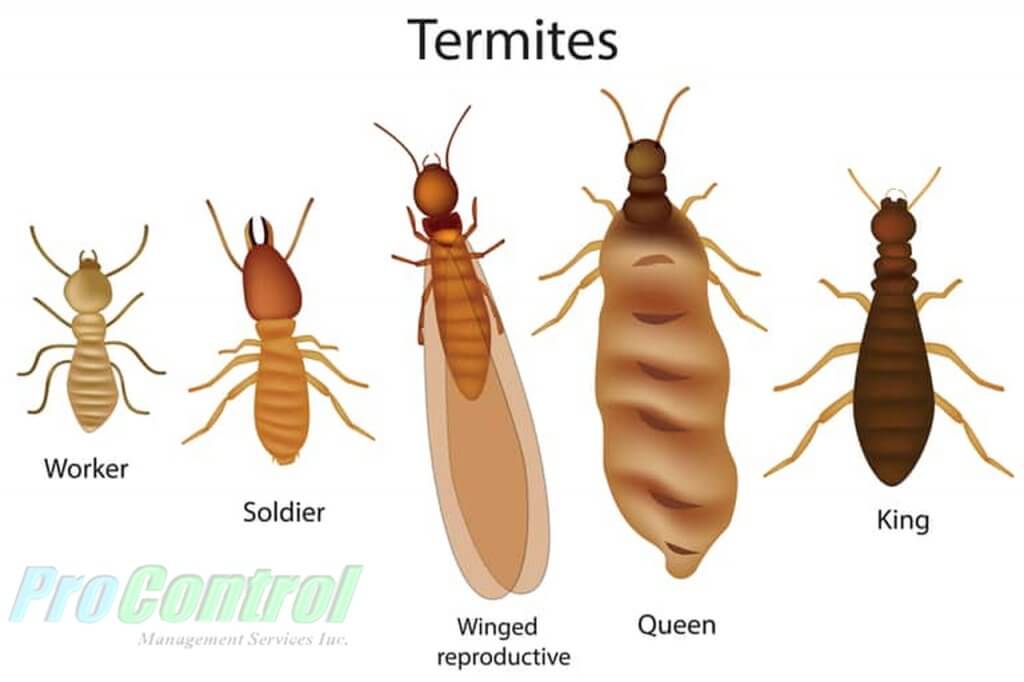
- Soldiers: These termites are easily identifiable by their large, rectangular, yellowish-brown heads and powerful mandibles, which they use for defense. Their bodies are typically lighter, creamy-white. They are wingless and measure about ¼ inch in length.
- Workers: The most numerous caste, workers are responsible for foraging for food (cellulose), caring for the young, and maintaining the colony. They are small, pale, and wingless, often creamy-white or light brown, and measure about ⅛ to ¼ inch long. They have soft bodies.
- Reproductives (Alates or Swarmers): These are the termites you’re most likely to see flying during swarming events, particularly after rain in warm weather. Florida’s subterranean swarmers, such as the Formosan Subterranean Termite and Eastern Subterranean Termite, are dark brown or black, about ½ inch long, and possess two pairs of equally sized, translucent wings. After swarming, they shed these wings, which are often found scattered near windows or doorways.
Drywood Termites
Unlike subterranean termites, drywood termites do not require contact with soil and infest dry wood directly. They are common in coastal regions and can be found in wooden structures, furniture, and even picture frames.
- Soldiers: Drywood Termite soldiers have a reddish-brown, often armored head that is larger and more rounded than subterranean soldiers. Their mandibles are also robust. They are wingless and similar in size to workers.
- Workers: Similar to subterranean workers, they are creamy-white and wingless, but generally slightly larger. They perform similar tasks within the colony.
- Reproductives (Alates or Swarmers): Drywood Termite swarmers are typically reddish-brown or yellowish-tan, slightly smaller than subterranean swarmers (about ⅜ to ½ inch), and also have two pairs of equally sized wings. They swarm during different times of the year than subterranean termites, often during daylight hours and in drier conditions. After swarming, they also shed their wings.
Other Less Common Species
While less likely to be encountered by the average tourist, Florida also hosts Dampwood Termites, which are much larger (up to 1 inch long) and are found in wood with high moisture content. Their presence usually indicates a significant moisture problem in the structure.
Key Visual Identifiers: Termite vs. Ant for the Traveling Eye
One of the most common challenges for visitors in Florida is distinguishing a termite from an ant, especially during swarming season. Both can appear suddenly, but their tell-tale features are quite different. Knowing these distinctions can save you from undue worry or prompt appropriate action if needed.
Body Shape

- Termites: Have a broad waist, meaning their body is relatively straight, thick, and uniform from head to abdomen, without a distinct constriction. They appear “tubby” or cigar-shaped.
- Ants: Possess a very distinct, narrow waist (or “pinched waist”) between their thorax and abdomen, giving them a segmented appearance.
Antennae
- Termites: Have straight antennae that look like a string of beads.
- Ants: Have elbowed or bent antennae.
Wings (for swarmers)
This is the most critical difference when you see flying insects.
- Termites: Swarmers have two pairs of wings that are roughly equal in size and shape. They are often translucent and extend well past the abdomen.
- Ants: Swarmers have two pairs of wings, but the front pair is noticeably larger than the back pair.
Color
- Termites: Workers and soldiers are typically pale, creamy-white, or translucent. Swarmers are usually dark brown or black.
- Ants: Vary widely in color, from red to black, and are generally darker than termite workers.
If you encounter small, pale, wingless insects that fit the termite description, or find shed wings of equal length, it’s a strong indicator of termite presence, especially in and around your accommodation.
Signs of Termite Activity in Your Florida Accommodation
Even if you don’t see the termites themselves, there are several indirect signs that a property might have an infestation. Being aware of these can be helpful for tourists staying in various types of accommodation, from quaint beachfront cottages in Naples to high-rise apartments in Tampa.
- Mud Tubes: For subterranean termites, these are perhaps the most obvious sign. These pencil-sized tubes, made of soil and wood, protect termites as they travel between their underground colony and their food source. Look for them on foundation walls, piers, or even indoor walls.
- Discarded Wings: As mentioned, swarmers shed their wings after finding a mate. Piles of small, translucent, equally sized wings near windows, doors, or light sources, especially after a warm, humid evening, are a clear indication of a recent swarm.
- Frass (Termite Droppings): Drywood termites push their fecal pellets, known as frass, out of small kick-out holes. These pellets are tiny, hexagonal, and resemble sawdust or coffee grounds. You might find small piles of frass on floors, windowsills, or furniture, indicating an infestation above.
- Damaged Wood: While more difficult for a short-term visitor to identify definitively, look for wood that sounds hollow when tapped, or has small holes. Blistering or darkening of wood might also suggest activity beneath the surface. For instance, in an older wooden rental property, this could be a sign.
- “Swarming” Insects: If you see numerous flying insects emerging from walls, foundations, or furniture within your rental unit, particularly during specific seasons, investigate their appearance to determine if they are termites or ants.
What to Do If You Spot Termites While Visiting Florida
Discovering termites during your Florida getaway can be unsettling, but it’s important to react calmly and appropriately. As a tourist, your role is not to intervene directly or attempt to eradicate the pests. Your primary responsibility is to inform the property management.
- Document Your Discovery: If possible, take clear photos or videos of the termites, mud tubes, frass, or shed wings. This visual evidence will be crucial when you report the issue.
- Notify Property Management Immediately: Contact the hotel front desk, vacation rental host, or property manager as soon as you notice signs of termites. Provide them with details of what you saw and where. They are responsible for addressing pest control issues.
- Avoid Disturbing the Area: Do not attempt to clean up mud tubes, disturb termites, or apply any chemicals yourself. This could disrupt their activity in a way that makes it harder for professionals to assess the full extent of the problem.
- Request an Alternative Accommodation (if severe): If the infestation appears significant or makes you uncomfortable, respectfully request a different room or unit. Most reputable establishments in popular tourist destinations like Palm Beach will prioritize guest comfort and safety.
- Maintain Personal Hygiene: While termites are not known to carry diseases harmful to humans, it’s always good practice to maintain good hygiene. If you’ve been in contact with termite-infested areas, wash your hands thoroughly.
Understanding what a Florida termite looks like and the signs of their presence empowers you as a traveler. It allows you to be an informed guest, ensuring your comfort and alerting property owners to potential issues promptly. By being aware, you can focus on enjoying the sun, sand, and attractions that make Florida a world-class travel destination, leaving pest management to the professionals.
LifeOutOfTheBox is a participant in the Amazon Services LLC Associates Program, an affiliate advertising program designed to provide a means for sites to earn advertising fees by advertising and linking to Amazon.com. Amazon, the Amazon logo, AmazonSupply, and the AmazonSupply logo are trademarks of Amazon.com, Inc. or its affiliates. As an Amazon Associate we earn affiliate commissions from qualifying purchases.