
Navigating the complexities of local governance can often feel like deciphering an intricate map. For residents of the Lone Star State, understanding which Texas district they reside in is not merely an exercise in civic awareness; it’s fundamental to accessing resources, understanding representation, and engaging effectively with the political landscape. From congressional and state legislative districts to school districts and judicial circuits, each plays a distinct role in shaping the daily lives and opportunities of Texans. This guide aims to demystify this often-confusing structure, providing a clear pathway to identifying your specific district affiliations and understanding their implications.
Understanding Texas’s Multi-Layered Governance
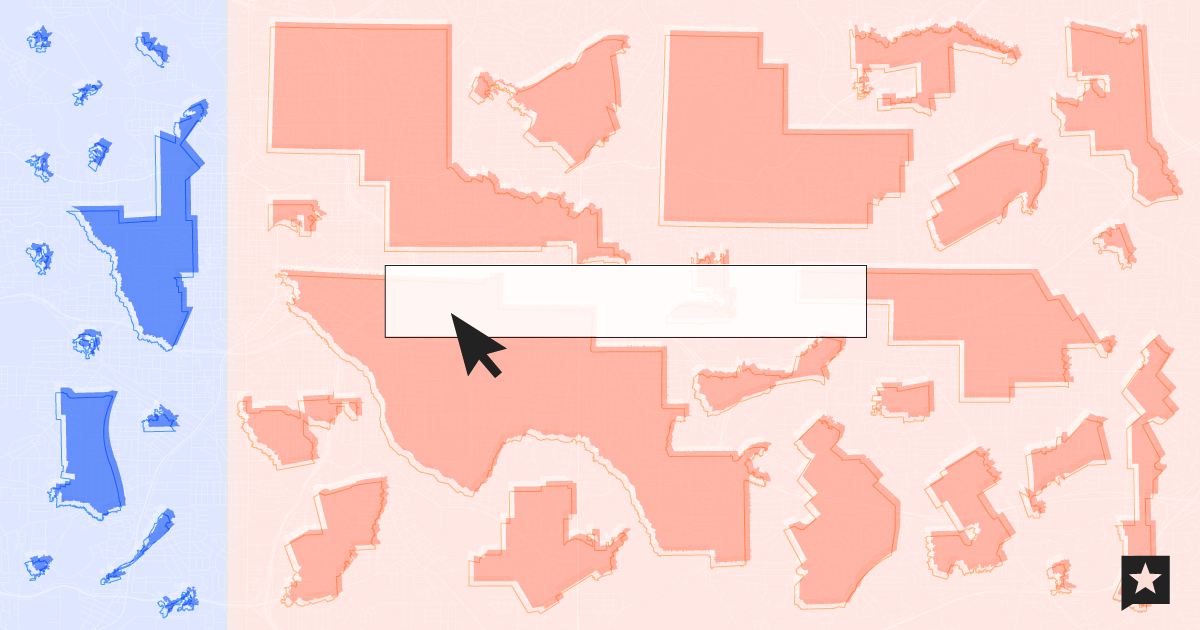
Texas operates under a complex, multi-layered system of governance, with various districts established for different administrative and representative purposes. These districts are not static entities; they are periodically redrawn based on population shifts, as mandated by law, to ensure equitable representation. Understanding these layers is the first step in grasping your place within the state’s democratic framework.
Congressional Districts
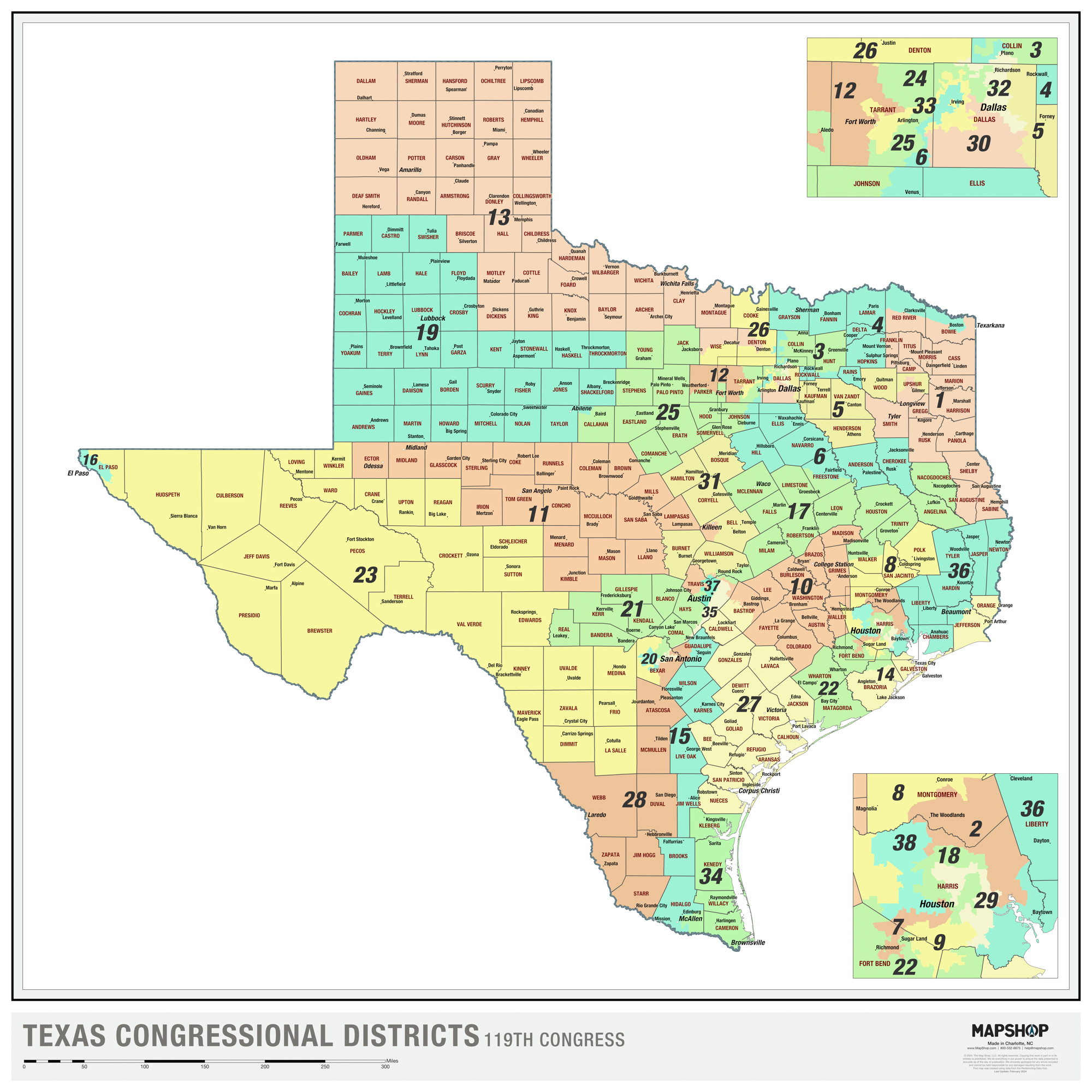
At the federal level, Texas is divided into congressional districts, each represented by a member of the U.S. House of Representatives. These districts are drawn to encompass roughly equal populations, ensuring that each representative serves a comparable number of constituents. The number of congressional districts a state possesses is based on its population as determined by the decennial U.S. Census. Texas, being one of the most populous states in the nation, holds a significant number of these districts, meaning the boundaries can be quite intricate and often do not align with county or city lines. Identifying your congressional district is crucial for understanding federal representation, as your congressman or congresswoman is your primary advocate in Washington, D.C. They are responsible for proposing, debating, and voting on federal legislation that affects everything from national security and economic policy to social programs and civil rights.
State Legislative Districts
Beyond federal representation, Texans are also represented at the state level through two distinct legislative bodies: the Texas Senate and the Texas House of Representatives. Each body has its own set of districts, which are again drawn to reflect population parity. State Senate districts are larger in geographic area and fewer in number than State House districts, with each senator representing a broader constituency. Conversely, State House districts are generally smaller, with a greater number of representatives serving more localized populations. Your state senator and state representative are responsible for crafting and voting on laws that govern the state of Texas. This includes everything from education policy and criminal justice reform to taxation and environmental regulations. Their influence is profound, directly impacting the services and regulations that shape daily life within the state.
Judicial Districts
The administration of justice in Texas is also organized by districts. These judicial districts vary significantly in size and scope, with some encompassing multiple counties and others focusing on a single, populous urban center. There are district courts, county courts, and other specialized courts, each with its own jurisdictional boundaries. Understanding your judicial district is important for matters related to the legal system, including criminal prosecutions, civil litigation, and probate. It determines which court has the authority to hear cases originating from your area and which judges will preside over them. For instance, a felony case would typically be handled in a district court, while smaller civil disputes might be heard in a justice of the peace court, depending on the specific judicial district and its defined court structure.
School Districts
Perhaps one of the most directly impactful districts for many Texans is the school district. These are independent political subdivisions of the state, organized to provide public education to children within their boundaries. School districts operate under their own elected boards of trustees and are responsible for curriculum development, hiring of educators, facility management, and the overall educational experience of students. The boundaries of school districts often do not align with municipal or county lines, and a single city might be served by multiple independent school districts, or conversely, a single school district might encompass several smaller towns. Identifying your school district is paramount for families with school-aged children, as it dictates which schools their children will attend and what educational programs and resources will be available to them. Property taxes are also a significant source of funding for most school districts, meaning district boundaries can have a direct impact on local tax rates.
How to Identify Your Texas District
Given the overlapping and sometimes complex nature of these districts, pinpointing your exact location within them requires a systematic approach. Fortunately, several reliable resources are available to help you navigate this process.
Utilizing Official State and Federal Resources
The most accurate and authoritative way to determine your district affiliations is to consult official government websites.
Congressional and State Legislative Districts
For your congressional and state legislative districts, the Texas Legislative Council and the Texas Secretary of State websites are invaluable resources. These platforms typically offer online tools where you can enter your address and instantly retrieve information about your U.S. Representative, State Senator, and State Representative. These tools are usually updated following redistricting cycles, ensuring the information remains current. Many county appraisal districts also provide this information as part of their property data.
Judicial Districts

Identifying your judicial district can sometimes be a bit more nuanced, as different court systems have varying district structures. However, the Texas Judicial Branch website and individual county court websites are excellent starting points. These sites often provide maps and searchable databases of judicial districts and the courts that fall within them. For instance, you might need to search for the specific district court that serves your county of residence to understand the judicial jurisdiction for felony cases.
School Districts
To find your school district, the Texas Education Agency (TEA) is the primary authority. Their website often includes a searchable database of all public school districts in Texas. Alternatively, you can visit your local city or county government website, which frequently provides links or direct information about the school districts serving their constituents. Many property appraisal district websites also identify the applicable school district for a given property.
Leveraging Online Tools and Property Records
Beyond official government sites, several online tools can assist in district identification.
Online Address Lookups
Numerous websites, often run by news organizations or civic engagement groups, offer address lookup tools specifically for political districts. These are usually populated with data from official sources, making them convenient for quick checks. However, it’s always wise to cross-reference the information with official government websites to ensure accuracy, especially in areas where district lines may have recently changed.
County Appraisal District Websites
Your local county appraisal district website is an incredibly useful, albeit sometimes overlooked, resource. These websites are primarily designed to provide property tax information, but they almost invariably contain details about the various taxing entities that serve a specific property, including the school district, city, and sometimes special districts. By looking up your property, you can often confirm your school district and even identify other relevant taxing authorities.
Voter Registration Information
If you are a registered voter, your voter registration card will often list the congressional and state legislative districts you belong to. You can also typically find this information on your county’s election website or by contacting your local county elections office. This is a direct confirmation of your political representation.
The Significance of District Identification
Knowing your district affiliations is more than just knowing labels; it has tangible implications for your civic participation and access to services.
Representation and Advocacy
Your elected representatives at all levels of government are your voice. Understanding who they are and which district they represent empowers you to contact them with concerns, inquire about their voting records, and advocate for your community’s needs. Whether it’s a federal issue impacting your livelihood, a state law affecting your rights, or a local school board decision influencing your child’s education, knowing your representative is the first step in engaging effectively.
Access to Services and Programs
Many government services and programs are administered through or funded by specific districts. For example, local library services, parks and recreation facilities, and emergency services are often managed at the county or municipal level, which are themselves defined by district boundaries. Understanding your school district directly impacts your child’s educational opportunities. Similarly, judicial districts determine which courts will handle legal matters in your area.
Civic Engagement and Voting
Ultimately, your district affiliations are directly tied to your ability to vote. You vote for specific representatives in each of your districts. Knowing these districts ensures you are informed about the candidates running in your local, state, and federal elections. It also informs your participation in local governance, such as attending school board meetings or city council sessions, where decisions directly impacting your district are made. Being an informed constituent is the bedrock of a functioning democracy, and understanding your district is a fundamental aspect of that knowledge.
By taking the time to identify your Texas district, you are not just filling out a form; you are actively engaging with the structure of governance that shapes your community and your life. This knowledge empowers you to be a more informed citizen, a more effective advocate, and a more engaged participant in the democratic process.
LifeOutOfTheBox is a participant in the Amazon Services LLC Associates Program, an affiliate advertising program designed to provide a means for sites to earn advertising fees by advertising and linking to Amazon.com. Amazon, the Amazon logo, AmazonSupply, and the AmazonSupply logo are trademarks of Amazon.com, Inc. or its affiliates. As an Amazon Associate we earn affiliate commissions from qualifying purchases.