
The geographical proximity between Cuba and Florida is one of the most striking features of the Caribbean and North American landscapes, a relationship defined by a mere stretch of water that belies the vast cultural and historical differences separating them. For travelers, understanding this distance is not just about miles; it’s about grasping the unique travel opportunities, historical context, and cultural threads that bind these two vibrant destinations.
The Geographical Proximity: A Narrow Strait
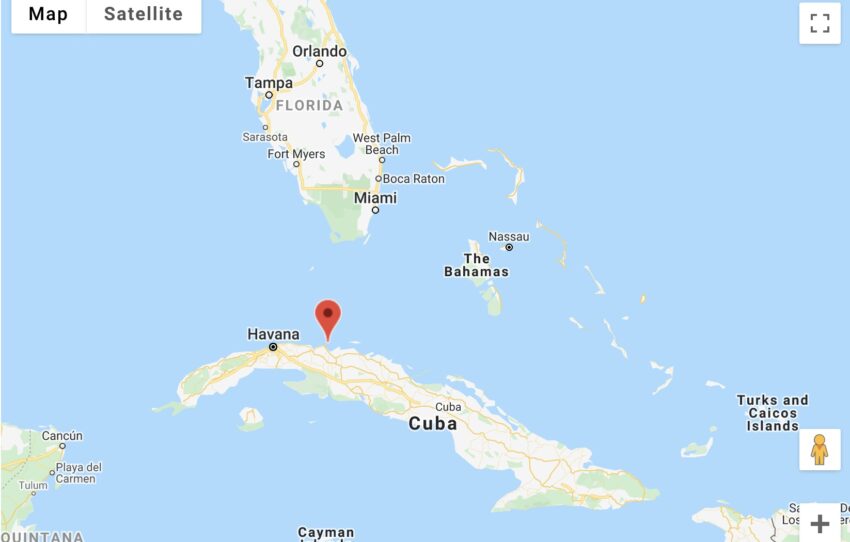
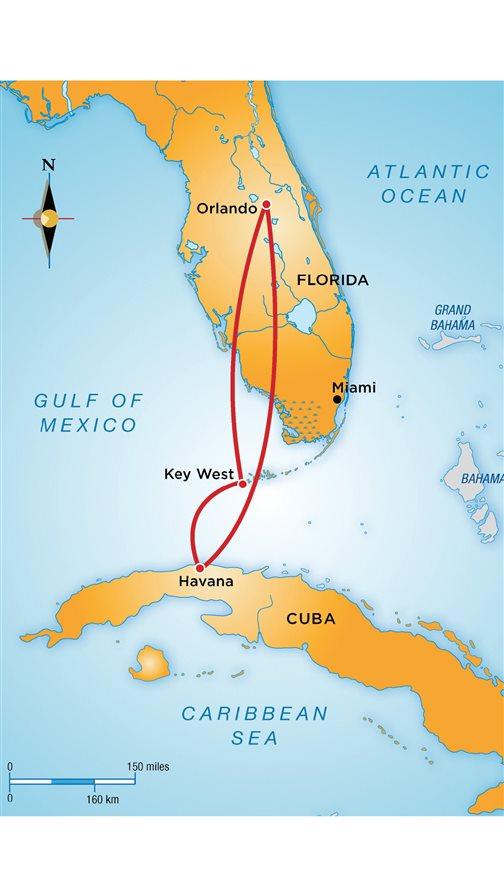
At its closest point, the distance between the southern tip of Florida, specifically Key West, and the northern coast of Cuba is remarkably short. This narrow stretch is approximately 90 miles (145 kilometers), often cited as the distance from Key West to Havana, the Cuban capital. This makes Cuba closer to the United States than many parts of its own contiguous landmass.
The Florida Straits Defined
This sliver of water is known as the Florida Straits, connecting the Gulf of Mexico to the Atlantic Ocean. The Straits of Florida are a significant maritime pathway, not only for international shipping but also historically for fishing fleets and, famously, for those seeking to cross the divide between the two nations. On a clear day, particularly from the southern reaches of the Florida Keys, one can almost imagine seeing the Cuban coastline, a testament to its striking proximity.
A Neighbor Unlike Others
To put this into perspective for the avid traveler, Cuba is significantly closer to Florida than many popular Caribbean islands. For example, Nassau, Bahamas, is about 180 miles from Miami, making Cuba nearly twice as close to the U.S. mainland at its nearest point. This geographic reality has, throughout history, fostered a unique relationship, influencing everything from migratory patterns to cultural exchange and, of course, the practicalities of travel.
Bridging the Miles: Air and Sea Travel
Despite the short geographical distance, the actual journey between Florida and Cuba involves navigating various logistical and regulatory considerations. However, when travel is permitted and facilitated, the transit times are remarkably brief, underscoring the close bond these two lands share.
Air Travel: The Fastest Connection
For most international travelers, air travel is the primary and most convenient method of reaching Cuba from Florida. Direct flights from major Florida hubs like Miami International Airport (MIA) and Fort Lauderdale-Hollywood International Airport (FLL) to Havana’s José Martí International Airport (HAV) are incredibly short.
- Flight Duration: A typical direct flight from Miami to Havana averages between 45 minutes to just over an hour. This brevity means travelers can enjoy breakfast in Florida and be exploring the vibrant streets of Havana before lunch.
- Connectivity: While political circumstances have historically influenced the regularity and availability of direct commercial flights, when routes are open, travelers benefit from the efficiency of these short-haul international services. Many airlines have, at various times, offered routes connecting the two, reflecting the demand driven by this geographic closeness.
Sea Travel: A Historical and Emerging Route
Historically, sea travel was the dominant mode of transport, and even today, it holds a romantic appeal for many. The journey by water offers a different perspective on the Florida Straits.
- Ferry Services: In recent years, there have been attempts and proposals to re-establish regular ferry services between Florida and Cuba, particularly from ports like Key West or Miami to Havana. When operational, these services could offer a travel time ranging from 4 to 10 hours, depending on the vessel type and specific route.
- Cruises: At times when U.S. travel restrictions to Cuba have eased, cruise lines have also included Cuban ports, primarily Havana and Santiago de Cuba, in their Caribbean itineraries. The overnight journey from a Florida port allows cruisers to wake up in a new, distinct culture.
- Private Vessels: While the spirit of adventure might beckon private boaters to attempt the crossing, strict regulations from both the U.S. and Cuban governments make this a complex undertaking, often requiring special permits and adherence to specific guidelines. The actual time for a private vessel can vary greatly, from a few hours for a high-speed craft to a full day or more for sailing vessels.
Historical and Modern Travel Considerations
The proximity of Cuba to Florida has long been a defining factor in their relationship, influencing not only the modes of transport but also the regulations and ease of travel. Travelers planning a trip need to be aware that the journey is often more complex than just buying a ticket due to the unique political landscape.
A History of Intertwined Journeys
Before the Cuban Revolution and the subsequent U.S. embargo, travel between Florida and Cuba was common and unrestricted. Havana was a favored playground for Floridians, and the influence of Cuban culture was already deeply embedded in southern Florida. This easy flow of people and goods showcased the natural inclination for interaction given the short distance.
Navigating Current Travel Frameworks
For U.S. citizens and residents, travel to Cuba is governed by specific regulations set forth by the U.S. Department of the Treasury’s Office of Foreign Assets Control (OFAC). This means that travel is generally permitted only under 12 authorized categories, such as “Support for the Cuban People,” family visits, journalistic activity, professional research, and humanitarian projects, among others. Pure tourism, as defined by relaxing on the beach, is not generally permitted for U.S. citizens.
- “People-to-People” and “Support for the Cuban People”: These categories require travelers to engage in a full-time schedule of activities that enhance contact with the Cuban people, support civil society, or promote the independence of the Cuban people from Cuban authorities. Travel providers often specialize in crafting itineraries that comply with these regulations.
- Visa Requirements: Beyond U.S. regulations, all foreign visitors require a Cuban visa, typically a “tourist card,” which can be obtained through airlines, embassies, or travel agencies.
For non-U.S. travelers, the process is typically much simpler, often only requiring a tourist visa or card and a valid passport. This highlights how the short distance, while geographically inviting, is politically complex for certain nationalities.
Border Controls and Logistics
Regardless of nationality, all travelers entering Cuba must adhere to standard international immigration and customs procedures. This includes presenting a valid passport and the required visa. Travelers should also be aware of specific Cuban regulations regarding currency, permissible imports, and exports, as these can differ significantly from other international destinations. Similarly, upon returning to Florida, U.S. customs and border protection rules apply, with additional considerations for items purchased in Cuba.
Beyond the Horizon: What Proximity Means for Travelers
The short distance between Florida and Cuba creates a unique dynamic, offering travelers a fascinating blend of experiences that are geographically close but culturally distinct. This closeness has fostered an undeniable, if sometimes complicated, intertwining of their narratives.
A Tapestry of Cultural Exchange
The most profound impact of Cuba’s proximity to Florida is evident in the rich cultural exchange. Miami’s Little Havana district is a vibrant testament to the Cuban-American community, where the aroma of strong coffee, the sounds of salsa music, and the sight of cigar rollers transport visitors to another world, merely 90 miles away. This cultural blend allows travelers in Florida to experience a slice of Cuban heritage without leaving the U.S., and vice versa for Cubans with family in Florida.
From musical genres to culinary traditions and artistic expressions, the constant, if sometimes one-sided, flow of influence across the Florida Straits has created a unique Caribbean identity that is distinct yet interconnected. For an insightful traveler, this proximity means the opportunity to witness these cultural dialogues firsthand.
Logistical Appeal and Unique Itineraries
Despite the regulatory hurdles, the short flight time makes Cuba an appealing destination for those seeking an impactful, albeit structured, international trip from Florida. When regulations allow, it transforms Cuba into an easily accessible cultural immersion. Imagine a morning coffee in Miami and an afternoon stroll through Old Havana’s plazas – a testament to the efficient travel enabled by geographic closeness.
For travelers coming from further afield, Cuba’s position near Florida allows for compelling multi-destination itineraries. It provides an opportunity to combine the dynamic energy of Florida’s cities and beaches with the historical richness and unique atmosphere of Cuba, offering a contrasting yet complementary travel experience.
A Journey of Contrast and Connection
Ultimately, how far away Cuba is from Florida is not just a measurement of miles, but a measure of historical depth, cultural vibrancy, and political complexity. For the traveler, this proximity means an unusually brief physical journey into a dramatically different world, offering profound insights into two societies shaped by their enduring, and often intense, relationship across a mere 90 miles of ocean. It’s a compelling travel narrative waiting to be explored, a journey of discovery that transcends simple distance.
LifeOutOfTheBox is a participant in the Amazon Services LLC Associates Program, an affiliate advertising program designed to provide a means for sites to earn advertising fees by advertising and linking to Amazon.com. Amazon, the Amazon logo, AmazonSupply, and the AmazonSupply logo are trademarks of Amazon.com, Inc. or its affiliates. As an Amazon Associate we earn affiliate commissions from qualifying purchases.