
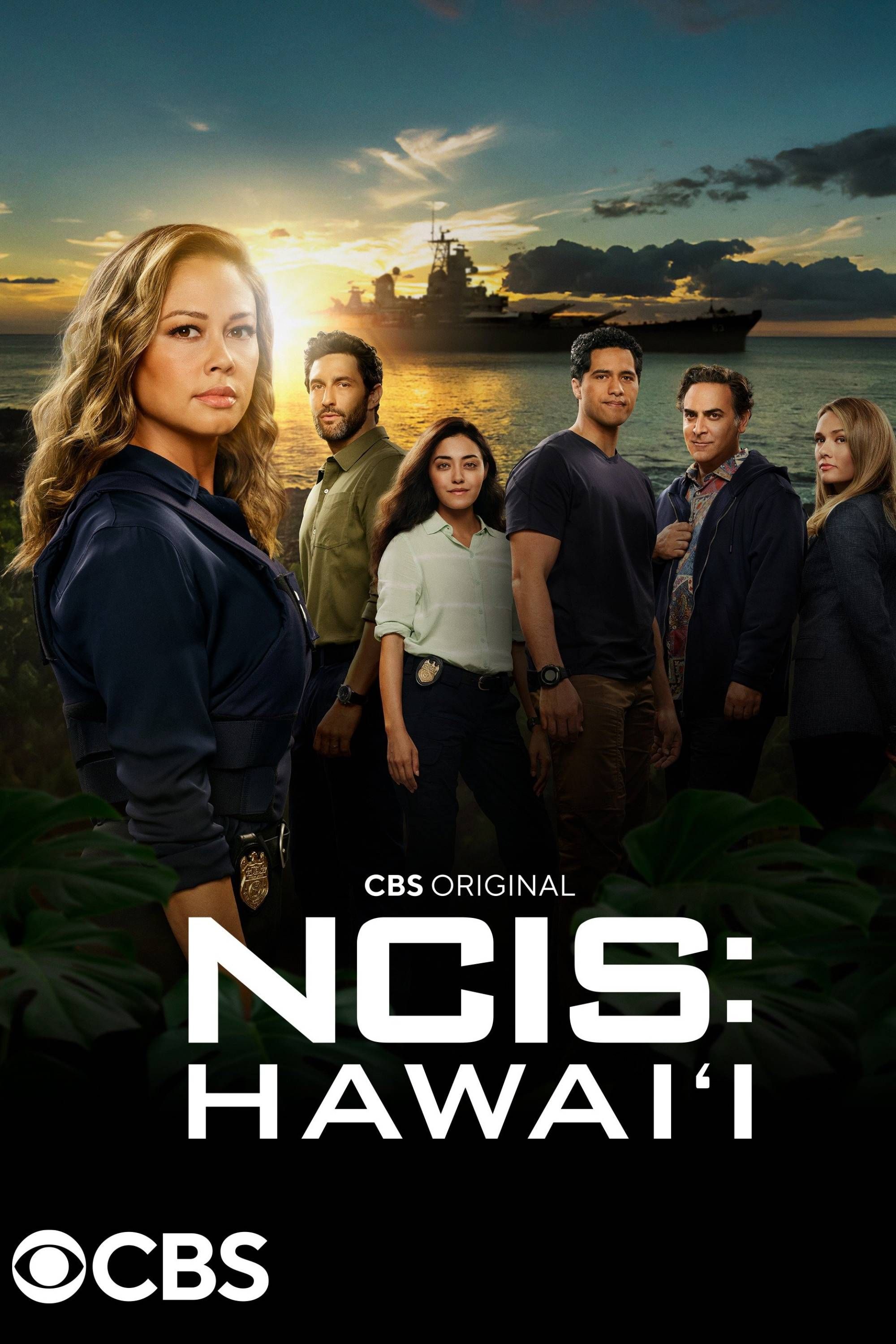
The sudden announcement that NCIS: Hawai’i would not be returning for a fourth season sent shockwaves through both the television industry and the local community in Hawaii. For three years, the show was more than just a procedural drama; it was a weekly showcase of the island’s breathtaking landscapes, a pillar of the local filming lifestyle, and a significant contributor to the economy of Oahu. Understanding why such a popular series was brought to an abrupt end requires a look into the complex intersection of production costs, corporate strategy, and the evolving lifestyle of modern media consumption.

The Financial Reality of Filming in Paradise
The primary factor often cited in the cancellation of NCIS: Hawai’i is the sheer cost of production. Maintaining a high-end television series in a remote location like Honolulu presents logistical challenges that are absent in traditional filming hubs like Los Angeles or Atlanta.
High Cost of Living and Logistics
Filming in the United States is already expensive, but Hawaii represents one of the most high-cost environments for a production crew. Everything from housing for the cast and crew to the transportation of specialized equipment across the Pacific Ocean adds a premium to the budget. The lifestyle afforded to a production of this scale requires significant investment in local infrastructure. When CBS evaluated the budget for a potential fourth season, the rising costs of labor, fuel, and local permits in Hawaii weighed heavily against the show’s projected revenue.
The Role of State Tax Credits
The lifestyle of the film industry in Hawaii is heavily dependent on state-provided tax incentives. While the Aloha State offers attractive credits to lure major studios, the competition from other regions is fierce. If the return on investment for the studio does not align perfectly with the cost of maintaining a permanent footprint on the islands, the financial feasibility of the project begins to crumble. For NCIS: Hawai’i, the margin between profitability and loss became too slim for the network to justify another year of high-budget location shooting.
The Show’s Impact on Hawaii’s Global Image and Lifestyle
Beyond the numbers, the show played a vital role in defining the contemporary lifestyle of Hawaii for millions of viewers worldwide. It portrayed a vibrant, modern Honolulu that moved beyond the stereotypical tourist tropes, showcasing the real-life intersection of military history, local culture, and professional life.
Promoting Film Tourism
One of the most significant lifestyle impacts of the series was its role in “film tourism.” Each episode served as a 45-minute advertisement for the beauty of Oahu. Landmarks such as Diamond Head and the pristine waters of Waikiki Beach were frequently featured, encouraging travelers to seek out the lifestyle depicted on screen. The cancellation means the loss of a major promotional vehicle for the Hawaii tourism board, which relies on such media exposure to attract luxury travelers and family vacationers alike.
Cultural Representation and Local Employment
The lifestyle of the local workforce was also deeply intertwined with the show. NCIS: Hawai’i employed hundreds of local residents, from actors and stunt performers to caterers and drivers. The show’s commitment to featuring local talent and the Hawaiian language helped integrate the production into the community’s lifestyle. Unlike many shows that use Hawaii merely as a green-screen backdrop, this production utilized iconic spots like Kualoa Ranch and Pearl Harbor, providing a sense of authenticity that resonated with the local population.
The Strategic Shift in the Television Landscape
The decision to cancel the show wasn’t just about Hawaii itself; it was a reflection of the changing lifestyle of how audiences consume media. The shift from traditional broadcast television to streaming services has forced networks like CBS to make difficult choices regarding their programming slate.
Consolidation and Streaming Priorities
Paramount Global, the parent company of CBS, has been undergoing a period of significant restructuring. As the company focuses more on its streaming platform, Paramount+, the metrics for success have changed. A show now needs to perform exceptionally well not just in live ratings, but also in international syndication and streaming longevity. Despite having a dedicated fan base and starring Vanessa Lachey, the show was positioned in a crowded lineup alongside NCIS and NCIS: Sydney. In the end, the network decided to prioritize other projects that fit a different demographic or geographic lifestyle.
The Problem of the “Bubble” Show
In the television industry, a “bubble” show is one that hovers on the edge of cancellation and renewal. NCIS: Hawai’i found itself in this precarious position despite respectable viewership numbers. When a network has a limited number of time slots and a high volume of successful pilots, even a show that performs “well” can be cut if its production costs are seen as disproportionate to its growth potential. The lifestyle of network executives involves making cold, data-driven decisions that often disregard the emotional connection fans have with a series.
The Local Aftermath: A Change in the Island’s Creative Lifestyle
The departure of a major production like NCIS: Hawai’i leaves a void in the creative lifestyle of the islands. For years, Hawaii has been a preferred destination for major motion pictures like Jurassic Park and long-running series like Hawaii Five-0 and Lost.
Future of the Hawaii Film Industry
The loss of the show raises questions about the future of Hawaii as a primary filming destination. While the islands will always possess natural beauty that cannot be replicated in a studio, the lifestyle of the local film industry depends on consistent, year-round work. Without a “tentpole” series to anchor the community, many local professionals may find themselves looking for opportunities in North America or other international hubs. This shift could alter the economic lifestyle of many families in Honolulu who have built their careers around these recurring productions.
The Legacy of the Show
Even though the series has ended, its impact on the lifestyle of the islands remains. It successfully modernized the image of Hawaii in the 21st century, showing that the state is not just a place for vacations, but a center of high-stakes professional life and complex social dynamics. The show’s exploration of the North Shore lifestyle and the hidden corners of Maui and Kauai (often mentioned or visited) helped broaden the audience’s understanding of the archipelago’s diversity.

Conclusion: The End of an Era for Island Media
The cancellation of NCIS: Hawai’i was the result of a “perfect storm” of economic and strategic factors. The high cost of maintaining a luxury production lifestyle in Honolulu, combined with the shifting priorities of CBS and Paramount Global, ultimately made the show a casualty of the modern media landscape.
While fans may mourn the loss of Jane Tennant and her team, the show’s legacy will live on through the increased visibility it brought to the United States most unique state. It showcased a lifestyle that balanced intense duty with the serene beauty of the islands, leaving an indelible mark on how the world views Hawaii. As the local film industry looks toward the next big project, the lessons learned from the production of NCIS: Hawai’i will undoubtedly shape the future of how stories are told in paradise. For now, the sun sets on this particular chapter of island television, leaving behind a trail of memories from the shores of Waikiki to the valleys of Oahu.
LifeOutOfTheBox is a participant in the Amazon Services LLC Associates Program, an affiliate advertising program designed to provide a means for sites to earn advertising fees by advertising and linking to Amazon.com. Amazon, the Amazon logo, AmazonSupply, and the AmazonSupply logo are trademarks of Amazon.com, Inc. or its affiliates. As an Amazon Associate we earn affiliate commissions from qualifying purchases.