
The sheer vastness of Texas, spanning over 268,000 square miles, means that a single answer to “What is the temperature in Texas?” is as elusive as a cool breeze in August in El Paso. The Lone Star State boasts a diverse climate, influenced by its proximity to the Gulf of Mexico, its position in the interior of the continent, and its significant north-south expanse. Understanding these climatic nuances is crucial for anyone planning a visit, whether for a weekend getaway or an extended exploration of its unique offerings. From the humid subtropical air of the East Texas Piney Woods to the arid desert landscapes of West Texas, the temperature can vary dramatically by region and by season.

Regional Temperature Variations Across the Lone Star State
Texas is not a monolith when it comes to its weather. Its sheer size dictates distinct climatic zones, each with its own characteristic temperature ranges and weather patterns throughout the year.
North Texas
The northern part of the state, including major metropolitan areas like Dallas and Fort Worth, experiences a humid subtropical climate. Summers here are notoriously hot and humid, with average high temperatures in July and August often exceeding 95°F (35°C) and occasionally climbing past 100°F (38°C). Humidity can make these temperatures feel even more oppressive. Winters are generally mild, but can experience cold snaps with temperatures dropping below freezing, sometimes bringing ice and snow, though significant accumulations are rare. Spring and fall are generally pleasant, offering mild to warm temperatures ideal for outdoor activities.
Central Texas
Stretching from the Texas Hill Country to the Austin metropolitan area, Central Texas also enjoys a humid subtropical climate, though it tends to be slightly drier than North Texas. Summers are hot, with highs regularly in the mid-90s°F (mid-30s°C). The Hill Country, with its rolling terrain, can experience slightly cooler temperatures than the more urbanized areas. Winters are mild, with occasional dips below freezing. Spring and fall are often considered the prime seasons, with comfortable temperatures perfect for exploring the state capital’s vibrant music scene or driving the scenic routes through the Hill Country.
South Texas
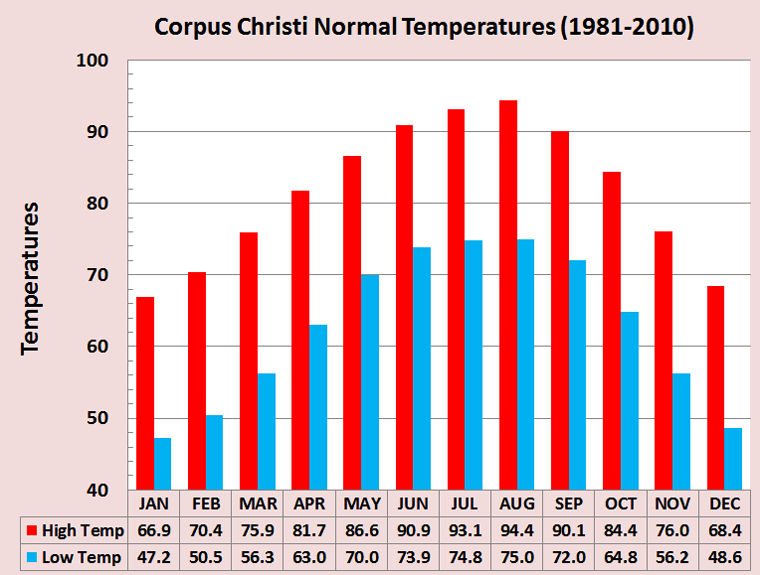
The southernmost tip of Texas, bordering Mexico and the Gulf Coast, has a climate heavily influenced by maritime air masses. Cities like San Antonio, Corpus Christi, and Brownsville experience long, hot, and humid summers. Temperatures frequently reach the high 90s°F (mid-30s°C), and the Gulf breeze offers some relief, though it also brings with it significant humidity. Winters are very mild, with freezing temperatures being an infrequent occurrence. This region is also susceptible to hurricanes and tropical storms during the Atlantic hurricane season, which runs from June 1st to November 30th.
West Texas
West Texas, characterized by its vast deserts and rugged mountains, has a semi-arid to arid climate. Cities like El Paso and Lubbock experience extreme temperature fluctuations. Summers are scorching, with daytime temperatures often soaring well above 100°F (38°C) and nights offering some respite, cooling down considerably. The lack of humidity makes the heat feel less oppressive than in East or South Texas, but the intensity of the sun is undeniable. Winters are colder than in the southern parts of the state, with potential for freezing temperatures and occasional snow. Spring and fall are generally mild and pleasant, making them excellent times to visit for outdoor adventures.
East Texas
The Piney Woods region of East Texas, including areas around Houston and Shreveport (though Shreveport is in Louisiana, it influences the border region’s climate), is known for its humid subtropical climate with abundant rainfall. Summers are hot and very humid, with temperatures consistently in the 90s°F (30s°C) and high humidity levels. Winters are mild but can bring occasional cold fronts. This region experiences the most rainfall in the state, contributing to its lush vegetation.
Seasonal Temperature Trends and Travel Considerations
Understanding the general temperature trends by season is paramount for any traveler to Texas. Each season offers a distinct experience, with corresponding temperature considerations.
Spring (March – May)
Spring is widely considered one of the most pleasant times to visit Texas. Temperatures are generally mild and comfortable across most of the state, though they can vary significantly from north to south. Early spring may still bring cooler temperatures, especially in the Panhandle, while late spring can start to feel quite warm in South Texas. This season is ideal for exploring national parks like Big Bend National Park, attending outdoor festivals, or enjoying the blooming wildflowers, particularly the iconic bluebonnets, which typically peak in April.
Summer (June – August)
Summers in Texas are synonymous with heat. This is the hottest time of year across the entire state, with prolonged periods of high temperatures and high humidity, especially in the eastern and southern regions. Daytime highs in many areas will regularly surpass 90°F (32°C) and often reach into the triple digits (°F). West Texas experiences extreme dry heat, while the Gulf Coast offers humid heat. Outdoor activities should be planned for early mornings or late evenings, and staying hydrated is essential. This is the peak season for beach destinations like Galveston but requires careful planning to avoid heatstroke.
Fall (September – November)
Fall offers a welcome respite from the summer heat. Temperatures begin to moderate, especially in September and October, making it another prime season for visiting Texas. The humidity typically decreases, and the crisp air provides perfect conditions for exploring cities, hiking, or attending sporting events. The colors of autumn can be beautiful, particularly in the Piney Woods of East Texas and the Texas Hill Country. As November progresses, temperatures will start to drop, particularly in North and West Texas, signaling the approach of winter.
Winter (December – February)
Winters in Texas are generally mild, especially in the southern half of the state. However, Texas experiences a wide range of winter weather. North Texas and the Panhandle can experience significant cold spells, with temperatures frequently dropping below freezing, accompanied by ice and occasional snow. South Texas, conversely, enjoys mild winters with average temperatures often in the 60s°F (15-20°C). Freezing temperatures are rare, and snow is almost unheard of in the southernmost regions. This season is ideal for exploring the cultural attractions of cities like San Antonio or enjoying the milder climate of the Rio Grande Valley.
Planning Your Texas Adventure: Temperature-Based Tips
To make the most of your trip to Texas, it’s essential to align your travel plans with the expected temperatures of the region you intend to visit.
Embracing the Heat: Summer Travel Strategies
If your travel plans necessitate a summer visit, preparation is key.
- Hydration is paramount: Carry a reusable water bottle and refill it frequently. Consider electrolyte-rich beverages.
- Seek indoor activities: Plan museum visits, art gallery tours, or enjoy the air-conditioned shopping malls in cities like Houston or Dallas.
- Embrace water activities: Coastal areas offer opportunities for swimming, and many hotels and resorts feature pools.
- Dress appropriately: Lightweight, breathable fabrics are your best friend. Light colors reflect heat better than dark ones.
- Plan outdoor excursions for cooler parts of the day: Early mornings and late evenings are ideal for exploring landmarks or national parks.
Navigating the Milds: Spring and Fall Expeditions
These shoulder seasons are excellent for experiencing the full breadth of Texas’s offerings without extreme temperatures.
- Layering is advisable: While generally pleasant, temperatures can fluctuate, especially during transitional periods.
- Outdoor exploration is optimal: This is the best time for hiking in Big Bend National Park, exploring the Texas Hill Country, or visiting historical sites.
- Check local event calendars: Many of Texas’s major festivals and outdoor events are scheduled during these seasons.
Experiencing the Cool: Winter Travel Choices
Winter offers a different, yet equally rewarding, Texas experience.
- Bundle up for North Texas: If visiting cities like Amarillo or Wichita Falls during winter, expect cold weather and pack accordingly.
- Enjoy milder climates in the South: South Texas and the Gulf Coast can be ideal for escaping colder weather, offering comfortable temperatures for sightseeing and outdoor dining.
- Consider indoor attractions: While milder, winter can still bring chilly days, making indoor attractions a good complement to your itinerary.
The temperature in Texas is a dynamic element that shapes its landscape, its culture, and the experiences it offers. By understanding the regional and seasonal variations, travelers can better plan their journeys, ensuring a comfortable and memorable exploration of this vast and diverse state. Whether you’re drawn to the arid beauty of the west, the humid charm of the coast, or the rolling hills of the interior, a little knowledge about the weather will go a long way in crafting your perfect Texas adventure.
LifeOutOfTheBox is a participant in the Amazon Services LLC Associates Program, an affiliate advertising program designed to provide a means for sites to earn advertising fees by advertising and linking to Amazon.com. Amazon, the Amazon logo, AmazonSupply, and the AmazonSupply logo are trademarks of Amazon.com, Inc. or its affiliates. As an Amazon Associate we earn affiliate commissions from qualifying purchases.