
Understanding Florida’s Sales Tax Holidays for Savvy Shoppers and Travelers
Florida, known for its sunshine, beaches, and vibrant lifestyle, also offers a unique opportunity for residents and visitors to save on essential and recreational purchases through its annual sales tax holidays. While many colloquially refer to these as “Tax Free Week,” the state actually implements several distinct sales tax holidays throughout the year, each targeting specific categories of goods. These holidays are a strategic boon for anyone looking to manage their lifestyle budget more effectively, whether preparing for the school year, stocking up for hurricane season, or simply enjoying the state’s recreational offerings.
These tax exemptions are not merely about saving a few dollars; they represent a thoughtful approach by the state to support its citizens and visitors in managing the costs associated with daily living, education, safety, and leisure. For families, these periods can significantly reduce the financial burden of back-to-school shopping. For homeowners, they offer an incentive to prepare adequately for potential natural disasters. And for those embracing Florida’s outdoor and cultural scene, they make leisure activities more accessible. Understanding the timing and scope of each holiday is key to maximizing these benefits and enhancing one’s overall lifestyle in the Sunshine State.
The Rationale Behind Tax Holidays
The primary objective behind Florida’s sales tax holidays is to provide financial relief to consumers while simultaneously stimulating the local economy. By temporarily removing the state’s 6% sales tax (plus any local discretionary sales surtaxes), the state encourages spending on specific categories of goods during designated periods. This initiative often coincides with peak purchasing times, such as the weeks leading up to the new school year or the onset of hurricane season.
For families, the savings accrued during a “Back-to-School” tax holiday can be substantial, allowing them to allocate freed-up funds to other critical household needs or even leisure activities, thereby enhancing family lifestyle quality. Similarly, the “Disaster Preparedness” holiday empowers residents to acquire essential safety items without the added tax burden, fostering a sense of security and readiness, which is an integral part of living responsibly in a hurricane-prone region like Florida. These holidays are more than just a discount; they are a policy mechanism designed to support the well-being and preparedness of the community, making various lifestyle choices more attainable and sustainable.
Navigating Florida’s Annual Tax-Free Calendar for Optimal Savings
Florida‘s sales tax holidays typically occur at different times of the year, each with its own set of eligible items and price caps. While the exact dates are determined annually by the Florida Legislature and signed into law, certain holidays are recurring fixtures on the state’s calendar. It is always advisable to check the official Florida Department of Revenue website for the precise dates and detailed lists of eligible items for the current year. However, understanding the general patterns can help residents and visitors plan their purchases effectively.
Back-to-School Budgeting for Families
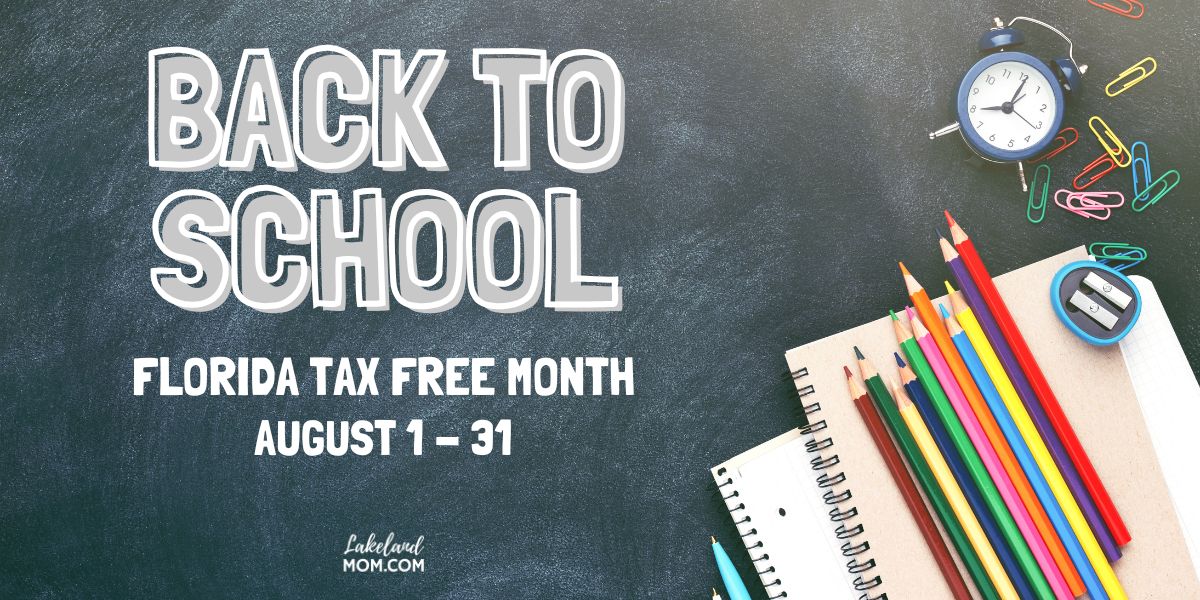
One of the most anticipated sales tax holidays for families is the Back-to-School Sales Tax Holiday. This period usually occurs in late July or early August, just before students return to classrooms across the state. It allows parents to purchase a wide array of items typically required for school without paying sales tax. Eligible items often include:
- Clothing and footwear: Generally, individual items priced under a specific threshold (e.g., $60-$100) are tax-exempt. This includes uniforms, everyday apparel, and shoes.
- School supplies: Items such as pens, pencils, notebooks, binders, crayons, calculators, and backpacks often fall under a lower price cap (e.g., $15-$20 per item).
- Learning aids and specified electronic devices: Sometimes, certain educational materials or electronic devices (like computers for personal noncommercial use, under a higher price cap) are included, providing significant savings for families investing in their children’s education.
For families focused on budget travel or managing household expenses, timing a visit to Florida to coincide with this holiday, especially if they have school-aged children, can yield substantial savings. These savings can then be redirected towards enhancing their family trip experience, perhaps funding an extra day at a theme park or a special meal.
Preparing for Hurricane Season Without Breaking the Bank
Living in Florida means being prepared for hurricane season, which officially runs from June 1st to November 30th. To assist residents, the state typically offers one or two Disaster Preparedness Sales Tax Holidays – often in late May/early June and sometimes a second one later in the season. These holidays are crucial for ensuring the safety and peace of mind of Florida residents. Items commonly included are:
- Batteries: Of various types (e.g., AAA, AA, C, D, 6-volt, 9-volt), typically under a certain price per pack.
- Flashlights and lanterns: Essential for power outages.
- Radios: Two-way, weather band, or NOAA weather radios.
- Tarpaulins or other flexible waterproof sheeting: For temporary roof repair.
- Tie-down kits, bungee cords, and ratchet straps: For securing property.
- Portable generators: Often under a higher price cap (e.g., $1,000), offering substantial savings on a critical item.
- Reusable ice packs and coolers: For food preservation.
- Gas cans: For fuel storage.
These holidays directly contribute to a resilient lifestyle, making necessary preparations more accessible financially. For those planning a long-term stay or considering relocation to Florida, understanding and utilizing this holiday is vital for responsible home management.
Enjoying Florida’s Lifestyle with Freedom Week Savings
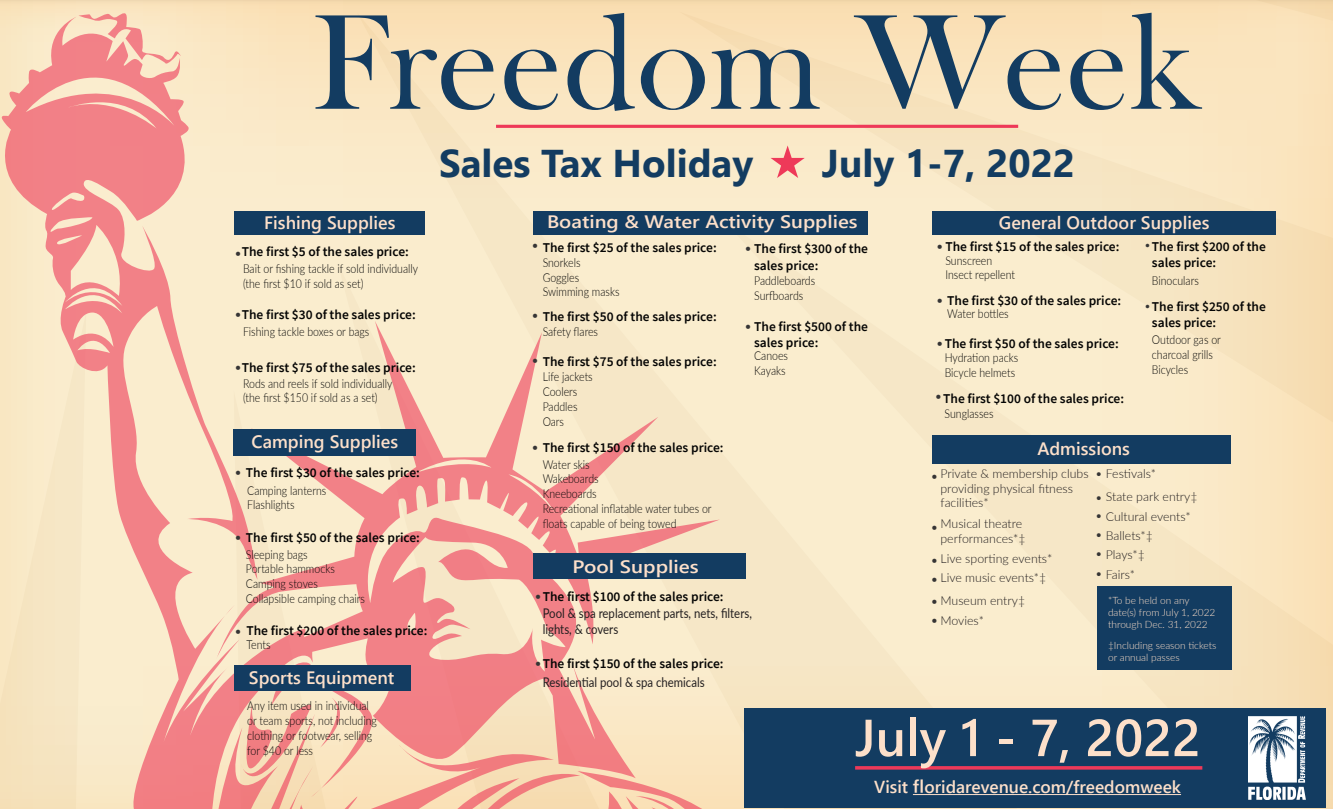
A more recent addition to Florida’s tax holiday lineup is the Freedom Week Sales Tax Holiday, typically occurring around the July 4th holiday. This tax holiday focuses on encouraging residents and visitors to enjoy Florida’s diverse recreational and cultural offerings. Items that have been included in the past often cover:
- Outdoor recreation gear: Fishing supplies (e.g., tackle, rods), camping tents, sleeping bags, outdoor grills, binoculars, and sporting equipment.
- Boating and water sports essentials: Life jackets, wakeboards, paddleboards, and inner tubes.
- Event tickets: Admission to concerts, sporting events, cultural events, state parks, and museums.
- Specific camping and athletic equipment: Tents, sleeping bags, javelins, discuses, bats, gloves, and helmets.

This holiday is particularly appealing for those who value an active lifestyle, wish to explore Florida’s natural beauty, or participate in its vibrant entertainment scene. By eliminating sales tax on these items, the state effectively lowers the barrier to entry for many recreational activities, making leisure and cultural engagement more affordable.
Strategic Planning for Residents and Visitors: Maximizing Your Lifestyle Budget
To truly capitalize on Florida’s sales tax holidays, both residents and visitors need a strategic approach. It’s not enough to simply know when these holidays occur; effective planning involves understanding what to buy, how to buy, and how these savings integrate into your broader lifestyle budget.
For residents, these holidays present an ideal opportunity to make planned purchases for the upcoming year or season. Instead of buying school supplies haphazardly in August, a resident might consolidate all their needs during the tax-free window. Similarly, purchasing hurricane preparedness items proactively in May/June can alleviate stress and costs when a storm threat looms later in the season. For visitors, especially those on extended stays or planning a move, aligning a trip with a relevant tax holiday can result in significant savings on items they would purchase anyway, freeing up their budget for more experiences within Florida.
Creating a Savvy Shopping List
The first step to maximizing savings is meticulous planning. Before a tax holiday begins, create a comprehensive shopping list.
- Check eligible item lists and price caps: The Florida Department of Revenue publishes detailed lists of eligible items and any associated price limits. Stick to these guidelines rigorously. An item slightly over the price cap will still be subject to tax.
- Compare prices beforehand: Even without sales tax, some retailers might offer items at higher base prices. Researching sales and prices at different stores before the tax holiday ensures you’re getting the best deal overall. Sometimes, a sale price with tax might be better than a higher regular price without tax.
- Avoid impulse buys: The allure of “tax-free” can lead to unnecessary purchases. Stick to your pre-planned list to ensure your savings are directed towards genuine needs or well-considered lifestyle enhancements, not fleeting desires.
- Consider bulk purchases: If items like batteries or certain school supplies are always needed, buying in larger quantities during the tax holiday can be a smart long-term budgeting move, provided they meet the per-item price cap criteria.
The Impact on Florida’s Lifestyle and Economy
These sales tax holidays do more than just save individuals money; they contribute to the overall economic health and vibrant lifestyle of Florida. By encouraging consumer spending during specific periods, the holidays stimulate retail activity, support local businesses, and generate economic momentum. This, in turn, can lead to job creation and further investment in the state, indirectly enhancing the amenities and services available to residents and tourists alike.
From a lifestyle perspective, the savings from these holidays can free up household income, allowing families to invest in other aspects of their lives, such as dining out at Miami‘s acclaimed restaurants, exploring the Everglades National Park, or visiting the numerous attractions around Orlando. They foster a sense of preparedness and reduce financial stress, enabling a more relaxed and enjoyable way of life in the Sunshine State.
Beyond the Savings: Embracing Florida’s Lifestyle
While the immediate financial benefits of Florida’s sales tax holidays are undeniable, their true value extends to how they enable and enrich various aspects of the local lifestyle. The money saved isn’t just “extra cash”; it represents an opportunity to invest in higher quality products, engage in more experiences, and build a more secure and enjoyable life within the state.
For example, by saving on essential school supplies, a family might be able to afford a day trip to the Kennedy Space Center Visitor Complex or a weekend getaway to St. Augustine, creating lasting memories. Similarly, knowing that one can afford vital hurricane preparedness items provides peace of mind, allowing residents to fully immerse themselves in Florida’s tropical beauty without constant underlying anxiety.
Enhancing Family Experiences
The financial flexibility offered by tax holidays can profoundly enhance family life. Reduced spending on necessities means more funds available for discretionary activities. This could translate into:
- More quality family time: Extra funds might facilitate a trip to a local attraction like Busch Gardens Tampa Bay or a visit to one of Florida’s many beautiful state parks.
- Investing in educational experiences: Beyond school supplies, savings might allow for museum visits, educational workshops, or subscriptions to learning platforms.
- Reduced financial stress: The psychological benefit of not having to worry as much about the cost of back-to-school items or emergency supplies can lead to a more relaxed and enjoyable household atmosphere, promoting overall well-being.
These holidays, therefore, are not just about consumption; they are about enabling families to thrive and fully embrace the unique opportunities presented by living in or visiting Florida.
Sustainable Living and Preparedness
The focus of certain tax holidays on items like energy-efficient appliances (though less frequent) and disaster preparedness underscores Florida’s commitment to sustainable living and resilience. Encouraging the purchase of items that reduce energy consumption or provide safety during emergencies contributes to a lifestyle that is both environmentally conscious and securely planned.
By incentivizing the acquisition of generators, batteries, and weather radios, the state empowers its residents to be self-sufficient and prepared for the challenges that come with its unique climate. This proactive approach to preparedness is a cornerstone of responsible Florida living, fostering a community that is ready for anything while enjoying the everyday splendor of the state. Ultimately, Florida’s “tax-free weeks” are more than just shopping events; they are key components in supporting an accessible, vibrant, and resilient lifestyle for all.
LifeOutOfTheBox is a participant in the Amazon Services LLC Associates Program, an affiliate advertising program designed to provide a means for sites to earn advertising fees by advertising and linking to Amazon.com. Amazon, the Amazon logo, AmazonSupply, and the AmazonSupply logo are trademarks of Amazon.com, Inc. or its affiliates. As an Amazon Associate we earn affiliate commissions from qualifying purchases.