
Navigating the intricacies of alcohol sales in a new destination can be a crucial part of planning any trip, and understanding these local regulations can significantly enhance your experience. For those visiting or planning a trip to the Lone Star State, a common question arises, particularly concerning weekend activities: “What time do they sell beer in Texas on Sunday?” This seemingly simple query opens a door to understanding a fascinating aspect of Texan culture and its legislative framework. While often referred to as “blue laws,” these regulations have evolved considerably over time, and Texas is no exception. The state’s approach to Sunday alcohol sales is a blend of historical sentiment and modern practicality, offering a unique glimpse into its social fabric.

The nuances of when and where you can purchase beer on a Sunday in Texas are not universally fixed but rather depend on a combination of state law and local ordinances. This means that while there’s a general statewide framework, the specific hour your favorite beverage becomes available can vary from one municipality to another. Understanding these distinctions is key to enjoying your visit without encountering unexpected limitations, whether you’re planning a brunch, a backyard barbecue, or simply seeking a refreshing drink after a day of exploring the vibrant cities like Austin or the historic sites of San Antonio.
The Evolution of Sunday Alcohol Sales in Texas
The history of Sunday alcohol sales in Texas is a narrative of gradual liberalization. For many years, Texas, like numerous other states, adhered to strict “blue laws” that prohibited the sale of alcohol on Sundays. These laws were largely rooted in religious observance and tradition, aiming to ensure a day of rest and sobriety for the populace. The rationale was that Sunday should be dedicated to worship and family, free from the distractions and potential social ills associated with the commercial sale of alcoholic beverages.
However, as Texas grew and its economy diversified, the practical implications of these prohibitions became increasingly apparent. The tourism industry, in particular, highlighted the economic disadvantages of restricting alcohol sales on what is often a prime day for leisure and entertainment. Restaurants, bars, and hotels faced lost revenue, and visitors often found themselves unable to partake in common weekend social activities. This growing economic pressure, coupled with shifting societal attitudes, led to a series of legislative changes.
The most significant reform occurred in 1961 when Texas lawmakers passed legislation allowing the sale of beer and wine on Sundays between 1 p.m. and midnight. This was a substantial departure from the previous outright ban and marked a turning point in the state’s approach to alcohol regulation. It acknowledged the changing social landscape and the economic realities of a modern state.
Further amendments and local option elections have continued to refine these laws. The ability for cities and counties to vote on their own “local option” status means that the exact hours can differ. For instance, some areas might permit sales as early as 10 a.m. or 11 a.m., while others might adhere more strictly to the 1 p.m. start time. This decentralization of authority allows communities to tailor alcohol sales regulations to their specific demographic and economic needs, fostering a more nuanced and adaptable legal environment. This evolution reflects a broader trend across the United States, where blue laws have been systematically dismantled or relaxed to accommodate contemporary lifestyles and commercial interests.
Understanding Texas Sunday Beer Sales: The 10 AM Rule
The most common and widely applicable rule for Sunday beer sales in Texas, following the liberalization of older blue laws, is the 10 a.m. start time. This means that in most incorporated cities and towns across the state, you can legally purchase beer (and wine, depending on local licensing) from licensed retailers beginning at 10 a.m. on Sundays. This rule applies to a wide range of establishments, including grocery stores, convenience stores, and liquor stores that hold the appropriate permits.
This 10 a.m. opening is a significant improvement for many who enjoy a leisurely Sunday brunch or a casual afternoon gathering. It allows for early morning purchases, catering to those who might want to pick up beverages for a picnic or a family gathering that starts mid-morning. It’s a pragmatic adjustment that balances the desire for tradition with the demands of modern commerce and social life.
However, it is critical to remember the “local option” aspect. While 10 a.m. is the general rule, some areas might have different regulations based on historical local votes. These might include:
- No Sunday Sales: In very rare instances, some dry or damp counties or specific precincts within a county might still prohibit any alcohol sales on Sundays. These are typically smaller, more rural communities where traditional views remain more entrenched.
- Later Start Times: While less common now, some areas might still have ordinances that align with the older, 1 p.m. start time. This is more likely to be found in smaller towns that haven’t updated their local ordinances or in specific establishments with unique licensing.
Key Takeaways for Sunday Purchases:
- General Rule: Expect to be able to buy beer and wine starting at 10 a.m. on Sundays in most populated areas of Texas.
- Check Local Ordinances: For absolute certainty, especially if you are in a smaller town or an area known for its traditional values, it is always advisable to check the specific local ordinances or call the establishment directly. Many tourism websites or local government sites will have this information readily available.
- Licensing Matters: The type of establishment also plays a role. For example, restaurants and bars can typically serve alcohol during their operating hours, but the starting time for retail sales of beer is governed by the 10 a.m. rule (or local variations).
The 10 a.m. rule represents a significant shift, allowing for more flexibility in weekend planning for both residents and visitors. It means that spontaneous plans for enjoying Texas’s diverse culinary scene or its beautiful outdoor attractions are less likely to be hampered by alcohol sales restrictions. Whether you are visiting the bustling downtown of Houston or enjoying the coastal breezes in Galveston, understanding this timing is a small but important piece of enjoying the Texas experience.
Beyond Beer: Spirits, Wine, and Local Nuances
While the question often focuses on beer, it’s useful to understand how these regulations extend to other alcoholic beverages, such as wine and spirits, and to acknowledge any additional local nuances that might affect your experience. The liberalization of Sunday sales in Texas has largely extended to wine, and in many places, spirits as well, but with certain distinctions.
Wine and Spirits on Sundays
In most Texas cities and towns that permit 10 a.m. Sunday beer sales, you will generally find that wine can also be purchased during the same hours. This is because wine often falls under similar licensing categories as beer, particularly for off-premise consumption (i.e., purchasing from a store to take home).
The sale of spirits (liquor) on Sundays is where things can become a bit more varied. Historically, spirits were subject to stricter regulations than beer and wine. However, the trend has been towards greater parity. In many areas that allow 10 a.m. beer and wine sales, liquor stores are also permitted to open and sell spirits starting at 10 a.m. on Sundays.
However, this is an area where local ordinances can have a more pronounced effect. Some counties or cities might still have specific restrictions on Sunday liquor sales, even if beer and wine are readily available. These might include:
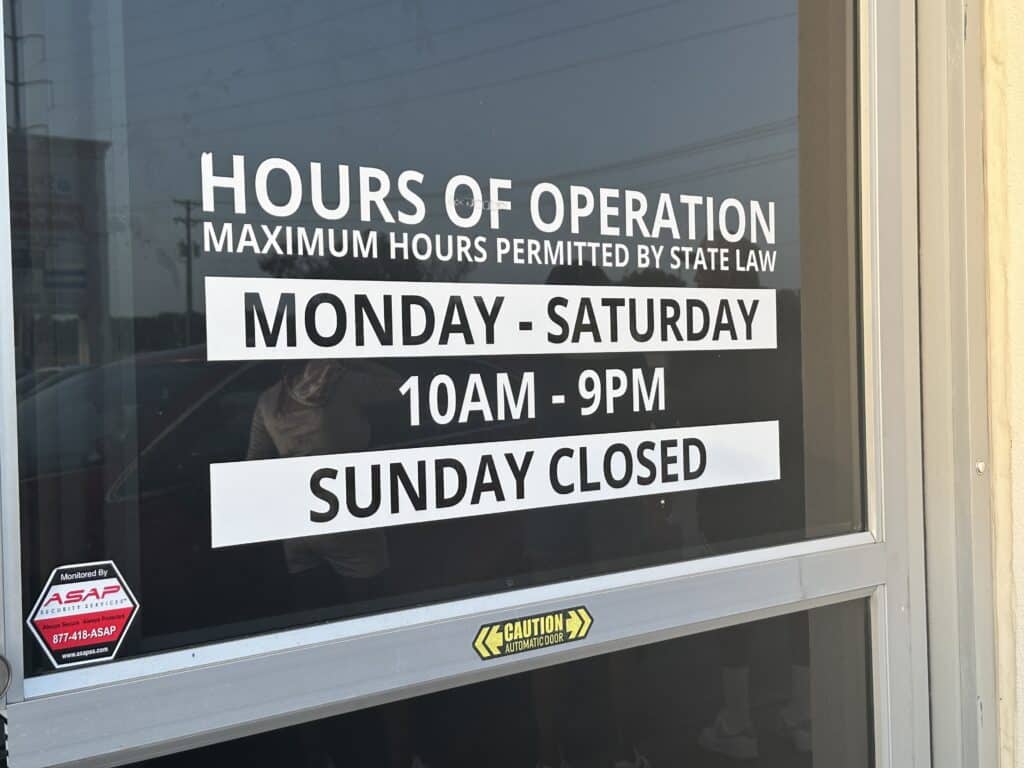
- No Sunday Liquor Sales: A small number of localities might still prohibit the sale of spirits on Sundays.
- Later Start Times for Spirits: While less common now, some areas might have a later start time for liquor sales compared to beer and wine, or restrict it to specific types of establishments like restaurants with liquor licenses.
The key takeaway here is that while the general trend is towards allowing Sunday sales of all alcoholic beverages, especially in larger urban centers, it is always prudent to verify. For instance, if you are planning to visit a more remote area or a town with a strong traditionalist leaning, a quick online search or a phone call to a local liquor store or the city hall can save you a trip.
The Role of Local Option Elections
The concept of “local option” is fundamental to understanding alcohol sales in Texas. It means that the residents of a specific county, or even a precinct within a county, can vote on whether to allow or prohibit the sale of alcoholic beverages. These elections can result in:
- Wet Areas: Alcohol sales are permitted.
- Dry Areas: Alcohol sales are prohibited.
- Damp Areas: Sales of certain types of alcohol (e.g., beer and wine) are permitted, but others (e.g., spirits) are not.
This system explains why you might find variations in alcohol availability across different parts of Texas. A city like Dallas or Fort Worth will likely have uniform and liberal Sunday sales laws, while a smaller county might have different rules, especially concerning liquor.
Practical Tips for Visitors
To ensure a smooth experience, especially when it comes to enjoying a drink on a Texas Sunday:
- Assume 10 AM (But Verify): For most major cities and tourist destinations, assume you can buy beer and wine starting at 10 a.m. on Sundays. This is a safe bet for places like Austin, Houston, San Antonio, and El Paso.
- Check Online: If you are visiting a smaller town or are uncertain, a quick search for “[Town Name] Sunday alcohol sales” can often yield results from local government websites or news articles.
- Call Ahead: The most reliable method for less common locations is to call the specific store or restaurant you plan to visit.
- Consider Your Accommodation: Many hotels offer their own bars or restaurants that may have different hours or licensing, allowing guests to enjoy drinks even if retail sales are restricted during certain times. Check the amenities of your chosen hotel, such as the Omni Barton Creek Resort & Spa in Austin, for their beverage service.
By understanding these regulations, visitors can better plan their itineraries, from attending a Sunday brunch at a local eatery in the Texas Hill Country to enjoying a relaxed evening at their hotel after a day of sightseeing. Texas’s approach to alcohol sales on Sundays is a testament to its evolving cultural landscape, balancing tradition with the demands of a dynamic, modern state.
Planning Your Texas Itinerary Around Sunday Sales
Understanding the timing of Sunday beer sales in Texas is more than just a logistical detail; it’s an integral part of planning a fulfilling travel itinerary. Whether you are aiming for a leisurely weekend brunch, stocking up for a barbecue at your rental home, or looking to unwind at a local brewery after a day of exploring, knowing when you can make your purchases can significantly smooth your journey.
Tailoring Weekend Activities
For travelers who appreciate a robust brunch experience, the 10 a.m. Sunday sales commencement is a welcome development. It means you can easily pick up your preferred beverages to enjoy with your meal, whether you’re at a café in a vibrant city like Austin or a charming town in the Texas Hill Country. Many restaurants and cafes will, of course, have their own beverage licenses and can serve alcohol during their operating hours, but having the option to purchase from retail outlets for consumption elsewhere adds another layer of flexibility.
If your travel plans involve outdoor activities, such as visiting one of Texas’s many state parks like Big Bend National Park or enjoying a picnic by Lake Travis, knowing the Sunday sales times allows you to prepare in advance. You can make your purchases in the morning, ensuring you have everything you need for a delightful outdoor excursion without encountering restrictions.
For those interested in the burgeoning craft beer scene, particularly in cities like San Antonio or Fort Worth, understanding these sales laws is also relevant. While breweries and taprooms can typically serve alcohol during their operating hours, knowing when retail sales commence can be useful if you wish to purchase cans or bottles to take home as souvenirs or for later enjoyment.
Accommodation and Beverage Services
When booking your accommodation, consider the on-site beverage services. Luxury hotels like the The Adolphus in Dallas or resorts such as La Cantera Resort & Spa often have bars and restaurants that are fully licensed to serve alcohol throughout their operating hours on Sundays, regardless of the retail sales schedule. This can be a convenient option if you prefer to stay on-site or if your accommodation is in an area with more restrictive local ordinances.
For those staying in vacation rentals or apartments, planning your grocery and beverage shopping accordingly is key. Making a stop at a grocery store or convenience store after 10 a.m. on Sunday is generally feasible in most urban and suburban areas. However, if you are in a more rural or less populated region, confirming the local rules beforehand is a wise step.

Embracing Local Culture and Regulations
The approach to Sunday alcohol sales in Texas is a microcosm of the state’s broader cultural identity – a blend of tradition, practicality, and evolving attitudes. While the “blue laws” of the past have largely faded, vestiges of their influence can still be seen in the local option elections and the occasional regional variation.
By arming yourself with this knowledge, you can navigate your Texas visit with greater ease and enjoyment. It allows you to fully immerse yourself in the experiences the state has to offer, from its rich history and diverse landscapes to its vibrant culinary and beverage scenes, without the minor inconvenience of unexpected legal limitations. So, when planning your next adventure in the Lone Star State, remember the simple question about Sunday beer sales, and you’ll find yourself well-prepared to savor every moment.
LifeOutOfTheBox is a participant in the Amazon Services LLC Associates Program, an affiliate advertising program designed to provide a means for sites to earn advertising fees by advertising and linking to Amazon.com. Amazon, the Amazon logo, AmazonSupply, and the AmazonSupply logo are trademarks of Amazon.com, Inc. or its affiliates. As an Amazon Associate we earn affiliate commissions from qualifying purchases.