
Nevada, a state synonymous with glittering casinos and vibrant nightlife, often conjures images of a sun-baked, arid landscape. While the popular perception of a desert state holds considerable truth, the reality of Nevada’s geography is far more nuanced and diverse than a simple “yes” or “no” might suggest. The state is indeed predominantly characterized by arid and semi-arid conditions, earning it the moniker “The Silver State” and, more colloquially, “The Desert State.” However, this broad classification belies a complex tapestry of ecosystems, from towering mountain ranges that receive significant snowfall to verdant valleys sustained by intricate irrigation systems.
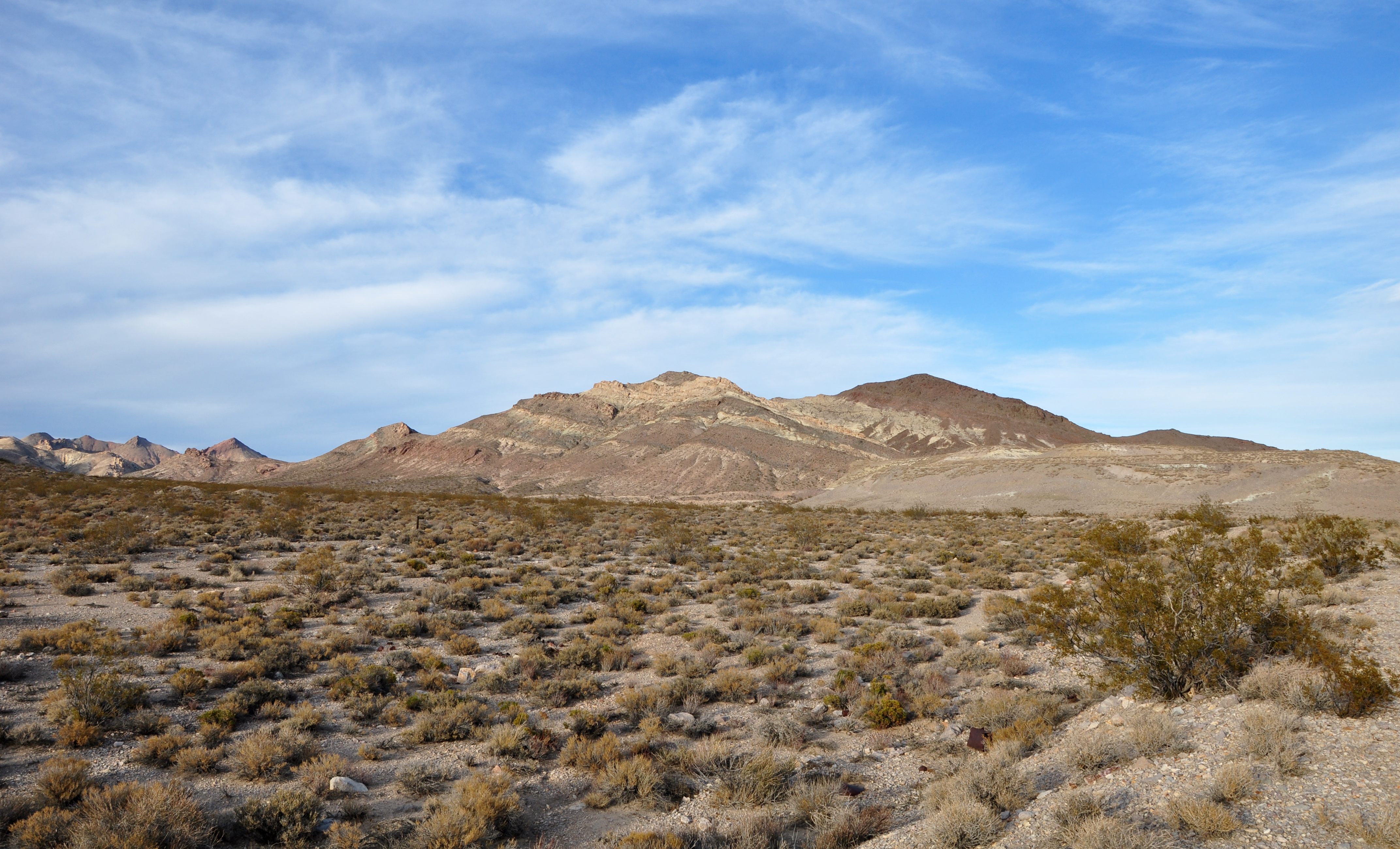
The Arid Heart of Nevada
The vast majority of Nevada falls within the Great Basin Desert, a unique North American desert characterized by its basin and range topography. This region is an interior drainage basin, meaning rivers and streams that originate here do not flow to the ocean but instead drain into inland playas or salt flats. The climate is defined by extreme temperature fluctuations, with scorching summers and frigid winters. Precipitation is scarce, typically averaging less than 10 inches annually across much of the state.
Defining Desert Environments
To understand Nevada’s desert classification, it’s crucial to define what constitutes a desert. Generally, a desert is an area that receives very little precipitation. However, this is not the sole defining factor. Temperature also plays a significant role. Deserts can be hot, like the Mojave Desert, which covers the southern tip of Nevada, or cold, like the Great Basin Desert. The Mojave Desert is known for its iconic Joshua trees, creosote bushes, and stark beauty, attracting visitors to areas like Valley of Fire State Park. The Great Basin Desert, conversely, experiences much colder winters and is characterized by sagebrush steppe, greasewood, and salt-tolerant grasses.
Iconic Desert Landscapes
Nevada’s deserts are not barren wastelands but vibrant ecosystems adapted to extreme conditions. The landscape is sculpted by wind and water erosion, creating dramatic geological formations. The iconic red rock formations of southern Nevada, such as those found in Red Rock Canyon National Conservation Area, are a testament to millions of years of geological activity and arid climate. These areas, while appearing stark, support a surprising array of plant and animal life, including desert tortoises, various reptiles, coyotes, and resilient desert wildflowers that bloom spectacularly after infrequent rains. The stark beauty of these landscapes has made them popular destinations for hikers, photographers, and nature enthusiasts seeking a unique outdoor experience.
Beyond the Arid Plains: Nevada’s Surprising Diversity
While the desert defines much of Nevada’s identity, the state’s topography is not uniformly arid. Significant portions of Nevada are mountainous, forming isolated ranges that rise dramatically from the desert floor. These mountains create microclimates that support different flora and fauna, often quite distinct from the surrounding lowlands.
The High Sierras and Other Mountain Ranges

The western edge of Nevada borders the formidable Sierra Nevada mountain range, a significant portion of which lies within California but has a substantial presence in Nevada. These mountains are home to snow-capped peaks, alpine meadows, and coniferous forests. During the winter months, these areas receive substantial snowfall, supporting winter sports and providing crucial water resources for the state through snowmelt. Cities like Reno and Lake Tahoe benefit directly from the proximity to these alpine environments.
Further inland, numerous isolated mountain ranges, known as “sky islands,” punctuate the desert landscape. These include the Ruby Mountains, the Toiyabe Range, and the Humboldt Range. These mountain ranges often harbor cooler temperatures, higher precipitation, and more abundant vegetation, including aspens, firs, and pines, supporting wildlife like mule deer, bighorn sheep, and various bird species. Hiking and exploring these mountain regions offer a stark contrast to the desert plains, providing opportunities for a different kind of Nevada adventure.
Waterways and Oasis Environments
Despite its arid reputation, Nevada is not devoid of water. The state is home to numerous rivers, lakes, and springs, many of which are vital oases in the desert environment. The Colorado River forms a significant portion of Nevada’s southeastern border and is the primary water source for the state, particularly for the city of Las Vegas and its surrounding metropolitan area. The Hoover Dam, an engineering marvel, harnesses the power of the Colorado River, creating the vast Lake Mead National Recreation Area, a popular destination for boating, fishing, and swimming.
Inland, natural lakes and rivers, though often ephemeral or subject to drought, contribute to the state’s ecological diversity. Pyramid Lake, a stunning saline lake located in northwestern Nevada, is a remnant of the ancient Lake Lahontan. It is renowned for its tufa formations and is a vital habitat for the endangered cui-ui fish. Springs and small oases can be found throughout the desert, supporting unique plant communities and providing critical watering holes for wildlife. These watery havens offer surprising pockets of lushness within the arid expanses.
Experiencing Nevada’s Dual Nature
Understanding Nevada as both a desert and a land of diverse landscapes unlocks a richer appreciation for its unique appeal. Travelers and residents alike can experience both the stark, captivating beauty of the desert and the refreshing embrace of mountainous and riparian environments.
Exploring the Mojave and Great Basin
For those drawn to the classic desert experience, southern Nevada offers unparalleled opportunities. Death Valley National Park, though largely in California, has significant portions within Nevada and is the lowest, driest, and hottest location in North America, offering a profound sense of desolation and awe. Closer to Las Vegas, Springs Preserve provides an educational and engaging look at the desert’s ecosystems and the history of human interaction with them. Driving through the vast expanses of the Great Basin, one can witness the resilience of life in extreme conditions, with endless horizons and a profound sense of solitude. The remote beauty of areas like the Great Basin National Park offers a glimpse into a truly wild and untamed landscape, with ancient bristlecone pines and Lehman Caves.
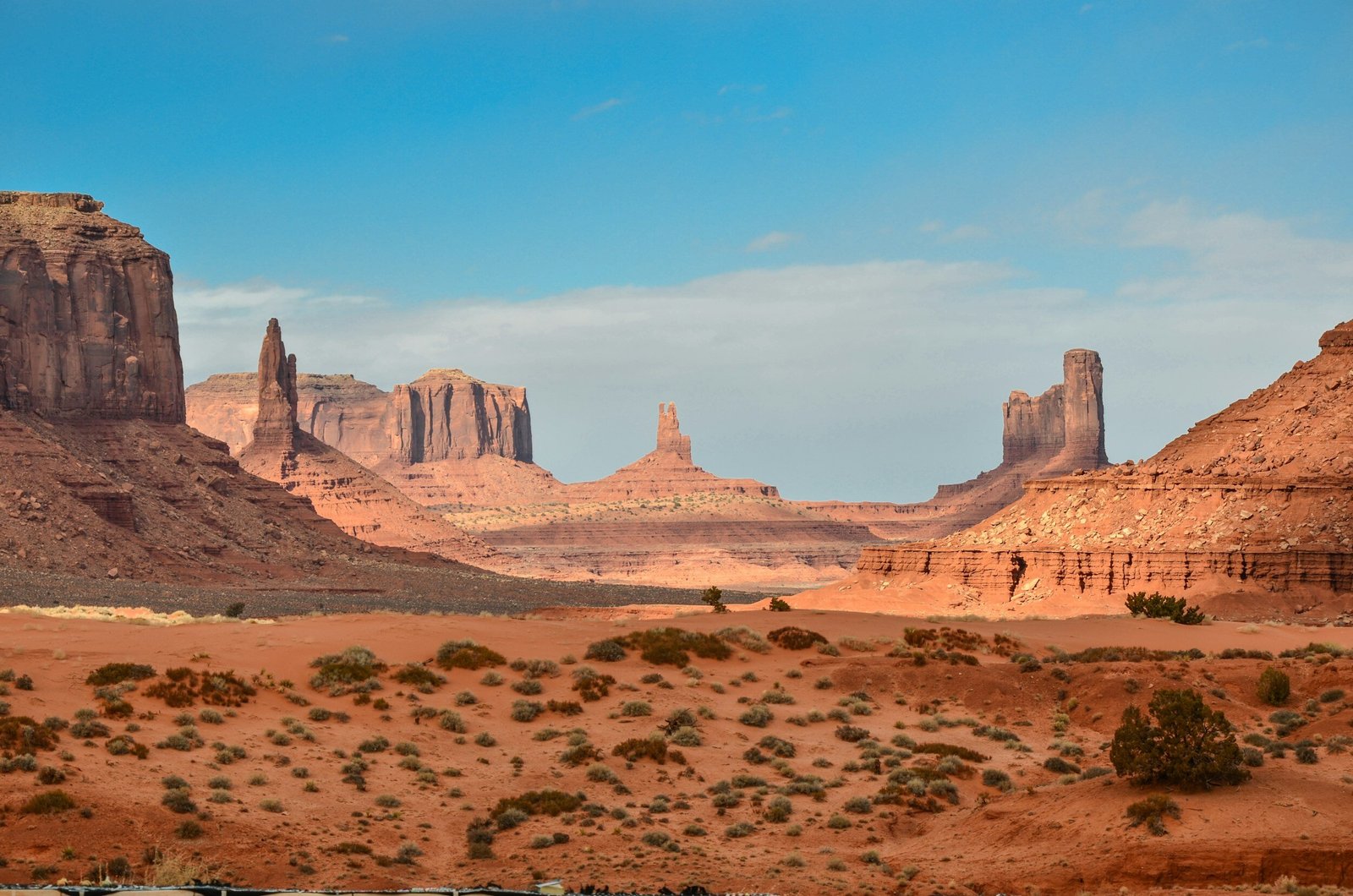
Adventures in the Mountains and by the Water
For those seeking a respite from the heat or a different kind of natural beauty, Nevada’s mountains and waterways beckon. The Tahoe Basin, straddling the Nevada-California border, is a world-renowned destination for outdoor recreation year-round, from skiing and snowboarding in the winter to hiking, boating, and swimming in the summer. The clarity and color of Lake Tahoe are legendary. Beyond Tahoe, exploring the mountain ranges offers opportunities for backcountry hiking, camping, and wildlife viewing. The rivers that flow through Nevada, though often modest in size, provide essential habitats and recreational opportunities, from fly-fishing to kayaking.
In conclusion, while the vast majority of Nevada’s landmass experiences arid or semi-arid conditions, classifying it solely as a “desert” simplifies its complex geographical reality. Nevada is a state of striking contrasts, where the stark beauty of the desert coexists with the grandeur of mountain ranges and the life-giving presence of water. This duality is precisely what makes Nevada such a compelling destination, offering a diverse range of experiences for those willing to look beyond the stereotypes.
LifeOutOfTheBox is a participant in the Amazon Services LLC Associates Program, an affiliate advertising program designed to provide a means for sites to earn advertising fees by advertising and linking to Amazon.com. Amazon, the Amazon logo, AmazonSupply, and the AmazonSupply logo are trademarks of Amazon.com, Inc. or its affiliates. As an Amazon Associate we earn affiliate commissions from qualifying purchases.