
The bustling financial landscape of Texas, home to major economic hubs like Houston and Dallas, often leads to inquiries about its integration with national and international financial markets. For individuals and businesses operating within the Lone Star State, understanding the operational hours of the stock market is crucial for strategic planning, investment decisions, and keeping abreast of global financial movements. While Texas has its own unique economic identity, its stock market participation is fundamentally tied to the established schedules of the primary United States exchanges. This article delves into the specifics of when the stock market opens in Texas, considering its relationship with the broader American financial system and the implications for those engaged in its activities.

The Unified Schedule of US Stock Exchanges
The notion of a distinct “Texas stock market opening time” is a misnomer. Like all other states within the contiguous United States, Texas adheres to the trading hours set by the major U.S. stock exchanges: the New York Stock Exchange (NYSE) and the Nasdaq Stock Market. These exchanges operate on Eastern Time (ET), which dictates the market’s opening and closing for all participants nationwide, including those in Texas.
Understanding Time Zones in Texas
Texas observes Central Standard Time (CST) during the fall and winter months and Central Daylight Time (CDT) during the spring and summer. The majority of the state falls within the Central Time Zone. This means that when the New York Stock Exchange opens at 9:30 AM ET, it is 8:30 AM CT in Texas. Similarly, the market’s closing at 4:00 PM ET corresponds to 3:00 PM CT in Texas.
- Central Standard Time (CST): UTC-6
- Central Daylight Time (CDT): UTC-5
The six-hour difference between Eastern Time and Pacific Time means that on the West Coast, the market opens at 6:30 AM PT and closes at 1:00 PM PT. However, for Texans, the time difference is a more manageable one hour.
Standard Trading Hours
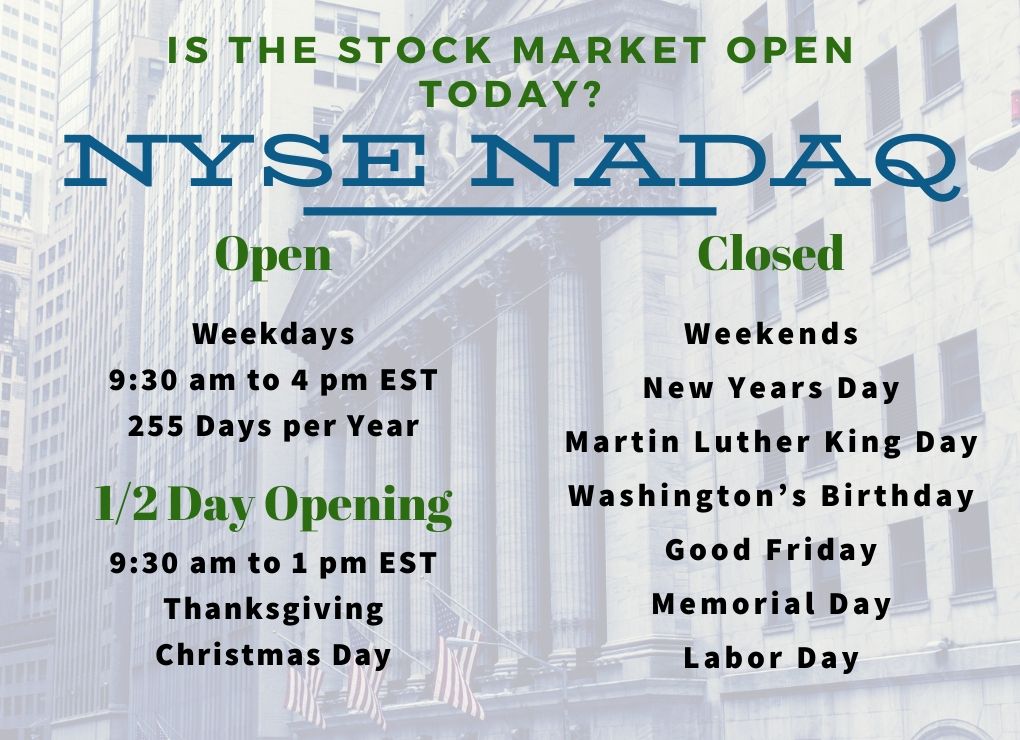
The standard trading session for both the NYSE and Nasdaq is from 9:30 AM to 4:00 PM Eastern Time (ET).
For those in Texas, this translates to:
- Opening Bell: 8:30 AM Central Time (CT)
- Closing Bell: 3:00 PM Central Time (CT)
This consistent schedule allows investors and traders across the United States to operate within a synchronized framework, ensuring fair and simultaneous access to market information and trading opportunities.
Pre-Market and After-Hours Trading
Beyond the regular trading hours, the stock market offers opportunities for trading before the official opening and after the official closing. These sessions, often referred to as pre-market and after-hours trading, cater to a different set of investors and market participants.
Pre-Market Trading
Pre-market trading typically begins as early as 4:00 AM ET for some brokers, with more significant activity starting around 7:00 AM ET. This period allows investors to react to overnight news, corporate earnings announcements, and global economic developments before the main market opens. For a Texan investor, this means pre-market trading could commence as early as 3:00 AM CT, with substantial activity beginning around 6:00 AM CT.
- Key characteristics of pre-market trading:
- Lower Liquidity: Fewer buyers and sellers are active, which can lead to wider bid-ask spreads and potentially more volatile price movements.
- Limited Order Types: Some order types may not be available or may be executed differently.
- Impact of News: Major economic data releases or significant company news occurring overnight can heavily influence pre-market prices.
After-Hours Trading
After the closing bell at 4:00 PM ET, the market continues to trade in the after-hours session, which usually runs until 8:00 PM ET. This period allows investors to react to news that emerges after the regular market closes, such as late-day earnings reports or significant corporate announcements. In Texas, the after-hours trading session would extend from 3:00 PM CT to 7:00 PM CT.
- Key characteristics of after-hours trading:
- Similar to Pre-Market: Also characterized by lower liquidity and potentially higher volatility compared to regular trading hours.
- Price Discovery: Can provide an early indication of market sentiment for the next trading day.
- Brokerage Differences: Availability and hours for after-hours trading can vary significantly between brokerage firms.
It is important for Texan investors to understand that while these extended trading sessions offer flexibility, they also come with increased risks due to lower liquidity and potentially wider price swings. Many retail investors choose to limit their trading to regular market hours for these reasons.
Market Holidays in Texas
Just as the market opens and closes according to ET, it also observes national holidays that are set by the U.S. Treasury and the Federal Reserve, in conjunction with the NYSE and Nasdaq. These holidays are generally observed nationwide, including in Texas. When a market holiday falls on a weekend, it is typically observed on the preceding Friday or the following Monday.
Key U.S. Stock Market Holidays
The most common holidays that result in the closure of U.S. stock exchanges include:
- New Year’s Day: January 1st
- Martin Luther King, Jr. Day: Third Monday in January
- Presidents’ Day: Third Monday in February
- Good Friday: The Friday before Easter Sunday
- Memorial Day: Last Monday in May
- Juneteenth National Independence Day: June 19th
- Independence Day: July 4th
- Labor Day: First Monday in September
- Thanksgiving Day: Fourth Thursday in November
- Christmas Day: December 25th
Texans, like all other Americans involved in the stock market, will find that trading is suspended on these days. It is advisable for anyone involved in financial planning or trading to consult an official calendar of U.S. stock market holidays to avoid any confusion or missed trading opportunities. The observance of these holidays reinforces the unified nature of the U.S. financial markets, irrespective of geographical location within the country. For instance, even though Galveston might have its own local events and rhythms, its participation in the national stock market aligns with the broader U.S. schedule.
Implications for Texas Businesses and Investors
Understanding the precise timings of the stock market is not just an academic exercise for Texans; it has tangible implications for the state’s vibrant economy. Texas is home to a significant number of publicly traded companies, ranging from energy giants in Midland and Odessa to technology firms in Austin and a diverse range of industries in San Antonio.
Strategic Investment and Trading
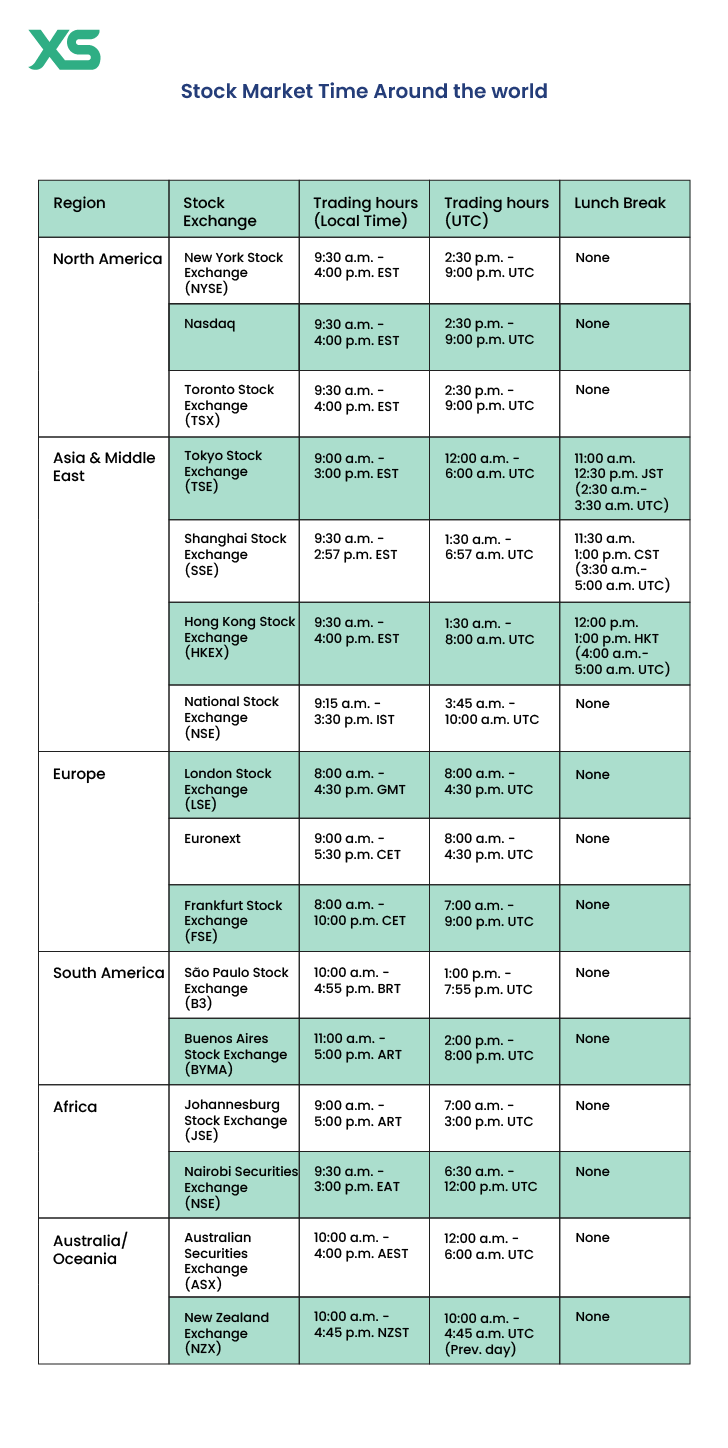
For individual investors in Texas, knowing the market opening at 8:30 AM CT allows them to structure their day, perhaps reviewing market news over breakfast or placing orders before beginning their work. This timing also affects how they might analyze international markets, which operate on different schedules. For example, a Texan investor looking at Asian markets would need to account for the significant time differences when interpreting overnight movements.
Corporate Financial Operations
Publicly traded companies headquartered in Texas must align their financial reporting and investor relations activities with the U.S. market schedule. Earnings announcements, investor calls, and other significant corporate communications are often timed to coincide with market openings or closings to maximize visibility and facilitate immediate market reaction. A company based in, say, Plano would need to be cognizant of this when scheduling their quarterly earnings calls, ensuring they are accessible to investors across various time zones, including their own local one.
Impact on Local Economic Activities
While the stock market’s schedule is national, its activity can ripple through local economies. The availability of capital, investor sentiment, and the performance of publicly traded companies all influence job creation, business expansion, and consumer spending within Texas. For example, a strong performance in the stock market might bolster confidence among local businesses, leading to increased investment in areas like The Woodlands or the Dallas-Fort Worth metroplex. Conversely, market downturns can create economic headwinds.
In conclusion, the question of “What time does the stock market open in Texas?” is answered by understanding that Texas operates on the unified schedule of the U.S. stock exchanges, which are based in Eastern Time. For Texans, this means the market opens at 8:30 AM Central Time and closes at 3:00 PM Central Time, with participation in pre-market, after-hours trading, and observance of national market holidays. This synchronization is fundamental to the functioning of financial markets across the United States and is a critical piece of knowledge for anyone participating in the investment and trading world within the dynamic economic landscape of Texas.
LifeOutOfTheBox is a participant in the Amazon Services LLC Associates Program, an affiliate advertising program designed to provide a means for sites to earn advertising fees by advertising and linking to Amazon.com. Amazon, the Amazon logo, AmazonSupply, and the AmazonSupply logo are trademarks of Amazon.com, Inc. or its affiliates. As an Amazon Associate we earn affiliate commissions from qualifying purchases.