
Understanding the snowfall patterns in Colorado is crucial for anyone planning a visit, whether you’re seeking pristine powder for skiing or clear trails for hiking. The answer to “When does it stop snowing?” is not a simple date, but rather a dynamic interplay of elevation, geography, and seasonal atmospheric conditions across one of America’s most climatically diverse states. While the peak of winter activity typically subsides by late March, snowfall can, and often does, extend well into spring and even kiss the highest peaks in summer. This guide delves into Colorado’s intricate weather tapestry, offering insights for every type of traveler.

Colorado’s Diverse Climates: More Than Just Mountains
Colorado is often synonymous with towering peaks and abundant snow, yet its landscape comprises several distinct climate zones, each with its own snowfall characteristics. These regional variations dictate not only when snow arrives and departs but also its quantity and quality.
The Majestic Rocky Mountains and High Country
The heart of Colorado’s winter wonder, the Rocky Mountains region, is where snow lingers longest. Elevations frequently exceed 9,000 feet, with many peaks soaring past 14,000 feet. Here, snow can begin falling as early as September and persist through May, with occasional dustings even in June or July at the very highest elevations. Resorts like Aspen, Vail, and Breckenridge capitalize on these extended seasons, offering some of the longest ski seasons in North America. The heavy, persistent snowfall in these areas is crucial for maintaining the deep snowpacks that feed rivers and reservoirs throughout the warmer months. Travelers exploring this region, especially on high mountain passes, must always be prepared for winter conditions, regardless of the calendar date, well into late spring.
The Front Range Urban Corridor
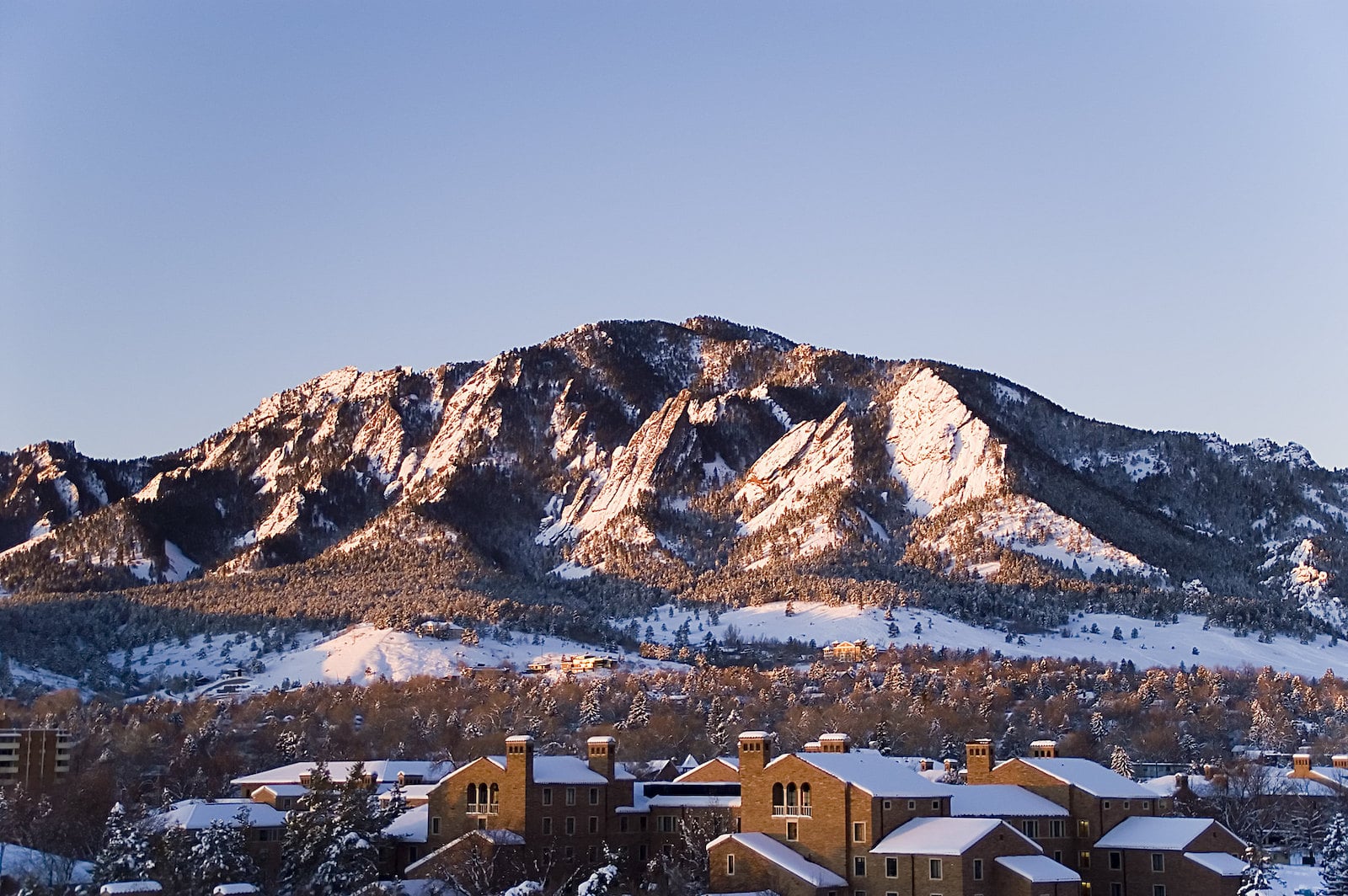
Stretching along the eastern base of the Rocky Mountains, the Front Range includes major cities like Denver, Boulder, and Colorado Springs. These areas experience a more moderate snow season compared to the high country. While winter brings regular snowfall, often accompanied by periods of rapid melting due to the “Chinook” winds, significant snowfalls typically taper off earlier here. By late March or early April, the likelihood of major accumulations diminishes significantly, though late-season storms are not uncommon. A “spring blizzard” in April can still dump a foot or more of snow, but it usually melts quickly. The transition to spring in the Front Range is marked by a blend of sunshine and intermittent, albeit less severe, snow.
The Arid Western Slope
West of the Continental Divide lies Colorado’s Western Slope, a region characterized by its high desert and mesa landscapes. Cities such as Grand Junction and Palisade receive considerably less snow than their eastern or mountainous counterparts. Snowfall here is generally lighter and melts faster, with the season typically concluding by late February or early March. While ski areas in the nearby San Juan Mountains or around Telluride will still be active, the lower elevations of the Western Slope often enjoy budding spring flowers while the peaks remain snow-capped. This region offers an earlier start to activities like cycling, hiking, and exploring the area’s vineyards.
Seasonal Snowfall Breakdown: A Traveler’s Timeline
To truly answer when snow stops in Colorado, it’s best to look at the progression through the seasons.
Autumn and Early Winter (October – December)
Snow’s arrival is a highly anticipated event in Colorado. In the high country, the first significant snowfalls often occur in October, sometimes even in late September. These early dustings get ski resorts preparing, and higher hiking trails may become impassable or require winter gear. By November, consistent snow begins to accumulate in the mountains, leading to many ski resort openings around Thanksgiving. The Front Range typically sees its first measurable snow in October or November, setting the stage for the colder months.
Peak Winter (January – February)
This is the zenith of Colorado’s snow season. January and February consistently deliver the deepest snowpacks and most reliable conditions for winter sports across the Rocky Mountains. Storm systems frequently roll through, blanketing the slopes with fresh powder. Even the Front Range cities receive substantial snowfall during these months, though the frequency of melting periods can vary. This period is ideal for travelers seeking a quintessential Colorado winter experience, from skiing and snowboarding to snowshoeing and ice skating.
Late Winter and Spring (March – May)
This is the critical period for “when it stops snowing.” March is often Colorado’s snowiest month, particularly in the mountains. Many resorts boast excellent conditions through March, with spring break crowds enjoying deep snow bases. However, as April arrives, a noticeable shift occurs.
- April: In the Front Range, major snowfalls become less frequent and typically melt within a day or two. Higher up in the mountains, April can still bring significant snowstorms, replenishing snowpacks and extending the ski season. Resorts like Arapahoe Basin and Loveland Ski Area are famous for staying open well into spring.
- May: By May, the Front Range is generally free of snow, with green grass and blooming flowers. In the mountains, however, particularly above 10,000 feet, snow continues to fall and accumulate. Hiking trails at lower elevations begin to open, but higher passes and peaks remain snow-bound, often requiring microspikes or snowshoes for passage. Rocky Mountain National Park’s iconic Trail Ridge Road, for instance, typically doesn’t fully open until late May or early June due to persistent snowdrifts.
Summer (June – August)
For most of Colorado, summer is a snow-free season. However, at the very highest elevations, particularly on north-facing slopes and in cirques, patches of snow can persist year-round. An early season cold front in June or July might even deliver a dusting to the highest 14,000-foot peaks, though it rarely lasts. For all practical purposes, by mid-June, Colorado’s lower and mid-elevations are enjoying warm, sunny, and snow-free conditions, ideal for summer outdoor activities.
Impact on Travel: Planning Your Colorado Adventure
The variable end to Colorado’s snow season has significant implications for travel planning.
Winter Sports Enthusiasts
For those seeking skiing, snowboarding, or other winter activities, aiming for mid-January through March offers the most reliable snow conditions. While November and December provide early season fun, and April extends the season for many, these peak months guarantee the best experience. Always check individual resort opening and closing dates, as they can vary based on snowfall.
Spring and Shoulder Season Explorers
April and May are shoulder months, offering a unique blend of conditions. You might be able to ski in the morning and mountain bike in the afternoon, or witness blooming wildflowers in the valleys while snow-capped peaks loom overhead. This is an excellent time for budget-conscious travelers as crowds thin and prices for accommodations often drop. However, be prepared for unpredictable weather; pack layers and check forecasts diligently. Some higher elevation roads and trails will still be closed, so flexibility is key. For instance, planning a visit to Mesa Verde National Park in the Four Corners region to explore ancient Anasazi cliff dwellings might be snow-free in April, while a drive over Independence Pass near Aspen will still be impossible.
Summer Hikers and Sightseers
For high-altitude hiking, camping, and scenic drives over mountain passes, late June through September is the prime window. By this time, most significant snow has melted, and trails are clear. This is when attractions like Trail Ridge Road in Rocky Mountain National Park are fully accessible, offering breathtaking views. Even then, an early summer hike to a high-alpine lake might reveal lingering snowfields. Always consult local trail reports and road conditions, especially from resources like the Colorado Department of Transportation, before heading out.
The Allure of Colorado’s Spring Transition
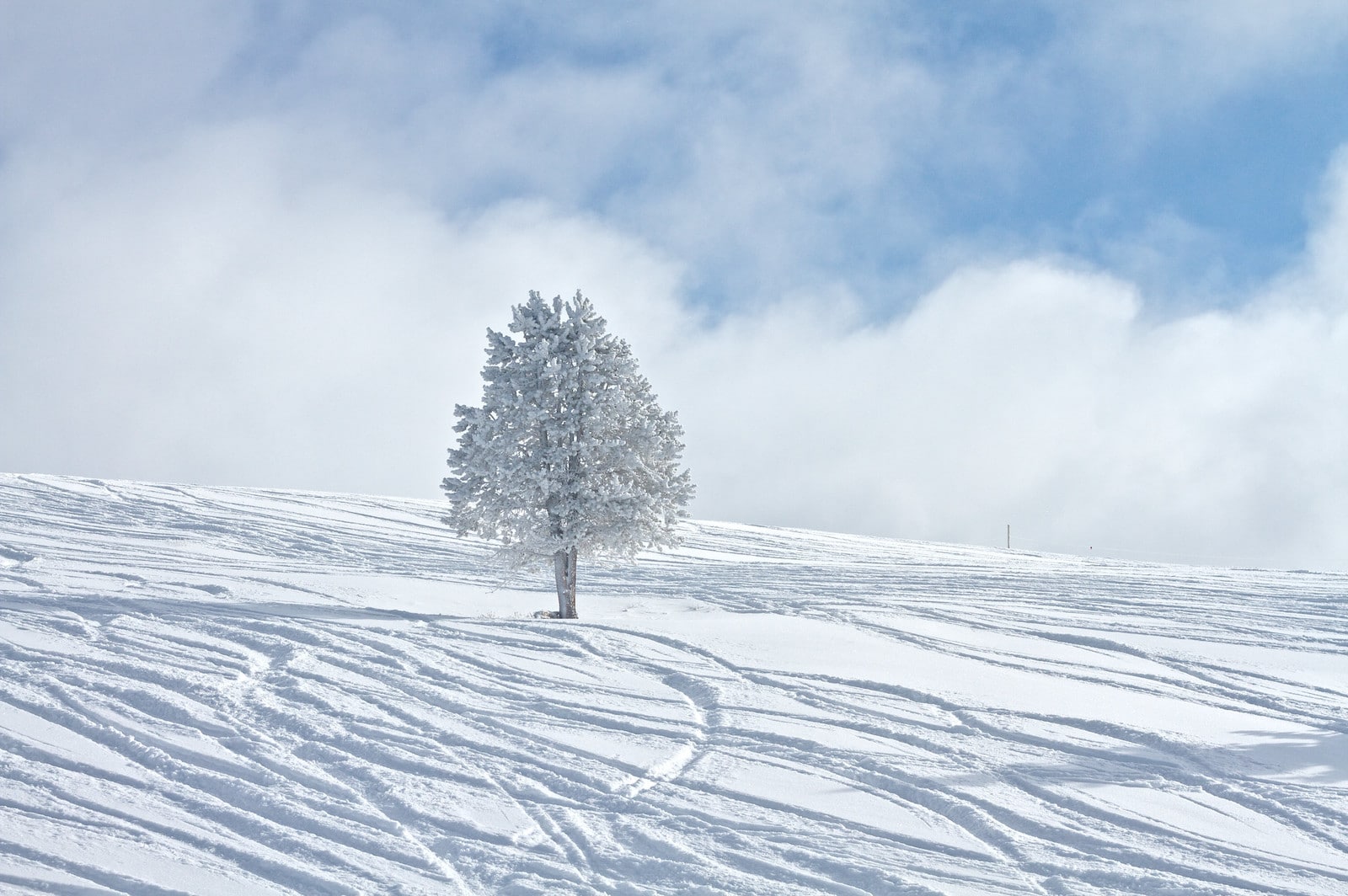
The period when Colorado transitions from winter to spring is arguably one of its most beautiful and dynamic times. The melting snowpack rejuvenates the landscape, filling rivers and creating spectacular waterfalls. Aspen trees, once bare, begin to bud, and the first wildflowers emerge in the lower elevations, creating a vibrant contrast against the still-white peaks. This “shoulder season” offers unique opportunities for photography, wildlife viewing (as animals become more active), and experiencing the state without the peak season crowds. It’s a time of transformation, where the promise of summer slowly but surely overtakes the lingering embrace of winter.
In summary, while the bulk of Colorado’s snow season largely concludes by late March or early April in the lower elevations, the high country can see snow persist well into May and sometimes even later. Planning your visit with these regional and seasonal nuances in mind will ensure you experience the best of what this magnificent state has to offer, whatever your adventure may be.
LifeOutOfTheBox is a participant in the Amazon Services LLC Associates Program, an affiliate advertising program designed to provide a means for sites to earn advertising fees by advertising and linking to Amazon.com. Amazon, the Amazon logo, AmazonSupply, and the AmazonSupply logo are trademarks of Amazon.com, Inc. or its affiliates. As an Amazon Associate we earn affiliate commissions from qualifying purchases.