
Navigating the consumption laws of any region is a crucial aspect of experiencing its local culture and hospitality. For travelers to the great state of Texas, understanding the nuances of when and where alcoholic beverages, specifically beer, can be purchased is key to a seamless and enjoyable visit. This guide delves into the specific regulations surrounding beer sales in the Lone Star State, offering insights that go beyond mere legality, touching upon the social fabric and consumer experiences tied to these time restrictions.
Understanding Texas Alcohol Laws: The Foundation
The laws governing the sale of alcohol in Texas are often referred to collectively as the “Alcoholic Beverage Code.” These regulations are designed to balance public safety, economic interests, and the ability of adults to legally purchase and consume alcohol. For beer, the primary considerations revolve around the type of establishment selling it and the day of the week.
The “Blue Laws” and Their Evolution
Historically, many states, including Texas, operated under “blue laws,” which restricted commercial activities, including alcohol sales, on Sundays and often during specific hours on other days. While many of these restrictions have been relaxed over time, their legacy still influences current laws. In Texas, the most significant remaining vestige of these laws pertains to Sunday sales, but the daily hours of operation are also subject to state-wide mandates.
Dry vs. Wet Counties and Cities
A significant layer of complexity in Texas alcohol laws is the concept of “dry” and “wet” jurisdictions. Each county and, in some cases, each city within a county, has the ability to vote on whether to prohibit or permit the sale of alcohol. This means that while state law dictates the times beer can be sold, local option elections determine if it can be sold at all.
- Wet Jurisdictions: In these areas, beer sales are generally permitted, subject to state and local licensing and time regulations. Most major metropolitan areas and tourist destinations in Texas are wet.
- Dry Jurisdictions: In these areas, the sale of beer, and often other alcoholic beverages, is prohibited. This can mean no sales at all, or sometimes, only sales of low-alcohol content beverages. It is imperative for visitors to check the status of a particular county or city if they are traveling to more rural or conservative areas of the state.
Daily Beer Sales Hours in Texas
State law sets the general framework for when beer can be sold for off-premise consumption (like at a liquor store or grocery store) and for on-premise consumption (like at a bar or restaurant).
Monday through Saturday Sales
From Monday morning through Saturday night, licensed establishments in wet jurisdictions are permitted to sell beer between the hours of 7:00 AM and 2:00 AM the following morning. This provides a wide window for consumers to purchase beer throughout the day and into the late night.
- Retail Stores: Grocery stores, convenience stores, and dedicated liquor stores can sell beer for off-premise consumption during these hours.
- Bars and Restaurants: Establishments licensed for on-premise consumption can serve beer to patrons from 7:00 AM until 2:00 AM. It is important to note that last call may be slightly before 2:00 AM, as establishments need time to close out tabs and usher patrons out.
Sunday Beer Sales: A Special Case
Sunday is where the most significant restriction, a remnant of the old blue laws, comes into play. In Texas, the sale of beer for both off-premise and on-premise consumption is generally prohibited on Sundays until 12:00 PM (noon).
- Morning Restrictions: From midnight on Sunday until noon, no beer can be sold. This means that even if a bar or restaurant opens at 10:00 AM, they cannot legally serve beer until noon. Similarly, convenience stores and grocery stores must wait until noon to begin selling beer.
- Post-Noon Sales: Once noon arrives, the hours revert to the standard 2:00 AM closing time. So, from 12:00 PM on Sunday until 2:00 AM on Monday morning, beer sales are permitted in wet jurisdictions.
Exceptions and Nuances
While the 7:00 AM to 2:00 AM (and the Sunday noon start) are the statewide general rules, there are some important exceptions and nuances to consider:
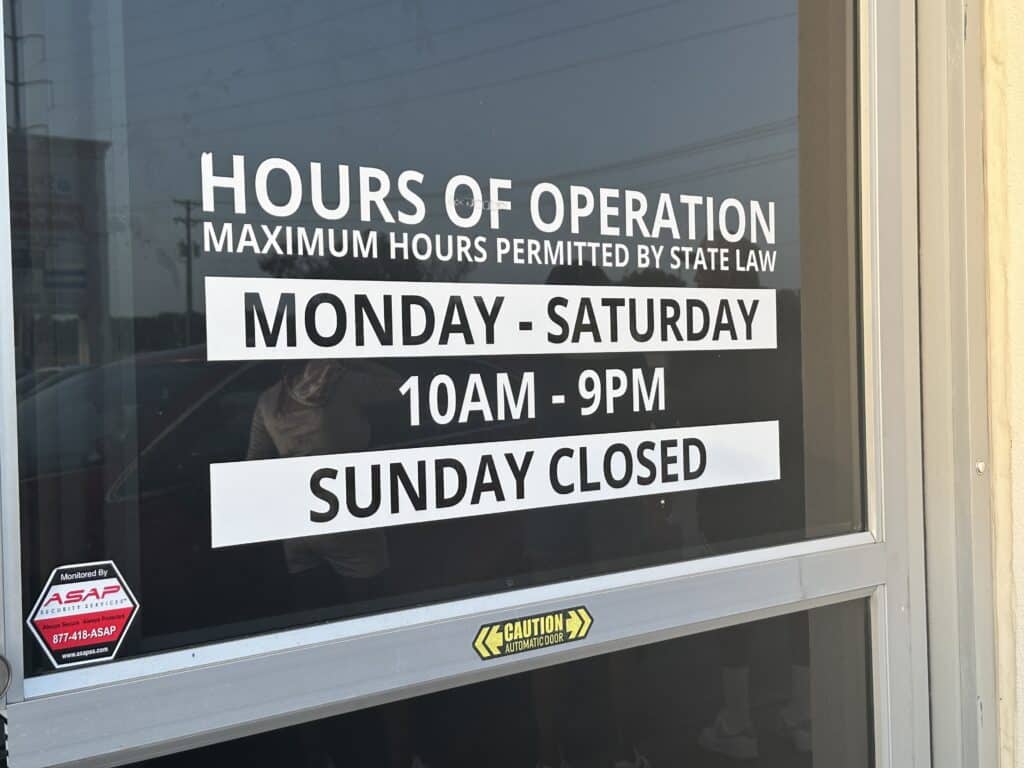
- Local Ordinances: While the state sets the maximum hours, cities and counties can impose stricter hours. For instance, a particular city might decide to end beer sales at 11:00 PM on weekdays, even though state law allows until 2:00 AM. It is always wise to check local regulations, especially in smaller towns.
- Type of License: The specific type of liquor license an establishment holds can also influence sales. For example, some licenses might permit the sale of wine and beer but not hard liquor, affecting the broader range of alcoholic beverages available. However, for beer specifically, the time restrictions are generally uniform across most retail and on-premise licenses.
- Special Events: In rare instances, special event permits might allow for modified hours, but these are not typical for everyday consumer purchases.
- New Year’s Eve: When New Year’s Eve falls on a Sunday, the laws can be slightly complex. Generally, the Sunday restrictions (no sales until noon) apply, but because the holiday extends into the next day, sales can continue later than the usual 2:00 AM on the night of January 1st, depending on specific interpretations and local rules.
Practical Implications for Travelers in Texas
For tourists and visitors, these time restrictions translate into practical considerations for planning outings and ensuring they can enjoy local brews responsibly.
Planning Your Brewery and Bar Visits
If your itinerary includes visiting a craft brewery in Austin or enjoying a happy hour in Dallas, keeping the Sunday noon start time in mind is essential. A leisurely Sunday brunch at a restaurant offering local beers might need to wait until after lunch, or you might choose to enjoy non-alcoholic beverages or other culinary delights before noon.
Purchasing Beer for Your Hotel Room
For those staying in a hotel and wishing to have a beer in their room, either from a hotel bar or a purchased one from a local store, the same time restrictions apply. Off-premise sales at grocery or convenience stores will not be available before noon on Sundays. This might influence your morning shopping plans if you’re aiming for a relaxing afternoon in your hotel suite or villa.
Understanding “Last Call”
While the law permits sales until 2:00 AM, many establishments will announce “last call” at various points before that to manage operations. Typically, last call might be around 1:30 AM or even earlier, especially on slower nights. It’s always best to inquire with your server or bartender about their specific last call policy if you intend to have a drink close to closing time.
Regional Differences to Note
While this article covers state-wide generalities, remember the impact of local option elections. If you’re venturing into smaller towns or more rural parts of Texas, it is highly advisable to confirm the alcohol sales status and hours beforehand. Some remote areas might still be dry, or have significantly different hours than what you’d find in a major city like Houston or San Antonio.
Conclusion: Enjoying Texas Responsibly
The time restrictions for beer sales in Texas are a blend of historical tradition and modern regulation. For visitors, understanding these rules – particularly the 7:00 AM to 2:00 AM window on most days and the noon start on Sundays – is key to a smooth and enjoyable experience. By being aware of these regulations and the potential for local variations, you can confidently plan your culinary and social activities, ensuring you can savor the diverse beer offerings of the Lone Star State without any legal hitches. Whether you’re exploring the vibrant nightlife of Austin, enjoying a sunset in West Texas, or simply relaxing after a day of exploring Texas landmarks, a little knowledge goes a long way in ensuring a fantastic trip.
LifeOutOfTheBox is a participant in the Amazon Services LLC Associates Program, an affiliate advertising program designed to provide a means for sites to earn advertising fees by advertising and linking to Amazon.com. Amazon, the Amazon logo, AmazonSupply, and the AmazonSupply logo are trademarks of Amazon.com, Inc. or its affiliates. As an Amazon Associate we earn affiliate commissions from qualifying purchases.