
The allure of the American West is undeniable, with its vast landscapes, iconic cities, and unique cultural tapestries. For many travelers, a journey connecting the dazzling lights of Las Vegas to the serene beauty of Salt Lake City is a popular route, offering a compelling contrast between two distinct yet equally captivating destinations. Understanding the distance between these two major hubs is fundamental for planning an efficient and enjoyable road trip, flight, or even a bus journey. This guide delves into the specifics of this notable inter-state passage, exploring the various ways to traverse the approximately 420-mile (676-kilometer) expanse that separates Nevada’s entertainment capital from Utah’s mountainous heart.
Understanding the Journey: Distance and Travel Times
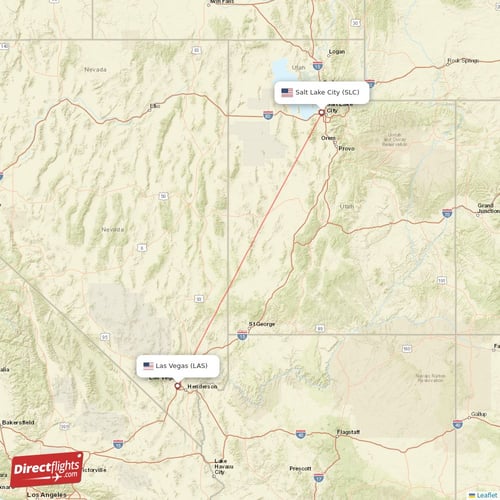
The direct distance between Las Vegas and Salt Lake City is approximately 420 miles (676 kilometers). However, the actual travel time can vary significantly depending on the mode of transportation chosen and prevailing conditions. This segment of the Western United States offers diverse terrain, from the arid desert landscapes of Nevada to the more mountainous and plateau regions of Utah, influencing driving speeds and potential scenic detours.
By Car: The Open Road Adventure
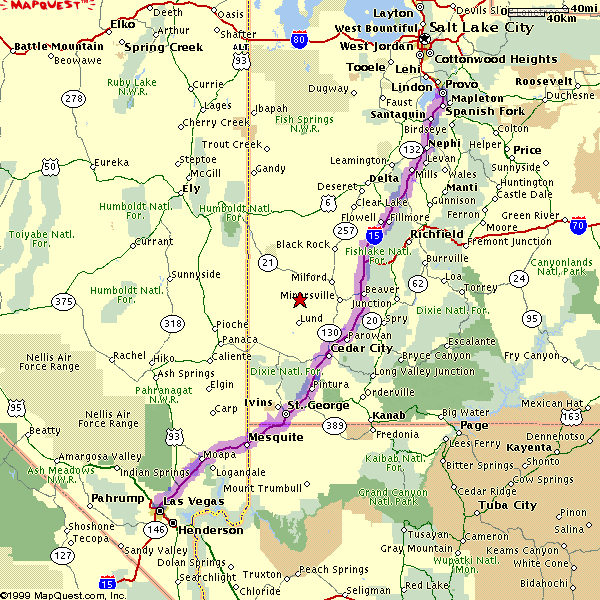
Embarking on a road trip between Las Vegas and Salt Lake City is a quintessential American travel experience. The most common route utilizes Interstate 15 (I-15) for the vast majority of the journey. This interstate highway is well-maintained and offers a direct path, making it the most efficient way to drive between the two cities.
Estimated Driving Time:
Under ideal conditions, the drive can take approximately 6 to 7 hours. This estimate assumes minimal traffic, no significant construction delays, and only brief stops for fuel or quick breaks.
Factors Affecting Driving Time:
- Traffic: Las Vegas can experience significant traffic congestion, especially during peak hours, weekends, and major events like conventions or holidays. Similarly, Salt Lake City can have heavier traffic around its downtown core and during rush hour.
- Weather: While the route is generally clear year-round, winter months can bring challenging weather conditions, particularly in the higher elevations of Utah. Snowfall and icy roads can slow down travel considerably, and in extreme cases, I-15 might experience temporary closures. Travelers during winter should always check road conditions before departing.
- Construction: Road construction is a common occurrence on major interstates and can cause delays. It’s advisable to check for any ongoing projects along I-15 prior to departure.
- Stops: The estimated driving time does not account for extended stops. A comfortable road trip often includes stops for meals, to stretch your legs, or to enjoy a brief sight along the way. Popular stopping points include St. George, Utah, a charming city known for its red rock scenery and family-friendly attractions, or even Cedar City, a gateway to some of Utah’s most spectacular national parks.
Recommended Route:
The most direct and recommended route is to take I-15 North from Las Vegas. This highway will take you directly into Salt Lake City, passing through a significant portion of southern and central Utah.
By Air: The Fastest Connection
For those prioritizing speed and efficiency, flying is the most practical option. Both Las Vegas and Salt Lake City have major airports that serve a multitude of commercial airlines.
Airports:
- McCarran International Airport (LAS) in Las Vegas.
- Salt Lake City International Airport (SLC) in Salt Lake City.
Flight Duration:
The actual flight time between these two cities is remarkably short, typically around 1 hour and 15 minutes to 1 hour and 30 minutes.
Total Travel Time:
While the flight itself is brief, it’s crucial to factor in the entire airport experience. This includes:
- Travel to the airport.
- Check-in and security procedures.
- Boarding time.
- Deplaning.
- Baggage claim (if applicable).
- Travel from the destination airport to your final destination in Salt Lake City.
Considering these factors, the total door-to-door travel time for a flight can range from 4 to 6 hours, making it comparable to driving for some, but significantly faster if you consider the actual time spent in transit.
By Bus: A Budget-Conscious Alternative
For travelers seeking a more economical option, bus services offer a viable way to travel between Las Vegas and Salt Lake City. Several bus companies operate routes on this corridor, providing a more relaxed, albeit longer, journey.
Estimated Bus Travel Time:
Bus journeys on this route typically range from 8 to 10 hours, sometimes longer depending on the number of stops and the specific route taken by the bus company.
Advantages of Bus Travel:
- Cost-Effective: Buses are generally the most affordable mode of transportation for this route.
- Relaxation: Passengers can relax, read, watch movies, or sleep without the stress of driving.
- Scenic Views: While I-15 is the primary route, buses may offer different vantage points than a personal vehicle.
Considerations for Bus Travel:
- Duration: The extended travel time requires a commitment from the traveler.
- Comfort: While modern buses are increasingly comfortable, space can be limited compared to personal vehicles.
- Stops: Bus routes often include multiple stops, which can extend the overall journey time.
Planning Your Trip: Considerations and Tips
Whether you choose to drive, fly, or take a bus, effective planning is key to a smooth and enjoyable transition from the neon glow of Las Vegas to the mountain vistas of Salt Lake City.
Best Time to Travel
The best time to travel between these two cities depends largely on your preferences and tolerance for weather conditions.
- Spring (April-May) and Fall (September-October): These shoulder seasons generally offer pleasant weather for driving, with moderate temperatures and fewer crowds. The landscapes are often at their most beautiful, with spring wildflowers or vibrant autumn foliage in certain areas.
- Summer (June-August): Summers can be very hot, particularly in Las Vegas and southern Utah. While manageable, driving during the hottest parts of the day can be uncomfortable. Air travel is generally unaffected by heat.
- Winter (November-March): Winter travel can be beautiful but requires caution, especially if driving. Snowfall can impact road conditions in Utah, potentially leading to delays or closures. Flying remains a reliable option, though flight schedules can sometimes be affected by winter storms.
Preparing for the Drive
If you opt for a road trip, several preparations will enhance your experience:
- Vehicle Check: Ensure your vehicle is in good working order, with checked tires, fluids, and brakes.
- Navigation: A reliable GPS device or smartphone app is essential. Download offline maps in case of spotty cell service.
- Supplies: Pack plenty of water, snacks, and consider a first-aid kit. The desert environment can be unforgiving.
- Rest: Plan for adequate rest stops. Consider breaking the drive into two days if you prefer a more leisurely pace, perhaps with an overnight stay in St. George.
Preparing for Air Travel
When flying, booking in advance can often secure better fares. Consider the proximity of the airport to your starting and ending points and arrange transportation accordingly. Look for direct flights to minimize travel time and potential for missed connections.
Exploring Along the Way
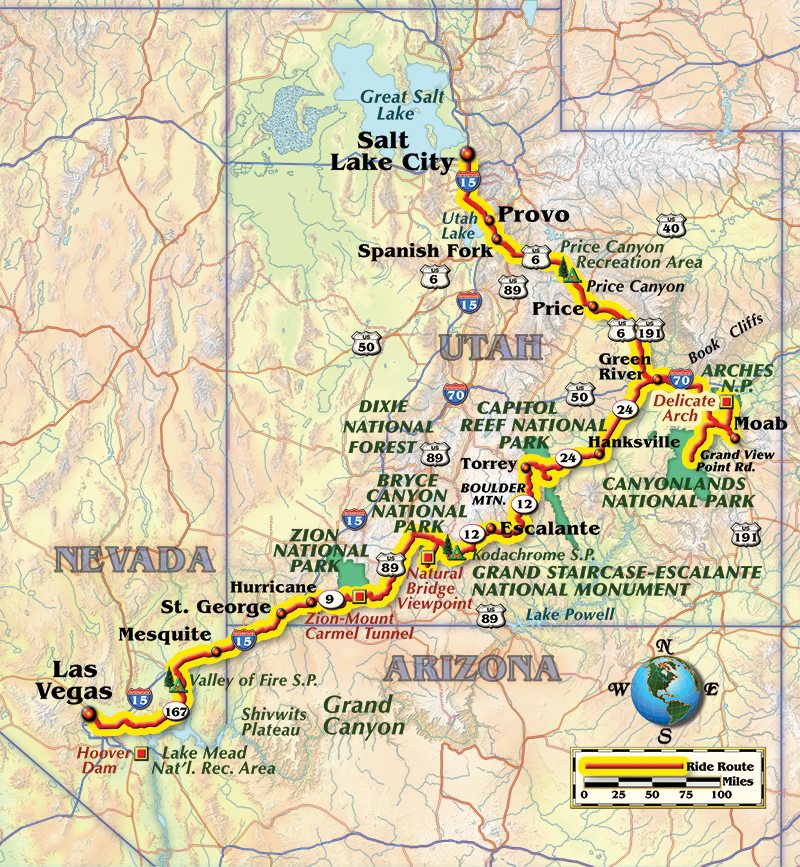
The route between Las Vegas and Salt Lake City is more than just a transit corridor; it’s an opportunity to experience diverse landscapes and attractions.
Southern Utah’s Natural Wonders
- Zion National Park: A slight detour off I-15, Zion National Park is a jewel of the National Park Service, renowned for its towering sandstone cliffs, narrow canyons, and emerald pools. It’s an ideal stop for hikers and nature enthusiasts.
- Bryce Canyon National Park: Further east of Zion, Bryce Canyon National Park is famous for its unique hoodoos, geological formations that create an otherworldly landscape.
- Coral Pink Sand Dunes State Park: Located near Kanab, Utah, this park offers stunning vistas of vibrantly colored sand dunes.
Nevada’s Desert Charm
While the majority of the journey is in Utah, the Nevada portion offers its own stark beauty. The drive through the vast desert landscapes provides a sense of immense scale and solitude. Consider a brief stop in Mesquite, Nevada, for a break before entering Utah.
Arriving in Salt Lake City
Upon arrival in Salt Lake City, you’ll find a city rich in history, culture, and outdoor recreation. It’s the vibrant capital of Utah, nestled against the majestic backdrop of the Wasatch Mountains.
Key Attractions in Salt Lake City:
- Temple Square: The historic heart of the Church of Jesus Christ of Latter-day Saints, featuring the iconic Salt Lake Temple, Tabernacle, and Conference Center.
- Great Salt Lake: The largest saltwater lake in the Western Hemisphere, offering unique ecological and recreational opportunities.
- Natural History Museum of Utah: A premier institution showcasing the geological and cultural history of the region.
- Hogle Zoo: A popular family destination with a wide array of animals.
- Ski Resorts: Salt Lake City is famously known as “Ski City” due to its proximity to world-class ski resorts like Snowbird, Alta, Park City, and Deer Valley.
Understanding the distance from Las Vegas to Salt Lake City is more than just a geographical fact; it’s the first step in appreciating the diverse travel experiences available between these two compelling Western American destinations. Whether you seek the thrill of the open road, the efficiency of air travel, or the economy of bus transit, this journey offers a seamless transition into the heart of the Intermountain West.
LifeOutOfTheBox is a participant in the Amazon Services LLC Associates Program, an affiliate advertising program designed to provide a means for sites to earn advertising fees by advertising and linking to Amazon.com. Amazon, the Amazon logo, AmazonSupply, and the AmazonSupply logo are trademarks of Amazon.com, Inc. or its affiliates. As an Amazon Associate we earn affiliate commissions from qualifying purchases.