
As the sun dips below the horizon, painting the skies of San Antonio, Texas with hues of orange, pink, and purple, one can’t help but appreciate the magic of a Texas sunset. For residents and visitors alike, understanding the timing of this daily spectacle is not just about knowing when to pull out your camera; it’s an invitation to engage with the rhythm of the city, to plan evening activities, and to simply savor a moment of natural beauty. Whether you’re looking to catch the golden hour for a memorable photograph, time your stroll along the River Walk, or simply enjoy a peaceful evening on a rooftop bar, knowing the precise sunset time is essential.

San Antonio, nestled in the heart of South Texas, experiences a range of sunset times throughout the year, influenced by the Earth’s axial tilt and its orbit around the sun. These variations are most pronounced between the summer solstice, when days are longest and sunsets occur latest, and the winter solstice, when days are shortest and the sun sets earliest. Understanding these seasonal shifts allows for better planning of any outdoor adventure, from early evening dining to late-night explorations of the city’s vibrant nightlife.
Understanding the Factors Influencing Sunset
The precise moment of sunset is a scientifically determined event, calculated based on several astronomical and geographical factors. While general trends are predictable, minor variations can occur due to atmospheric conditions.
Astronomical Influences
The primary driver of sunset times is the Earth’s rotation and its tilt on its axis, combined with its revolution around the sun. As the Earth spins, different parts of the planet face away from the sun, creating the phenomenon of day and night. The angle of the Earth’s tilt, approximately 23.5 degrees, is responsible for the changing lengths of days and nights throughout the year, leading to the distinct seasons.
During the summer months in the Northern Hemisphere, the Earth is tilted towards the sun, resulting in longer daylight hours and later sunsets. Conversely, in winter, the Northern Hemisphere is tilted away from the sun, leading to shorter days and earlier sunsets. The geographical location of San Antonio also plays a role. Its latitude determines the angle at which the sun appears to set and the length of twilight.
Geographical Location and Latitude
San Antonio is situated at approximately 29.42 degrees North latitude. This position means it is in the temperate zone, experiencing distinct seasonal changes in daylight hours. The further north or south a location is from the equator, the more pronounced the seasonal variations in sunset times will be. For example, sunset times in San Antonio will differ significantly from those in cities like Miami, Florida (closer to the equator) or Seattle, Washington (further north).
Atmospheric Refraction
It’s also worth noting that what we perceive as sunset is technically when the upper limb of the sun disappears below the horizon. However, the Earth’s atmosphere acts like a lens, bending the sun’s rays. This atmospheric refraction makes the sun appear slightly higher in the sky than it actually is. This phenomenon means that we can still see the sun for a few minutes after it has geometrically set. The degree of refraction can vary with atmospheric conditions like temperature and humidity, leading to very slight, often imperceptible, changes in the observed sunset time.
Sunset Times Throughout the Year in San Antonio
The ebb and flow of sunset times in San Antonio, Texas offer a beautiful way to track the passage of the year. From the lingering light of summer evenings to the early descent of darkness in winter, each season presents a unique rhythm.
Summer Solstice and Longest Days
Around June 20th or 21st, San Antonio experiences the summer solstice, marking the longest day of the year. On this date, sunset typically occurs quite late, often around 8:30 PM or even a few minutes past. This extended daylight provides ample opportunity for evening activities. Imagine enjoying an extended dinner on a patio overlooking the San Antonio River, or taking a leisurely evening boat tour. The prolonged twilight allows for a gradual transition from day to night, with the sky often remaining lit for a significant period after the sun has dipped below the horizon. This is the season for al fresco dining at establishments like Mi Tierra Cafe & Bakery or enjoying a rooftop cocktail at a place like Paramour Bar.
Autumnal Equinox and Transition
As summer wanes and autumn begins around September 22nd or 23rd, the autumnal equinox signifies a period of balance, where day and night are roughly equal in length. Sunset times in San Antonio begin to shift earlier, moving from the late evening hours towards the early evening. This transition period, from late September through October, offers a pleasant climate for exploring the city’s historic sites like the Alamo or enjoying outdoor festivals as the heat of summer recedes. The sunsets are often dramatic during this time, with vibrant colors as the cooler air mixes with lingering warmth.
Winter Solstice and Shortest Days
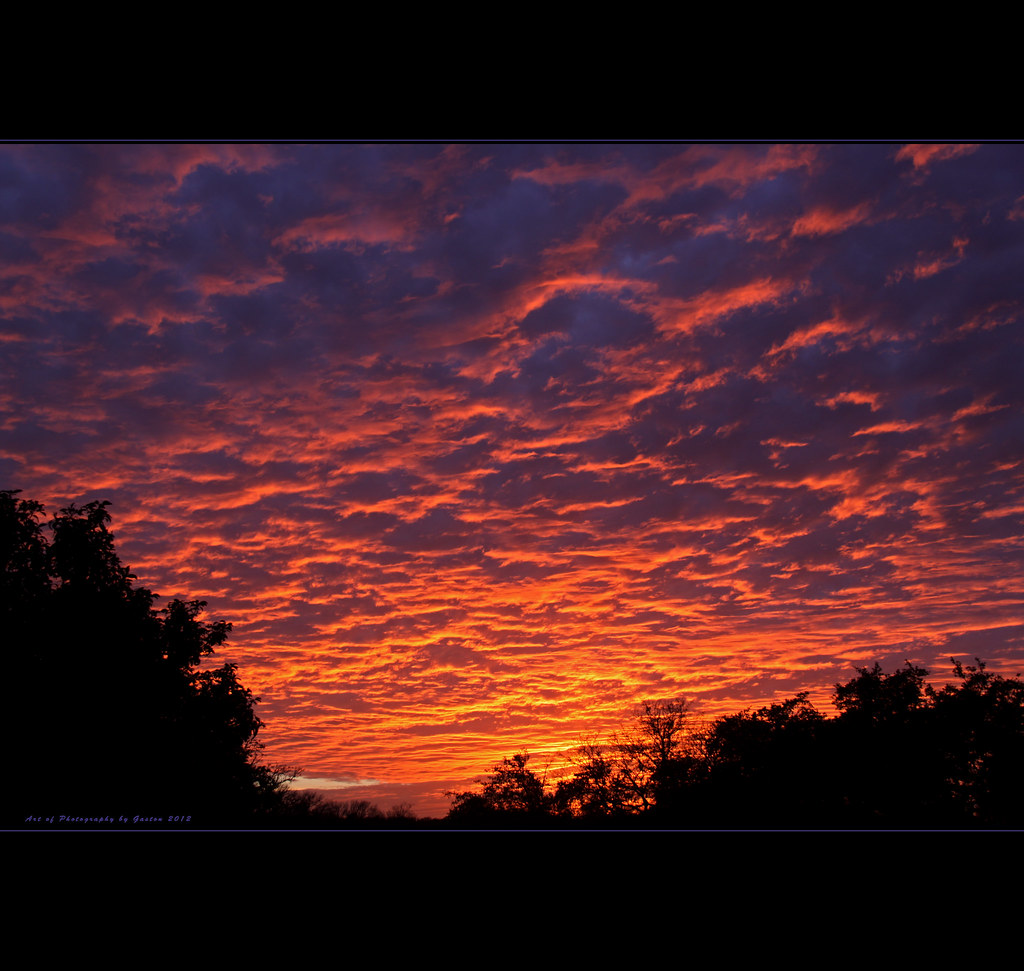
The winter solstice, occurring around December 21st or 22nd, marks the shortest day of the year. In San Antonio, Texas, sunset times are at their earliest, often occurring around 5:30 PM or shortly thereafter. This means that evenings arrive sooner, providing a cozy atmosphere for enjoying indoor attractions or simply relaxing after a day of sightseeing. It’s a perfect time to explore the illuminated decorations during the holiday season or to visit museums like the Witte Museum before the early dusk. Despite the shorter daylight, winter sunsets can be spectacular, especially when crisp, clear air allows for vivid displays of color.
Vernal Equinox and the Return of Light
Around March 20th or 21st, the vernal equinox signals the beginning of spring. Much like the autumnal equinox, this marks a period of nearly equal day and night. Following the shortest days of winter, sunset times in San Antonio begin to lengthen, gradually moving towards the later hours of the evening. This time of year is ideal for outdoor activities as the weather warms. It’s a wonderful time to experience the burgeoning bloom in places like the San Antonio Botanical Garden or to take advantage of the earlier evenings for a sunset picnic in Brackenridge Park.
Planning Your San Antonio Evenings Around Sunset
Knowing the sunset time in San Antonio, Texas is a practical tool for enhancing your visit, allowing you to perfectly time your experiences.
Capturing the Golden Hour and Blue Hour
The period just before sunset is known as the “golden hour,” when the sun is low in the sky, casting a warm, soft light that is incredibly flattering for photography. This time is perfect for capturing iconic shots of the Tower of the Americas or the historic missions. Following sunset, the “blue hour” begins, a brief period where the sky takes on a deep blue hue, creating a magical atmosphere. This is an excellent time for capturing cityscapes along the River Walk as the city lights begin to twinkle. Many photographers plan their sessions specifically around these transitional periods to achieve the most dramatic and atmospheric images.
Evening Dining and Entertainment
San Antonio boasts a culinary scene that truly comes alive in the evening. Timing your dinner reservation to coincide with the sunset can elevate your dining experience. Imagine enjoying authentic Tex-Mex cuisine at a restaurant with an outdoor patio, watching the sky transform as you dine. Many venues offer prime sunset viewing spots, from rooftop bars to riverside eateries. Consider a late afternoon stroll along the River Walk and then settle in for an early dinner as the sun begins its descent. For those interested in live music or performances, understanding sunset times can help you schedule your pre-show activities or ensure you don’t miss the beginning of an event.
Outdoor Activities and Exploration
The pleasant climate of San Antonio makes outdoor exploration a year-round possibility, but the hours around sunset offer a particularly enjoyable experience. A late afternoon bike ride along the city’s trails, a leisurely kayak trip on the San Antonio River, or simply a walk through the historic Market Square are all enhanced by the softer light and cooler temperatures of the early evening. As the sun sets, the city takes on a different character, with the lights of the King William Historic District and the bustling energy of downtown becoming more prominent. Planning to be at a scenic overlook, such as the one near the Spanish Governor’s Palace, just before sunset can provide breathtaking panoramic views.
Resources for Accurate Sunset Times
In today’s digital age, obtaining accurate sunset times for San Antonio, Texas is easier than ever. A wealth of resources are available to ensure you’re always in the know.
Online Weather and Astronomy Websites
Numerous reputable websites provide detailed astronomical data, including precise sunrise and sunset times for any location in the world. These sites often offer features such as hour-by-hour forecasts, astronomical twilight times (when the sky is no longer dark but the sun is below the horizon), and even moonrise and moonset times. Popular choices include the National Weather Service (a government agency), timeanddate.com, and various astronomical almanac websites. These platforms are invaluable for travelers and locals alike who wish to plan their days around the sun’s celestial journey.
Mobile Applications
For convenience on the go, mobile applications are an excellent resource. Many weather apps already incorporate sunrise and sunset information into their daily forecasts. Dedicated astronomy apps often provide even more detailed information, including interactive sky maps and alerts for celestial events. These apps can be configured to automatically detect your location or to manually input San Antonio to receive the most up-to-date sunset times. Some apps even allow you to track the sun’s path across the sky, offering a visual representation of the changing daylight hours throughout the year.
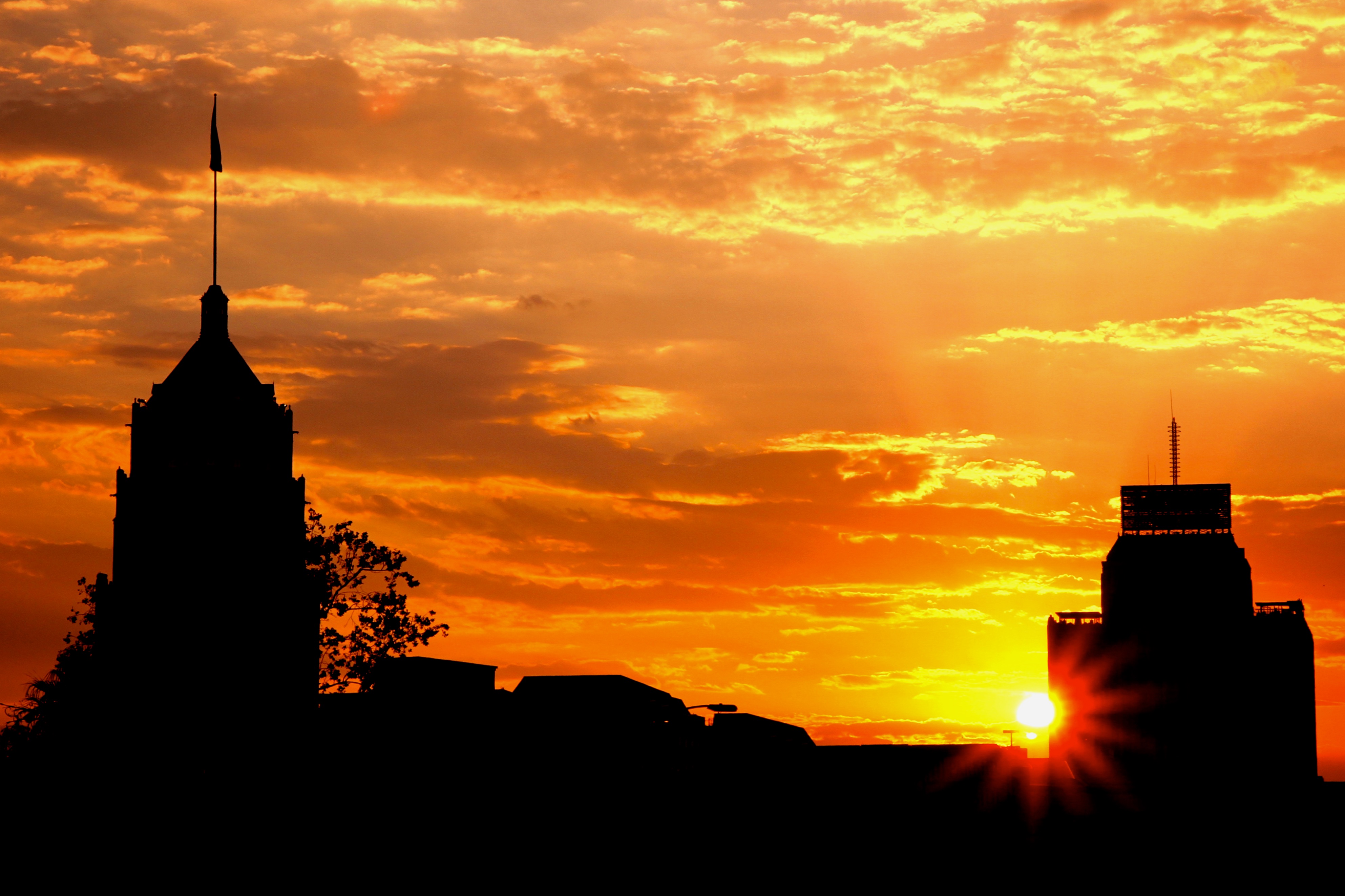
Local Tourism and City Websites
Local tourism boards and official city websites for San Antonio often feature sections dedicated to practical information for visitors. While they may not always provide daily updated sunset times, they frequently offer general information about the seasonal daylight hours or highlight popular spots for sunset viewing. These resources are particularly useful for understanding the cultural significance of dusk in San Antonio and can point you towards the best vantage points for experiencing this daily marvel. Checking these sites, especially when planning a trip, can provide a well-rounded view of what to expect.
LifeOutOfTheBox is a participant in the Amazon Services LLC Associates Program, an affiliate advertising program designed to provide a means for sites to earn advertising fees by advertising and linking to Amazon.com. Amazon, the Amazon logo, AmazonSupply, and the AmazonSupply logo are trademarks of Amazon.com, Inc. or its affiliates. As an Amazon Associate we earn affiliate commissions from qualifying purchases.