
Montana, a state synonymous with sprawling landscapes, majestic mountains, and a frontier spirit, often prompts a simple yet crucial question for travelers: “What time is it in Montana now?” This question, while seemingly straightforward, touches upon the practicalities of planning a journey to this vast and beautiful destination. Understanding Montana’s time zone is a fundamental piece of information for coordinating flights, booking accommodations, arranging tours, and ensuring seamless communication with local contacts. This guide delves into Montana’s timekeeping, offering essential insights for any adventurer preparing to explore the “Big Sky Country.”
Navigating Montana’s Time Zone
Montana observes Mountain Time. This designation places it within the North American continent’s time zone system, aligning it with many other western states. The official time zone in Montana is the Mountain Time Zone (MT). This zone is characterized by its standard time of UTC-7 and its daylight saving time of UTC-6.
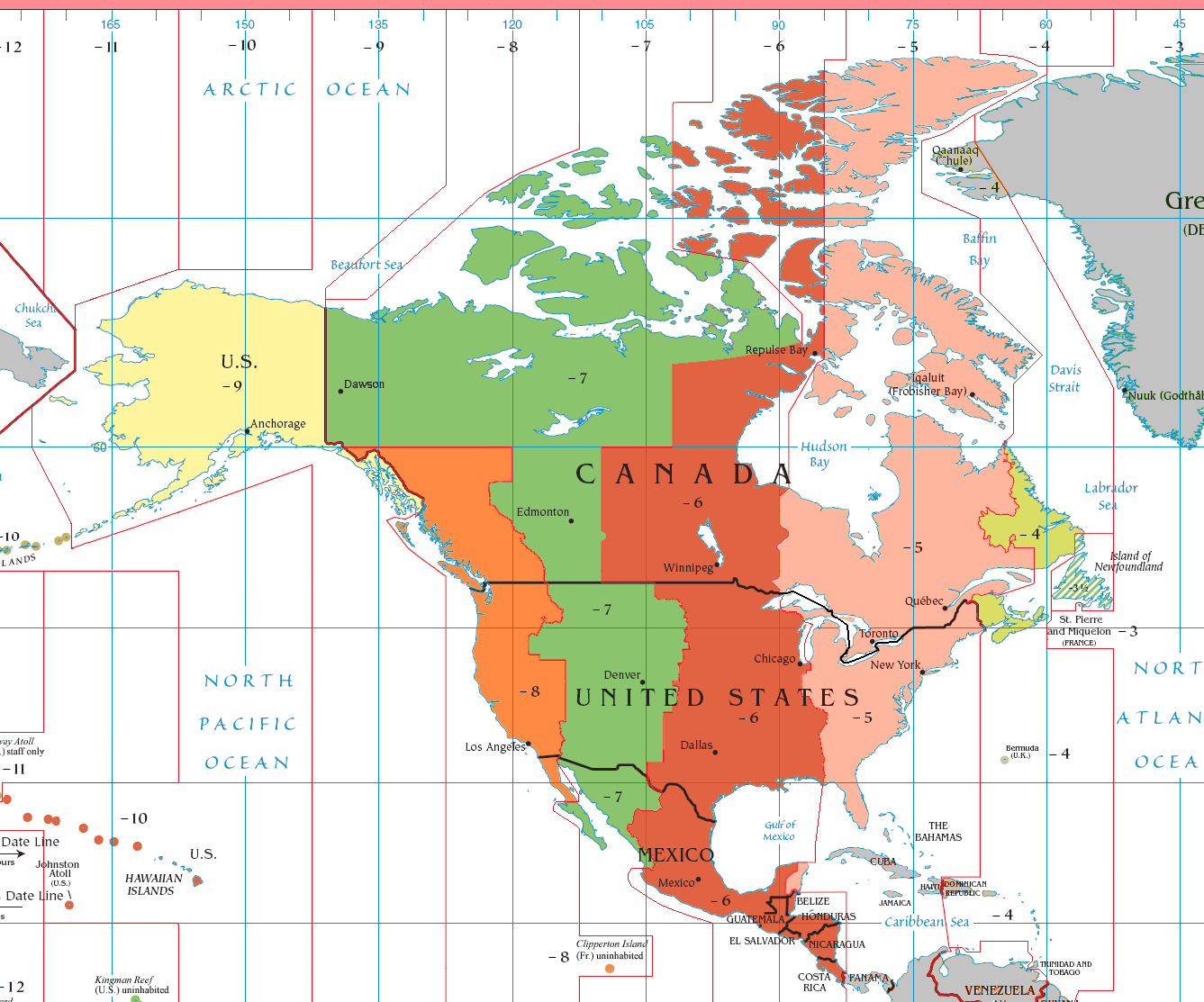
Mountain Standard Time (MST) and Mountain Daylight Time (MDT)
Like most of the United States, Montana adheres to Daylight Saving Time (DST).
- Mountain Standard Time (MST): During the period when DST is not in effect, Montana operates on MST. This corresponds to UTC-7.
- Mountain Daylight Time (MDT): When Daylight Saving Time is observed, Montana shifts to MDT. This corresponds to UTC-6, effectively moving clocks forward by one hour.
The transition to and from DST in Montana follows the national schedule. DST typically begins on the second Sunday in March and ends on the first Sunday in November. This means that for a significant portion of the year, Montana is on MDT. It’s crucial to be aware of these shifts, especially when making travel arrangements that span across these transition dates, to avoid any temporal confusion. For instance, if you’re flying into cities like Billings or Missoula during these periods, confirming the exact local time based on whether DST is active can prevent missed connections or early arrivals.
Why Time Zones Matter for Travelers
The time zone in Montana plays a pivotal role in various aspects of travel planning.
Coordinating Travel Itineraries
When booking flights to airports such as Bozeman Yellowstone International Airport or Great Falls International Airport, understanding the local time is paramount. Different departure and arrival times can significantly impact your schedule upon landing. Similarly, if you’re planning a road trip across the state, factoring in the time differences between your starting point and your destination in Montana is essential for accurate journey estimations. For example, starting a drive from the eastern part of the state towards the western mountains will mean arriving in the latter at an earlier local time than might be initially assumed if one forgets to account for the standard time zone.
Booking Accommodations and Activities
When booking hotels, vacation rentals, or guided tours, knowing the local time ensures you make reservations for the correct time slots. Whether it’s an early morning horseback riding tour near Yellowstone National Park or a dinner reservation in Helena, precise timing is key. Many tour operators and restaurants adhere strictly to their local time. A misunderstanding of this can lead to missed opportunities or unnecessary stress.
Communication and Connectivity

Staying connected with friends, family, or business associates while in Montana requires an awareness of the time difference. If you are coming from a different time zone, for instance, the Eastern Time Zone or Pacific Time Zone, you’ll need to adjust your communication schedule accordingly. This is particularly important for business travelers who need to coordinate calls or meetings with colleagues in different parts of the country or the world.
Understanding Montana’s Geographic Scope
Montana is the fourth-largest state in the U.S. by area, meaning that while it operates under a single time zone, the sheer distances can make time feel more fluid, especially when traveling extensively. The state stretches approximately 578 miles east to west and 325 miles north to south. This immense size underscores the importance of precise timekeeping when embarking on a comprehensive exploration of its diverse attractions.
Eastern and Western Montana
Although Montana is unified under the Mountain Time Zone, the perception of time can subtly differ across its vast expanse, particularly concerning sunrise and sunset. Due to its longitudinal spread, the sun will rise and set earlier in eastern Montana compared to western Montana. For instance, in the eastern plains near Glendive, dawn might break nearly an hour before it does in the western mountain towns like Whitefish. This phenomenon, while not a deviation from the official time zone, adds a layer of experiential nuance to time awareness for those traveling the breadth of the state.
The Impact on Outdoor Activities
For enthusiasts of outdoor pursuits, such as hiking in the Glacier National Park or fishing in the Missouri River, the timing of daylight is crucial. Planning your excursions to maximize daylight hours is a common practice. The earlier sunrises in the east and later sunsets in the west can influence the optimal start and end times for your adventures, ensuring you make the most of Montana’s stunning natural beauty before darkness descends. This consideration is especially vital for multi-day treks or activities that depend heavily on natural light.
Planning Your Montana Adventure with Time in Mind
Effectively planning a trip to Montana involves more than just booking flights and accommodation; it requires a practical understanding of its time zone and how it impacts your daily schedule.
Setting Your Clocks
Upon arrival in Montana, the first practical step is to set your watch or phone to the local Mountain Time. Most modern devices automatically adjust to the correct time zone when connected to a network, but it’s always wise to double-check. This simple action will align your personal clock with the local rhythm of the state, ensuring you’re in sync with everything from morning coffee shop hours to evening entertainment.
Utilizing Time Zone Converters
For those who need to coordinate with people in different time zones, using online time zone converters is an invaluable tool. These can help you accurately calculate the time difference between your home location and Montana, simplifying the process of scheduling calls, meetings, or simply knowing when it’s a convenient time to reach out. This is particularly helpful when planning communication with time zones like the Central Time Zone or even further afield.
Embracing the Local Pace
While precise timing is important for logistics, Montana is also a place that invites a slower, more deliberate pace of life. The vastness of the landscape and the unhurried nature of its communities often encourage visitors to shed the urgency of urban living. Allowing yourself to adapt to this rhythm can significantly enhance your travel experience. The question “What time is it in Montana now?” might lead you to a specific hour, but the true essence of being there often lies in the moments that unfold between the ticking of the clock, dictated by sunlight, seasons, and the natural beauty that surrounds you. Whether you’re exploring the historic streets of Butte or soaking in the alpine air near Big Sky, embracing Montana’s unique temporal flow will lead to a more enriching and memorable journey.
LifeOutOfTheBox is a participant in the Amazon Services LLC Associates Program, an affiliate advertising program designed to provide a means for sites to earn advertising fees by advertising and linking to Amazon.com. Amazon, the Amazon logo, AmazonSupply, and the AmazonSupply logo are trademarks of Amazon.com, Inc. or its affiliates. As an Amazon Associate we earn affiliate commissions from qualifying purchases.