
Understanding the demographic landscape of a major city like Houston, Texas is crucial for anyone considering a visit, a move, or simply seeking to grasp the pulse of this dynamic metropolis. While raw population figures offer a foundational understanding, delving into the nuances of its growth, distribution, and the diverse communities that comprise it provides a richer picture of what makes Houston such a significant hub.
The Ever-Growing Demographic Landscape
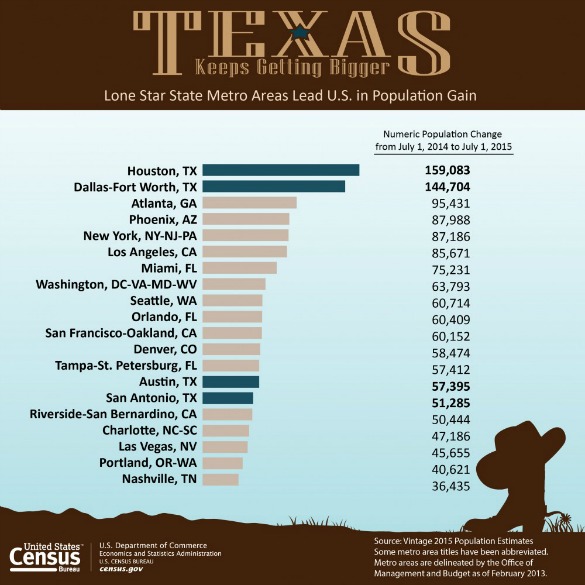
Houston consistently ranks among the most populous cities in the United States. As of recent estimates, the city itself is home to well over two million residents. This number, however, only tells part of the story. The Greater Houston metropolitan area, a sprawling urban expanse that encompasses numerous surrounding counties and cities, boasts a population that significantly dwarfs the city proper. This larger metropolitan figure often exceeds seven million people, solidifying its status as one of the nation’s largest and fastest-growing urban centers.

Historical Trends and Future Projections
The growth of Houston is not a recent phenomenon. For decades, the city has experienced a steady influx of new residents, driven by a robust economy, particularly in the energy and aerospace sectors, as well as its relatively low cost of living compared to other major American cities. This consistent growth has necessitated continuous expansion of infrastructure, housing, and public services.
Future projections indicate that this trend is likely to continue. Factors such as job creation, a diverse economic base, and its appeal as a cultural melting pot suggest that Houston will remain a magnet for both domestic and international migration. Understanding these growth patterns is essential for urban planners, businesses, and individuals looking to navigate the evolving urban fabric of this southern giant.
Understanding the “City Proper” vs. Metropolitan Area
It is vital to distinguish between the population of the City of Houston and its broader metropolitan statistical area (MSA). The city limits define a specific administrative boundary, while the MSA encompasses a much wider region, including adjacent counties that are economically and socially integrated with the central city. When discussing Houston’s influence and scale, the metropolitan figure often provides a more accurate representation of its true size and impact. This distinction is crucial for grasping the sheer scale of the urban environment and its economic reach.
A Mosaic of Cultures and Communities
The population of Houston is characterized by its remarkable diversity, making it one of the most ethnically varied cities in the United States. This multicultural fabric is a defining feature of the city and profoundly influences its culture, cuisine, and social dynamics.
Ethnic and Racial Diversity
Houston is home to significant populations from a wide array of ethnic and racial backgrounds. A substantial portion of its residents identify as Hispanic or Latino, reflecting historical and ongoing immigration from Latin America. African Americans also form a significant demographic group, contributing richly to the city’s heritage and contemporary life. While traditionally a stronghold for Caucasian residents, the city has seen increasing diversity across all groups. Furthermore, Houston has a large and influential Asian population, with communities representing a multitude of nationalities from across Asia.
Immigration and Global Connections
The city’s status as a major international port and a hub for various industries has made it a destination for immigrants from around the globe. This continuous wave of newcomers has not only swelled the population but also injected new traditions, languages, and perspectives into the city’s identity. Neighborhoods across Houston reflect this global influence, with vibrant ethnic enclaves that offer authentic culinary experiences and cultural immersion.
Age Demographics and Household Structures
Beyond ethnic diversity, the age distribution of Houston’s population also paints an interesting picture. The city generally has a younger demographic compared to many other older American cities, partly due to the influx of working-age individuals and families. This youthful energy contributes to the city’s dynamic atmosphere. Household structures are varied, ranging from single-person households to large multi-generational families, reflecting the diverse socioeconomic backgrounds of its residents.
Socioeconomic Factors Shaping the Urban Fabric
The population of Houston is not monolithic in its socioeconomic makeup. The city presents a complex interplay of wealth and opportunity, with distinct socioeconomic landscapes shaping different neighborhoods and communities.
Income and Employment Statistics
Houston’s economy is a significant draw, offering a wide range of employment opportunities across various sectors. The energy industry, healthcare, aerospace, and technology are major employers. However, income levels can vary considerably. While there are pockets of affluence and high-net-worth individuals, like those residing near the upscale Galleria area, the city also grapples with issues of income inequality and a significant population of lower-income households. This economic stratification influences housing patterns, access to services, and overall quality of life for different segments of the population.
Education Levels and Workforce Skills
The educational attainment of Houston’s population is a key indicator of its workforce capabilities. With numerous universities and community colleges, the city provides avenues for higher education and skills development. The presence of institutions like Rice University and the University of Houston contributes to a highly educated segment of the population, fueling innovation and specialized industries. However, like many large cities, Houston also faces challenges in ensuring educational access and success for all its residents, particularly in underserved communities.
Housing Trends and Affordability
The housing market in Houston is diverse, offering everything from sprawling single-family homes in suburban areas to high-rise apartments in the city center. For many years, Houston was known for its relative housing affordability compared to coastal metropolises. However, like many growing cities, it has seen significant appreciation in housing costs, particularly in desirable neighborhoods. This trend impacts affordability and can influence where different demographic groups choose to live and the types of housing they can access. Neighborhoods such as The Heights and Montrose are known for their unique character and varying price points.
The Impact of Population on Urban Life and Tourism
The sheer size and diversity of Houston’s population have a profound impact on every facet of urban life, from its vibrant cultural scene to its infrastructure and its appeal as a tourist destination.
Cultural Vibrancy and Lifestyle
The multicultural composition of Houston directly translates into a rich and eclectic cultural landscape. From world-class museums like the Museum of Fine Arts, Houston and the Houston Museum of Natural Science to a thriving performing arts scene, including the renowned Houston Symphony, the city offers a wealth of cultural experiences. The culinary scene is equally diverse, with authentic eateries representing cuisines from around the globe, from Tex-Mex and Vietnamese to Ethiopian and Indian. This demographic tapestry also fosters a unique urban lifestyle, characterized by a blend of Southern hospitality and cosmopolitan energy.
Infrastructure and Urban Planning
A population exceeding millions necessitates robust infrastructure. Houston has an extensive network of highways, public transportation options including a light rail system, and a large international airport, George Bush Intercontinental Airport. Managing traffic, utilities, and public services for such a large and growing populace presents ongoing challenges and drives continuous urban development and planning efforts. The city’s sprawl is a testament to its growth, with new communities and commercial centers constantly emerging.

Tourism and Economic Drivers
The dynamic population and the diverse attractions it supports make Houston a significant tourist destination. Visitors are drawn to its museums, the iconic Space Center Houston, its professional sports teams like the Houston Astros and the Houston Texans, and its renowned culinary offerings. The sheer volume of residents also creates a substantial local market for restaurants, entertainment venues, and retail establishments, which in turn enhance the visitor experience. The hospitality sector, including numerous hotels and resorts, thrives on both local patronage and the steady stream of tourists and business travelers. Understanding the population’s size and diversity is key to appreciating the scale and appeal of this Texan metropolis.
LifeOutOfTheBox is a participant in the Amazon Services LLC Associates Program, an affiliate advertising program designed to provide a means for sites to earn advertising fees by advertising and linking to Amazon.com. Amazon, the Amazon logo, AmazonSupply, and the AmazonSupply logo are trademarks of Amazon.com, Inc. or its affiliates. As an Amazon Associate we earn affiliate commissions from qualifying purchases.