
For any traveler embarking on a journey to a new city, one of the most fundamental yet often overlooked pieces of information is the local time. Beyond mere curiosity, understanding the current time in your destination—especially a vibrant metropolis like Chicago—is paramount for seamless travel planning, efficient scheduling, and an overall stress-free experience. Knowing what time it is in Chicago right now isn’t just about setting your watch; it’s the first step in unlocking the city’s myriad attractions, navigating its bustling rhythm, and ensuring every moment of your trip is optimized.
Understanding Chicago’s Time Zone
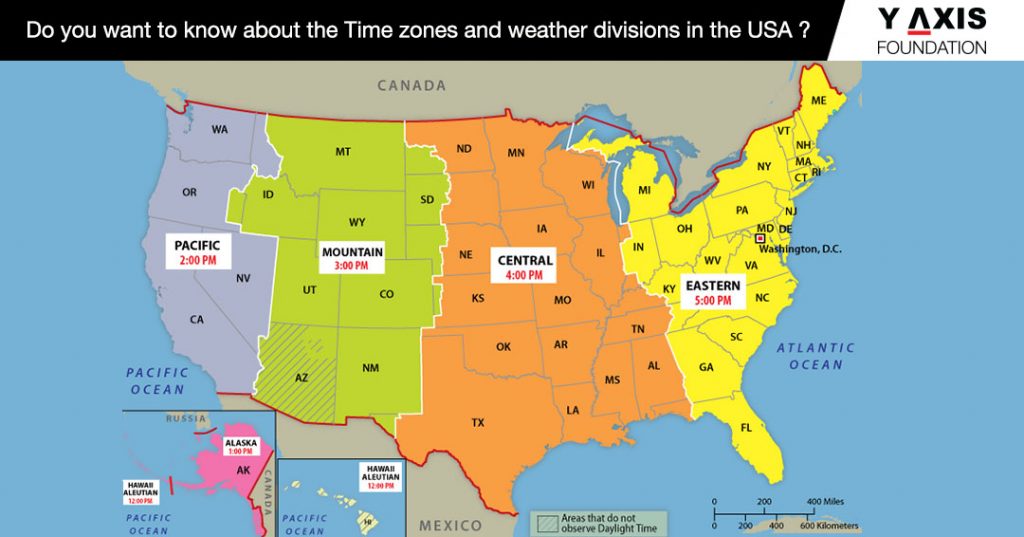
Chicago, the undisputed jewel of the Midwest, operates within the Central Time Zone. This means it adheres to Central Standard Time (CST) for roughly half the year and Central Daylight Time (CDT) for the other half, thanks to Daylight Saving adjustments.

During CST, which typically runs from early November to mid-March, Chicago is UTC-6, meaning it is six hours behind Coordinated Universal Time. When Daylight Saving Time kicks in, usually on the second Sunday in March, the clocks “spring forward” one hour, shifting Chicago to UTC-5 (CDT), five hours behind UTC. This change remains until the first Sunday in November when clocks “fall back” one hour, returning to CST.
For travelers, this distinction is crucial. Arriving at O’Hare International Airport or Midway International Airport requires an immediate adjustment to your internal clock and devices to align with local time. Failing to do so can lead to missed appointments, confusion over reservation times, and a general disruption to your travel itinerary. Whether you’re planning a flight, booking a restaurant, or scheduling a tour, always double-check if your dates fall within CST or CDT to ensure perfect synchronization with Chicago’s bustling schedule.
Why Time Matters for Your Chicago Trip
The current time in Chicago is more than just a number on a clock face; it’s the invisible force dictating the flow of your entire travel experience. From logistical necessities to cultural immersion, every aspect of your visit hinges on an accurate understanding of the local hour.
Flight and Train Schedules
Perhaps the most immediate and critical reason to know Chicago’s time zone is for managing your arrival and departure. Flight itineraries, especially those involving connecting flights, are always listed in local time. A common pitfall for travelers crossing time zones is miscalculating their arrival or departure time, potentially leading to missed connections or unnecessary delays. Ensuring your internal clock and all travel documents reflect Chicago’s current time the moment you land is paramount for a smooth transition from the airport to the city. Similarly, for those arriving by Amtrak at Union Station, timely awareness prevents any missteps in your ground transportation plans.
Hotel Check-in/Check-out
Hotels operate on strict local time schedules. Standard check-in times typically range from 3:00 PM to 4:00 PM, with check-out usually by 11:00 AM or 12:00 PM. Arriving significantly before check-in or after check-out, especially when your body clock is still on a different time zone, can be disorienting. Knowing the exact local time allows you to plan your arrival strategically, perhaps opting for an early check-in request if available or arranging luggage storage to explore the city without delay. Likewise, understanding the check-out deadline prevents unexpected charges or a rushed departure on your final day.
Attraction Operating Hours
Chicago’s array of world-class attractions—from the Art Institute of Chicago and the Field Museum to the Willis Tower Skydeck and the Navy Pier—all adhere to specific operating hours based on local time. These hours can vary by season, day of the week, or even for special events. A quick check of the current time in Chicago against the published opening and closing times is essential to maximize your sightseeing. Imagine the disappointment of arriving at a museum only to find it closed for the day because your internal clock was an hour off!
Dining and Reservations
Chicago’s culinary scene is legendary, boasting everything from deep-dish pizza joints to Michelin-starred restaurants in neighborhoods like the West Loop and River North. Securing reservations at popular eateries, particularly for peak dinner times (typically 7:00 PM to 9:00 PM local time), requires precision. Miscalculating the time difference can lead to missed reservations or arriving at a restaurant when the kitchen is about to close. Understanding the local rhythm helps you dine like a local, enjoying meals when the city is buzzing with activity.
Business Meetings and Conferences
For the business traveler, time zone awareness is not just an advantage; it’s a necessity. Chicago is a major hub for conventions and corporate events. Scheduling and attending meetings, presentations, or networking events demand absolute punctuality. Even a slight miscalculation of the local time can result in being late, missing crucial information, or disrupting the schedules of others. Always confirm your device’s time settings are updated upon arrival to avoid any professional faux pas.
Navigating Time Zones from Afar
Planning a trip to Chicago from a different time zone requires careful consideration to ensure a smooth transition and minimize the effects of jet lag.
Planning from Different Regions
Whether you’re traveling from the East Coast, West Coast, or international destinations like Europe or Asia, understanding the time difference is the first step in effective planning. For instance, if you’re flying from New York City (Eastern Time, UTC-5/UTC-4), Chicago will be one hour behind. From Los Angeles (Pacific Time, UTC-8/UTC-7), Chicago will be two hours ahead. International travelers face even greater differences, requiring more substantial adjustment. When booking flights, tours, and accommodations, always mentally convert the times to Chicago’s local time to avoid confusion.
Tools and Apps
Fortunately, modern technology makes navigating time zones easier than ever. Most smartphones automatically update to the local time zone when you arrive at your destination, provided location services are enabled. Additionally, numerous world clock apps and online time zone converters allow you to instantly see the current time in Chicago relative to your home location. Websites like TimeAndDate.com or apps such as ‘The World Clock’ can be invaluable resources for pre-trip planning and on-the-go checks. Familiarize yourself with these tools before you depart.
Communication with Locals
If you’re coordinating with friends, family, or tour operators already in Chicago, always clarify whose time zone you are referencing. A simple “Is that 2 PM Chicago time?” can prevent misunderstandings. When making plans, especially for activities that require punctuality, confirming the local time ensures everyone is on the same page. This clarity is particularly important when booking guides or services, where their schedule is tightly bound to Chicago’s clock.
Jet Lag Management
Understanding the time difference is also key to managing jet lag. The greater the time zone shift, the more pronounced the symptoms of jet lag tend to be. Knowing Chicago’s current time upon arrival allows you to immediately begin adjusting your sleep schedule. Try to expose yourself to natural light during Chicago’s daytime hours and avoid heavy meals or excessive caffeine close to your new local bedtime. Staying hydrated and planning a light itinerary for your first day can also help your body acclimate more smoothly, ensuring you’re ready to embrace all that the city has to offer without feeling excessively fatigued.
Making the Most of Your Chicago Day
With a clear understanding of Chicago’s current time, you can meticulously plan your itinerary to extract every drop of enjoyment from your visit. The city truly comes alive from dawn to dusk, offering distinct experiences throughout the day.
Early Bird Activities
Even if you’re dealing with a slight time shift, an early start in Chicago can be incredibly rewarding. Picture a serene morning stroll through Millennium Park, where you can capture stunning, crowd-free photos with the iconic “Bean” (Cloud Gate) and Crown Fountain. Enjoy the tranquility of a sunrise walk along the shores of Lake Michigan or cycle along the Lakefront Trail before the city fully awakens. Many coffee shops open early, providing the perfect spot for a local brew and breakfast to kickstart your day. These early hours offer a different perspective of Chicago, allowing you to experience its grandeur in peaceful solitude.
Mid-Day Exploration
As the morning progresses and Chicago hums with activity, it’s the perfect time for core sightseeing. Hit the shops along the famed Magnificent Mile, explore the cultural treasures within the Museum Campus, or embark on one of Chicago’s renowned architectural boat tours along the Chicago River. Lunchtime offers countless options, from casual street food to elegant dining experiences. Understanding the local mid-day rush helps you plan your meals and activities to either embrace the vibrant energy or seek out quieter spots for a reprieve.
Evening Entertainment
As the sun begins to set over the Chicago skyline, the city transforms into a hub of evening entertainment. This is when knowing the precise local time becomes essential for timing your dinner reservations, catching a Broadway show in the Theater District, or enjoying live jazz or blues in intimate clubs in neighborhoods like Lincoln Park or Hyde Park. Consider a dinner cruise on Lake Michigan for breathtaking views of the illuminated skyline, or head up to one of the city’s many rooftop bars for a sophisticated nightcap. Chicago’s nightlife typically picks up around 9:00 PM, extending well into the early morning hours, offering diverse options for every taste.

Seasonal Time Considerations
Finally, remember that the “current time” isn’t just a static value; it also influences the natural light available for your activities. In summer, Chicago’s longer daylight hours (due to its northern latitude and Daylight Saving Time) allow for extended outdoor exploration well into the evening. Winter, conversely, brings shorter days, meaning you might need to adjust your sightseeing schedule to make the most of the limited daylight hours and factor in earlier sunsets for outdoor activities. Each season offers a unique temporal rhythm to Chicago, and being aware of this allows you to tailor your travel plans for an optimal experience regardless of when you visit.
LifeOutOfTheBox is a participant in the Amazon Services LLC Associates Program, an affiliate advertising program designed to provide a means for sites to earn advertising fees by advertising and linking to Amazon.com. Amazon, the Amazon logo, AmazonSupply, and the AmazonSupply logo are trademarks of Amazon.com, Inc. or its affiliates. As an Amazon Associate we earn affiliate commissions from qualifying purchases.