
Understanding the weather in Dallas, Texas is fundamental for any traveler planning a visit, whether for a brief business trip or an extended exploration of the Lone Star State’s vibrant heart. The city, situated in North Texas, experiences a humid subtropical climate characterized by distinct seasons, each offering a unique facet of the Dallas experience. From scorching summers to mild winters, knowing the prevailing temperature and associated weather patterns will significantly enhance your trip, allowing you to pack appropriately, plan outdoor activities, and make the most of your time in this dynamic metropolis.
Navigating Dallas’s Seasonal Climate
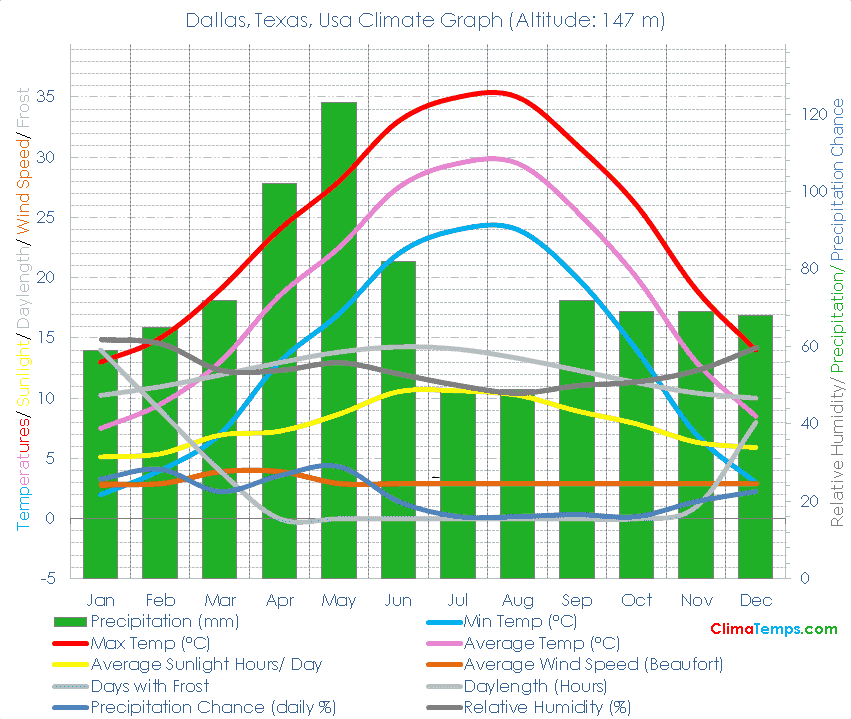
Dallas experiences a wide range of temperatures throughout the year, with summers being notoriously hot and humid, while winters are generally mild with occasional cold snaps. Spring and autumn offer the most temperate and pleasant conditions, making them popular times for visitors. Understanding these seasonal shifts is crucial for packing, activity planning, and general comfort during your stay.
Summer (June – August): The Heat is On
Summers in Dallas are defined by high temperatures and significant humidity. Average daily temperatures frequently climb into the high 80s and low 90s Fahrenheit (around 30-35 degrees Celsius), with heat index values often pushing into the triple digits. Extended periods of 100°F (38°C) or higher are not uncommon. Rainfall during the summer months can be unpredictable, often manifesting as intense thunderstorms that provide temporary, albeit brief, relief from the heat.
Traveler Tips for Summer:
- Hydration is Key: Always carry water and stay hydrated. Seek out air-conditioned spaces during the hottest parts of the day.
- Early Morning/Late Evening Activities: Plan outdoor excursions like visiting the Dallas Arboretum and Botanical Garden or exploring the Dallas Arts District for early mornings or late evenings.
- Sun Protection: Wear sunscreen, hats, and sunglasses to protect yourself from the strong Texas sun.
- Indoor Escapes: Dallas boasts excellent museums like the Perot Museum of Nature and Science and the Sixth Floor Museum at Dealey Plaza, perfect for escaping the heat.
Autumn (September – November): A Season of Comfort
Autumn in Dallas is a welcome respite from the summer heat. Temperatures begin to cool significantly, making it an ideal time for exploring the city’s outdoor attractions. September can still feel warm, but by October and November, average daily temperatures typically range from the comfortable 60s and 70s Fahrenheit (15-25 degrees Celsius). Humidity levels also decrease, contributing to a more pleasant climate. This season is perfect for enjoying outdoor dining, attending Dallas Cowboys games at AT&T Stadium, or simply strolling through neighborhoods like Deep Ellum.
Traveler Tips for Autumn:
- Layered Clothing: Pack a variety of clothing that can be layered, as temperatures can fluctuate between day and night.
- Outdoor Exploration: This is prime time for visiting Klyde Warren Park, exploring the Dallas Zoo, or taking a walk along the Trinity River Greenbelt Park.
- Festivals and Events: Autumn often hosts numerous local festivals and cultural events, so check the local calendar.
Winter (December – February): Mild and Occasionally Chilly
Dallas winters are generally mild, with average temperatures in the 40s and 50s Fahrenheit (5-15 degrees Celsius). Freezing temperatures are not uncommon, especially in January, and occasional ice storms or light snowfall can occur, though they rarely accumulate significantly or persist for long. The sunshine is often bright, and many days can be comfortably cool, perfect for indoor activities or brisk walks.
Traveler Tips for Winter:
- Warm Layers: While not typically severe, a warm coat, scarf, and gloves are advisable for colder days and evenings.
- Indoor Pursuits: This is an excellent time to enjoy Dallas’s renowned culinary scene, catch a show at the Winspear Opera House, or explore the shops at NorthPark Center.
- Check Forecasts: Always check the local weather forecast before your trip and during your stay, as cold snaps can occur.
Spring (March – May): A Burst of Life and Pleasant Temperatures
Spring in Dallas is a beautiful season, characterized by warming temperatures and a vibrant bloom of flora. March can still have cool days, but by April and May, average temperatures settle comfortably in the 70s and 80s Fahrenheit (20-28 degrees Celsius). This period also brings the highest chance of thunderstorms, which can be quite dramatic but are usually short-lived. The pleasant weather makes it ideal for visiting attractions like the Dallas World Aquarium or enjoying the city’s many parks.
Traveler Tips for Spring:

- Versatile Wardrobe: Pack a mix of lighter clothing for warmer days and a jacket or sweater for cooler mornings and evenings.
- Rain Preparedness: An umbrella or light rain jacket is a good idea, as spring showers are common.
- Outdoor Dining: Take advantage of the mild weather to enjoy Dallas’s extensive patio dining scene.
Understanding Dallas’s Microclimates and Weather Phenomena
While the general climate of Dallas is well-defined, specific weather phenomena and microclimates within the metropolitan area can influence your experience. Being aware of these can help you plan more effectively and stay comfortable.
Humidity’s Impact
Humidity is a significant factor in Dallas, particularly during the summer months. High humidity can make even moderately warm temperatures feel much hotter, increasing the perceived temperature and the risk of heat-related illnesses. Conversely, lower humidity in the fall and winter can make cooler temperatures feel more brisk.
Thunderstorms and Severe Weather
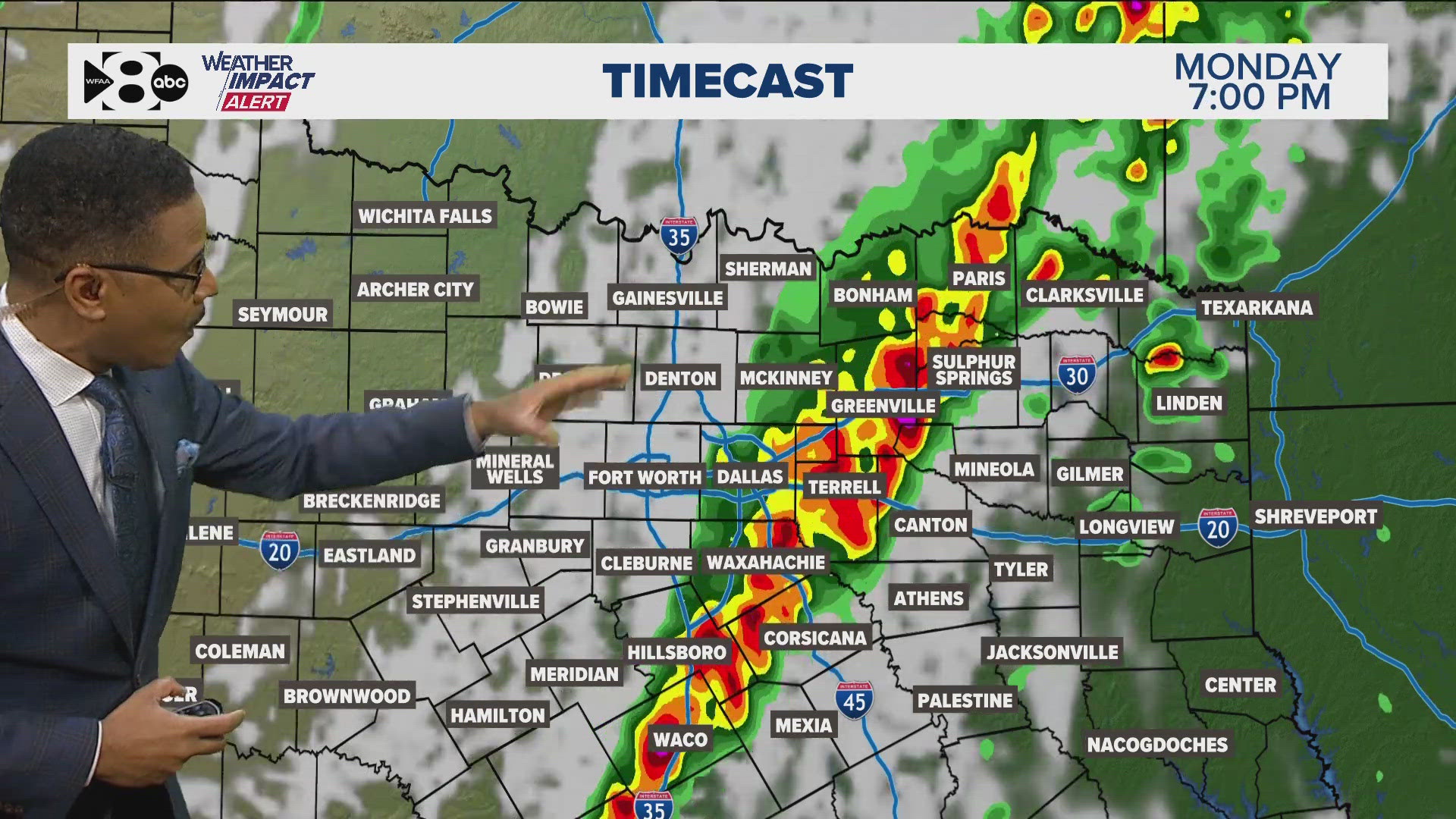
Dallas is part of “Tornado Alley,” and while direct hits are relatively rare, the region is susceptible to severe thunderstorms, hail, and occasional tornadoes, especially during the spring months. These storms can develop rapidly, bringing heavy rain, strong winds, and lightning.
Safety Measures:
- Stay Informed: Monitor local weather alerts and forecasts.
- Seek Shelter: If severe weather is forecast, have a plan to seek safe shelter indoors, away from windows.
- Driving Caution: Be aware that driving conditions can deteriorate rapidly during heavy rain or hail.
Urban Heat Island Effect
Like many large cities, Dallas experiences the urban heat island effect, where developed areas tend to be warmer than surrounding rural areas due to the presence of buildings, roads, and other infrastructure that absorb and retain heat. This can mean slightly higher temperatures within the downtown core compared to outlying suburbs, particularly on hot summer nights.
Planning Your Dallas Itinerary Around the Weather
The temperature in Dallas, Texas is a critical factor in designing a successful travel plan. By aligning your activities with the prevailing weather conditions, you can ensure a more comfortable and enjoyable experience.
Maximizing Pleasant Seasons
For travelers who prefer mild temperatures and lower humidity, spring (April-May) and autumn (September-November) are unequivocally the best times to visit Dallas. During these periods, the city truly shines, with comfortable outdoor temperatures perfect for exploring the Dallas Arts District, enjoying the Dallas Farmers Market, or visiting outdoor attractions like Pioneer Plaza. The pleasant climate invites long walks and exploration of neighborhoods like Bishop Arts District.
Embracing the Heat and Cold
While summer presents challenges, it doesn’t have to deter visitors. The key is to structure your day around the heat. Early mornings can be spent exploring outdoor landmarks, followed by air-conditioned afternoons in museums or shopping centers like Galleria Dallas. Evenings offer a cooler, more pleasant atmosphere for dining al fresco or enjoying outdoor entertainment. Winter, with its milder conditions, is excellent for those who enjoy a less crowded travel experience and wish to focus on Dallas’s cultural offerings, professional sports events, or a cozy culinary journey.
The Role of Weather in Packing
Appropriate clothing is paramount. During summer, lightweight, breathable fabrics like cotton and linen are essential. Sun protection, including hats and sunglasses, is non-negotiable. For spring and fall, a versatile wardrobe with layers is recommended, allowing you to adapt to temperature fluctuations. Winters, though mild, necessitate a warm coat, and perhaps gloves and a scarf for the colder spells. Always check the forecast just before your departure for the most accurate packing guidance.
Ultimately, understanding and respecting the temperature in Dallas, Texas is the first step towards a rewarding travel experience in this dynamic city. Whether you’re drawn by its cultural attractions, its culinary delights, or its burgeoning professional landscape, a little weather awareness goes a long way.
LifeOutOfTheBox is a participant in the Amazon Services LLC Associates Program, an affiliate advertising program designed to provide a means for sites to earn advertising fees by advertising and linking to Amazon.com. Amazon, the Amazon logo, AmazonSupply, and the AmazonSupply logo are trademarks of Amazon.com, Inc. or its affiliates. As an Amazon Associate we earn affiliate commissions from qualifying purchases.