
Unveiling South Dakota’s Floral Emblem: The Pasque Flower
For any traveler seeking to immerse themselves in the unique local culture and natural beauty of a destination, understanding its emblems offers a profound starting point. In South Dakota, this journey begins with its captivating state flower: the Pasque Flower. Officially adopted in 1903, this resilient bloom, known scientifically as Anemone patens (or sometimes Pulsatilla patens), is far more than just a pretty face; it’s a living symbol of the state’s enduring spirit and the promise of spring after a long, harsh winter. Its early appearance, often pushing through melting snow, makes it a cherished sight and a herald of warmer days to come.
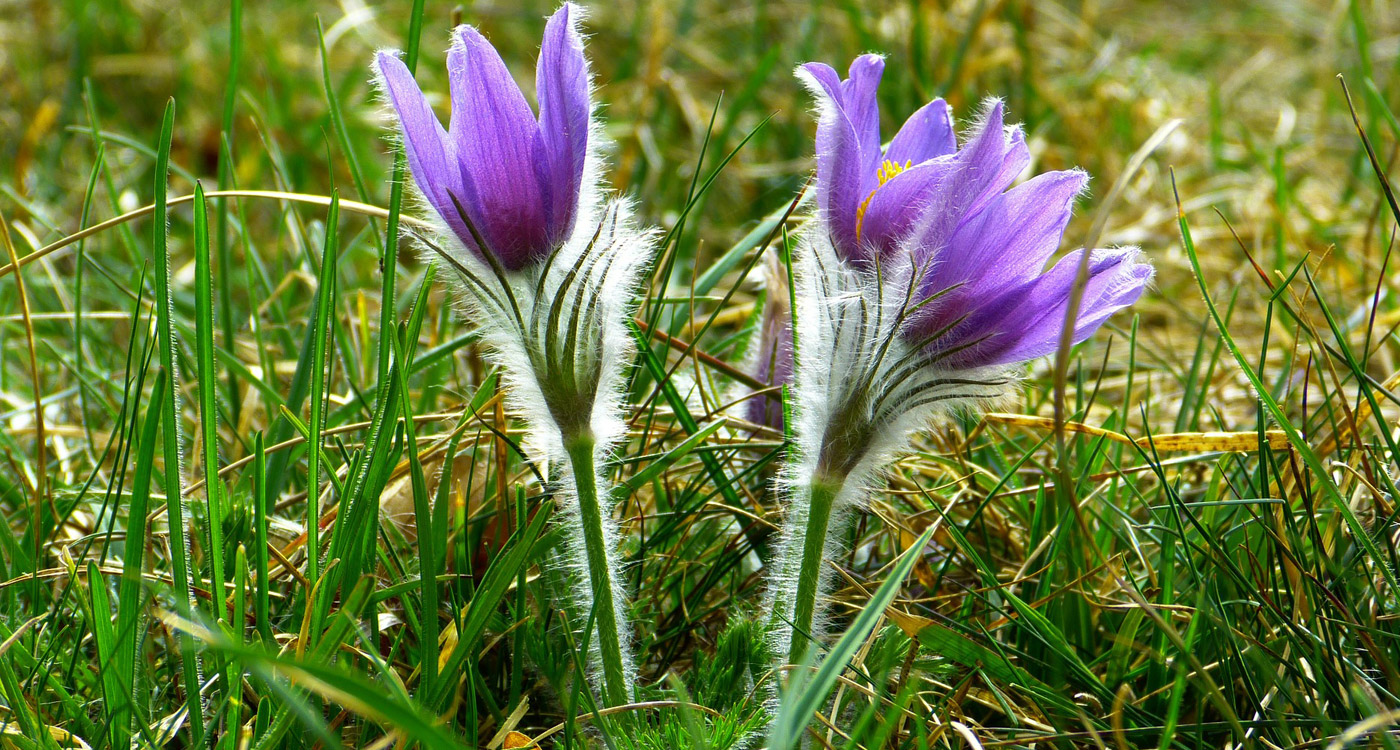
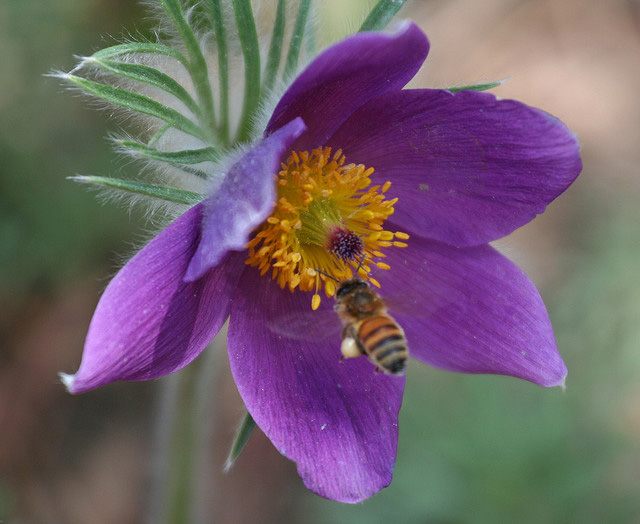
The Pasque Flower is recognizable by its delicate, often cup-shaped, purple to lavender petals, typically surrounding a vibrant cluster of golden yellow stamens. What truly sets it apart, however, is its fuzzy, silvery-green stem and leaves, which are covered in fine, hair-like structures designed to protect the plant from the cold. These hairs also give it a distinct, almost ethereal glow in the early morning sun. Growing low to the ground, usually only reaching about 6-8 inches in height, it thrives in the dry, rocky soils of the prairies and hillsides, making it a ubiquitous and beloved resident across much of the state’s varied landscapes. Its presence signifies an awakening, a resilience that mirrors the history and character of the people who call South Dakota home. Tourists visiting in the shoulder season, particularly early spring, will find a special connection to the state’s natural rhythm by encountering this remarkable plant.
The Pasque Flower’s Cultural Significance and Local Heritage
The choice of the Pasque Flower as South Dakota’s state flower was a deliberate one, reflecting deep-seated connections to the land, its history, and the character of its people. Native to the Great Plains and particularly abundant in the Black Hills region, this flower embodies the hardiness and adaptability necessary to thrive in South Dakota’s often extreme climate. Its ability to bloom at the first signs of spring, often before other vegetation has even begun to stir, served as a powerful metaphor for the early pioneers who faced daunting challenges in settling the vast plains. It became a beacon of hope and a symbol of renewal.
Beyond its symbolism for settlers, the Pasque Flower also holds a subtle yet significant place in the broader cultural tapestry. While not extensively documented in specific ceremonies, its widespread presence and early bloom mean it has long been a familiar and welcoming sight across generations. Local artists, photographers, and artisans often feature the flower in their works, from paintings and pottery to jewelry and textiles, making it a tangible piece of South Dakota heritage that visitors can take home. Furthermore, its inclusion in school curricula and local conservation efforts ensures that future generations, and indeed tourists, understand its importance not just as an emblem, but as a vital part of the state’s natural ecosystem. When exploring local museums or gift shops in towns like Rapid City or Custer, keep an eye out for depictions of this charming purple bloom—it’s a testament to its enduring local reverence.
Where and When to Experience the Pasque Flower
For tourists eager to witness South Dakota’s state flower in its natural glory, timing and location are key. The Pasque Flower is a harbinger of spring, typically blooming from late March through May, although in exceptionally mild years, it might even make an appearance in late February. Its brief but vibrant lifespan makes catching it a special treat for those who plan their visit strategically.
Prime Viewing Locations
- Badlands National Park: The stark, eroded landscape of the Badlands provides a dramatic backdrop for the delicate purple blooms. Look along the edges of buttes and in grassy areas.
- Custer State Park: Located within the Black Hills, this park is a treasure trove of wildlife and stunning scenery. The Pasque Flower can be found abundantly on the open prairies and along hiking trails, especially the more exposed, sunny hillsides.
- Wind Cave National Park: Above ground, the mixed-grass prairie here is an excellent habitat for the Pasque Flower. Combining a cave tour with a spring hike offers a unique dual perspective of South Dakota’s natural wonders.
- Buffalo Gap National Grassland: Vast expanses of rolling prairie characterize this area, providing ideal conditions for large swaths of Pasque Flowers. This is particularly rewarding for those seeking an authentic, less-trafficked experience.
- Throughout the Black Hills and Great Plains: Simply driving along scenic routes or exploring any of the numerous state parks and recreational areas during early spring can reveal these hardy blooms.
Tips for Respectful Viewing
When embarking on your quest to see the Pasque Flower, remember that it is a protected native species.
- Stay on Designated Trails: This protects the delicate ecosystems where the flowers grow and prevents accidental trampling.
- Do Not Pick: Picking wildflowers, especially state flowers, is often illegal and severely harms the plant’s ability to reproduce. Take only photographs, leave only footprints.
- Observe from a Distance: While they are small, getting too close can disturb the surrounding environment. Use a camera with a good zoom to capture their intricate beauty.
Integrating the Pasque Flower into Your South Dakota Tourism Itinerary
Discovering the Pasque Flower offers a unique lens through which to experience South Dakota. It elevates a standard sightseeing trip into a more immersive cultural and natural exploration, particularly for those visiting during the transition from winter to spring. Understanding this emblem enriches a tourist’s appreciation for the state’s resilience, natural beauty, and the subtle rhythms of its landscape.

Enhancing Your Spring Visit
- Scenic Drives: Plan a road trip along routes like the Peter Norbeck Scenic Byway in the Black Hills during late March or April. The slower pace allows for spotting these early blooms alongside breathtaking vistas. Combine it with a stop at iconic landmarks like Mount Rushmore National Memorial, which is nestled in the same biologically rich region.
- Hiking and Photography: Dedicate time to exploring the hiking trails in Custer State Park or Badlands National Park. These areas offer excellent opportunities for close-up photography of the Pasque Flower and other awakening spring flora, alongside bison and other wildlife.
- Visitor Centers and Interpretive Programs: Many state and national park visitor centers, especially those in areas like Wall or Keystone, offer interpretive exhibits about local flora and fauna. These can provide deeper insights into the Pasque Flower’s ecological role and cultural significance. Park rangers often lead guided walks in the spring, pointing out these and other early wildflowers.
- Local Art and Souvenirs: Keep an eye out for local artisan markets or gift shops. Many South Dakotan artists incorporate the Pasque Flower into their crafts, from pottery and paintings to jewelry and textiles. Purchasing such an item not only supports local businesses but also serves as a meaningful memento of your trip and the state’s natural heritage.
- Early Season Activities: A spring visit to South Dakota to specifically see the Pasque Flower also opens up possibilities for other early-season activities, such as bird watching as migratory species return, or experiencing the parks before the peak summer crowds. The crisp, fresh air and vibrant awakening of nature offer a unique atmosphere for exploration.
By consciously seeking out and appreciating the Pasque Flower, tourists gain a more intimate understanding of South Dakota’s essence, connecting with its natural heritage and the spirit of resilience that defines this remarkable state. It transforms a simple trip into a memorable journey of discovery, celebrating the local culture and the subtle beauty of the Great Plains.
LifeOutOfTheBox is a participant in the Amazon Services LLC Associates Program, an affiliate advertising program designed to provide a means for sites to earn advertising fees by advertising and linking to Amazon.com. Amazon, the Amazon logo, AmazonSupply, and the AmazonSupply logo are trademarks of Amazon.com, Inc. or its affiliates. As an Amazon Associate we earn affiliate commissions from qualifying purchases.