
Texas, a state synonymous with searing summers and pervasive humidity, often prompts a singular question from both residents and eager visitors: when will relief from the heat finally arrive? Understanding the nuances of Texas’s climate, particularly its transitional periods, is crucial for planning everything from outdoor adventures to simply enjoying the pleasant days. While the calendar might suggest a definitive end to summer, the reality of Texas weather is a more gradual shift, influenced by geography, atmospheric patterns, and the sheer size of the state.
The Lingering Grip of Summer
The Texas summer is a formidable force, typically beginning its oppressive reign in June and holding strong through August. However, the true intensity and duration can vary significantly. In the sprawling plains of West Texas, the heat might be drier and more intense, while the Gulf Coast region endures a muggy, persistent warmth.
August’s Enduring Heat
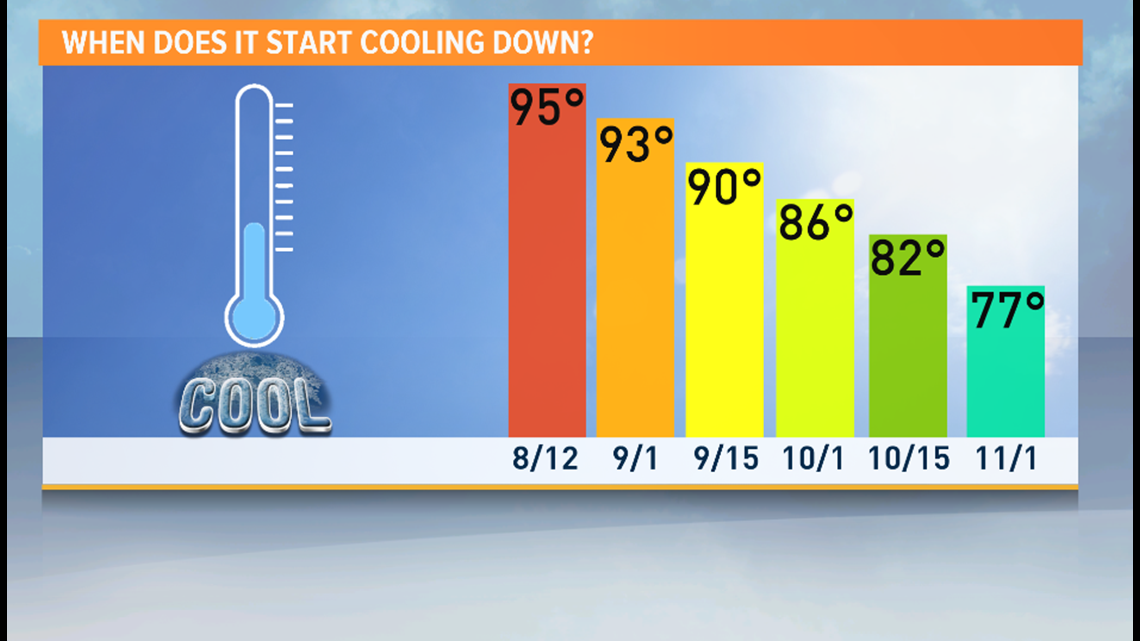
August often marks the peak of summer’s influence across most of Texas. While the sun begins its slow descent towards the autumnal equinox, the lingering solar radiation and the vast thermal mass of the land and waters continue to radiate heat. Nighttime temperatures rarely offer complete respite, often staying in the high 70s or even low 80s Fahrenheit, making air conditioning an indispensable companion. Many Texans will attest that the “real” cooling down doesn’t truly begin until September gracefully ushers in a slightly less intense sun.
September’s Subtle Shift
September is the month where the first whispers of autumn begin to be heard in Texas, though it’s rarely a sudden or dramatic transformation. Early September often feels like a prolonged August, with heat waves still common, particularly in the western and central parts of the state. However, as the month progresses, a subtle but welcome shift often occurs. The length of daylight hours decreases, leading to cooler mornings and evenings. Humidity might begin to recede, especially in areas away from the immediate coast. This is when outdoor activities, such as visiting the San Antonio River Walk or exploring the Big Bend National Park, become noticeably more enjoyable.
The Arrival of Autumnal Comfort
As September transitions into October, the true autumnal coolness begins to settle over Texas. This period is often considered the sweet spot for experiencing the state’s beauty, with vibrant fall foliage appearing in some regions and the comfortable temperatures inviting exploration.
October: The Golden Month
October is frequently cited as the most pleasant month in Texas for many. The oppressive humidity of summer largely dissipates, replaced by crisp air and clear blue skies. Daytime temperatures in many parts of the state hover in the comfortable 70s Fahrenheit, and the evenings can be cool enough for light jackets. This is the ideal time for visiting popular tourist destinations like Galveston Island or enjoying outdoor festivals across cities like Austin and Dallas. The state parks come alive with the muted colors of fall, offering excellent hiking and camping opportunities.
November’s Approaching Chill
By November, the cooling trend is well-established. While it’s not yet winter, the temperatures are consistently cooler, and the first hints of a real chill can be felt, especially in the Panhandle and North Texas. Daytime highs might range from the 60s to low 70s Fahrenheit, with overnight lows dipping into the 40s and 50s. This is the perfect time for enjoying hearty Texan cuisine, perhaps at a local barbecue joint in Lockhart, or exploring the historic streets of Galveston. Thanksgiving celebrations are often held under pleasant, cool skies, a stark contrast to the sweltering heat of just a few months prior.
Geographical Influences on Cooling
The vast size of Texas means that “cooling down” is not a uniform event. Different regions experience the transition from summer heat to autumn temperatures at varying rates and intensities.
North Texas and the Panhandle
The northernmost regions of Texas, including cities like Dallas, Fort Worth, and the Panhandle, tend to cool down the quickest. These areas are more susceptible to cold fronts sweeping down from the north, bringing with them a noticeable drop in temperature. By late September and into October, these regions can experience genuinely crisp autumn days and chilly nights.
Central Texas’s Gradual Embrace
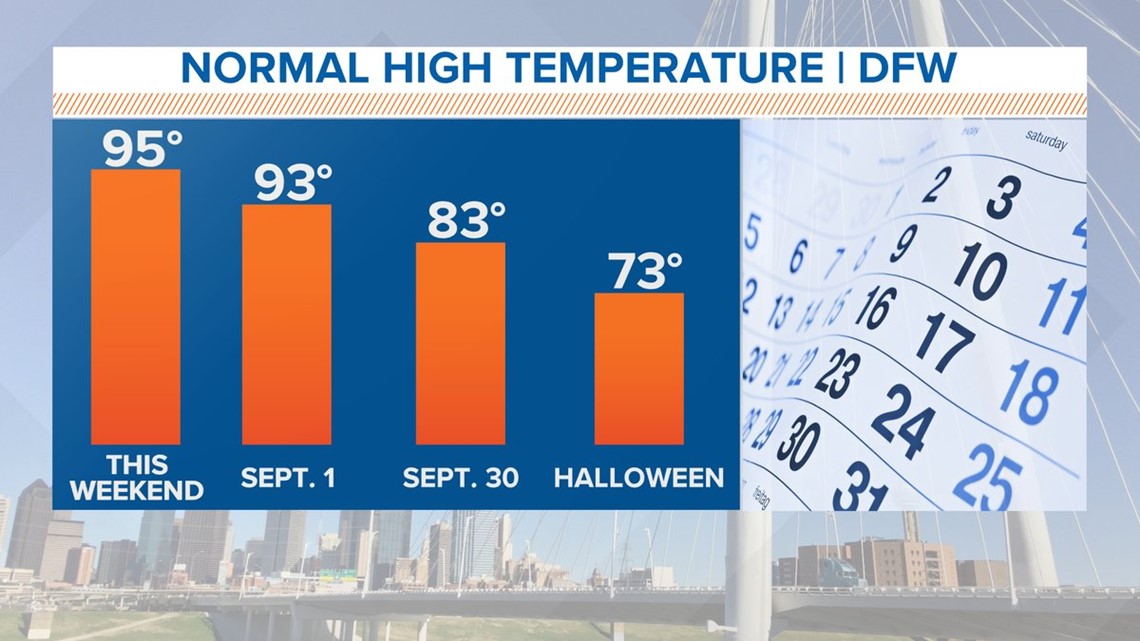
Central Texas, encompassing cities like Austin and San Antonio, experiences a more gradual transition. While September offers some relief, the full embrace of autumn typically arrives in October. The humidity may linger longer here than in the north, but the overall temperature drop is still significant and welcome.
South Texas and the Coastal Bend
South Texas and the coastal areas, including Houston and the Rio Grande Valley, often retain their warmth the longest. The proximity to the Gulf of Mexico moderates temperatures, meaning that while the intense heat of July and August may subside, the pleasant coolness of fall might not fully arrive until late October or even early November. Even then, the evenings are usually milder than in the northern parts of the state.
Planning Your Texas Adventure with the Seasons
Understanding when Texas begins to cool down is not just a matter of comfort; it’s a strategic element for anyone planning a visit or looking to maximize their enjoyment of the state.
Pre-Summer: Spring’s Fleeting Charm
While not the focus of cooling down, it’s worth noting that the period before the intense summer heat, during spring, is also a prime time to visit. March, April, and May offer increasingly warm but generally pleasant temperatures, perfect for enjoying the wildflowers or attending events like the Texas Hill Country Wine & Food Festival. However, by late May, the heat can begin to build noticeably.
The Ideal Autumn Window
For many, the ideal window to experience Texas at its most comfortable is from mid-October through November. During this period, the oppressive humidity of summer has largely given way to dry, pleasant air. The vibrant colors of fall, while not as dramatic as in some other parts of the country, can still be appreciated in certain areas, particularly in the East Texas piney woods. This is an excellent time for exploring historical sites, enjoying outdoor dining, and participating in local events.
Winter’s Mild Approach
Texas winters are generally mild compared to many other states. While North Texas and the Panhandle can experience occasional freezes and even snow, South Texas remains relatively warm throughout the winter months. January and February are typically the coldest months, but even then, many days offer sunshine and temperatures in the 50s and 60s Fahrenheit. This makes Texas a potential winter getaway for those seeking to escape harsher climates.
The Nuances of Texas Heat and Its Dissipation
The perception of “cooling down” in Texas is deeply tied to the dissipation of humidity and the reduction of sustained high temperatures. While the calendar might point to September 22nd as the start of autumn, the actual sensory experience of a cooler Texas unfolds over several weeks.
The Role of Humidity
Humidity plays a significant role in how heat is perceived. High humidity traps heat and moisture, making temperatures in the 80s Fahrenheit feel as oppressive as 90s Fahrenheit might feel in a drier climate. As the atmospheric conditions shift from summer to fall, the moisture content in the air gradually decreases, leading to a more comfortable and less “sticky” environment. This reduction in humidity is often the most noticeable sign of cooling.
Cold Fronts and Their Impact
The arrival of cold fronts is a pivotal factor in Texas’s cooling cycle. These fronts are responsible for pushing out the lingering summer air masses and ushering in cooler, drier conditions. The frequency and intensity of these fronts increase significantly in October and November. A strong cold front can drop temperatures by 10-20 degrees Fahrenheit or more within a 24-hour period, dramatically altering the feel of the weather.
Daylight Hours and Solar Intensity
As the Earth tilts away from the sun, daylight hours shorten, and the intensity of solar radiation diminishes. This gradual decrease in solar energy contributes to the cooling trend. Even on a sunny day, with shorter days and a lower sun angle, the land and air absorb less heat, contributing to lower overall temperatures, especially in the mornings and evenings.
In conclusion, while the calendar marks the autumnal equinox, the tangible sensation of Texas cooling down is a process that extends throughout September and into October. For travelers and residents alike, embracing the gradual shift from the relentless summer heat to the comfortable embrace of autumn unlocks the best of what the Lone Star State has to offer. From the crisp mornings in the Panhandle to the mild afternoons along the coast, understanding these climatic transitions allows for a more enjoyable and well-planned experience of Texas’s diverse beauty and attractions.
LifeOutOfTheBox is a participant in the Amazon Services LLC Associates Program, an affiliate advertising program designed to provide a means for sites to earn advertising fees by advertising and linking to Amazon.com. Amazon, the Amazon logo, AmazonSupply, and the AmazonSupply logo are trademarks of Amazon.com, Inc. or its affiliates. As an Amazon Associate we earn affiliate commissions from qualifying purchases.