
For anyone considering an extended stay, a temporary relocation, or even a permanent move to the vibrant metropolis of Chicago, understanding the local regulations is paramount. Among the various practical considerations, one question frequently arises for those with a vehicle: “How much is a city sticker Chicago?” This isn’t just a simple fee; it’s a vital aspect of local governance and a crucial piece of the puzzle for navigating urban life in the Windy City. While tourists driving rental cars for short visits typically don’t need to worry about this, anyone establishing a domicile or basing their personal vehicle in Chicago needs to be fully aware of this requirement, its cost, and its implications.
Understanding the Chicago City Vehicle Sticker
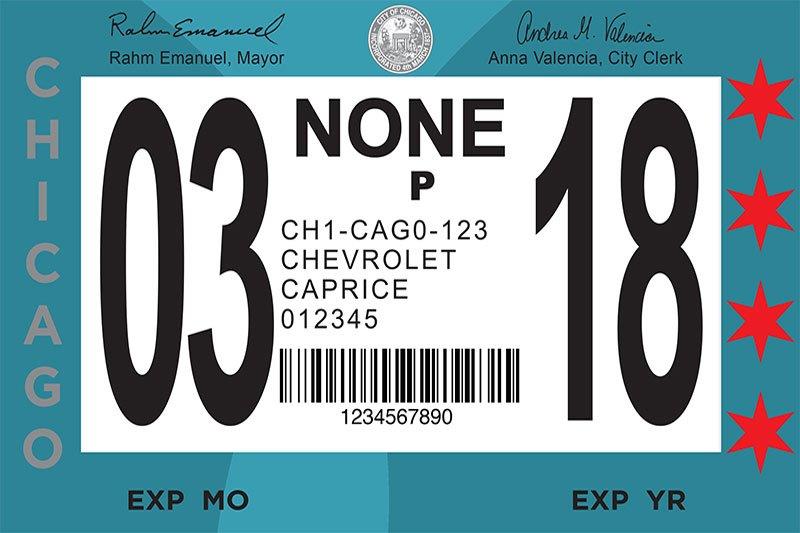
The Chicago City Vehicle Sticker is more than just a decal for your windshield; it’s a mandatory permit required by the city for any vehicle primarily garaged or kept within Chicago city limits. This regulation helps the City of Chicago fund essential services like street maintenance, public safety, and other critical infrastructure projects that benefit residents and visitors alike.
What Exactly is a Chicago City Sticker?
At its core, the Chicago City Vehicle Sticker serves as an annual registration and tax for vehicles based in the city. It’s a physical sticker that must be prominently displayed on the passenger side of your front windshield. The color and design change annually, making it easy for enforcement officers to identify expired or missing stickers. Failure to display a current and valid sticker can result in significant fines and penalties, making it a critical item for any long-term resident or frequent visitor with a personal vehicle.
Who Needs One?
The primary requirement falls on residents of Chicago. If your vehicle is registered to a Chicago address, or if you reside in the city for more than 30 days and keep a vehicle here, you are legally obligated to purchase and display a city sticker. This applies to personal cars, trucks, motorcycles, and even certain types of trailers. New residents or those acquiring a new vehicle have a 30-day grace period from the date of establishing residency or purchasing the vehicle to obtain their sticker. Businesses operating vehicles within the city are also subject to this requirement. For short-term tourists driving rental vehicles, the sticker responsibility generally lies with the rental company, and visitors typically do not need to concern themselves with obtaining one directly. However, if you are planning an extended stay, perhaps for work or study, and bringing your own vehicle, this requirement will apply to you.
The Cost Structure
The cost of a Chicago City Vehicle Sticker is not a flat fee; it varies significantly based on several factors, primarily the type and weight of your vehicle. These varying rates ensure a more equitable distribution of the financial burden, often correlating with the potential wear and tear a vehicle might inflict on city streets.
For a standard passenger car, the annual fee typically falls within the range of $87 to $135. Smaller passenger vehicles and motorcycles often incur the lower end of this spectrum, while heavier passenger cars or SUVs might be closer to the higher end. Large trucks and commercial vehicles have a separate, more substantial fee structure, which can range from a few hundred to over a thousand dollars, depending on their gross vehicle weight.
Additionally, seniors (65 years and older) may be eligible for a discounted rate on one passenger vehicle, offering some financial relief. The exact amounts are subject to change annually and are determined by the Office of the City Clerk. It’s always advisable to check the official City Clerk website for the most up-to-date pricing before making a purchase.
Navigating the Application and Renewal Process
Obtaining or renewing a Chicago City Vehicle Sticker is a relatively straightforward process, designed to be accessible to all residents. Understanding the steps involved can save time and prevent potential headaches.
Initial Purchase
When you first need a Chicago City Vehicle Sticker, you have several convenient options for purchase. The most common method is online through the official City Clerk’s website. This platform allows you to enter your vehicle and personal information, pay the fee, and have the sticker mailed directly to you. This is often the quickest and most efficient method.
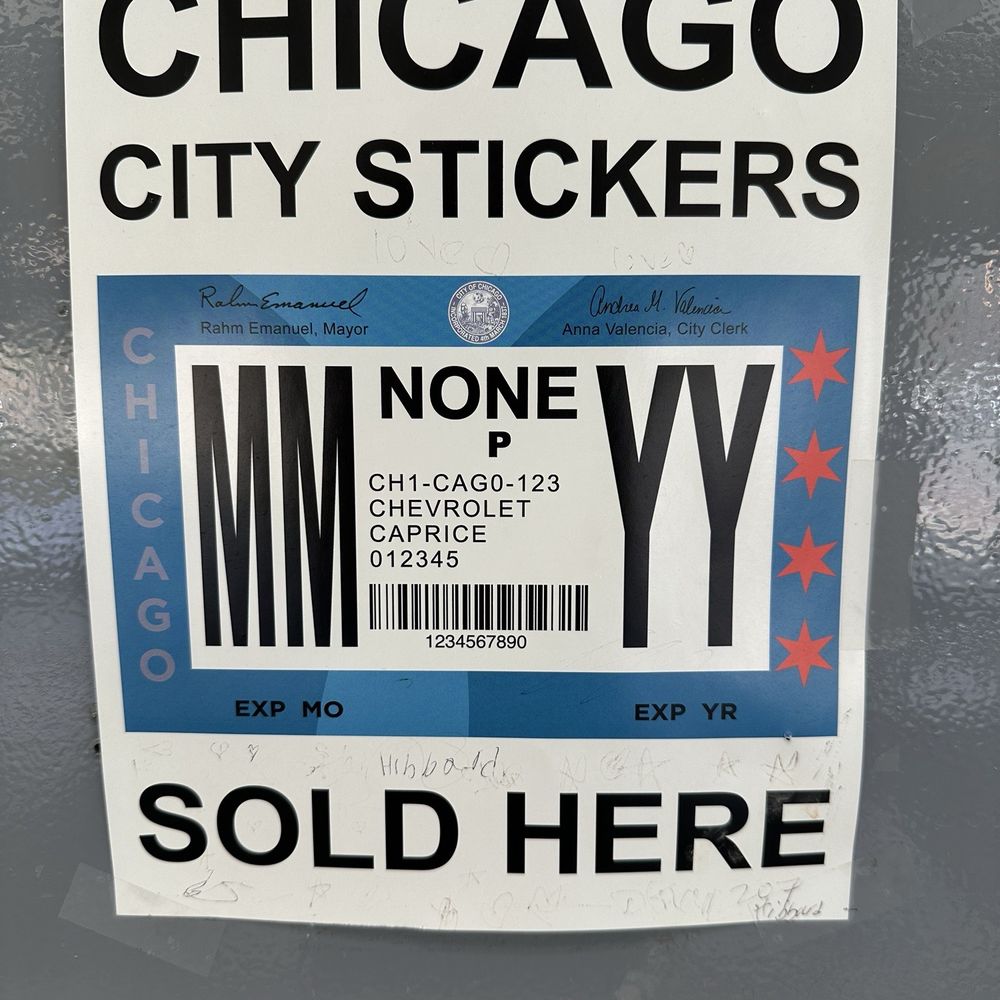
Alternatively, you can purchase a sticker in person at various authorized locations throughout the city, including designated City Clerk offices, mobile service events, and some currency exchanges. When purchasing in person, you’ll need to bring your vehicle registration, proof of residency, and a valid form of identification. For mail-in applications, you’ll typically send copies of these documents along with a check or money order.
Renewal Guidelines
Chicago City Vehicle Stickers are valid for one year and must be renewed annually. The expiration date typically coincides with your vehicle’s license plate expiration date, simplifying the renewal process for many. The City Clerk usually sends renewal reminders via mail or email well in advance of the expiration date. It’s crucial to pay attention to these reminders and renew on time to avoid late fees and potential tickets. The renewal process mirrors the initial purchase options: online, by mail, or in person. Many residents opt for online renewal for its convenience.

Exemptions and Special Cases
While the rule applies broadly, certain exemptions and special provisions exist. As mentioned, seniors often qualify for a discounted rate on one vehicle. Vehicles registered to individuals with disabilities may also have specific provisions or waivers, though full details should be verified with the City Clerk’s office. Temporary visitors driving a vehicle not primarily garaged in Chicago for short durations are typically exempt. However, if your “temporary” stay extends beyond 30 days and your vehicle is consistently parked in the city, you will likely fall under the requirement. It’s always best practice to clarify your specific situation with the City Clerk’s office if you are unsure.
The Financial Implications and Avoiding Penalties
Understanding the cost of a Chicago City Vehicle Sticker is just one part of the equation; comprehending the financial implications of non-compliance is equally important. The city takes its revenue-generating regulations seriously, and penalties for failing to adhere can quickly overshadow the initial sticker cost.
Fines for Non-Compliance
The most immediate consequence of not having a valid Chicago City Vehicle Sticker is a parking ticket. Fines for an expired or missing sticker can be substantial, often starting around $60, but escalating rapidly with late fees if not paid promptly. Moreover, if a vehicle is repeatedly found without a valid sticker, or if accumulated parking violations remain unpaid, the vehicle could be subject to booting or towing. The costs associated with boot removal or impoundment can easily run into hundreds of dollars, far exceeding the annual sticker fee. For example, a boot fee alone can be around $150, plus daily storage fees if towed, making a timely sticker purchase a highly cost-effective measure.
Where Do the Funds Go?
The revenue generated from Chicago City Vehicle Stickers is channeled directly back into essential city services. These funds contribute to maintaining the city’s vast network of streets, repairing potholes, clearing snow, and managing traffic flow. They also support critical public safety initiatives, environmental programs, and other municipal operations that enhance the quality of life for residents and improve the visitor experience. By understanding where these funds are allocated, residents and long-term visitors can appreciate the broader community benefit derived from this mandatory fee.
Budgeting for Your Stay in Chicago
For anyone planning an extended stay or a permanent move to Chicago, budgeting for the city sticker is a non-negotiable step. It should be factored in alongside other common urban vehicle expenses such as parking (which can be notoriously expensive in Chicago), tolls (especially if you frequently use expressways like the Illinois Tollway), and car insurance. Ignoring this relatively small annual fee can lead to disproportionately large financial penalties, impacting your overall budget and potentially souring your experience in the city. A proactive approach to understanding and fulfilling this requirement is a key “local tip” for seamless integration into Chicago’s urban fabric.
Beyond the Sticker: Other Driving Considerations in Chicago
While the city sticker is a significant local regulation, it’s just one piece of the larger puzzle when it comes to driving and parking in Chicago. For visitors and new residents alike, having a broader understanding of the city’s transportation landscape can greatly enhance their experience.
Parking Zones and Residential Parking Permits
Distinct from the city vehicle sticker, Chicago also operates a comprehensive residential parking permit program. Many neighborhoods, particularly those close to downtown or public transit hubs, have designated residential parking zones. To park on these streets during restricted hours, residents need to display a separate Residential Parking Permit, which is an additional cost. The cost for these permits varies and is typically purchased annually through the City Clerk’s office. Visitors can sometimes purchase daily guest passes from residents, but regular parking in these zones without a permit will result in tickets. Understanding these zones is crucial for anyone driving in the city, even if only for a short visit, as signage can be complex.
Public Transportation as an Alternative
For many residents and tourists, Chicago’s robust public transportation system offers an excellent alternative to driving. The Chicago Transit Authority (CTA) operates an extensive network of ‘L’ trains and buses, providing convenient access to virtually all major attractions, neighborhoods, and business districts. Metra commuter rail serves the suburbs and outer reaches of the metropolitan area. Utilizing public transit can negate the need for a personal vehicle, thereby eliminating the city sticker requirement, parking fees, and the stress of urban driving. For visitors, purchasing a multi-day CTA pass is often the most economical and efficient way to explore the city.
Driving in Chicago: Tolls and Traffic
If you do choose to drive in Chicago, be prepared for potential tolls and significant traffic, especially during peak hours. The Illinois Tollway system surrounds the city, and many routes into and out of Chicago involve toll roads. Visitors should ensure their vehicle (whether personal or rental) has an I-Pass or compatible E-ZPass transponder to avoid higher cash rates or mailed violation notices. Furthermore, Chicago is a major metropolitan area, and traffic congestion is a daily reality. Planning routes in advance, using navigation apps that account for real-time traffic, and allowing ample travel time are essential tips for navigating the city by car.
In conclusion, while the question “How much is a city sticker Chicago?” might seem niche, it unlocks a broader understanding of practical living and mobility within this dynamic city. For residents and long-term visitors, it’s a small but significant detail that underpins responsible urban engagement.
LifeOutOfTheBox is a participant in the Amazon Services LLC Associates Program, an affiliate advertising program designed to provide a means for sites to earn advertising fees by advertising and linking to Amazon.com. Amazon, the Amazon logo, AmazonSupply, and the AmazonSupply logo are trademarks of Amazon.com, Inc. or its affiliates. As an Amazon Associate we earn affiliate commissions from qualifying purchases.