
The landscape of gambling in Texas is a complex tapestry woven with historical restrictions, economic aspirations, and a persistent public debate. While the state is renowned for its vast ranches, burgeoning tech scene, and vibrant cultural hubs, its approach to legalized gambling has been notably conservative. This has led many to inquire about the specific agreements and legislative frameworks that govern, or potentially could govern, the expansion of gambling activities within the Lone Star State. Understanding the expiration dates of any existing “treaties” or legislative mandates is crucial for assessing the future possibilities and potential shifts in Texas’s gaming regulations.

The Nuances of Texas Gambling Legislation
Unlike many other states that have embraced various forms of casino gambling, horse racing, or sports betting, Texas has maintained a more restrictive stance. The state constitution generally prohibits lotteries and most forms of commercial gambling. However, this broad prohibition has been peppered with exceptions and ongoing legal challenges, creating a dynamic and often confusing environment for both potential operators and consumers. The term “gambling treaty” itself is not a formal legal designation within Texas law, but it effectively refers to the legislative agreements and statutory provisions that currently define the boundaries of legalized gambling. These are not akin to international treaties but rather the internal laws and constitutional interpretations that govern the state’s gaming activities.
Charitable Bingo and Raffles
One of the most established forms of legal gambling in Texas falls under the umbrella of charitable gaming. Organizations recognized as bona fide charities, such as religious institutions, veteran groups, and fraternal organizations, are permitted to conduct bingo games and raffles. This provision, enshrined in state law, allows these non-profit entities to raise funds for their operational expenses and charitable endeavors. The regulations surrounding charitable bingo are stringent, dictating the types of games allowed, the maximum prize amounts, and the frequency of games. These laws are periodically reviewed and amended by the Texas Legislature, but they do not operate under a fixed expiration date in the way a contract might. Instead, they remain in effect until a new law is passed to alter or repeal them.
Pari-Mutuel Wagering on Horse and Greyhound Racing
Historically, Texas has allowed pari-mutuel wagering on live horse and greyhound racing. The Texas Racing Commission (now defunct and its functions absorbed by other state agencies) was established to oversee this industry. However, the profitability and scope of horse and greyhound racing in Texas have faced significant challenges over the years, with several tracks operating intermittently or ceasing operations altogether. While the legislative framework for pari-mutuel betting on these events has been in place for decades, it is not governed by a singular “treaty” with a set expiry date. Instead, it is subject to ongoing legislative scrutiny and the potential for amendments or even complete repeal through standard legislative processes. The viability of these racing operations is often tied to broader economic factors and the availability of simulcast signals from other jurisdictions, rather than a specific expiration of a gambling agreement.
Historical Context of Gambling Expansion Debates
The conversation around expanding gambling in Texas is not new. It resurfaces regularly, often driven by economic development proposals, the allure of significant tax revenue generated in neighboring states like Oklahoma and Louisiana, and the desire to capture spending that currently leaves Texas. Proponents often point to the potential for job creation, increased tourism, and a substantial new source of funding for state services, including education and infrastructure. However, these proposals have consistently faced strong opposition from various groups, including religious organizations, law enforcement, and those concerned about the potential social costs of increased gambling addiction. This ongoing debate means that the legislative environment is constantly in flux, with various bills and proposals introduced and debated in each legislative session.
The Absence of a Formal “Gambling Treaty” with an Expiration Date
It is crucial to clarify that Texas does not have a formal “gambling treaty” with a specific expiration date akin to an international agreement or a private contract. The legal framework governing gambling in Texas is established through state statutes, constitutional amendments, and judicial interpretations. These are dynamic legislative and legal constructs that can be amended, repealed, or reinterpreted by the Texas Legislature and the courts.
Slot Machines and Casino Gaming
The most significant area where the concept of an expiring agreement might arise, albeit indirectly, relates to potential compacts with Native American tribes for casino gaming. In many other states, tribes operate casinos under compacts negotiated with the state government, which are subject to renewal or renegotiation. However, Texas has a unique legal situation regarding tribal gaming. The Kickapoo Traditional Tribe of Texas operates a casino, the Kickapoo Lucky Eagle Casino Hotel, which functions under federal law rather than a state compact for certain types of gaming. This arrangement is complex and has been the subject of legal challenges. For other tribes in Texas, the path to establishing Class III gaming (casino-style games like slot machines and table games) has been significantly more restricted due to the state’s stance. Any future agreements with tribes regarding expanded gaming would likely be governed by federal and state legislation, and such agreements would typically include terms for their duration and renewal, but these are not pre-existing, state-wide “treaties” with a fixed expiration.
Sports Betting: A Developing Frontier
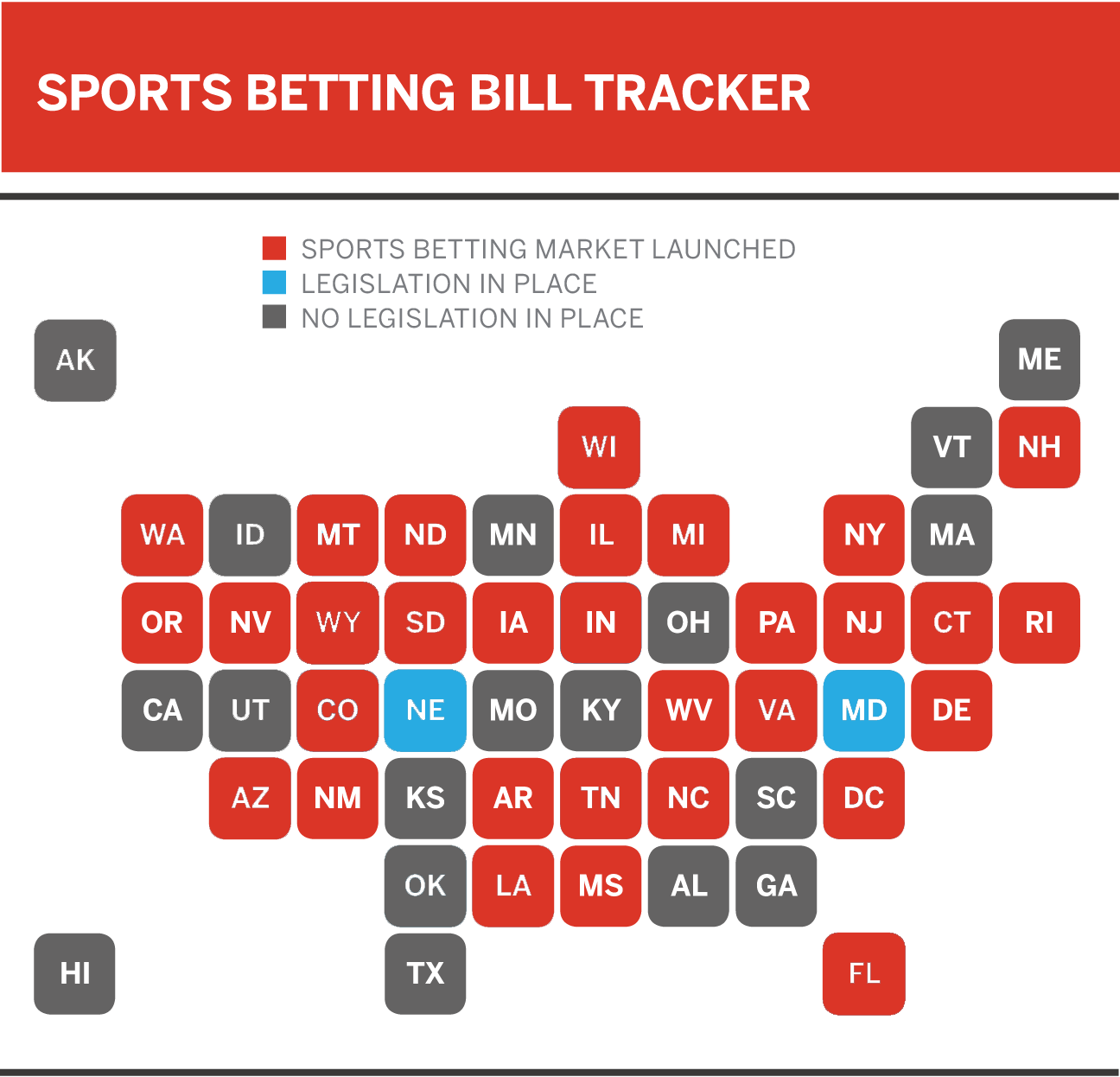
The legalization of sports betting has been a major development in the national gambling landscape, and Texas has been a focal point of intense debate. While several bills have been introduced in the Texas Legislature to legalize sports betting, none have successfully passed into law as of the current legislative sessions. The proposals have varied, with some advocating for retail-only sportsbooks at professional sports venues and others pushing for mobile sports betting statewide. The lack of a legislative framework means there is no existing “treaty” to expire. Should sports betting be legalized in the future, the legislation that authorizes it would likely contain provisions regarding licensing, regulation, and potentially the duration of initial operating licenses or revenue-sharing agreements, but these would be newly created, not expiring remnants of past accords.
Looking Ahead: The Legislative Horizon
The future of gambling in Texas remains an open question, heavily dependent on legislative action and public opinion. Each biennial legislative session brings renewed discussions and proposals. Understanding the current legal standing is paramount for anyone interested in the gaming industry within Texas, from potential investors to avid enthusiasts.
The Role of Constitutional Amendments
Significant expansions of gambling in Texas, particularly the introduction of casino-style gaming or a state lottery, would likely require amendments to the Texas Constitution. This process is more involved than simply passing a bill. It typically requires a two-thirds vote in both houses of the Texas Legislature, followed by voter approval in a statewide referendum. Therefore, any fundamental shift in Texas’s gambling laws would be a matter of considerable public debate and a lengthy legislative and electoral process, not a simple expiry of an existing agreement.

Potential for Future Compacts and Legislation
As the legal landscape of gambling evolves nationwide, and as Texas continues to grapple with budget considerations and economic development strategies, the conversation around gambling expansion is likely to persist. Any future legislative efforts could involve new statutes authorizing specific forms of gambling, such as sports betting, or potentially new frameworks for tribal gaming. These initiatives would be the product of new legislative agreements, not the expiration of dormant “treaties.” The absence of a formal, expiring “gambling treaty” means that changes to Texas’s gambling laws will hinge on the will of the legislature and the voters, rather than a predetermined end date for existing permissions. This makes the legislative session the critical juncture for observing any potential shifts in the state’s approach to gaming.
LifeOutOfTheBox is a participant in the Amazon Services LLC Associates Program, an affiliate advertising program designed to provide a means for sites to earn advertising fees by advertising and linking to Amazon.com. Amazon, the Amazon logo, AmazonSupply, and the AmazonSupply logo are trademarks of Amazon.com, Inc. or its affiliates. As an Amazon Associate we earn affiliate commissions from qualifying purchases.