
Understanding the climate of Dallas, Texas is paramount for any discerning traveler seeking to optimize their visit. This dynamic metropolis, nestled within the heart of North Texas, experiences a distinct four-season climate characterized by warm to hot summers, mild winters, and transitional periods of significant temperature variation. For those planning an itinerary that encompasses outdoor activities, cultural explorations, or simply a comfortable stay, grasping the nuances of Dallas weather will undoubtedly enhance the overall experience. This guide delves into the typical climatic patterns, offering insights into what to expect throughout the year and how to prepare for them.
Understanding Dallas’s Humid Subtropical Climate
Dallas is situated within a humid subtropical climate zone (Köppen classification: Cfa). This classification signifies that the region experiences hot, humid summers and mild to cool winters, with a significant amount of precipitation distributed relatively evenly throughout the year. Unlike many desert or coastal environments, Dallas doesn’t contend with extreme aridity or prolonged periods of coastal fog. Instead, its weather is largely influenced by continental air masses, with occasional intrusions of moisture from the Gulf of Mexico. This creates a predictable yet varied atmospheric tapestry that visitors should be aware of.
Seasonal Breakdown: A Year in Dallas Weather
To truly appreciate the climate, it’s beneficial to examine each season individually. This detailed breakdown will equip travelers with the knowledge to pack appropriately and plan their activities with confidence.
Summer (June – August)
Summers in Dallas are a defining characteristic of its climate, known for their intensity. Expect high temperatures that frequently soar into the 90s Fahrenheit (around 32-37 Celsius), with heat index values often exceeding 100°F (38°C) due to the significant humidity. Evenings offer little respite, with overnight lows typically remaining in the comfortable 70s Fahrenheit (21-26°C). Rainfall during the summer months often comes in the form of scattered thunderstorms, which can be powerful and brief, providing temporary relief from the heat. These storms are a common occurrence and can contribute to the region’s lush, albeit temporarily parched, landscape. Visitors planning a summer trip should prioritize hydration, seek air-conditioned indoor attractions like the Perot Museum of Nature and Science or the Dallas Museum of Art, and consider early morning or late evening excursions for outdoor activities. Sunscreen, hats, and lightweight, breathable clothing are essential.
Autumn (September – November)
As the summer heat begins to wane, Dallas transitions into autumn, a season often lauded for its pleasant weather and picturesque scenery. September can still retain some of the summer’s warmth, but by October and November, temperatures become noticeably cooler and more moderate. Average daytime highs hover in the 70s Fahrenheit (21-26°C) in early autumn, gradually descending into the 60s Fahrenheit (15-20°C) by late fall. Humidity levels also tend to decrease, making outdoor exploration more enjoyable. This is an ideal time to explore sites like Klyde Warren Park or stroll through the historic Deep Ellum district. Fall foliage can be observed, although it is generally less dramatic than in more northerly regions. Packing layers is recommended, as mornings and evenings can be cool, while afternoons remain mild. A light jacket or sweater will be invaluable.
Winter (December – February)
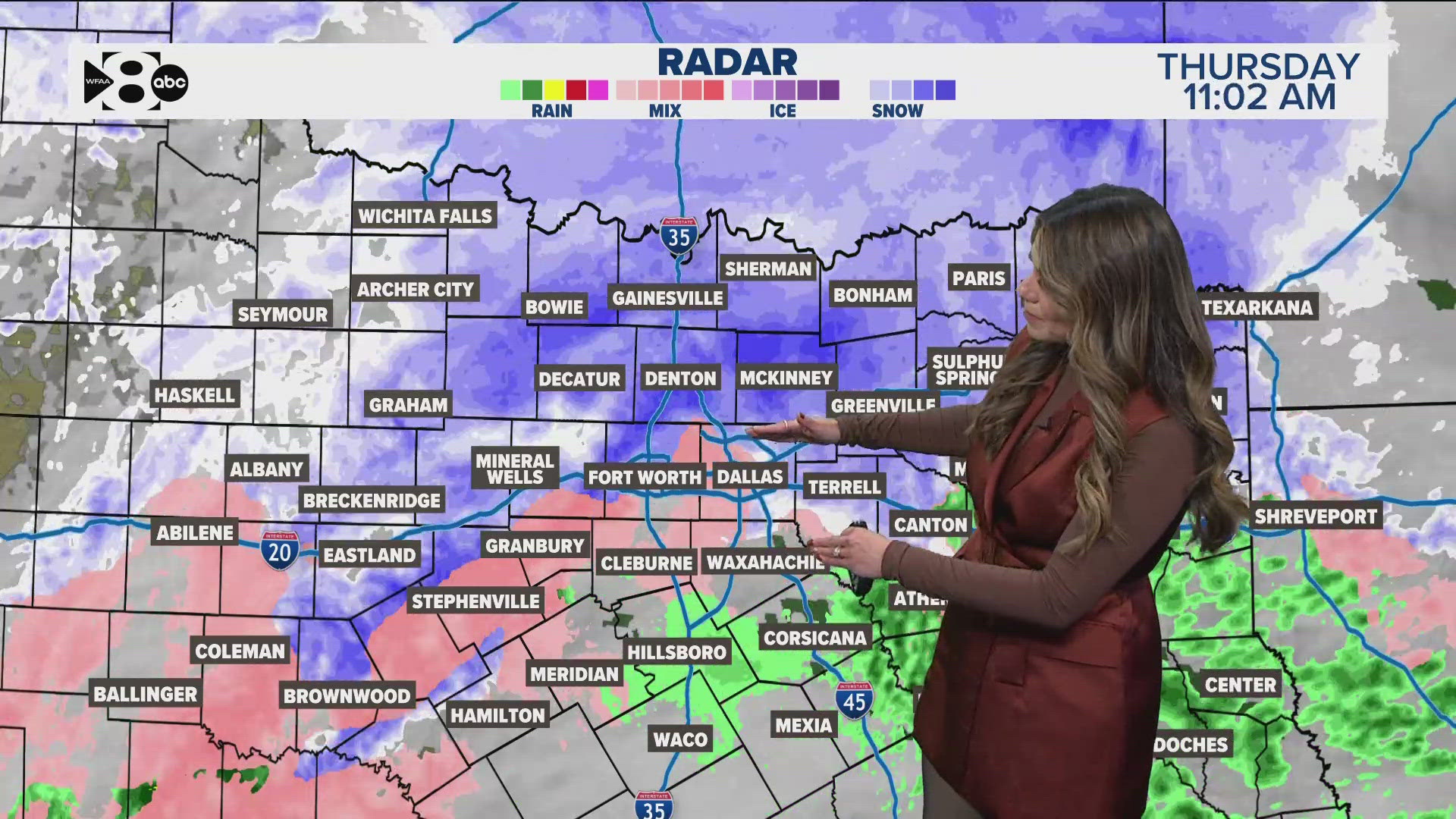
Dallas winters are generally mild, though they are not without their occasional cold snaps. Daytime temperatures typically range from the 50s to low 60s Fahrenheit (10-17°C), making it quite pleasant for sightseeing. However, periodic cold fronts can bring temperatures down into the 30s and 40s Fahrenheit (0-9°C), and freezing temperatures are not uncommon, particularly overnight. Snowfall is rare and usually does not accumulate significantly, but ice storms can occur, causing transportation disruptions. The humidity from the summer months can persist, leading to some damp and chilly days. Indoor activities remain a good option, but exploring the Dallas Arboretum and Botanical Garden during the holiday season, for instance, is still a popular choice, often with festive light displays. A warm coat, gloves, and a scarf are advisable for this season.
Spring (March – May)
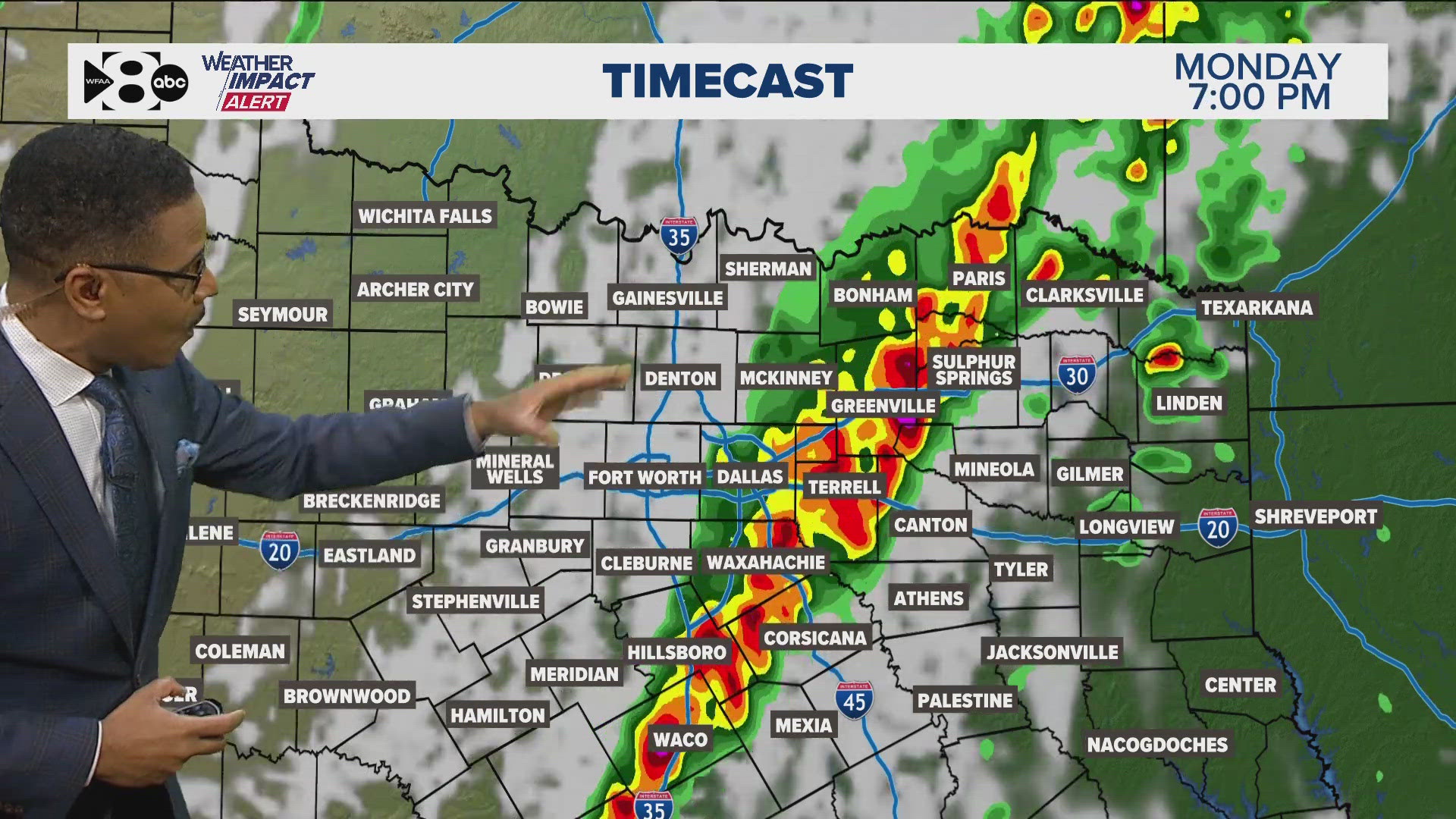
Spring in Dallas is a period of vibrant renewal and increasing temperatures, but also of significant meteorological volatility. March and April can experience a wide range of weather conditions, from pleasantly warm days in the 70s Fahrenheit (21-26°C) to unseasonably cold snaps. May typically sees a more consistent rise in temperatures, with daytime highs approaching the 80s Fahrenheit (27-32°C) and humidity beginning to increase. This season is also known for its potential for severe weather, including thunderstorms, hail, and tornadoes, which are more prevalent in Texas during the spring. Travelers should stay informed about weather forecasts and be prepared for rapid changes. Spring is a beautiful time to visit, with blooming flowers and green landscapes, making it ideal for exploring areas like the Dallas Arts District or enjoying outdoor dining. Layered clothing is again the best approach, with the addition of a waterproof jacket to handle potential rain showers.
Factors Influencing Dallas Weather

Several key geographical and atmospheric factors contribute to the unique weather patterns experienced in Dallas. Understanding these elements provides deeper context for the observed climate.
Proximity to the Gulf of Mexico
The Gulf of Mexico plays a crucial role in shaping Dallas’s climate. Prevailing southerly winds often draw warm, moist air from the gulf inland. This influx of moisture is a primary driver of humidity, especially during the summer months, and contributes to the region’s rainfall. It also moderates winter temperatures to some extent, preventing the extreme cold that might be experienced at similar latitudes further inland.
Continental Air Masses
Dallas is also subject to the influence of continental air masses originating from the north and west. In winter, these can bring significant cold fronts, leading to the aforementioned temperature drops and occasional icy conditions. In summer, they can contribute to periods of very hot and dry weather, though these are often broken by the arrival of moist gulf air. The interaction between these contrasting air masses is a key reason for the considerable day-to-day temperature fluctuations that can occur.
Tornado Alley
While Dallas is not located in the very heart of “Tornado Alley,” it is situated within a broader region where severe thunderstorms and tornadoes are a significant concern, particularly during the spring. The confluence of warm, moist air from the Gulf of Mexico, cool, dry air from the Rocky Mountains, and jet stream activity creates an environment conducive to the formation of these powerful weather phenomena. Awareness and adherence to severe weather safety protocols are essential for anyone visiting during this period.
Tips for Planning Your Visit Based on Weather
To make the most of your trip to Dallas, incorporating weather considerations into your planning is essential.
Best Times to Visit
Considering the climate, the spring (April-May) and fall (September-October) seasons generally offer the most pleasant weather for a visit. These periods provide moderate temperatures, lower humidity than summer, and a reduced risk of extreme cold. Outdoor festivals, sporting events like those hosted by the Dallas Cowboys at AT&T Stadium, and sightseeing are all highly enjoyable during these shoulder seasons.
Packing Essentials by Season
- Summer: Lightweight, breathable clothing (cotton, linen), sun hat, sunglasses, high SPF sunscreen, comfortable walking shoes, reusable water bottle, light rain jacket for thunderstorms.
- Fall: Layered clothing is key. T-shirts, long-sleeved shirts, a light to medium-weight jacket or sweater, comfortable pants, closed-toe shoes.
- Winter: Warm coat, sweaters, long-sleeved shirts, jeans or warm pants, scarf, gloves, waterproof shoes or boots for potential rain or ice.
- Spring: Layers, including t-shirts, sweaters, a light jacket, and a waterproof and windproof outer shell. Comfortable walking shoes are a must.
Staying Informed
Regardless of the season, staying informed about the weather forecast is crucial. Utilize reliable weather apps and local news channels for up-to-date information, especially during the spring and summer months when severe weather is a possibility. This proactive approach will allow for adjustments to your itinerary and ensure your safety and comfort throughout your stay in Dallas.
LifeOutOfTheBox is a participant in the Amazon Services LLC Associates Program, an affiliate advertising program designed to provide a means for sites to earn advertising fees by advertising and linking to Amazon.com. Amazon, the Amazon logo, AmazonSupply, and the AmazonSupply logo are trademarks of Amazon.com, Inc. or its affiliates. As an Amazon Associate we earn affiliate commissions from qualifying purchases.