
Understanding the financial implications of a workplace injury in Texas is crucial for employees navigating recovery and managing essential expenses. Workers’ compensation insurance in Texas, administered by the Texas Department of Insurance, is designed to provide a safety net, covering medical bills and lost wages. However, the timing of these payments is not immediate and depends on several factors. This guide delves into the intricacies of when workers’ compensation benefits typically begin in the Lone Star State, offering clarity for injured workers.
The Initial Stages of a Workers’ Compensation Claim
The journey to receiving workers’ compensation payments begins the moment an injury or illness occurs in the workplace. Prompt reporting is paramount, as delays can jeopardize the claim and, consequently, the commencement of benefits.
Reporting the Injury
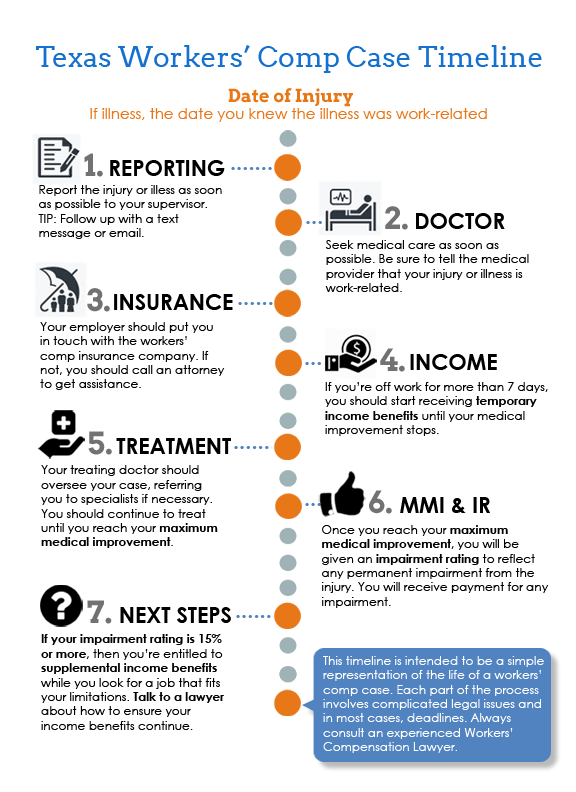
The first and most critical step for an injured worker is to report the incident to their employer. Texas law mandates that employees notify their employer of a work-related injury or illness as soon as possible, but no later than 30 days after the incident. Failure to report within this timeframe can lead to the denial of the claim, meaning no workers’ compensation benefits will be paid.
Upon receiving the report, the employer has a strict deadline to notify their workers’ compensation insurance carrier. This notification, typically through a DWC-1 form or similar reporting mechanism to the Texas Division of Workers’ Compensation (DWC), initiates the formal claims process.
The Role of the Insurance Carrier
Once the employer’s insurance carrier is notified, they will investigate the claim to determine its validity. This investigation may involve reviewing medical records, interviewing the injured employee and witnesses, and assessing the circumstances surrounding the injury. During this period, the carrier decides whether to accept or deny the claim.
If the claim is accepted, the process of initiating payments can begin. However, this acceptance does not instantly trigger a direct deposit. There are procedural steps and waiting periods involved.
Understanding Waiting Periods and First Payment Schedules
A significant factor influencing when workers’ compensation payments begin is the statutory waiting period. This period is designed to ensure that only employees experiencing a genuine loss of income due to their injury receive wage replacement benefits.
The Waiting Period for Income Benefits
In Texas, workers’ compensation income benefits, which compensate for lost wages, are subject to a seven-day waiting period. This means that an employee must be unable to work due to their work-related injury for at least seven consecutive days before they are eligible to receive these benefits. The first payment for lost wages will cover this seven-day period, plus any subsequent days of disability.
Crucially, this waiting period applies to the initiation of lost wage payments. It does not mean that medical benefits are also delayed. Medical treatment for a work-related injury typically begins immediately after the injury is reported and the claim is accepted, or at an approved treating doctor’s facility.
When Income Benefits Officially Commence
Income benefits are typically paid on a bi-weekly basis. This means that if an employee has satisfied the seven-day waiting period and continues to be disabled from working, their first payment will be issued after the second week of disability has concluded. The payment will include compensation for the initial seven-day waiting period and any subsequent days of lost wages during that pay cycle.
For example, if an employee suffers a disabling injury on a Monday and is unable to work for the next eight days (including that Monday), they will have met the seven-day waiting period. Their first payment, covering those eight days of lost wages, would generally be issued by the end of the second week of their disability.
It’s important to note that these are the statutory timelines. The actual processing and delivery of payments can sometimes be influenced by administrative factors.
Factors Affecting Payment Delays and Disbursements
While statutory timelines provide a framework, various elements can influence the precise timing of workers’ compensation payments. Understanding these can help injured workers manage expectations and proactively address potential issues.
Claim Acceptance and Medical Documentation
The speed at which a claim is accepted directly impacts the start of payments. If the insurance carrier requires extensive investigation or if there are disputes regarding the injury’s work-relatedness, the acceptance process can be prolonged. Similarly, the prompt and clear provision of medical documentation from treating physicians is vital. Without definitive medical opinions confirming the extent of the disability and the inability to work, the insurance carrier may hesitate to authorize wage replacement payments.
Authorized Treating Physicians and Medical Bills
Workers’ compensation in Texas requires injured employees to seek treatment from doctors certified by the DWC. While initial emergency treatment can be sought anywhere, ongoing care must generally be with an approved doctor. Delays in being seen by an authorized treating physician, or issues with the physician’s reporting, can indirectly affect the commencement of income benefits.
Furthermore, medical providers must submit bills to the insurance carrier for payment. If there are discrepancies or delays in billing, or if the carrier disputes the necessity or reasonableness of certain medical treatments, this can also create a ripple effect on the overall claim processing and payment schedule.
Disputes and Appeals
Disagreements between the injured worker, employer, and insurance carrier can arise regarding various aspects of the claim, including the extent of disability, the appropriateness of medical treatment, or the employee’s return-to-work status. Such disputes may necessitate formal dispute resolution processes through the DWC. These processes, which can include mediation, pre-hearing conferences, and formal hearings, can significantly extend the time it takes to resolve issues and, consequently, to initiate or continue payments.
Employer Communication and Responsiveness
The employer plays a crucial role in the efficient processing of a workers’ compensation claim. Prompt reporting of the injury, providing necessary information to the insurance carrier, and facilitating access to relevant documents can significantly expedite the process. Conversely, slow or incomplete communication from the employer can lead to delays.
Types of Benefits and When They Are Paid
Workers’ compensation in Texas provides two primary types of benefits: medical benefits and income benefits. The timing of each is distinct.
Medical Benefits
As mentioned earlier, medical benefits are designed to cover all necessary and reasonable medical care related to the work-related injury or illness. These benefits typically begin very soon after the injury is reported and the claim is accepted by the insurance carrier, or in emergency situations, immediately. The goal is to ensure that the injured worker receives prompt treatment to facilitate recovery and return to work.
The insurance carrier will pay for medical services, prescriptions, hospital stays, physical therapy, and other approved medical expenses, subject to the established fee guidelines set by the DWC.
Income Benefits (Temporary Disability)
Income benefits, also known as temporary disability benefits, are paid to replace a portion of the wages lost due to a work-related injury. As detailed, these payments are subject to the seven-day waiting period.
There are two types of temporary income benefits:
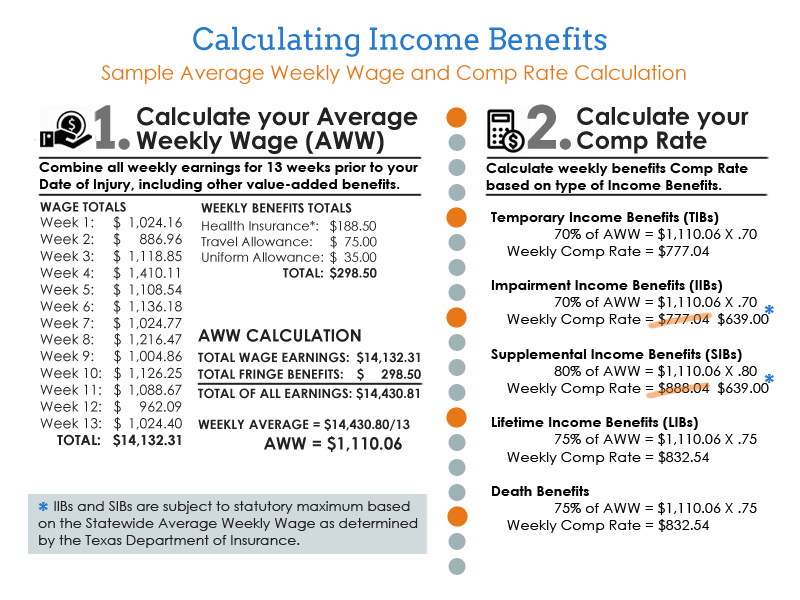
- Temporary Income Benefits (TIBs): Paid when an injured employee is temporarily unable to work due to a work-related injury. These are paid for the duration of the temporary disability, up to a maximum period determined by Texas law.
- Temporary Partial Benefits (TPBs): Paid when an injured employee can return to work but in a reduced capacity, earning less than their pre-injury wage. These benefits compensate for the difference between their current earnings and their average weekly wage before the injury.
Both TIBs and TPBs are typically paid bi-weekly, following the initial seven-day waiting period.
Permanent Disability Benefits
If a worker sustains a permanent impairment as a result of their injury, they may be entitled to permanent disability benefits. These can be:
- Impairment Income Benefits (IIBs): Paid for a permanent impairment that has been rated by a doctor.
- Supplemental Income Benefits (SIBs): Paid if the injured worker is unable to earn at least 80% of their average weekly wage and meets other eligibility criteria after reaching maximum medical improvement.
The timing of these benefits is entirely dependent on the medical determination of permanent impairment and the subsequent administrative processes, which can occur much later in the claim, often after the temporary disability period has ended.
Navigating the Process and Seeking Assistance
Understanding the timeline for workers’ compensation payments in Texas is crucial for financial stability during recovery. While the statutory framework exists, the actual experience can vary. Injured workers should remain proactive in communicating with their employer and the insurance carrier, ensuring all documentation is submitted promptly, and seeking medical attention from authorized providers.
Documentation is Key
Maintaining thorough records of all communications, medical appointments, bills, and any correspondence related to the workers’ compensation claim is essential. This documentation serves as a valuable resource if any disputes arise or if there are questions about payment status.
Proactive Communication
Regularly check in with the employer’s designated workers’ compensation contact or the insurance carrier’s claims adjuster. Inquire about the status of the claim, the expected timeline for payment, and any outstanding requirements. Being proactive can help identify and resolve potential roadblocks before they cause significant delays.

Seeking Legal Counsel
If an injured worker faces significant delays in receiving payments, disputes the insurance carrier’s decision, or feels their rights are not being adequately protected, consulting with a Texas workers’ compensation attorney is highly recommended. Attorneys specializing in this area understand the complex laws and procedures and can advocate effectively on behalf of the injured worker to ensure they receive the benefits they are entitled to in a timely manner. Organizations like the Texas AFL-CIO may also offer resources or guidance on workers’ rights.
The workers’ compensation system in Texas aims to provide essential support to injured workers. By understanding the timeline for payments, the factors that can influence them, and the types of benefits available, employees can better navigate this process and focus on their recovery.
LifeOutOfTheBox is a participant in the Amazon Services LLC Associates Program, an affiliate advertising program designed to provide a means for sites to earn advertising fees by advertising and linking to Amazon.com. Amazon, the Amazon logo, AmazonSupply, and the AmazonSupply logo are trademarks of Amazon.com, Inc. or its affiliates. As an Amazon Associate we earn affiliate commissions from qualifying purchases.