
Embracing a Fulfilling Lifestyle: The Path to Counseling in California
Embarking on a career as a counselor in California is more than just choosing a profession; it’s selecting a distinct lifestyle deeply intertwined with personal growth, community contribution, and the dynamic environment of one of the world’s most innovative states. California offers a diverse landscape for mental health professionals, from bustling urban centers like Los Angeles and San Francisco to serene coastal towns and expansive rural areas, each presenting unique opportunities and challenges. The journey to becoming a Licensed Professional Clinical Counselor (LPCC) in California is rigorous, requiring significant dedication to education, supervised experience, and ethical practice, ultimately shaping a lifestyle defined by empathy, resilience, and continuous learning.
Understanding the Landscape of Counseling in California
California stands at the forefront of mental health advocacy and innovation, driven by a diverse population with varied needs and a robust regulatory framework. The state’s demand for qualified mental health professionals continues to grow, fueled by increasing awareness, evolving healthcare policies, and a commitment to addressing mental wellness across all demographics. As a prospective counselor, understanding this landscape is crucial. California recognizes several types of licensed mental health professionals, including Licensed Marriage and Family Therapists (LMFTs), Licensed Clinical Social Workers (LCSWs), and Licensed Professional Clinical Counselors (LPCCs). While all share the common goal of helping individuals, families, and groups, the LPCC license specifically focuses on providing counseling services related to mental, emotional, and behavioral disorders through a clinical, person-centered approach.
The lifestyle of an LPCC in California can be incredibly varied. Some counselors establish private practices in vibrant cities, catering to specific niches like tech professionals in Silicon Valley or artists in San Francisco. Others work within established healthcare systems, community mental health clinics, schools, or non-profit organizations, serving a wide array of clients. The flexibility and potential for specialization mean that an LPCC’s daily life can be sculpted to align with their personal values and professional passions, offering a truly customizable career lifestyle.
Essential Educational Foundations
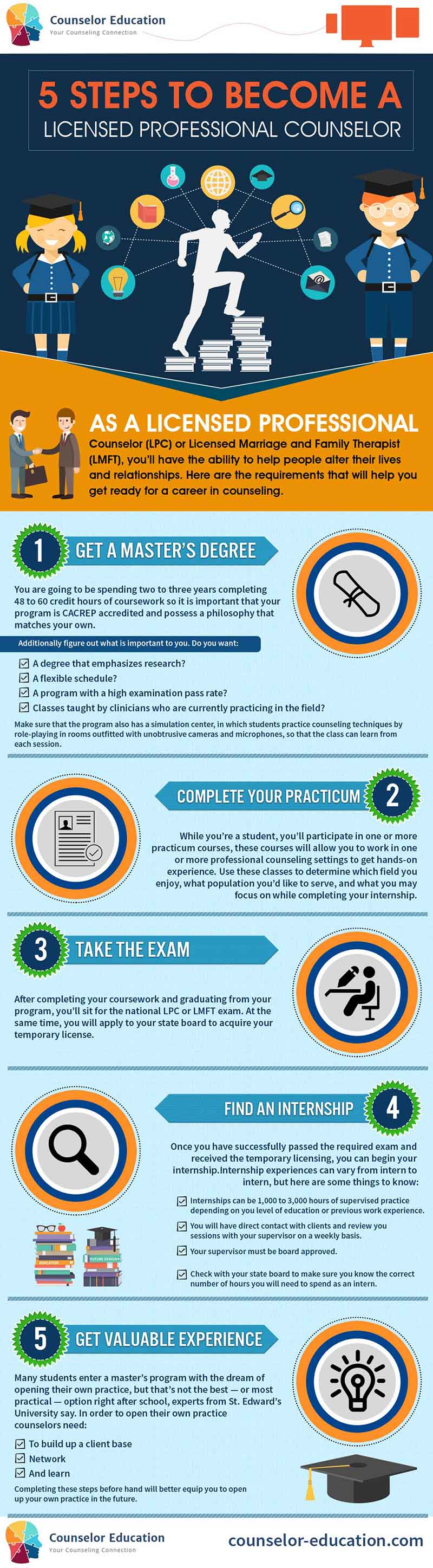
The foundational step toward becoming an LPCC in California is securing the appropriate education. This begins with a master’s or doctoral degree from an accredited institution. The program must be specifically in counseling or psychotherapy, or have a primary emphasis in counseling, and must be approved by the Board of Behavioral Sciences (BBS), the state’s licensing body.
Accreditation and Curriculum: It is imperative that the degree program is accredited by a recognized agency such as the Council for Accreditation of Counseling and Related Educational Programs (CACREP) or meets the equivalent BBS requirements. A CACREP-accredited program is often the most straightforward path, as its curriculum typically aligns well with state licensing standards. The curriculum must cover specific content areas including, but not limited to, human growth and development, social and cultural foundations, helping relationships, group counseling, career counseling, assessment, research and program evaluation, and professional orientation and ethics. Crucially, the program must also include a minimum of 60 semester units (or 90 quarter units) to meet California’s rigorous standards.
Practicum and Internship: Beyond coursework, the educational phase includes vital hands-on experience through practicum and internship placements. These supervised clinical experiences are integral to developing counseling skills, applying theoretical knowledge, and understanding the practicalities of client interaction. Typically, a master’s program will require several hundred hours of supervised practicum, allowing students to gain direct client contact hours under the guidance of licensed supervisors. This early exposure helps future counselors refine their therapeutic techniques, build rapport with clients, and navigate ethical dilemmas, all while beginning to understand the day-to-day rhythm of a counseling lifestyle. The selection of an academic program is a pivotal lifestyle decision, as it sets the trajectory for one’s professional development and future opportunities within California’s diverse counseling community.
Navigating Licensure: Key Requirements and Steps
Once the academic requirements are met, the journey transitions into the demanding yet rewarding phase of accumulating supervised experience and passing examinations, which are critical for acquiring the LPCC license in California. This period is a significant part of a counselor’s professional lifestyle development, blending continued learning with practical application.
Post-Graduate Experience and Supervision
After graduating with a qualifying master’s or doctoral degree, applicants must register with the Board of Behavioral Sciences as an Associate Professional Clinical Counselor (APCC). This registration allows individuals to accrue the required supervised clinical experience.
Supervised Hours: California mandates a total of 3,000 hours of post-degree supervised experience. These hours are typically divided into:
- Direct Client Contact Hours: A minimum of 1,750 hours must be direct face-to-face (or telehealth) counseling with individuals, couples, families, or groups. These are the core hours where an APCC directly applies their skills in a therapeutic setting.
- Non-Direct Clinical Hours: The remaining hours can be comprised of activities directly related to counseling, such as case management, writing progress notes, consulting with supervisors, attending professional workshops, or providing client advocacy.
Quality Supervision: The quality of supervision during this phase is paramount. APCCs must receive at least 104 weeks of supervised experience, with a minimum of one hour of individual or two hours of group supervision per week. Supervisors must be licensed professionals (LPCC, LMFT, LCSW, or licensed psychologist) who have met specific training and experience requirements set by the BBS. Effective supervision is a cornerstone of developing an ethical and competent counseling lifestyle, providing a safe space for reflection, skill enhancement, and professional identity formation. This intense period of supervision not only fulfills licensing requirements but also deeply influences a counselor’s therapeutic style and professional ethos, shaping their approach to client care and self-care within their burgeoning professional lifestyle.
Examination Process
Once the 3,000 hours of supervised experience are completed and verified by the Board of Behavioral Sciences, candidates become eligible to take the required licensing examinations.
California Law & Ethics Exam: This exam assesses an applicant’s knowledge of the laws and ethical guidelines specific to the practice of professional clinical counseling in California. It covers topics such as confidentiality, mandated reporting, dual relationships, scope of practice, and client rights. Passing this exam is a crucial demonstration of readiness to uphold the legal and ethical standards that define the counseling lifestyle in the state.
National Clinical Mental Health Counseling Examination (NCMHCE): This is a national standardized exam developed by the National Board for Certified Counselors (NBCC). The NCMHCE is designed to assess a candidate’s ability to apply knowledge and skills in various clinical situations, including assessment, diagnosis, treatment planning, and intervention. It uses case simulations to evaluate an applicant’s clinical judgment and decision-making capabilities. Both examinations require thorough preparation and represent significant milestones in the journey toward a fully licensed counseling lifestyle. Success in these exams signifies not only academic mastery but also the development of the clinical acumen essential for independent practice.
Specialized Paths and Continuing Development
Becoming an LPCC in California is not merely the culmination of a checklist; it’s the beginning of a lifelong journey of learning and specialization that continuously enriches one’s professional lifestyle. The dynamic nature of mental health and the diverse population of California offer ample opportunities for counselors to refine their expertise and expand their impact.
Diverse Counseling Modalities
Upon licensure, counselors have the freedom to explore various modalities and specializations, tailoring their practice to their interests and the needs of their community. This ability to specialize allows for a highly personalized and fulfilling professional lifestyle. Some popular areas of focus include:
- Trauma-Informed Care: Given the prevalence of trauma, many counselors specialize in techniques like Eye Movement Desensitization and Reprocessing (EMDR) or Somatic Experiencing to help clients process and heal from traumatic experiences.
- Addiction Counseling: With challenges related to substance use and behavioral addictions, specialists in this area play a critical role in recovery and prevention.
- Couples and Family Counseling: While LMFTs primarily focus on family systems, LPCCs often integrate family dynamics into their individual counseling or pursue additional training to work with couples and families.
- Child and Adolescent Counseling: Working with younger populations requires specialized knowledge of developmental psychology and age-appropriate therapeutic interventions.
- Grief Counseling: Supporting individuals through loss and bereavement is a deeply empathetic and essential specialization.
- Career Counseling: Assisting individuals with career development, transitions, and work-life balance issues.
- Telehealth Counseling: Especially post-pandemic, many counselors embrace telehealth to offer services remotely, increasing accessibility and flexibility for both practitioners and clients across California’s vast geographical expanse.
Pursuing these specializations often involves additional training, certifications, and continued education, ensuring that counselors remain at the cutting edge of their field and consistently enhance their therapeutic offerings, which is a hallmark of a committed professional lifestyle.
Sustaining Your Professional Lifestyle
The Board of Behavioral Sciences requires LPCCs to complete 36 hours of continuing education (CE) every two-year renewal period to maintain their license. These CE requirements are designed to ensure that counselors stay current with new research, therapeutic techniques, ethical guidelines, and legal updates. Beyond fulfilling the mandatory hours, engaging in ongoing professional development is essential for a thriving counseling lifestyle.
This can include attending workshops and conferences, participating in peer supervision or consultation groups, reading professional literature, and pursuing advanced certifications. Continuous learning not only enhances clinical skills but also prevents burnout, fosters professional growth, and keeps the work engaging and intellectually stimulating. Many LPCCs also engage in advocacy, mentorship, or leadership roles within professional organizations, further shaping their professional identity and contributing to the broader mental health community in California. This commitment to lifelong learning and professional engagement is intrinsic to the lifestyle of a dedicated counselor.
The Lifestyle of a Counselor in California
Becoming an LPCC in California is a deliberate choice for a lifestyle rich in purpose, intellectual engagement, and human connection. It offers a unique blend of autonomy and responsibility, providing the opportunity to make a profound difference in the lives of others while building a sustainable and adaptable career.
Impact and Rewards
The daily life of a counselor is rarely mundane. Each client brings a unique story and set of challenges, demanding empathy, critical thinking, and tailored interventions. The reward comes from witnessing clients achieve breakthroughs, develop coping mechanisms, and ultimately lead more fulfilling lives. This intrinsic satisfaction is a powerful driver for many who choose this path. Furthermore, the profession often fosters deep self-awareness and personal growth, as counselors are continuously reflecting on their own biases, strengths, and areas for development. This self-improvement aspect is a core component of the counseling lifestyle, creating a ripple effect that benefits both the practitioner and their clients.
California’s diverse population ensures a constant variety of cases, from high-stress corporate executives in San Jose to families navigating cultural transitions in San Diego, or individuals dealing with the aftermath of natural disasters in rural communities. This diversity enriches the professional experience and broadens a counselor’s perspective, making the lifestyle constantly evolving and intellectually stimulating.

Geographical Considerations within California
The decision to become a counselor in California also involves geographical lifestyle considerations. The state offers a vast array of environments, each with its own advantages and challenges for establishing a practice or finding employment.
- Urban Centers: Cities like Los Angeles, San Francisco, and San Diego boast a high demand for mental health services and offer a wealth of professional networking opportunities, diverse client bases, and access to specialized training. However, they also come with a higher cost of living and potentially more competitive markets.
- Suburban Areas: Communities surrounding major cities provide a balance, often with a strong sense of community, slightly lower costs, and a steady demand for general counseling services.
- Rural Regions: Less densely populated areas, such as those in Northern California or the Central Valley, often have fewer mental health professionals, leading to significant opportunities for those willing to serve underserved populations. While resources might be scarcer, the impact a counselor can have in these communities can be profound.
- State Capital: Sacramento, as the state capital, may offer opportunities related to public policy, government agencies, and diverse community needs.
Choosing where to practice is a significant lifestyle decision that impacts everything from commute times and cost of living to the types of clients served and the professional community one engages with. California’s unique blend of natural beauty, cultural richness, and progressive outlook makes it an exceptional place to live and pursue a counseling career. For those committed to the journey, becoming an LPCC in California offers a path to a challenging, impactful, and deeply rewarding professional lifestyle.
LifeOutOfTheBox is a participant in the Amazon Services LLC Associates Program, an affiliate advertising program designed to provide a means for sites to earn advertising fees by advertising and linking to Amazon.com. Amazon, the Amazon logo, AmazonSupply, and the AmazonSupply logo are trademarks of Amazon.com, Inc. or its affiliates. As an Amazon Associate we earn affiliate commissions from qualifying purchases.