
December in New York City offers a magical blend of festive cheer and bracing winter air, a time when the possibility of snow adds an extra layer of enchantment to an already captivating destination. While predicting the precise moment winter’s white blanket might descend upon the city is an exercise in meteorological uncertainty, understanding historical patterns, seasonal influences, and what a snowy New York experience entails can significantly enhance your travel planning and expectations. For the discerning traveler, anticipating this possibility means being better prepared to embrace the unique charm that snowfall brings to the iconic skyline and vibrant streets.

Understanding December’s Meteorological Landscape
December in New York typically marks the transition from autumn’s crispness to winter’s embrace. The average temperatures begin a steady decline, with daytime highs often hovering in the low to mid-40s Fahrenheit (around 4-7°C) and nighttime lows dipping into the 30s (around 0-4°C). This temperature range is crucial, as it sits on the cusp of conditions favorable for snow. For precipitation, New York can receive a mix of rain and snow during this month.
Historical Snowfall Patterns
When considering the likelihood of snow in New York during December, historical data provides valuable insight. While not every December witnesses a significant snowfall, the month is certainly within the typical winter weather season for the region. On average, New York City receives a modest amount of snowfall in December. However, averages can be deceiving. Some Decembers can be relatively mild with little to no accumulation, while others can experience substantial snow events that transform the city into a winter wonderland. For instance, significant snowfalls have occurred in past Decembers, impacting transportation and creating picturesque scenes. The historical frequency suggests that while a white Christmas is not guaranteed, the probability of encountering snow, even if just a dusting, is a distinct possibility. This variability underscores the importance of checking the forecast closer to your travel dates, but also of being mentally prepared for the potential of encountering wintry conditions.
Factors Influencing Snowfall
Several meteorological factors converge to determine whether New York experiences snow in December. The primary driver is temperature – specifically, the air temperature at ground level and at various altitudes. For snow to form and reach the ground as snow, the atmospheric temperature must be at or below freezing (0°C or 32°F). When temperatures are just above freezing, precipitation might fall as rain or a wintry mix of sleet and freezing rain.
Another critical element is the presence of moisture. Storm systems, often originating from the Great Lakes region or developing off the Atlantic coast, are responsible for delivering the necessary water vapor that condenses into precipitation. The track and intensity of these storm systems are paramount. A storm that tracks too far west might bring only cold rain, while one that moves too far offshore could result in less impactful precipitation for the city. The ideal scenario for significant snowfall involves a storm system that draws in cold air from the north while simultaneously pulling in moisture from the Atlantic, creating a favorable temperature profile and ample precipitation.
Embracing a Snowy New York Experience
Should New York be graced with snowfall during your December visit, the city transforms into a scene straight out of a holiday film. The iconic landmarks take on a new, softer beauty, and the atmosphere becomes even more magical. Planning for such an event means being ready to adapt your itinerary and fully embrace the unique opportunities that a snowy landscape presents.
Festive Sights and Sounds Amidst the Snow

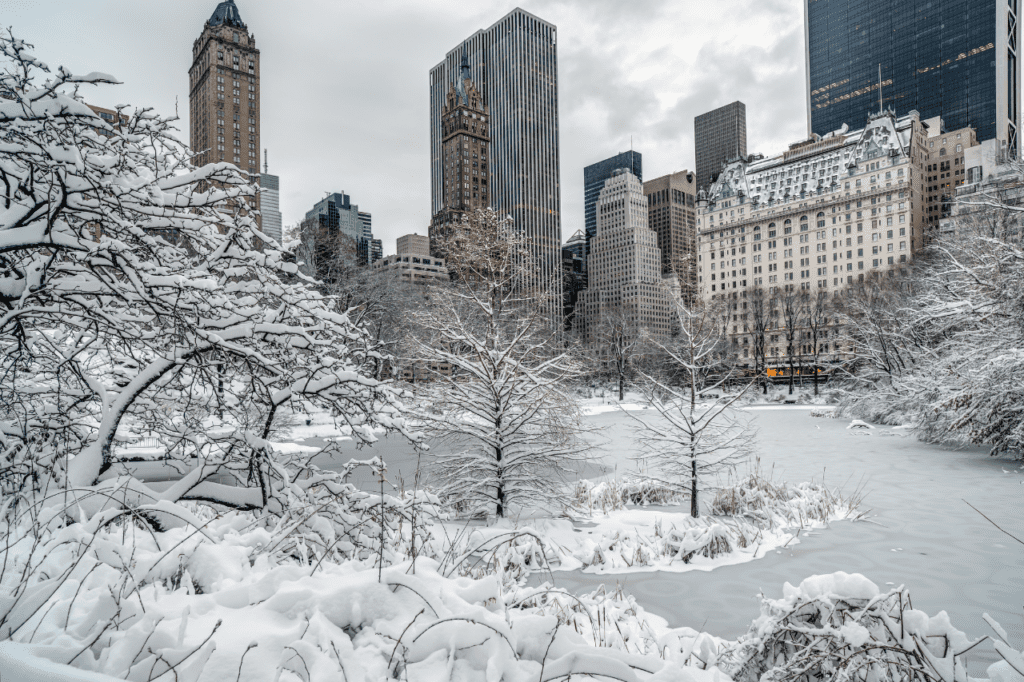
Imagine strolling through Central Park as snowflakes gently fall, dusting the bare trees and quieting the usual urban hum. The ice skaters at the Wollman Rink become even more of a charming spectacle against a white backdrop. Iconic streets, like Fifth Avenue, often lined with dazzling holiday displays, gain an ethereal glow under a layer of snow. The towering Christmas tree at Rockefeller Center is particularly breathtaking when illuminated against a snowy evening sky.
Beyond the visual transformation, the sounds of the city can also change. The usual symphony of car horns and sirens may be softened by the muffling effect of snow, allowing for a more intimate appreciation of holiday carols playing from shop entrances or the cheerful chatter of bundled-up visitors. Even a simple walk across the Brooklyn Bridge, with its sweeping views of the Manhattan skyline, becomes an unforgettable experience if the city is dusted in white.
Adapting Your Itinerary for Winter Weather
While the prospect of snow is exciting, it’s also practical to consider how it might impact your travel plans. Heavy snowfall can sometimes lead to disruptions in public transportation, including subway delays or the cancellation of some bus routes. However, New York City’s public transit system is generally resilient, and subway services often continue to operate, albeit sometimes with reduced frequency.
When snow is in the forecast, flexibility is key. Consider having a few indoor alternatives ready in case outdoor activities need to be curtailed. Museums like the Metropolitan Museum of Art or the American Museum of Natural History offer world-class experiences that are perfect for escaping the cold and snow. Broadway shows provide another fantastic indoor entertainment option, offering a dose of culture and escapism. If the snow is light, however, it often enhances the experience of visiting outdoor markets like the ones at Bryant Park or Union Square, where the twinkling lights and festive stalls are made even more picturesque. Remember to check the operating status of attractions and transit services in advance.
Practical Preparations for a December Visit
Regardless of whether snow materializes, a December visit to New York necessitates packing for cooler weather. If snow is a strong possibility, additional precautions will enhance your comfort and enjoyment.
Essential Packing List
When packing for New York in December, layering is paramount. Start with a base layer of thermal wear, followed by a warm mid-layer such as a fleece or sweater, and an insulating outer layer. A waterproof and windproof coat is essential, ideally one with a hood. For your lower body, warm trousers or insulated leggings are recommended.
Crucially, footwear must be warm and waterproof. Consider sturdy boots with good traction, especially if snow is expected, as they will provide warmth and prevent slips on icy surfaces. Wool or thermal socks are a must. Don’t forget accessories: a warm hat that covers your ears, insulated gloves or mittens, and a scarf or neck gaiter to protect your face from the biting wind. If you plan to spend extended time outdoors, hand and foot warmers can be a welcome addition. Even if snow doesn’t fall, these items will ensure comfort during brisk winter walks and outdoor sightseeing.
Navigating the City in Winter Conditions
If snow does fall, navigating New York becomes a more deliberate endeavor. Sidewalks are typically cleared, but they can become packed with snow or icy, especially in high-traffic areas. Taking your time and being mindful of your footing is advisable. Wearing your traction-enhanced boots will significantly improve your safety and confidence.
Public transportation remains a reliable option. The subway system, being underground, is largely unaffected by surface weather conditions. For buses and taxis, be prepared for potential delays. Many taxi services and ride-sharing apps operate as usual, but surge pricing might be in effect during periods of heavy demand due to weather. Exploring neighborhoods on foot can be a delightful experience after a snowfall, offering a unique perspective of the city’s architecture and street life. However, always be aware of your surroundings and prioritize safety. Enjoying a warm beverage at a cozy café after a snowy exploration is a perfect way to cap off a day of winter sightseeing in New York.
LifeOutOfTheBox is a participant in the Amazon Services LLC Associates Program, an affiliate advertising program designed to provide a means for sites to earn advertising fees by advertising and linking to Amazon.com. Amazon, the Amazon logo, AmazonSupply, and the AmazonSupply logo are trademarks of Amazon.com, Inc. or its affiliates. As an Amazon Associate we earn affiliate commissions from qualifying purchases.