
For the avid outdoors enthusiast, planning a trip around specific seasons is paramount to maximizing the experience. In Texas, the allure of duck hunting draws a considerable number of visitors each year, offering a blend of challenging sport and the chance to immerse oneself in the state’s diverse natural landscapes. Understanding the nuances of duck hunting season is not just about legality; it’s about optimizing your chances of a successful and memorable hunt, and for many, it’s a crucial component of their Texas tourism itinerary. This guide delves into the timing, regulations, and prime locations for duck hunting across the Lone Star State, ensuring you’re well-prepared for your adventure.
Understanding Texas Duck Hunting Regulations
The Texas Parks and Wildlife Department (TPWD) meticulously sets the regulations for hunting seasons each year to ensure sustainable populations of waterfowl and a fair hunting experience for all. These regulations are not static and can be influenced by various factors, including migratory patterns of different duck species and conservation efforts. Therefore, staying informed about the official guidelines is the first and most critical step for any hunter.
The Importance of the Migratory Bird Treaty Act
The foundation of duck hunting regulations in the United States, including Texas, lies in the Migratory Bird Treaty Act. This federal law protects migratory birds, including ducks, geese, and swans, from overhunting. The U.S. Fish and Wildlife Service (USFWS) works in conjunction with state wildlife agencies like the TPWD to establish hunting frameworks that align with conservation goals. These frameworks dictate the length of the hunting season, daily bag limits (the number of birds a hunter can possess), and possession limits (the total number of birds a hunter can have in their possession at any given time).
Key Dates and Season Structures
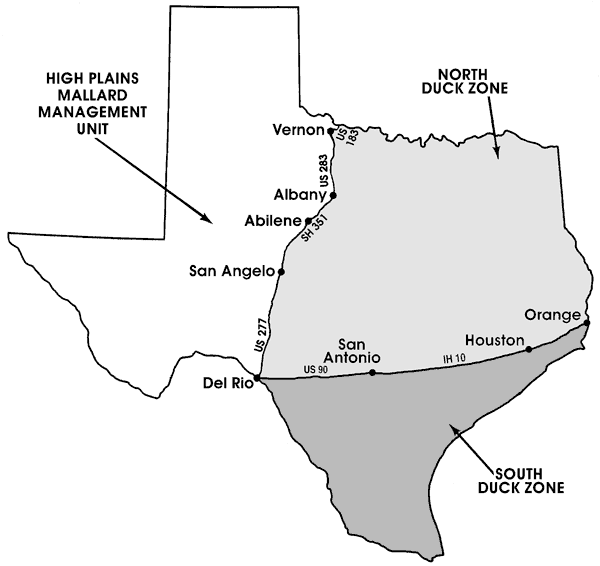
Texas is divided into different waterfowl hunting zones, primarily the North Texas zone and the South Texas zone, with some variations for specific species like the goose. This zoning is essential because different duck populations migrate through Texas at different times.
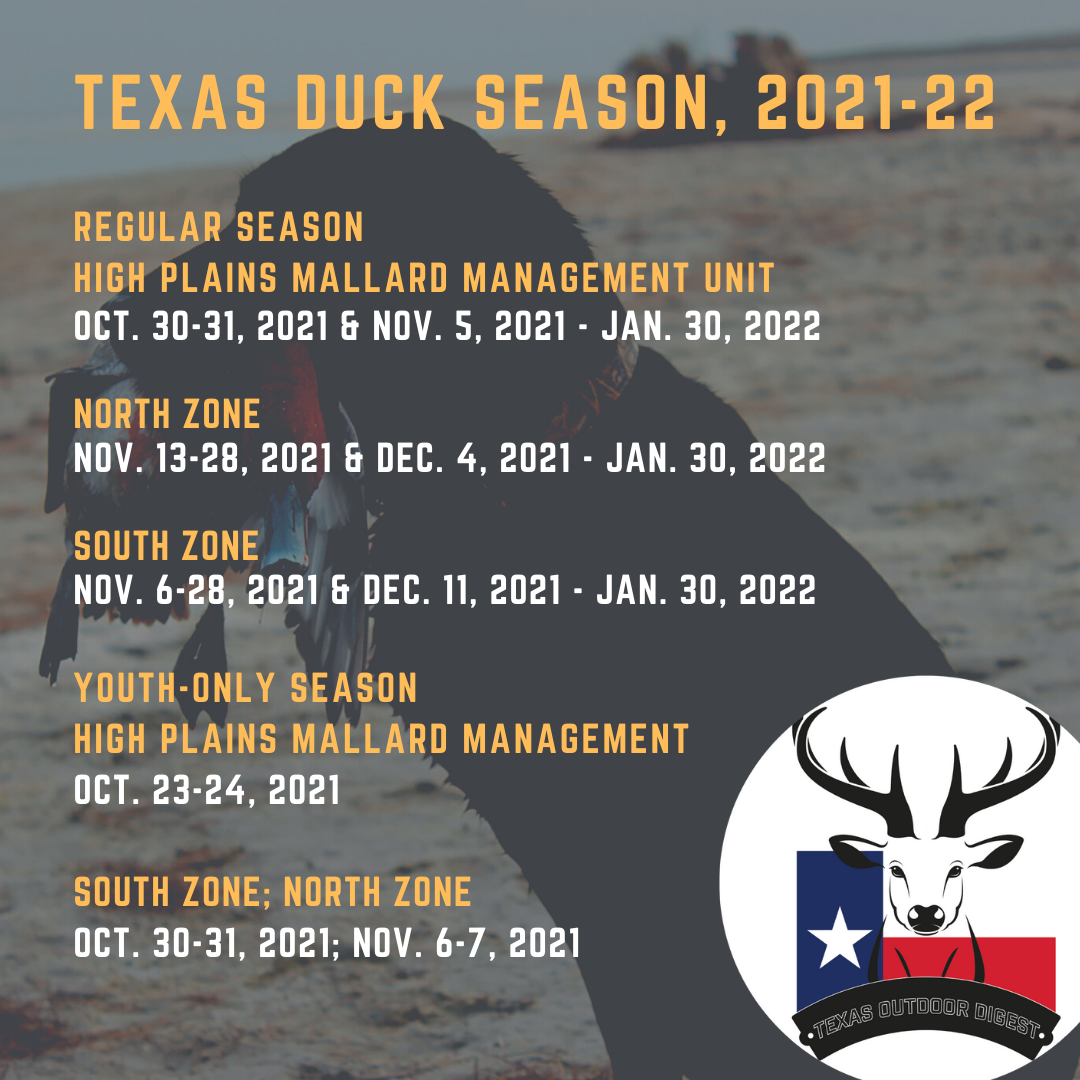
- North Texas Zone: This zone typically opens earlier, reflecting the earlier arrival of certain migratory duck species. The season usually starts in early November and runs through late January.
- South Texas Zone: Due to the later arrival of migratory birds in the southern parts of the state, the season in the South Texas zone generally opens a few weeks later and extends slightly longer into February.
Within these broader season dates, there are often special youth hunting days, usually held before the general season opens, offering a fantastic opportunity for younger generations to experience the sport under the guidance of experienced hunters. These dates are announced annually by the TPWD.
Bag and Possession Limits
Understanding the bag and possession limits is crucial for legal compliance. Typically, the daily bag limit for ducks is seven birds, but this limit often includes a restriction on certain species. For instance, there might be a limit of three scaup, two redheads, two canvasbacks, one mottled duck, and one Mexican-duck. These specific species limits can change year to year, so consulting the latest TPWD regulations is vital. The possession limit is usually twice the daily bag limit, meaning you can have no more than twice the number of birds allowed per day in your possession at any time.
Prime Duck Hunting Destinations in Texas
Texas boasts an incredible diversity of habitats that attract a wide array of waterfowl. From the vast coastal marshes to the sprawling rice fields and the numerous lakes and rivers across the state, there are numerous opportunities for a successful hunt.
The Coastal Bend
The Coastal Bend region of Texas, encompassing areas like Corpus Christi, Rockport, and Port Lavaca, is renowned for its rich waterfowl populations, particularly during the winter months. The extensive system of bays, estuaries, and coastal prairies provides crucial wintering grounds for a variety of duck species, including redheads, canvasbacks, pintails, and wigeons.
- Aransas National Wildlife Refuge: While not a hunting area itself, the refuge’s abundant wildlife and protected habitat contribute to the overall health of the waterfowl populations in the surrounding hunting areas. Nearby public hunting lands and private leases often benefit from the thriving ecosystem.
- Matagorda Bay: This expansive bay system offers excellent opportunities for boat-based duck hunting, allowing hunters to access prime feeding and resting areas for divers and sea ducks.
- Private Leases: Many private landowners in the Coastal Bend offer duck hunting leases, providing access to meticulously managed properties with high concentrations of birds.
East Texas Wetlands
East Texas, with its piney woods and abundant water sources, including large reservoirs and flooded timber, presents a different but equally rewarding duck hunting experience. Areas around Caddo Lake, Sam Rayburn Lake, and the Sabine River basin are known for attracting puddle ducks like mallards, wood ducks, and teal.
- Caddo Lake State Park: While hunting within the state park itself is generally restricted, the surrounding public lands and waterways offer potential hunting grounds. The unique cypress-swamp environment provides excellent cover and habitat for wood ducks.
- Sabine National Wildlife Refuge: This refuge offers limited public hunting opportunities in designated areas, providing access to diverse wetland habitats.
- Flooded Timber: Hunting in flooded timber is a quintessential East Texas experience. Hunters often use layout boats or set up blinds in the flooded woods, waiting for mallards and wood ducks to fly through.
The Panhandle and West Texas
While perhaps not as widely recognized for duck hunting as the coast or East Texas, the Panhandle and parts of West Texas offer unique opportunities, especially for hunters seeking a more remote experience. Large playa lakes, agricultural fields, and reservoirs in this region can attract significant numbers of ducks during migration.
- Playa Lakes: The multitude of playa lakes across the Texas Panhandle act as vital resting and feeding areas for migrating waterfowl. Many of these are privately owned, but some public hunting access may be available.
- Caprock Canyon State Park & Trailway: While hunting is not permitted within the main park areas, the broader region offers potential for accessing public lands and waterways that attract migrating birds.
- Lake Meredith: This reservoir in the Texas Panhandle can hold good numbers of ducks, especially during colder weather when other water sources freeze.
Preparing for Your Texas Duck Hunt
A successful duck hunt requires more than just knowing the season dates and locations. Proper preparation, including understanding the species you’re targeting, employing the right tactics, and ensuring you have the necessary gear, will significantly enhance your experience.
Gear Essentials
- Shotgun and Ammunition: A 12-gauge or 20-gauge shotgun is standard. Steel shot is mandatory for waterfowl hunting in Texas to protect the environment from lead contamination. Ensure you have an adequate supply of the correct shot size for the species you intend to hunt.
- Waders and Waterfowl Gear: Depending on the hunting location, chest waders are essential for staying dry and comfortable. Insulated clothing is crucial, especially for hunts in the cooler months. Camouflage clothing that matches the environment is vital for remaining undetected by waterfowl.
- Decoys: A selection of duck decoys that mimic the species you are targeting can attract birds within shooting range. The type and number of decoys will vary depending on the species and the hunting environment.
- Calls: Duck calls are used to imitate the sounds of waterfowl, attracting them to your spread. Learning to use different calls effectively for various species can significantly improve your success rate.
- Blind and Cover: Whether hunting from a natural blind, a portable blind, or a boat blind, effective camouflage is essential to conceal your presence.
- Retrieval Tools: A trained dog is the most effective way to retrieve downed birds. Alternatively, a boat or long-handled net can be used for retrieval.
Understanding Duck Behavior and Habitat
Successful duck hunting is deeply rooted in understanding the habits of the birds. Ducks are attracted to food sources, safe resting areas, and water. Different species prefer different habitats:
- Puddle Ducks (e.g., Mallards, Teal, Wood Ducks): These ducks prefer shallow water, flooded fields, marshes, and wooded swamps. They feed on seeds, grains, and invertebrates found on the surface or in shallow water.
- Diving Ducks (e.g., Redheads, Canvasbacks, Scaup): These ducks are typically found in deeper water, such as bays, large lakes, and rivers. They dive to feed on aquatic vegetation, mollusks, and small fish.
Scouting potential hunting locations before the season is crucial. Look for areas with abundant food sources, signs of duck activity (feathers, droppings), and favorable wind conditions. Understanding the prevailing winds is important, as ducks often land and take off into the wind.
Ethical Hunting Practices
Beyond the legal requirements, ethical hunting practices are paramount. This includes:
- Respecting Bag Limits: Never exceed the daily bag or possession limits.
- Making Clean Kills: Aim for shots that ensure a quick and humane harvest.
- Retrieving All Downed Birds: Every effort should be made to retrieve all birds that are shot.
- Respecting Property Rights: Always ensure you have permission to hunt on private land and follow all regulations on public lands.
- Conservation: Be mindful of the environment and practice conservation principles to ensure the long-term health of waterfowl populations.
By understanding the regulations, exploring the diverse hunting grounds Texas has to offer, and diligently preparing with the right gear and knowledge, you can ensure a rewarding and memorable duck hunting experience in the Lone Star State. The annual migration of waterfowl through Texas is a natural spectacle that offers a unique opportunity for outdoor adventure and a deep connection with nature.
LifeOutOfTheBox is a participant in the Amazon Services LLC Associates Program, an affiliate advertising program designed to provide a means for sites to earn advertising fees by advertising and linking to Amazon.com. Amazon, the Amazon logo, AmazonSupply, and the AmazonSupply logo are trademarks of Amazon.com, Inc. or its affiliates. As an Amazon Associate we earn affiliate commissions from qualifying purchases.