
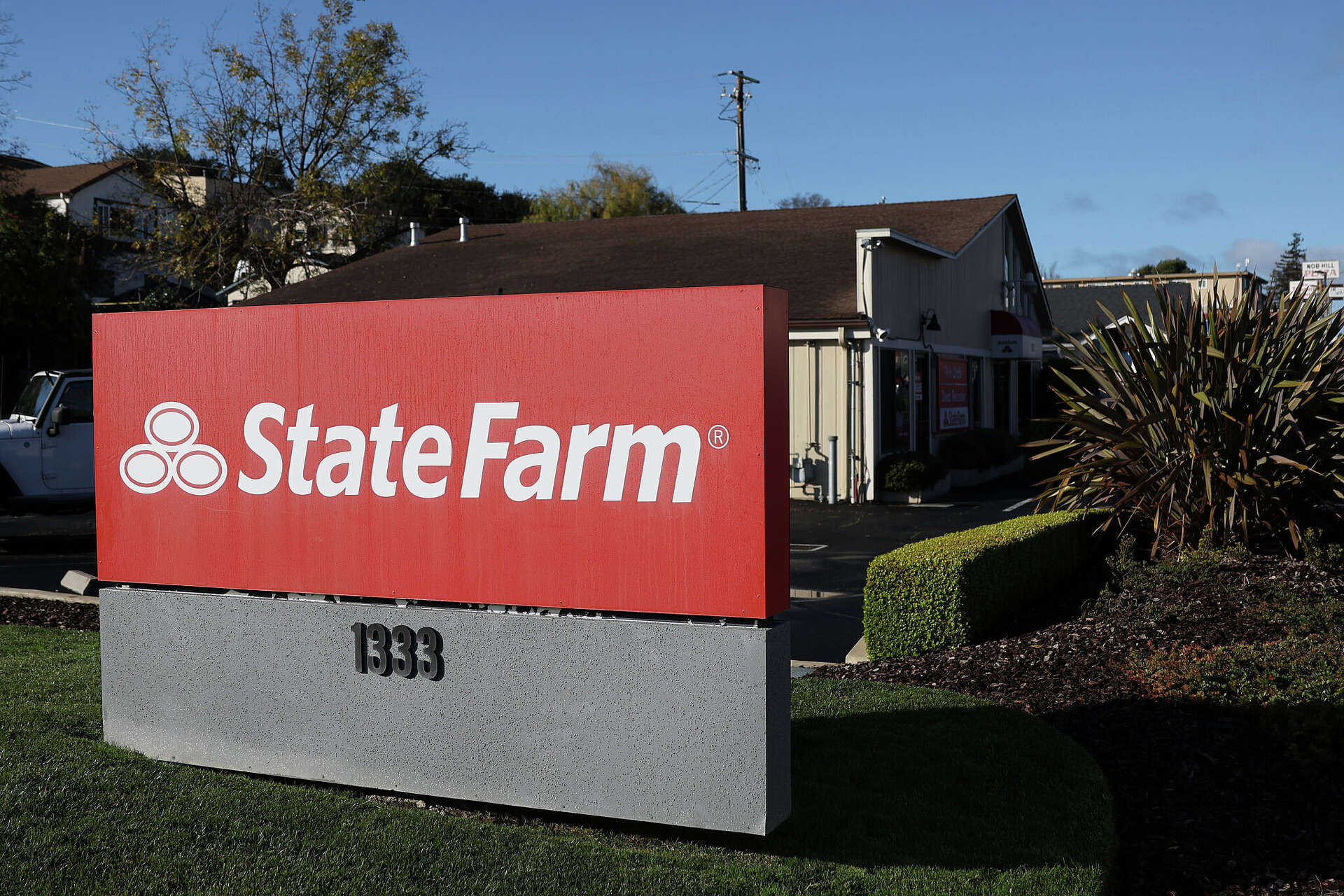
The decision by State Farm to cease offering new property and casualty insurance policies in California, and to not renew certain existing policies, sent shockwaves through the state, prompting questions about the stability of living in the Golden State. This move by one of the nation’s largest insurers is not merely a corporate financial adjustment; it profoundly impacts the lifestyle choices, financial security, and long-term planning of millions of California residents and businesses. Understanding the root causes of State Farm’s withdrawal reveals a complex interplay of environmental challenges, economic pressures, and regulatory landscapes that are reshaping what it means to live, work, and thrive in this iconic region.

The Evolving Landscape of California Living
California’s allure has long been its diverse landscapes, vibrant culture, and unparalleled opportunities. However, beneath the surface, several systemic issues have converged to challenge the traditional ease of lifestyle once enjoyed by its inhabitants. For insurers like State Farm, these challenges have translated into an unsustainable business model, directly influencing the availability and affordability of essential protections for homes and vehicles. The implications for personal lifestyle, from where one chooses to reside to the security of their assets, are significant.
The Weight of Natural Disasters on Homeowners’ Lifestyles
One of the most critical factors driving State Farm’s decision is the escalating frequency and severity of natural disasters, particularly wildfires. California has experienced a dramatic increase in catastrophic wildfire events over the past decade, causing billions of dollars in damage and tragically altering entire communities. For homeowners, this has shifted the very definition of security and peace of mind. Living in beautiful, wildland-urban interface areas, once considered idyllic, now comes with an acute awareness of risk. The threat of evacuation, property loss, and the lengthy, arduous process of rebuilding fundamentally impacts the lifestyle of residents in affected areas, creating a pervasive sense of vulnerability. Insurers, faced with mounting losses and the difficulty of accurately pricing such escalating risks, find it increasingly challenging to offer coverage without either drastically raising premiums to an unaffordable level or withdrawing from the market altogether. This situation directly threatens the dream of homeownership and stable community living for many California families.
Shifting Financial Realities for California Residents
Beyond wildfires, California also contends with other natural hazards, including earthquakes and mudslides, which further complicate the risk assessment for insurers. While specific earthquake coverage is often separate, the cumulative risk environment contributes to the overall financial calculus. Coupled with these environmental threats are the broader economic dynamics. Inflationary pressures have driven up the cost of materials and labor for repairs and rebuilding, meaning that replacing a damaged home now costs significantly more than in previous years. For insurers, this directly translates to higher claims payouts. For residents, it means that maintaining their lifestyle through adequate insurance coverage becomes exponentially more expensive, eroding disposable income and impacting everything from savings for retirement to funds for leisure and travel. The increased cost of living, already a substantial concern in California, is exacerbated by these rising insurance expenses, forcing many to re-evaluate their long-term financial viability and lifestyle expectations within the state.
State Farm’s Strategic Re-evaluation and Lifestyle Impact
State Farm’s move is a clear indicator of a strategic re-evaluation driven by these pressures, signifying a broader trend among major insurers in California. This corporate decision has profound implications, dictating the choices available to consumers and influencing property markets and urban development patterns across the state. The withdrawal is not just about a company leaving; it’s about a crucial safety net becoming less accessible, forcing individuals to adapt their lifestyles and financial strategies.
Adapting to New Coverage Challenges
State Farm cited “historic increases in construction costs, rapidly growing catastrophe exposure, and a challenging reinsurance market” as primary reasons for its decision. The “challenging reinsurance market” refers to the rising costs insurers themselves pay to transfer some of their risk to other companies. When reinsurance becomes more expensive or difficult to obtain, it directly impacts the primary insurers’ ability to offer affordable policies. For a California resident, this translates into a narrowing pool of available insurers and potentially exorbitant premiums from those still operating in the state. The lifestyle consequence is immediate: homeowners may find themselves underinsured, forced to choose between essential coverage and other household expenses, or facing the daunting task of securing coverage from lesser-known or non-admitted insurers, often at a significantly higher cost and with fewer regulatory protections. This shift introduces an unwelcome layer of complexity and stress into managing one’s personal and financial affairs, diminishing the quality of life and sense of stability.
Implications for Property Ownership and Development
The absence of major insurers like State Farm also has significant implications for property ownership and the future of development in California. Without readily available and affordable insurance, securing a mortgage becomes challenging, as lenders typically require comprehensive coverage. This creates hurdles for prospective homebuyers, especially in fire-prone areas, potentially depressing property values and limiting mobility. For those who already own homes, difficulty in obtaining renewal policies can lead to a precarious situation, impacting their ability to sell or refinance. From a lifestyle perspective, this threatens the intergenerational transfer of wealth tied to home equity and limits the flexibility of residents to relocate for jobs or personal reasons. Furthermore, it impacts the willingness of developers to build new homes, particularly in regions most susceptible to natural disasters, thus exacerbating California’s existing housing crisis and influencing where future communities can realistically be established.
The Ripple Effect: How Insurance Woes Shape California Lifestyles
The withdrawal of a major insurer creates a ripple effect that extends far beyond individual policyholders. It permeates the economic fabric of communities, influencing everything from local businesses to the tourism sector and reshaping the very concept of the “California lifestyle.” This is not just a financial issue; it’s a societal one that demands adaptive responses from both individuals and policymakers.
Choosing Where to Live and Work
The rising cost and diminishing availability of insurance are increasingly becoming a deciding factor in where individuals and families choose to live and work within California. Areas previously celebrated for their natural beauty and serene environments, particularly those nestled near wildlands, are now viewed through a lens of risk and affordability. The decision to stay, move, or even enter the California housing market is now heavily influenced by the ability to secure adequate and affordable home insurance. This forces a re-evaluation of lifestyle priorities, potentially leading to migration away from high-risk zones towards urban centers, which in turn places more pressure on already dense areas. For businesses, especially those reliant on physical premises, the inability to insure their assets at a reasonable cost can jeopardize their operations and growth, impacting local job markets and the vibrancy of community life.
The Future of Leisure and Business in the Golden State
The overall risk environment and the corresponding insurance challenges also cast a shadow over aspects of California’s famed leisure and business landscape. While tourism and recreational activities are not directly insured by homeowners’ policies, the economic stability of communities underpinning these industries is. If residents struggle with home insurance, their disposable income for leisure activities may decrease. Moreover, businesses operating in high-risk areas—from boutique hotels in Napa Valley to adventure tour operators in the Sierra Nevada—face their own challenges in securing property and liability insurance, potentially leading to higher operating costs or even closures. This can slowly erode the diverse offerings that contribute to California‘s unique lifestyle and attraction as a global destination. The uncertainty introduced by an unstable insurance market impacts investor confidence and long-term planning for ventures that depend on a predictable and secure operational environment.
Navigating the New Normal: Lifestyle Adjustments and Opportunities
The exit of State Farm signals a “new normal” for California residents, necessitating adjustments in personal financial planning and lifestyle choices. While the challenges are significant, they also spur innovation and encourage community-level resilience, offering opportunities for new approaches to protection and risk management.
Exploring Alternative Coverage Solutions
In response to the shrinking conventional insurance market, California residents are increasingly exploring alternative coverage solutions. This includes leveraging the California FAIR Plan, a state-mandated program that acts as an “insurer of last resort” for properties unable to obtain coverage in the voluntary market. While the FAIR Plan provides basic fire insurance, it often needs to be supplemented with a “differences in conditions” (DIC) policy from a private insurer to cover perils like liability, theft, or water damage. Navigating this two-policy system adds complexity and often higher costs to a homeowner’s financial burden, directly impacting their lifestyle by demanding more time, research, and budget allocation for what was once a straightforward process. Yet, understanding these alternatives becomes a crucial skill for maintaining one’s lifestyle in California’s evolving insurance landscape.

Community Resilience and Proactive Lifestyle Choices
Ultimately, the lifestyle in California is adapting through increased emphasis on community resilience and proactive personal choices. Homeowners are increasingly investing in home hardening measures, such as fire-resistant landscaping, updated roofing materials, and defensible space clearances, not just for safety but also in hopes of securing or retaining insurance coverage. Communities are strengthening their emergency preparedness plans, fostering a collective approach to risk management. These efforts, while demanding, foster a more engaged and resilient lifestyle, where residents are active participants in protecting their homes and neighborhoods. The State Farm decision serves as a powerful catalyst for California to confront its unique challenges head-on, re-evaluating long-term strategies for sustainable living and protecting the distinctive lifestyle that has long defined the Golden State.
LifeOutOfTheBox is a participant in the Amazon Services LLC Associates Program, an affiliate advertising program designed to provide a means for sites to earn advertising fees by advertising and linking to Amazon.com. Amazon, the Amazon logo, AmazonSupply, and the AmazonSupply logo are trademarks of Amazon.com, Inc. or its affiliates. As an Amazon Associate we earn affiliate commissions from qualifying purchases.