
Texas, a state synonymous with expansive landscapes, vibrant culture, and, for many, relentless heat, often leaves visitors and residents alike pondering a singular question as summer wanes: when will the blessed chill of autumn finally arrive? The answer, however, is rarely straightforward. Texas weather, much like its vast territory, is a study in contrasts and regional variations. Understanding the nuances of its seasonal shifts is key to planning the perfect getaway or simply navigating daily life across the Lone Star State.
Understanding the Texas Climate Spectrum
Texas’s sheer size dictates a diversity of climates. From the humid subtropical East Texas to the arid West Texas, and the coastal plains bordering the Gulf of Mexico, temperature and precipitation patterns vary significantly. This geographic tapestry plays a crucial role in when and how the “cold” – a relative term in Texas – makes its presence known.
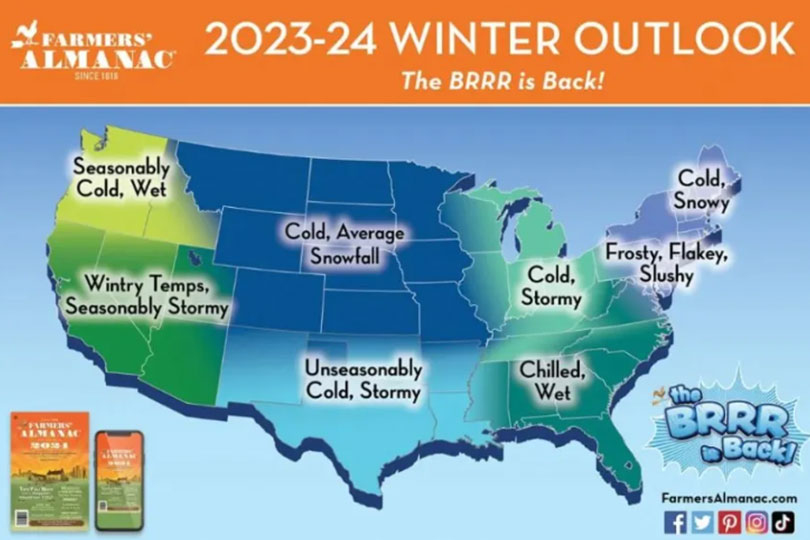
The Peculiarities of Texas Winters
While “cold” in Texas doesn’t typically conjure images of snow-laden mountains and sub-zero temperatures, it does signify a welcome respite from the sweltering summer months. This transition period, often referred to as fall or autumn, brings a unique charm to the state.
- Defining “Cold” in Texas: For many Texans, “cold” means temperatures dipping into the 50s and 60s Fahrenheit, occasionally reaching the 30s and 40s, especially during winter months. Freezing temperatures are not uncommon, particularly in the Panhandle and North Texas, but prolonged deep freezes are less frequent, though impactful when they occur.
- The Gulf Coast’s Influence: Areas like Houston and Corpus Christi experience milder winters due to the moderating effect of the Gulf of Mexico. While they still see cooler days, the frost and ice are generally less severe and shorter-lived compared to inland regions.
- West Texas’s Arid Embrace: The high plains and desert landscapes of West Texas, including cities like El Paso, experience more dramatic temperature swings. Winters here can be crisp and cool, with occasional snow, while summers are intensely hot.
The Transition: From Summer’s Grip to Autumn’s Whisper
The shift from summer’s oppressive heat to a more temperate climate is a gradual one, often marked by subtle changes before a definitive cool front sweeps through.
- Early Indicators: As early as late September, particularly in the northern parts of the state, one might begin to feel a slight drop in humidity and a less intense sun. Mornings can become noticeably cooler, offering a hint of what’s to come.
- The Role of Cold Fronts: The arrival of “cold fronts” is the primary driver of temperature changes in Texas. These are masses of colder air that push southward, bringing with them lower temperatures, drier air, and often clearer skies. The frequency and strength of these fronts determine how quickly the state cools down.
- Mid-October Transition: By mid-October, most of Texas begins to experience a more consistent cool-down. The days are shorter, the sun is less direct, and the evenings become genuinely pleasant. This is often the period when the “cold” truly feels established, making it ideal for outdoor activities.
- Late October and November: As November approaches, the chances of experiencing truly cool weather increase significantly across the state. This is the prime time for enjoying crisp air, vibrant fall foliage (though less dramatic than in some other regions), and seasonal events.
When to Pack Your Fall Wardrobe for Texas
For the traveler planning a trip to Texas with the hope of experiencing cooler weather, timing is everything. The “cold” season isn’t a monolithic block but rather a spectrum of increasingly pleasant temperatures.
Peak Fall Comfort: October and November
These two months generally offer the sweet spot for those seeking respite from summer heat.
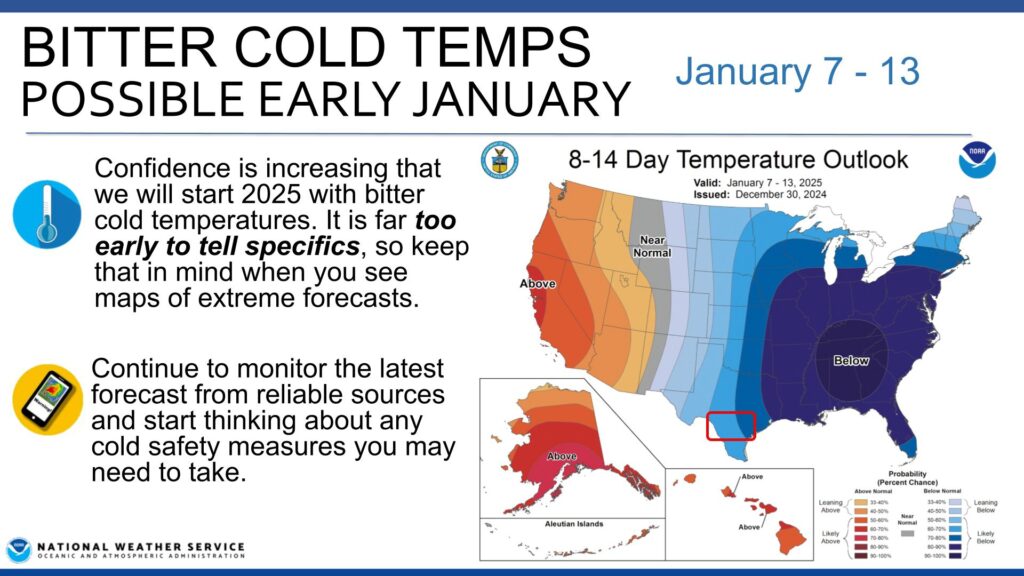
- October’s Promise: While early October can still hold onto summer warmth, by the latter half of the month, particularly from the Texas Hill Country northward, the air is typically crisp and inviting. Daytime temperatures often hover in the 70s Fahrenheit, with evenings dipping into the 50s. This is perfect for exploring cities like Austin or San Antonio without the oppressive humidity.
- November’s Assurance: November solidifies the arrival of cooler weather. Temperatures across much of the state frequently range from the 60s during the day to the 40s at night. This is an excellent time for visiting attractions like Big Bend National Park or enjoying a football game, where a light jacket or sweater is usually sufficient.
The “True” Winter: December to February
While Texas winters are generally mild compared to many other parts of the country, this period does bring the coldest temperatures.
- December’s Chill: December marks the official start of winter, and while it can still be pleasant, you should be prepared for cooler days and frost. North Texas can experience average daytime highs in the 50s, while the Panhandle can see temperatures hover in the 40s.
- January’s Deepest Freeze: January is typically the coldest month. While rare, periods of significant cold snaps, sometimes with freezing rain or even light snow, can occur, particularly in northern and western regions. Coastal areas remain the mildest.
- February’s Lingering Cool: February continues the winter pattern, with temperatures gradually starting to climb as the month progresses. By the end of February, signs of spring often begin to emerge, particularly in South Texas.
Seasonal Activities Enhanced by Cooler Weather
The arrival of cooler temperatures in Texas unlocks a plethora of activities and experiences that are far more enjoyable than during the peak summer heat.
Embracing the Outdoors
- Hiking and Biking: Trails in places like the Texas Hill Country or the state parks near Dallas become prime destinations. The cooler air makes strenuous activity far more comfortable.
- Festivals and Events: Texas is renowned for its numerous festivals, many of which are scheduled to take advantage of the pleasant fall and winter weather. From pumpkin patches and Oktoberfests to holiday markets and local fairs, there’s always something happening.
- Rodeos and Football: The iconic Texas experience of attending a rodeo or a high school or professional football game is significantly enhanced when you’re not battling the heat. The crisp autumn air is the perfect backdrop for these quintessential Texan pastimes.
Culinary Delights
- Barbecue Season: While barbecue is a year-round affair in Texas, the cooler months make it the perfect time to enjoy slow-cooked brisket and ribs outdoors without breaking a sweat. Many of the legendary Texas barbecue joints see an uptick in visitors during this period.
- Farmers Markets: Fall brings a bounty of seasonal produce to Texas farmers’ markets, from pumpkins and squash to pecans and citrus fruits. Exploring these markets is a delightful way to experience local flavors.
- Outdoor Dining: Many restaurants across Texas feature patios and outdoor seating, which become highly desirable as the weather cools. Enjoying a meal or a drink al fresco is a cherished fall and winter activity.
What to Pack When Seeking the Texas Chill
When planning your trip to Texas with the anticipation of cooler weather, layering is the key.
- Light Layers: Pack lightweight sweaters, long-sleeved shirts, and comfortable pants. These can be easily added or removed as temperatures fluctuate throughout the day.
- A Medium Jacket: A fleece jacket, a light down vest, or a windbreaker will be invaluable for cooler mornings and evenings, especially in North and West Texas.
- Comfortable Footwear: You’ll likely be doing a lot of walking and exploring, so comfortable shoes are essential. Hiking boots might be appropriate for extensive outdoor adventures.
- Rain Gear (Optional but Recommended): Texas weather can be unpredictable, and while the cooler months tend to be drier, occasional rain showers can occur. A light, packable rain jacket is a sensible addition.
- Sun Protection: Even in cooler months, the Texas sun can be strong. Pack sunglasses, sunscreen, and a hat, especially for daytime excursions.
In conclusion, while the question “When is it gonna get cold in Texas?” is a common refrain, the answer is a delightful spectrum. From the first whispers of coolness in late September to the crisp, invigorating air of November and the mild, but distinctly cooler, winter months, Texas offers a refreshing escape from its summer intensity. By understanding the regional variations and the rhythm of the cold fronts, visitors can perfectly time their trips to enjoy the unique charm and cooler climate of this vast and diverse state.
LifeOutOfTheBox is a participant in the Amazon Services LLC Associates Program, an affiliate advertising program designed to provide a means for sites to earn advertising fees by advertising and linking to Amazon.com. Amazon, the Amazon logo, AmazonSupply, and the AmazonSupply logo are trademarks of Amazon.com, Inc. or its affiliates. As an Amazon Associate we earn affiliate commissions from qualifying purchases.