
The Lone Star State is renowned for its proud adherence to individual liberties, and this ethos extends to the right to self-defense. In Texas, the laws surrounding the use of deadly force are complex and are often misunderstood. While the right to defend oneself is deeply ingrained, it is not an unfettered license to shoot. Understanding the legal framework is crucial, particularly for those who travel to or reside in Texas, as ignorance of the law is no defense. This article delves into the nuances of when deadly force, including the use of a firearm, is legally permissible in Texas, focusing on the principles of self-defense and the Castle Doctrine.
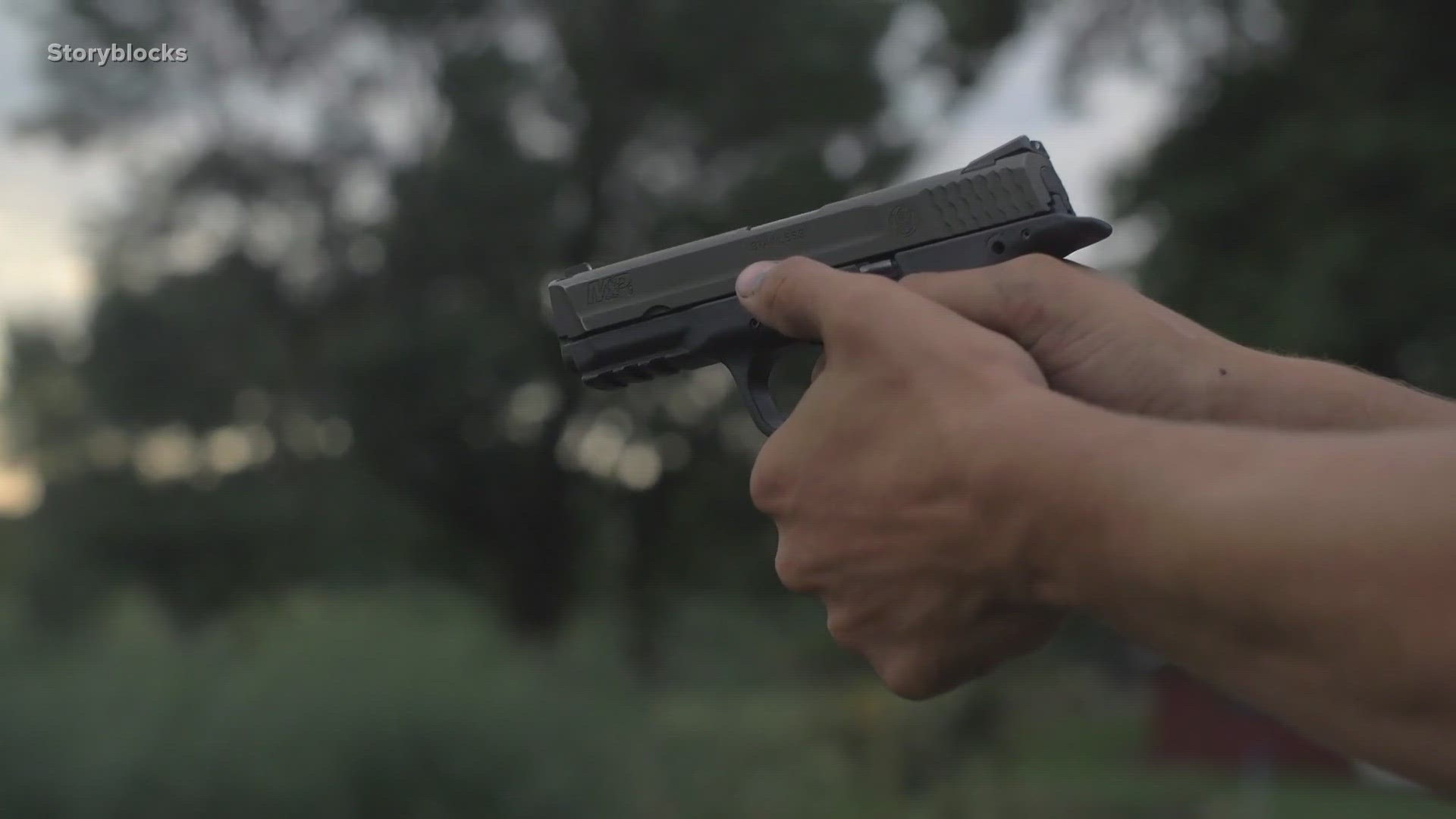
The Foundation: Self-Defense in Texas
At its core, the right to self-defense in Texas is codified in the Penal Code, specifically under Chapter 9, which deals with justifications. The general principle is that a person is justified in using force against another when and to the degree the actor reasonably believes the force is immediately necessary to protect himself against the other’s use or attempted use of unlawful force. This includes deadly force, which is defined as force that is intended or known by the actor to cause, or which in the manner of its use or intended use is capable of causing, death or serious bodily injury.
Reasonable Belief
The cornerstone of any self-defense claim is the “reasonable belief.” This means that the person claiming self-defense must have genuinely believed they were in danger, and that a reasonable person in the same situation would have also believed they were in danger. This belief is judged from the perspective of the person defending themselves at the time of the incident, not with the benefit of hindsight. Factors that contribute to a reasonable belief can include the aggressor’s words, actions, size, demeanor, and the presence of any weapons.
Imminent Threat
Crucially, the threat must be “imminent.” This means the danger must be immediate and about to happen. A person cannot legally use deadly force to retaliate for a past wrong or to preemptively strike someone they fear might harm them in the future. The threat must be present and actively unfolding.
Proportionality of Force
The force used in self-defense must be proportional to the threat faced. While deadly force can be met with deadly force, you generally cannot use deadly force to defend against a non-deadly threat. For example, if someone is merely shoving you, using a firearm would likely be considered excessive and unlawful. However, if that shove escalates to a point where you reasonably believe your life is in danger or you will suffer serious bodily injury, then deadly force may become justifiable.
The Castle Doctrine and Beyond
Texas law provides enhanced protections for individuals defending themselves within their homes, vehicles, and workplaces. This is commonly referred to as the “Castle Doctrine.”
Defense of Habitation
Under Section 30.05 of the Texas Penal Code, a person is justified in using force, including deadly force, against another when the actor reasonably believes it is necessary to prevent or terminate the commission of a criminal trespass. More significantly, Section 9.32 of the Penal Code addresses the use of deadly force in defense of a habitation. It states that a person is justified in using deadly force against another if:
- The actor reasonably believes that deadly force is necessary to prevent or terminate the commission of a felony by force or violence.
- The actor reasonably believes that another person is unlawfully and forcibly entering, or has unlawfully and forcibly entered, a habitation.
- The actor reasonably believes that the other person using or attempting to use force or violence to enter the habitation is committing or attempting to commit a felony.
This means that if someone is unlawfully and forcibly entering your home, you generally have the right to use deadly force to stop them, provided your belief is reasonable and the other person is attempting to commit a felony.
Defense of Vehicle and Workplace

Similar protections extend to the lawful occupant of a vehicle or a person who is in lawful possession of or leasing a vehicle, aircraft, or watercraft. A person is justified in using deadly force against another if the actor reasonably believes deadly force is necessary to protect themselves or another against the other’s imminent use of unlawful force. The same applies to a person lawfully possessing or leasing a building or habitation, or a room or part of a building or habitation.
No Duty to Retreat
A significant aspect of Texas self-defense law is the absence of a general “duty to retreat.” This means that if you are in a place where you have a legal right to be and are unlawfully attacked, you are not required to retreat before using deadly force to protect yourself from death or serious bodily injury. This contrasts with some other jurisdictions where individuals may be required to attempt to escape a dangerous situation before resorting to deadly force. However, this non-duty to retreat does not grant a license to pursue an attacker once the immediate threat has passed.
When Deadly Force is NOT Legal
Despite the broad protections, there are specific circumstances where the use of deadly force is unlawful, even in Texas.
Initial Aggressor
If you are the initial aggressor in an altercation, you generally cannot claim self-defense. The law presumes that the person who starts a fight is not acting in lawful self-defense unless they clearly withdraw from the conflict and communicate that withdrawal to the other person, and the other person continues to attack.
Unlawful Occupancy
The Castle Doctrine protections are contingent upon lawful occupancy. If you are unlawfully present in a location, you cannot claim self-defense for using deadly force against someone who confronts you there.
Trespass Without Force
While the Castle Doctrine offers broad protections against forcible entry, simply being a trespasser on someone’s property, without an attempt to use force or violence, does not typically justify the use of deadly force. For instance, shooting someone who has wandered onto your land without permission but poses no immediate threat would likely be unlawful.
Non-Deadly Threat
As mentioned earlier, using deadly force to repel a non-deadly threat is generally not permissible. If someone is verbally abusive or makes minor physical contact that does not pose a serious risk of harm, deadly force is unlikely to be considered justifiable.
Retaliation or Revenge
Deadly force cannot be used for retaliation or revenge. The justification for using deadly force must be the immediate necessity to protect oneself or others from imminent harm. Once the threat has ceased, the right to use deadly force ends.
Legal Ramifications and Seeking Counsel
The determination of whether the use of deadly force was legal is made after the fact by law enforcement, prosecutors, and potentially a jury. Even if you acted in what you believed was lawful self-defense, you will likely be subject to investigation. It is imperative to understand that the legal standard is objective: would a reasonable person in your situation have believed deadly force was necessary?
If you are involved in an incident where deadly force was used, or if you have questions about your rights and responsibilities regarding self-defense in Texas, it is crucial to seek legal counsel from a qualified attorney specializing in criminal defense or self-defense law. They can provide guidance specific to your situation and ensure your rights are protected. This information is for educational purposes only and does not constitute legal advice.
LifeOutOfTheBox is a participant in the Amazon Services LLC Associates Program, an affiliate advertising program designed to provide a means for sites to earn advertising fees by advertising and linking to Amazon.com. Amazon, the Amazon logo, AmazonSupply, and the AmazonSupply logo are trademarks of Amazon.com, Inc. or its affiliates. As an Amazon Associate we earn affiliate commissions from qualifying purchases.