
Navigating Florida’s Toll Roads: An Overview
Florida, known for its stunning beaches, vibrant cities, and world-class attractions, is also crisscrossed by an extensive network of toll roads. For visitors and new residents alike, understanding the state’s toll system is paramount to a seamless travel experience. While cash lanes have largely become a relic of the past, electronic payment methods now dominate, with “Toll-By-Plate” emerging as a significant, albeit sometimes misunderstood, option. This guide will demystify Florida’s toll payment landscape, with a particular focus on the intricacies of the Toll-By-Plate system, ensuring your journey through the Sunshine State is as smooth as possible.
Why Florida Has So Many Toll Roads
The sheer volume of toll roads in Florida is a result of the state’s rapid growth and the ongoing need to fund infrastructure development without solely relying on general taxation. Tolls provide a dedicated revenue stream for constructing new expressways, maintaining existing ones, and implementing vital expansions that accommodate millions of residents and tourists each year. From the expansive Florida’s Turnpike stretching across the peninsula to critical arteries in metropolitan areas like Miami, Orlando, and Tampa, these routes are designed to offer faster, more direct travel, bypassing congested local roads. Understanding their prevalence is the first step in preparing for your Florida adventure.
Understanding the “Toll-By-Plate” System
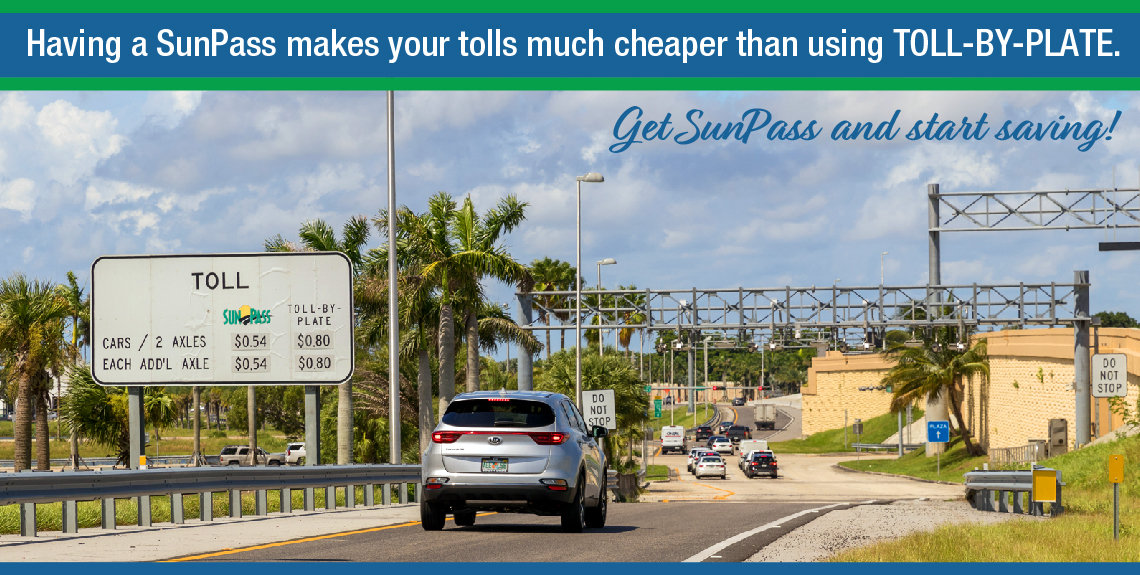
Toll-By-Plate, often referred to as “Pay-By-Plate” or “invoice billing,” is Florida’s default electronic toll collection method when a vehicle lacks an electronic transponder like SunPass or an interoperable device. Instead of requiring a pre-paid account or a physical transponder, cameras positioned at toll gantries capture an image of your vehicle’s license plate as you pass through. This image is then used to identify the registered owner of the vehicle, to whom an invoice is subsequently mailed for the tolls incurred. While convenient for those without a transponder, it’s crucial to understand that Toll-By-Plate often incurs higher administrative fees compared to transponder-based payments, making it a more expensive option for frequent travelers or extended stays.
The Mechanics of Toll-By-Plate
The Toll-By-Plate system, while seemingly straightforward, involves several critical details that travelers, especially those from out of state or driving rental vehicles, must be aware of to avoid unexpected charges or penalties. It’s designed to ensure that every vehicle passing through a toll point contributes to the infrastructure, regardless of whether they have an active electronic account.
How It Works for Personal Vehicles
When you drive your personal vehicle through an all-electronic toll lane in Florida without an active SunPass or compatible transponder, the system automatically activates Toll-By-Plate. High-speed cameras capture your license plate information. This data is then matched against state vehicle registration records. The owner of the vehicle receives a bill in the mail for the cumulative tolls incurred during their travel period, typically within a few weeks. The invoice will detail each toll plaza passed, the date and time, the specific toll amount, and importantly, an administrative fee for each billing cycle or sometimes per transaction. This fee is what differentiates Toll-By-Plate from transponder-based payments, making it a less economical choice in the long run. Timely payment of these invoices is crucial, as late payments can result in additional fees and, eventually, vehicle registration holds or even fines. Most toll authorities provide an online portal where you can enter your license plate number to view and pay your tolls before an invoice is mailed, potentially avoiding some administrative costs or late fees.
For Rental Cars: What You Need to Know
Navigating Toll-By-Plate with a rental car introduces an additional layer of complexity. Rental car companies often have their own toll programs designed to simplify the process for their customers, but these can vary widely in cost and structure. Typically, when a rental car passes through a toll gantry, the rental company is identified as the registered owner. They then receive the Toll-By-Plate invoice. Instead of forwarding the exact invoice, rental companies usually charge the renter’s credit card for the tolls plus a significant daily administrative fee, which can quickly add up, even on days you don’t incur tolls.
Common Rental Car Toll Programs:
- Opt-in programs: Some companies require you to actively enroll in their toll program at the counter.
- Automatic enrollment: Many companies automatically enroll you, charging you only if you pass a toll.
- Flat daily fees: Some charge a flat daily fee for the entire rental period if you use tolls even once, regardless of the number of tolls or whether you use tolls on subsequent days.
- Per-use fees: Others charge a daily fee only on days tolls are incurred, in addition to the toll amounts.
It is absolutely essential to inquire about the rental company’s specific toll policy when booking or picking up your vehicle. Understanding their system can prevent sticker shock upon receiving your credit card statement post-trip. For maximum control and often significant savings, many travelers opt to bring their own SunPass Mini transponder (which is portable) or purchase one upon arrival in Florida and link it to their rental car’s license plate for the duration of their rental.
Potential Pitfalls and Avoiding Fines
The most common pitfalls associated with Toll-By-Plate include:
- High administrative fees: These significantly increase the cost of your tolls.
- Delayed invoices: Invoices can take weeks to arrive, potentially leading to missed payments if you’ve already left Florida or forgotten about the tolls.
- Incorrect billing: Errors can occur with license plate recognition, leading to incorrect charges. It’s vital to review any invoices received carefully.
- Late payment penalties: Failure to pay invoices promptly results in escalating fees and potential civil penalties. For serious offenders, this can even lead to vehicle registration suspension or court summons.
- Rental car surcharge shock: As mentioned, rental car companies’ administrative fees can be exorbitant.
To avoid these issues:
- Check online: Proactively check your license plate on the Florida toll authority websites (e.g., Florida’s Turnpike Enterprise, Central Florida Expressway Authority) a few days after your travel to see if any tolls have been posted. This allows you to pay before an invoice is mailed, potentially avoiding some administrative fees.
- Keep records: Note down any toll roads you used and approximate times.
- Understand rental policies: Always clarify the rental car company’s toll payment policy beforehand.
Alternatives to Toll-By-Plate for Travelers
While Toll-By-Plate offers convenience for impromptu toll usage, several superior alternatives exist for travelers seeking to optimize their expenses and simplify their toll payments in Florida.
SunPass: The Preferred Method

SunPass is Florida’s official prepaid toll program and is by far the most economical and efficient way to pay tolls in the state. Users benefit from discounts on tolls compared to cash or Toll-By-Plate rates. There are two main types of SunPass transponders:
- SunPass Mini: A sticker transponder that adheres to your windshield. It costs around $4.99, is non-transferable between vehicles, and cannot be removed once applied. It’s ideal for those who primarily drive one vehicle.
- SunPass PRO: A portable transponder that costs around $14.99. It can be moved between vehicles and offers interoperability with the E-ZPass network across 18 other states, making it highly versatile for travelers who frequently drive outside Florida.
Both can be purchased at retail locations such as grocery stores (Publix), pharmacies (CVS, Walgreens), and service plazas along Florida’s Turnpike. Once purchased, you simply activate it online or by phone and load funds onto your account. When you pass through a toll plaza, the transponder communicates with the overhead gantry, and the toll amount is automatically deducted from your prepaid account. This eliminates the need for invoices and administrative fees entirely.
Other Electronic Transponders (E-ZPass Compatibility)
Thanks to interoperability agreements, various other electronic transponders are now compatible with Florida’s toll system. The most significant of these is E-ZPass. If you have an E-ZPass transponder from another state (e.g., from the Northern Illinois Tollway, New York Thruway, or Massachusetts Department of Transportation), it will generally work on Florida toll roads where SunPass is accepted. This is a tremendous convenience for out-of-state visitors, allowing them to use their existing toll account without needing to acquire a separate SunPass. Always verify your specific transponder’s compatibility before your trip, though, as interoperability expands, it is increasingly becoming the norm.
Cash Tolls: A Vanishing Option
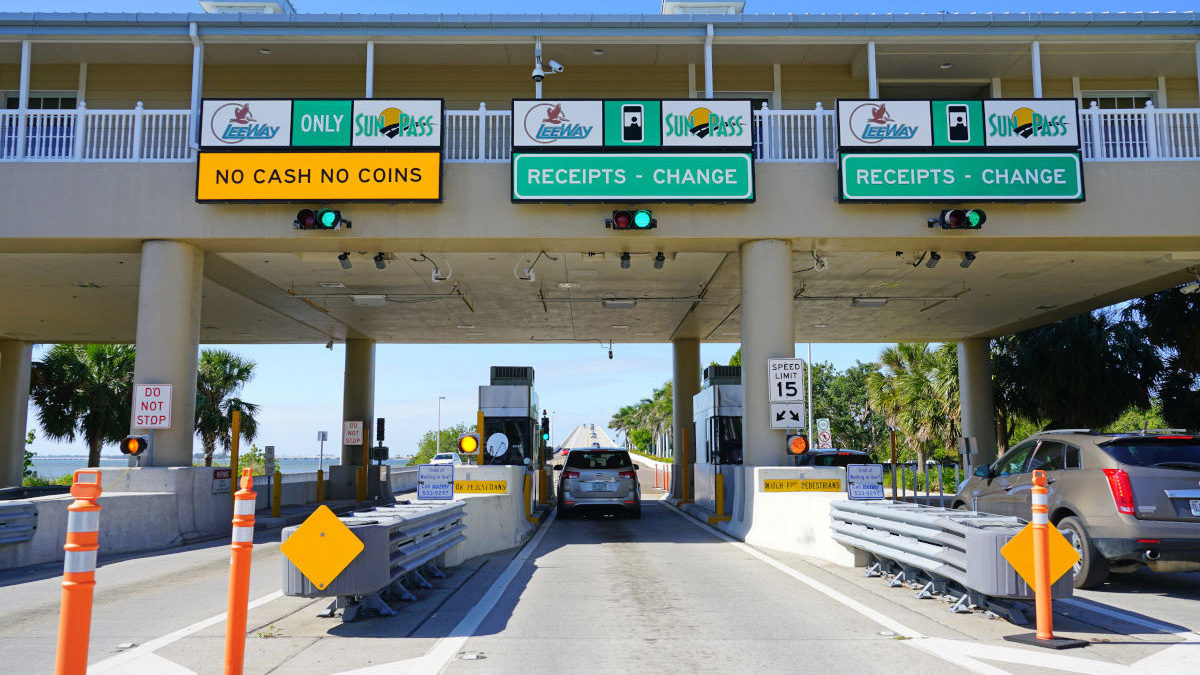
Cash payment options have become extremely rare on Florida’s toll roads. Most major expressways and turnpikes have transitioned to all-electronic tolling, meaning there are no toll booths with attendants to collect cash. Attempting to pay with cash on these roads will result in a Toll-By-Plate invoice. While a few isolated local toll bridges or smaller, privately operated roads might still accept cash, it is advisable for any traveler planning extensive driving in Florida to assume an electronic payment method will be required. Relying on cash is not a viable strategy for navigating the state’s primary toll infrastructure.
Planning Your Trip: Strategies for a Smooth Journey
Effective planning is crucial for managing tolls in Florida, allowing you to focus on the enjoyment of your trip rather than worrying about unexpected charges.
Pre-Trip Preparation: Mapping and Budgeting
Before you even hit the road, leverage online mapping tools such as Google Maps or Waze. These platforms often provide options to “avoid tolls” if you prefer, or at least show you where tolls are located. For a clearer picture of potential costs, visit the websites of Florida’s Turnpike Enterprise or the Central Florida Expressway Authority, which often have toll calculators. Budgeting for tolls, especially if you plan to use routes like Florida’s Turnpike or Alligator Alley (part of I-75 across the Everglades), will help you avoid surprises. Consider purchasing a SunPass ahead of time, especially the SunPass PRO if you’re coming from an E-ZPass state, or simply want the flexibility.
Post-Trip Actions: Verifying and Paying Your Tolls
After your journey, particularly if you’ve relied on Toll-By-Plate, it’s wise to proactively check for outstanding tolls. Visit the website of Florida’s Turnpike or the specific toll authority (e.g., Central Florida Expressway Authority for Orlando area tolls) and use their “Pay-By-Plate” or “Unpaid Tolls” sections to enter your license plate number. This allows you to view and pay any incurred tolls online, often before an invoice is even generated and potentially before administrative fees accumulate further. This step is particularly important for rental car users who opt out of the rental company’s toll program and choose to manage tolls independently, or for those who simply want to double-check their charges.
Essential Toll Road Segments for Florida Visitors
Several key toll road segments are frequently encountered by visitors to Florida:
- Florida’s Turnpike: A major artery running north-south through the state, connecting major cities like Orlando and Miami. It’s almost entirely electronic tolling.
- Alligator Alley (I-75): This section of I-75 crosses the Everglades between Naples and Fort Lauderdale. It’s an all-electronic toll segment.
- Miami Expressways: A network managed by the Florida Department of Transportation (FDOT) and the Miami-Dade Expressway Authority (MDX), including SR 836 (Dolphin Expressway), SR 112 (Airport Expressway), and SR 874 (Don Shula Expressway), which are all-electronic.
- Orlando Toll Roads: Managed by the Central Florida Expressway Authority (CFX), these include routes like the Beachline Expressway (SR 528) to the Space Coast, SR 417 (Central Florida GreeneWay), and SR 429 (Daniel Webster Western Beltway), vital for navigating the theme park region. All are exclusively electronic.
Understanding these key routes and their electronic tolling nature will significantly aid in your trip planning, ensuring you’re prepared for cashless payments and can enjoy the convenience these modern expressways offer.
Frequently Asked Questions About Florida Tolls
Q: Can I pay Florida tolls with cash?
A: Cash is no longer accepted on most Florida toll roads, especially major expressways and the Florida’s Turnpike. These facilities are all-electronic. Attempting to pay with cash will result in a Toll-By-Plate invoice mailed to the vehicle’s registered owner.
Q: What happens if I forget to pay a Toll-By-Plate invoice?
A: Unpaid Toll-By-Plate invoices will accumulate additional administrative fees and late payment penalties. Persistent non-payment can lead to further enforcement actions, including vehicle registration holds, increased fines, or referral to collections agencies. It’s best to pay promptly or proactively check for tolls online.
Q: Is SunPass worth it for a short visit to Florida?
A: Generally, yes. A SunPass Mini costs only $4.99, and you only need to load a small amount of money. The savings on administrative fees from just a few Toll-By-Plate transactions, especially with a rental car, can quickly offset the cost of the transponder. Plus, you get discounted toll rates.
Q: Can I use my E-ZPass in Florida?
A: Yes, most E-ZPass transponders are now interoperable and accepted on all Florida toll roads. This means you can use your existing transponder without needing to purchase a separate SunPass. Ensure your account is adequately funded.
Q: How do I know if a specific road has tolls?
A: Major mapping applications like Google Maps, Waze, or Apple Maps typically indicate toll roads and can route you around them if you choose. Additionally, look for “TOLL” signs before entering expressways. For precise information, consult the websites of Florida’s Turnpike Enterprise or the Central Florida Expressway Authority.