
While the allure of Texas often conjures images of vast ranches, vibrant cities, and a rich cultural tapestry, it is also a state that experiences its fair share of dynamic weather. For those planning a visit or contemplating a move, understanding the meteorological landscape is crucial. Among the most dramatic weather phenomena are tornadoes, and their occurrence in Texas is a subject of significant interest for both residents and potential tourists. This exploration delves into the recent history of tornadoes in the Lone Star State, providing context for the powerful forces that shape its environment.
Understanding Tornado Climatology in Texas
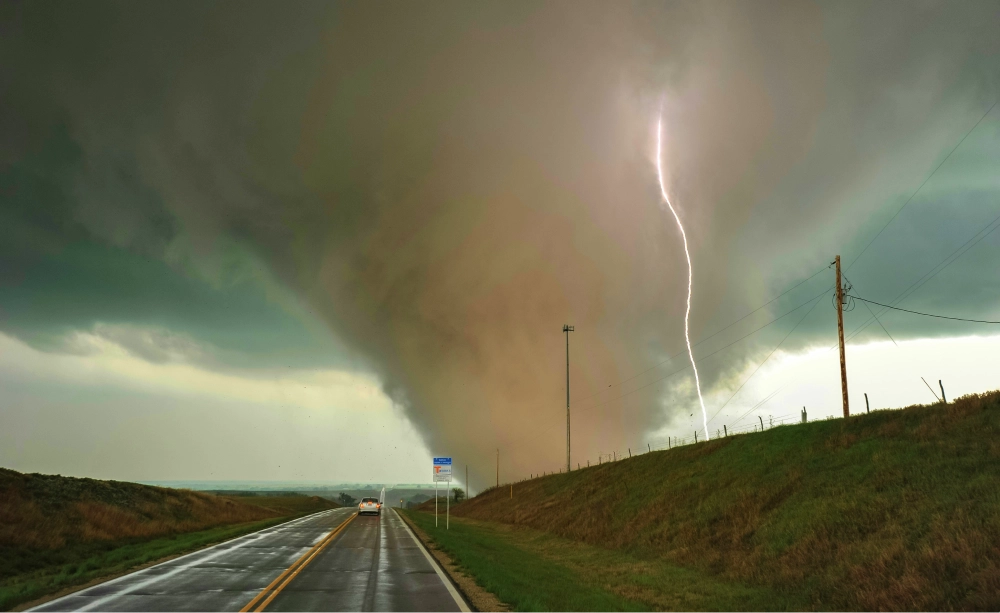
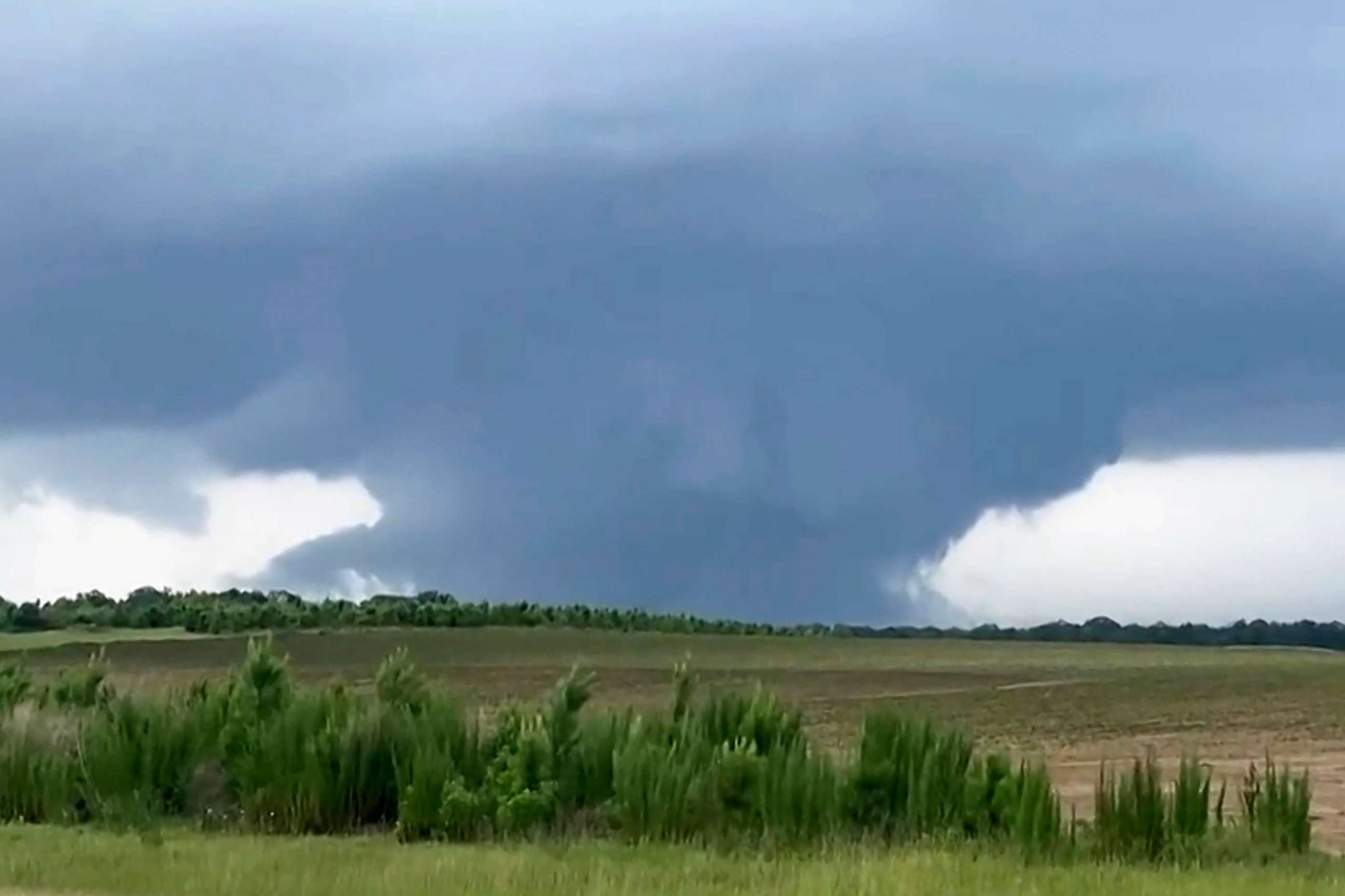
Texas is situated within what is commonly known as “Tornado Alley,” a region in the central United States that experiences a high frequency of tornadoes. This geographical placement, combined with specific atmospheric conditions, makes the state particularly susceptible. Tornadoes are born from severe thunderstorms, specifically supercells, which are characterized by a rotating updraft known as a mesocyclone. These storms require a specific recipe of atmospheric ingredients: warm, moist air near the surface, cooler, drier air at mid-levels, and strong upper-level winds that change speed and direction with altitude (wind shear).
The Role of Geography and Seasonality
Texas spans a vast geographical area, and different parts of the state experience tornadoes with varying frequencies. The eastern and central parts of the state, particularly the Greater Houston and Dallas-Fort Worth metroplexes, are often cited as having a higher risk. The primary tornado season in Texas generally runs from spring through early summer, with March, April, and May being the peak months. However, tornadoes can occur at any time of the year, and the state has seen significant outbreaks outside of this typical window. Factors such as El Niño and La Niña patterns can also influence the intensity and frequency of tornado activity in a given year. The sheer size of Texas means that weather patterns can vary significantly from the Panhandle’s plains to the Gulf Coast’s humid subtropical climate.
Recent Tornado Activity and Notable Events
While pinpointing the absolute “last” tornado in Texas requires constant real-time monitoring, we can examine recent significant events to understand the ongoing threat and the nature of these storms. The National Weather Service (NWS) is the primary authority for tracking and verifying tornado occurrences. Their storm prediction center, along with local NWS offices, provides invaluable data and warnings.
In recent years, Texas has experienced numerous tornado events, some of which have had a considerable impact. For instance, the spring of 2023 saw a series of potent storm systems move across the state, producing a number of tornadoes. In late March 2023, strong storms, including supercells, generated tornadoes that caused damage in various parts of central and eastern Texas, affecting communities like Belton and Round Rock. These events underscored the unpredictable nature of severe weather and the importance of preparedness.
Looking back further, the spring of 2022 also brought significant tornado activity. A notable outbreak occurred in March 2022, impacting areas such as Grayson County and the Austin metropolitan area, with reports of multiple tornadoes causing widespread damage to homes and businesses. These events serve as stark reminders of the destructive power of these atmospheric phenomena.
Even within a single year, the occurrences are frequent. Throughout the warmer months and into the fall, Texas can experience isolated tornado events, often associated with cold fronts or tropical systems that move inland. The NWS continuously updates its records, and for the most precise, up-to-the-minute information on recent tornado touchdowns, consulting their official reports is the most reliable method.
Safety and Preparedness for Texas Visitors and Residents
The occurrence of tornadoes in Texas, while a natural phenomenon, necessitates a proactive approach to safety and preparedness, especially for those visiting or residing in the state. Understanding the risks and knowing how to respond can make a critical difference.
Understanding Warning Systems
The primary tool for public safety during tornado threats is the warning system. The NWS issues two types of alerts: Tornado Watches and Tornado Warnings. A Tornado Watch means that conditions are favorable for tornadoes to develop in and near the watch area. During a watch, it is essential to stay informed, monitor weather updates, and be prepared to take action. A Tornado Warning, on the other hand, signifies that a tornado has been sighted or indicated by weather radar. This is a critical alert that requires immediate action.
NOAA Weather Radio and Mobile Alerts
Key to staying informed are the NOAA Weather Radio All Hazards system and Wireless Emergency Alerts (WEA) on mobile devices. NOAA Weather Radios provide continuous broadcasts of weather information, including real-time warnings. WEAs are emergency text messages sent to mobile phones in affected areas, alerting individuals to immediate dangers. Many apps and local news stations also provide real-time weather alerts.
Recommended Safety Measures
When a Tornado Warning is issued, swift and decisive action is paramount. The safest place to be is in a sturdy, interior room on the lowest level of a building. This could be a basement, storm cellar, or an interior closet or bathroom, away from windows.
In a Home or Building
- Basement or Storm Shelter: This is the ideal location.
- Interior Room: If no basement is available, go to the most interior room on the lowest floor.
- Stay Away from Windows: Debris from windows can cause severe injury.
- Use Protection: Cover yourself with a blanket, mattress, or sleeping bag to protect against falling debris.
In a Vehicle or Outdoors
- Do Not Try to Outrun a Tornado in a Car: If a tornado is approaching and you are in a vehicle, abandon the car and seek shelter in a sturdy building or lie in a ditch or culvert, covering your head.
- Outdoor Dangers: If caught outdoors without immediate access to shelter, lie flat in a ditch or other low-lying area and cover your head with your arms.
Planning for the Unexpected
For tourists, understanding the potential for severe weather is part of responsible travel planning in Texas. This includes checking weather forecasts before and during your trip, especially during the spring and early summer months. If traveling through areas known for tornado activity, being aware of your surroundings and knowing where potential shelters are located can be beneficial. Many hotels and accommodations provide safety information to their guests. For residents, having a family emergency plan, including designated shelter locations and communication strategies, is essential. Maintaining an emergency kit with essentials like water, non-perishable food, a first-aid kit, and a flashlight is also highly recommended.
The Impact of Tornadoes on Texas Tourism and Infrastructure
The dynamic weather patterns of Texas, including the occurrence of tornadoes, can have a tangible impact on various aspects of the state, from its infrastructure to its vital tourism industry. While the grandeur of Texas attractions remains, the potential for severe weather events necessitates consideration for travelers and planners alike.
Resilient Infrastructure and Recovery
Texas is a state accustomed to facing and recovering from natural disasters. Its infrastructure, from the sprawling highways connecting its major cities like Houston and San Antonio, to the hotels and event venues that host millions of visitors annually, is built with a degree of resilience in mind. However, severe tornado outbreaks can test this resilience, causing significant damage to homes, businesses, and public facilities. The speed and effectiveness of recovery efforts are often a testament to the spirit of the communities affected. For travelers, understanding that recovery is a process, and that some areas might be undergoing reconstruction after an event, is important.
Tourism and Weather Considerations
The tourism sector in Texas is diverse, encompassing everything from the historic sites of San Antonio to the natural beauty of the Big Bend National Park and the cultural attractions of cities like Austin. While tornadoes are not a daily occurrence and many areas remain unaffected, the possibility of severe weather during certain times of the year is a factor to consider for trip planning.
Travelers, especially those planning outdoor activities or visiting rural areas, might want to consult weather forecasts diligently, particularly during the spring months. Many tourist destinations, including theme parks like Six Flags Fiesta Texas or the Alamo, have established safety protocols for severe weather events, often including temporary closures and sheltered areas.
Economic Ramifications
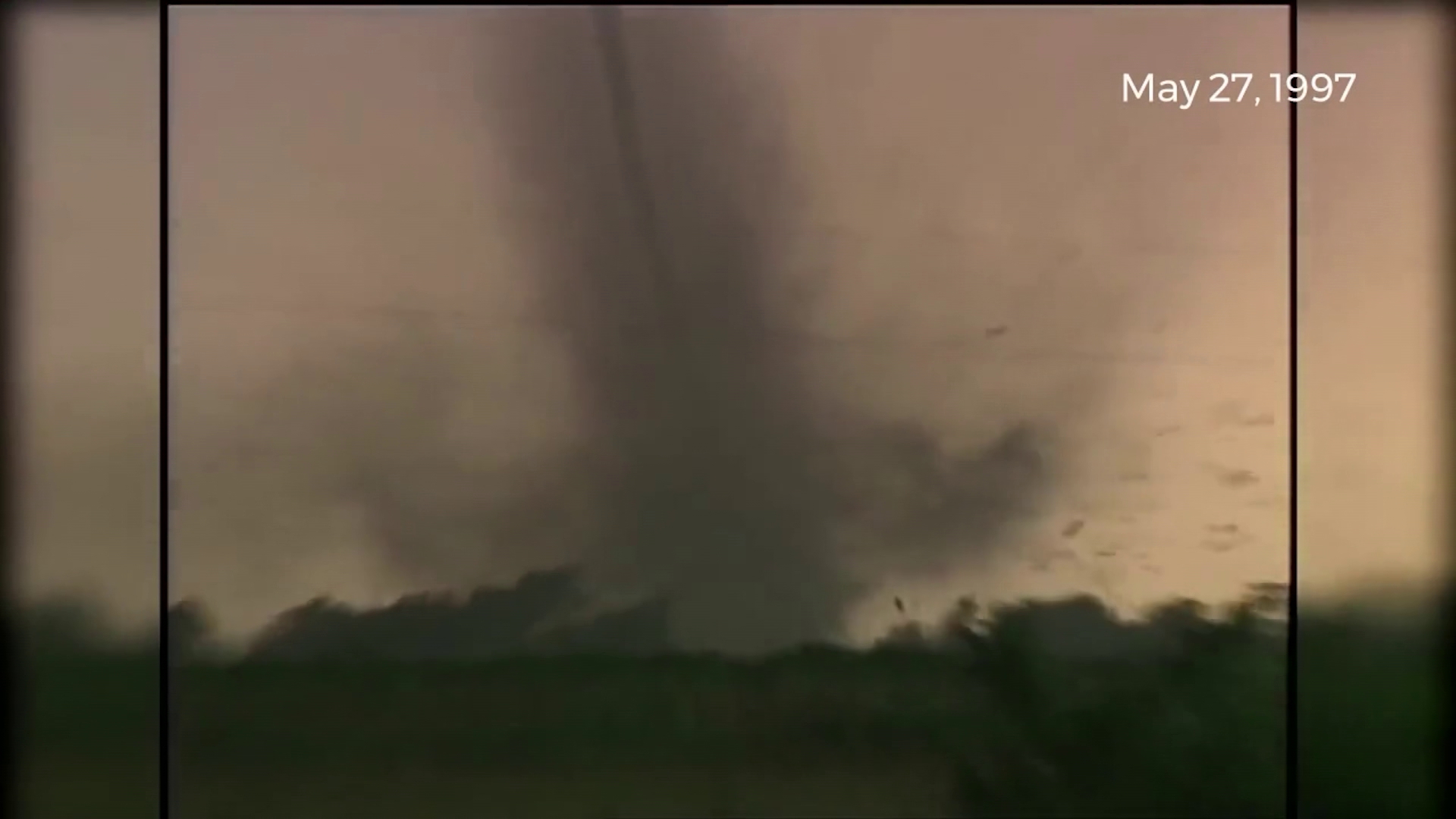
Beyond the immediate physical damage, tornadoes can have economic repercussions. The cost of repairs and rebuilding can be substantial, impacting local economies and potentially diverting resources. For the tourism industry, a severe tornado event in a popular destination could lead to cancellations and a temporary dip in visitor numbers, though Texas is remarkably adept at rebuilding and welcoming visitors back. Event organizers often have contingency plans in place for weather-related disruptions, ensuring that major festivals or conferences can be rescheduled or moved if necessary.
Ultimately, while the dynamic weather, including tornadoes, is an inherent part of Texas’s character, it does not detract from the vast array of experiences the state offers. With informed planning and a keen awareness of weather advisories, visitors can continue to enjoy the rich culture, stunning landscapes, and warm hospitality that Texas is renowned for.
LifeOutOfTheBox is a participant in the Amazon Services LLC Associates Program, an affiliate advertising program designed to provide a means for sites to earn advertising fees by advertising and linking to Amazon.com. Amazon, the Amazon logo, AmazonSupply, and the AmazonSupply logo are trademarks of Amazon.com, Inc. or its affiliates. As an Amazon Associate we earn affiliate commissions from qualifying purchases.