
Traveling from Colorado Springs, a vibrant city nestled at the foot of Pikes Peak in the Front Range of the Rocky Mountains, to the world-renowned ski resort town of Aspen is an adventure that combines significant distance with some of Colorado’s most breathtaking scenery. While there isn’t a direct, straight shot, the journey offers varied routes, each with its own charm, challenges, and scenic rewards. Understanding the distance, typical driving times, and alternative transportation methods is crucial for planning a seamless and enjoyable trip to this premier mountain destination.
The Journey Defined: Distance and Driving Time
The straight-line distance between Colorado Springs and Aspen is considerably shorter than the actual driving distance, due to the imposing terrain of the Rocky Mountains that separates the two cities. Generally, the driving distance ranges from approximately 160 to 200 miles, depending on the specific route chosen.
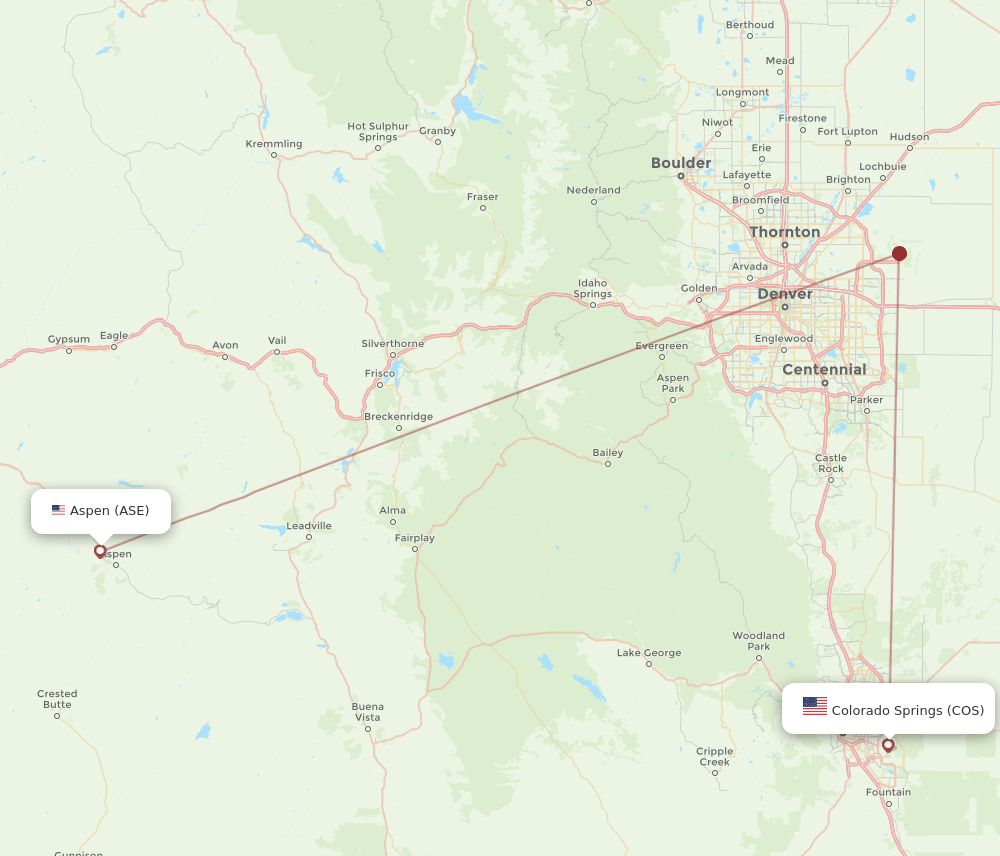
The time it takes to travel this distance can vary significantly, typically ranging from 3.5 to 5 hours under ideal conditions. However, several factors can influence this estimate:
Factors Affecting Travel Time:
- Weather Conditions: Mountain weather can be highly unpredictable. Snowstorms, heavy rain, or even just icy patches can drastically slow down travel, particularly during winter months when adverse conditions are common.
- Traffic: While generally less congested than routes near Denver, certain segments of the journey, especially on I-70 West, can experience heavy traffic during peak ski season weekends, holidays, or construction periods.
- Road Closures: Independence Pass, a popular scenic route, is typically closed from late October/early November through late May/early June due to snow, necessitating longer detours.
- Construction: Roadwork, especially during warmer months, can lead to delays.
- Personal Stops: The routes offer numerous opportunities for scenic overlooks, rest stops, and small-town explorations, which can add considerable time to the journey.
Considering these variables, it’s always prudent to budget extra time, especially if you are traveling during winter or on a weekend. Planning your departure to avoid peak travel hours can also help mitigate potential delays.
Choosing Your Route: Scenic Drives vs. Efficiency
There are two primary driving routes from Colorado Springs to Aspen, each offering a distinct experience:
1. The Southern Route via US-24 and Highway 82 (Seasonal)
This is often considered the most direct and scenic route when Independence Pass is open.
- Distance: Approximately 160-170 miles.
- Driving Time: 3.5 to 4 hours, without significant stops.
- Route Overview:
- From Colorado Springs, head west on US-24 West. This road takes you through charming mountain towns such as Buena Vista and Leadville, often referred to as the highest incorporated city in North America.
- Continue on US-24 West until you reach the junction with Highway 82 near Twin Lakes.
- Turn left onto Highway 82 (West) and begin the ascent over Independence Pass. This segment of the road is narrow, winding, and steep, with dramatic drop-offs and incredible alpine views, including views of Mount Elbert, Colorado’s highest peak.
- After cresting the pass, you’ll descend directly into Aspen.
- Pros: Shorter distance, incredibly scenic, offers a true high-mountain experience, and bypasses I-70 West traffic.
- Cons: Strictly seasonal (closed roughly November to May/June), challenging driving conditions (narrow roads, no guardrails in some sections, high altitude), not suitable for large RVs or trailers.
2. The Northern Route via I-70 West (Year-Round)
This is the most reliable route, especially during winter months or when Independence Pass is closed.
- Distance: Approximately 180-200 miles.
- Driving Time: 4 to 5 hours, depending on traffic, without significant stops.
- Route Overview:
- From Colorado Springs, head north on I-25 North towards Denver.
- Merge onto I-70 West just west of Denver.
- Follow I-70 West through the Rocky Mountains until you reach Glenwood Springs. This section of I-70 West includes notable features like Glenwood Canyon, an impressive gorge carved by the Colorado River.
- From Glenwood Springs, take Highway 82 Southeast directly to Aspen.
- Pros: Accessible year-round, generally wider and better-maintained roads, less challenging driving than Independence Pass.
- Cons: Longer distance and potentially longer driving time, especially with I-70 West traffic.
Alternative Transportation Options
While driving offers flexibility and scenic views, other options exist for reaching Aspen from Colorado Springs, catering to different preferences and budgets.

1. Flights
Flying can significantly cut down travel time, though it often involves connections and higher costs.
- Route: There are no direct flights from Colorado Springs Airport (COS) to Aspen/Pitkin County Airport (ASE). Travelers would typically fly from COS to Denver International Airport (DIA), and then catch a connecting flight to Aspen/Pitkin County Airport (ASE). Alternatively, some may fly to Eagle County Regional Airport (EGE) near Vail and then take a shuttle to Aspen.
- Time: Total travel time can still be 4-6 hours or more, including layovers and transfers to/from airports.
- Pros: Fastest direct travel to Aspen once airborne from Denver, avoids mountain driving.
- Cons: Costly, requires multiple flights/connections, and flights into Aspen/Pitkin County Airport (ASE) can be prone to weather delays or cancellations due to its challenging mountain location.
2. Private Shuttles and Car Services
Several companies offer private shuttle services directly from Colorado Springs to Aspen.
- Time: Similar to driving, 3.5-5 hours, but with the convenience of not having to drive yourself.
- Pros: Door-to-door service, no need to navigate mountain roads, especially beneficial in winter conditions, comfortable.
- Cons: Expensive, less flexible than driving your own vehicle.
3. Bus Services
While there isn’t a direct bus route, travelers can piece together a journey using public transportation.
- Route: Take a bus from Colorado Springs to Denver, then another bus from Denver to Glenwood Springs, and finally local bus services (e.g., Roaring Fork Transportation Authority – RFTA) from Glenwood Springs to Aspen.
- Time: Significantly longer, often 6-8+ hours, due to transfers and schedules.
- Pros: Most economical option, avoids personal driving.
- Cons: Time-consuming, multiple transfers, less comfortable, and less convenient.
Making the Most of Your Trip: Stopovers and Attractions Along the Way
Regardless of the route you choose, the journey from Colorado Springs to Aspen passes through areas rich in natural beauty and historical significance. Planning a stopover can transform a simple drive into an integral part of your Colorado adventure.
Along the Southern Route (US-24 West / Highway 82):
- Buena Vista: A popular stop for outdoor enthusiasts, offering whitewater rafting on the Arkansas River, hiking, and hot springs. Its charming downtown is perfect for a coffee break.
- Twin Lakes: As its name suggests, this area features two stunning glacial lakes at the base of several fourteeners (peaks over 14,000 feet). It’s a fantastic spot for photography, fishing, or a short walk.
- Leadville: A historic mining town and the highest city in North America. Explore its Victorian architecture, the National Mining Hall of Fame and Museum, or the Leadville Colorado & Southern Railroad for a scenic train ride.
- Independence Pass Overlook: At the summit of Independence Pass (12,100 feet), there’s an observation deck offering panoramic views of the Continental Divide and surrounding peaks of the White River National Forest. This is a must-do photo opportunity when the pass is open.
Along the Northern Route (I-70 West / Highway 82):
- Denver: If you take the I-70 West route, you’ll pass through Denver and its suburbs. Consider stopping for a meal, visiting the Denver Art Museum, or exploring Red Rocks Park and Amphitheatre just outside the city.
- Frisco / Breckenridge / Vail: The I-70 West corridor is dotted with popular ski towns. While slightly off the direct path to Aspen, a detour to Breckenridge or Vail can offer additional attractions, shopping, or dining experiences.
- Glenwood Springs: Famous for its hot springs, particularly the Glenwood Hot Springs Resort, this town makes for an excellent stop to relax and rejuvenate before the final leg to Aspen. Other attractions include Glenwood Caverns Adventure Park. The drive through Glenwood Canyon itself is a marvel of engineering and natural beauty.
Preparing for Your Aspen Adventure
Regardless of the route or season, preparedness is key for any mountain journey in Colorado.
- Vehicle Check: Ensure your vehicle is in good condition, especially tires, brakes, and fluid levels. Winter travel often requires four-wheel drive or all-wheel drive, and sometimes chains, particularly on I-70 West or Highway 82 during heavy snow.
- Weather Monitoring: Check multiple weather forecasts for both Colorado Springs, the mountain passes, and Aspen before and during your trip. Colorado Department of Transportation (CDOT) resources (cotrip.org) provide real-time road conditions.
- Altitude Sickness: Both Colorado Springs (around 6,035 feet) and Aspen (7,908 feet) are at high altitudes, and the passes you’ll cross are even higher. Stay hydrated, avoid excessive alcohol, and take it easy upon arrival to help acclimatize.
- Essentials: Pack warm layers of clothing, even in summer, as mountain weather can change rapidly. Carry snacks, water, a first-aid kit, and an emergency kit (blankets, flashlight, phone charger) in your vehicle.
The drive from Colorado Springs to Aspen is more than just transportation; it’s an integral part of the experience, winding through some of Colorado’s most iconic landscapes. With careful planning and an appreciation for the journey, you’re set for an unforgettable adventure to one of the world’s most sought-after mountain resorts.
LifeOutOfTheBox is a participant in the Amazon Services LLC Associates Program, an affiliate advertising program designed to provide a means for sites to earn advertising fees by advertising and linking to Amazon.com. Amazon, the Amazon logo, AmazonSupply, and the AmazonSupply logo are trademarks of Amazon.com, Inc. or its affiliates. As an Amazon Associate we earn affiliate commissions from qualifying purchases.