
The question “Is The Boston Bomber Alive Today?” inevitably surfaces when discussing the tragic events of the 2013 Boston Marathon bombing. While the immediate aftermath saw swift apprehension and subsequent sentencing, the enduring nature of such questions often stems from a complex interplay of historical events, journalistic reporting, and public fascination with notorious figures. This exploration delves into the fate of those involved, focusing on the publicly available information and legal proceedings that have shaped the narrative surrounding this devastating incident.
The Aftermath of the Bombing: Immediate Capture and Conviction
The chaos that erupted on April 15, 2013, at the Boston Marathon was followed by an intense manhunt that gripped the city of Boston and the nation. Within days, the primary perpetrators were identified and apprehended. This swift action by law enforcement, including the FBI and local police departments, brought a sense of closure to the immediate pursuit of justice for the victims and their families.

Dzhokhar Tsarnaev: The Convicted Bomber
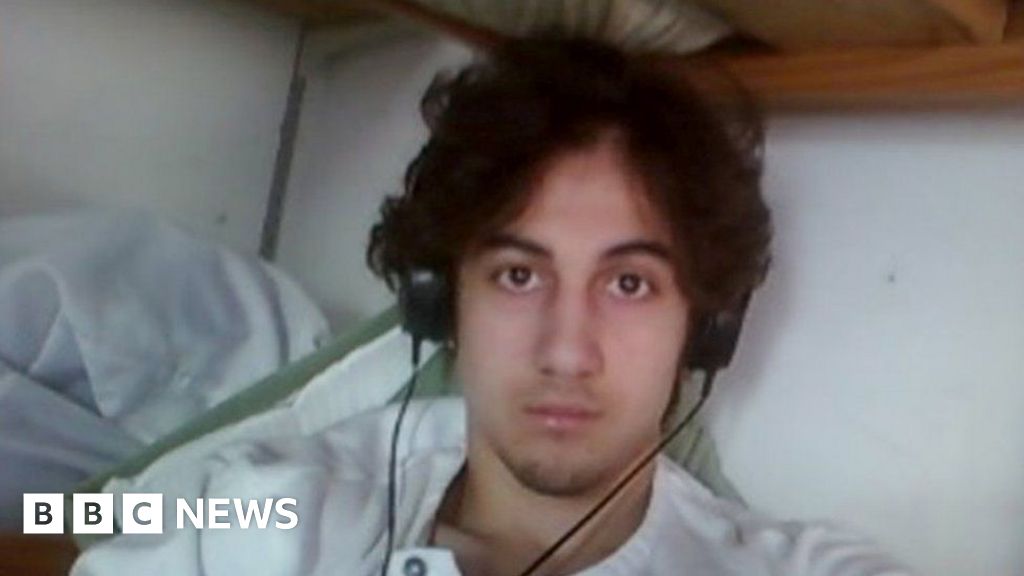
The central figure in the bombing, Dzhokhar Tsarnaev, was captured on April 19, 2013, following a city-wide lockdown. His older brother, Tamerlan Tsarnaev, was killed in a confrontation with police during the manhunt. Dzhokhar Tsarnaev was subsequently tried and convicted of numerous federal charges, including the use of a weapon of mass destruction resulting in death and the bombing of a public place.
In 2015, Tsarnaev was sentenced to death for his role in the attacks. This sentencing was a landmark decision, marking one of the few times the federal government had sought and obtained the death penalty in the post-9/11 era. The trial was a lengthy and emotionally charged affair, detailing the horrific events of the bombing and the subsequent actions of the perpetrators.
The Legal Journey: Appeals and Sentences
The death sentence handed down to Tsarnaev was not the final word. Like all federal death penalty cases, it was subject to automatic appeal. This legal process is designed to ensure that all aspects of the trial and sentencing are thoroughly reviewed for any errors. The appeals process is often protracted, involving multiple court hearings and arguments from both the prosecution and the defense.
The initial sentencing was overturned in 2020 by the U.S. Court of Appeals for the First Circuit. The court cited issues with the jury selection process, specifically the exclusion of potential jurors who held strong anti-death penalty views, which they argued prevented a fair and impartial jury. This decision meant that while Tsarnaev’s conviction for the bombing remained intact, the death sentence itself was vacated. The case was then sent back to the lower court for a new sentencing phase.
In August 2021, a federal judge formally resentenced Dzhokhar Tsarnaev to death. This reaffirmed the jury’s initial decision and underscored the severity of the crimes. However, the death penalty remains a complex and contentious issue, and the practical application of such sentences can be subject to further legal challenges and administrative reviews. As of the current date, the execution has not been carried out.

The Status of Dzhokhar Tsarnaev Today
Given the ongoing legal processes and the complexities of federal death penalty cases, Dzhokhar Tsarnaev is alive and remains incarcerated. He is being held at the United States Penitentiary, Florence ADX, a supermax federal prison in Colorado, known for housing some of the most dangerous male inmates in the country. While sentenced to death, the execution has not yet occurred due to the protracted appeals and legal procedures inherent in capital punishment cases.
The Life and Death of Tamerlan Tsarnaev
In stark contrast to his brother, Tamerlan Tsarnaev died during the intense manhunt following the bombing. He was killed in a shootout with law enforcement officers in Watertown, Massachusetts, on April 19, 2013, just hours before his brother’s capture. His death brought a definitive end to his involvement in the events.
Broader Implications and Public Memory
The question of “Is The Boston Bomber Alive Today?” also touches upon the broader societal response to terrorism and the long-term impact of such events. The Boston Marathon bombing left an indelible mark on the city, its residents, and the national consciousness. It highlighted the vulnerabilities of public spaces and the devastating consequences of ideologically motivated violence.
The Resilience of Boston
Despite the tragedy, Boston demonstrated remarkable resilience. The city came together in solidarity, honoring the victims and supporting those affected. The annual Boston Marathon has continued, serving as a powerful symbol of defiance against terrorism and a testament to the human spirit’s ability to persevere. The event has become a poignant reminder of both the darkness of the attack and the enduring strength of the community.
Memorials and Remembrance
Numerous memorials have been established to honor the victims of the bombing. These sites serve as places for reflection, remembrance, and education. The Boston Public Library and other institutions have also played a role in preserving the memory of the events and the lives lost. These efforts ensure that the lessons learned from the tragedy are not forgotten and that the victims are remembered with dignity and respect.
The legal proceedings against Dzhokhar Tsarnaev have been closely followed, reflecting a societal need to understand the motivations behind such acts and to ensure accountability. The ongoing nature of his case, even years after the bombing, speaks to the enduring complexities of the justice system, particularly in cases involving capital punishment and acts of terrorism. While the immediate question of his physical status is answered by his continued incarceration, the broader implications of the Boston Marathon bombing continue to resonate, shaping discussions on security, justice, and community resilience.
LifeOutOfTheBox is a participant in the Amazon Services LLC Associates Program, an affiliate advertising program designed to provide a means for sites to earn advertising fees by advertising and linking to Amazon.com. Amazon, the Amazon logo, AmazonSupply, and the AmazonSupply logo are trademarks of Amazon.com, Inc. or its affiliates. As an Amazon Associate we earn affiliate commissions from qualifying purchases.