
Navigating the legal landscape of carrying a firearm in public can be complex, even in states known for their firearm-friendly policies like Texas. For responsible citizens who choose to exercise their right to concealed carry, understanding the specific prohibitions is paramount. This guide delves into the locations where concealed carry is restricted in the Lone Star State, offering clarity for travelers and residents alike to ensure compliance with state and federal laws.
Understanding Texas Concealed Carry Laws
Texas law generally permits licensed individuals to carry a handgun concealed. However, this right is not absolute and is subject to numerous exceptions and designated “no-carry” zones. The primary legislation governing this is the Texas Government Code, particularly sections pertaining to licensed handgun carry. It’s crucial to understand that ignorance of the law is not a defense against potential charges. Therefore, a thorough understanding of these restrictions is essential for anyone carrying a concealed handgun.

The Legal Framework: License to Carry (LTC)
To legally carry a concealed handgun in Texas, individuals typically need to obtain a License to Carry (LTC). This license requires applicants to meet certain eligibility criteria, including age, residency, and background checks, and to complete a training course. While the LTC grants broad carrying privileges, it does not override all prohibitions. The distinction between carrying a handgun openly and concealed, as well as the specific requirements for each, are also important considerations, though this article focuses solely on concealed carry restrictions.
Federal vs. State Restrictions
It’s important to distinguish between restrictions imposed by the state of Texas and those mandated by federal law. While Texas has its own set of prohibited places, federal law also supersedes state law in certain circumstances. For example, federal buildings and national parks have their own set of rules that apply regardless of state legislation. Navigating both sets of regulations is key to remaining compliant.
State-Prohibited Locations for Concealed Carry
Texas law explicitly designates several categories of places where concealed carry is forbidden. These locations are established to maintain public safety and order in sensitive environments.
Secure Areas and Government Facilities
- Polling Places on Election Day: During the hours a polling place is open and the polls are open, carrying a handgun is prohibited at the polling place. This applies to all voters, whether they have a License to Carry or not.
- Courts and Offices Utilized by Courts: This includes courtrooms, judicial chambers, and any other offices that are actively being used by courts. The intent is to ensure the safety and decorum of judicial proceedings.
- Correctional Facilities: Prisons, jails, and other detention centers are strictly off-limits for concealed carry.
- Certain Government Meetings: When a governmental body is lawfully convened, concealed carry is prohibited in the room where the meeting is held.
Educational Institutions
- School Premises: This is a particularly complex area. Generally, carrying a handgun on the grounds of a public or private elementary or secondary school is prohibited. This includes school buildings, playgrounds, and during school-sponsored events. However, there are exceptions for licensed individuals who meet specific criteria and store their handguns in locked vehicles on school property. The specific nuances of Texas Education Code should be carefully reviewed.
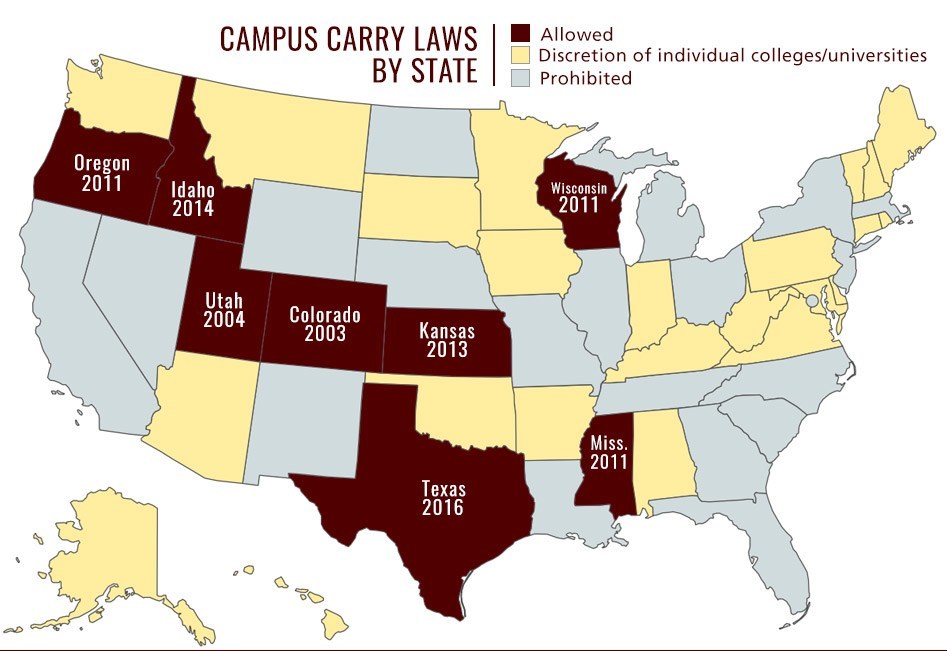
- On-Campus of Institutions of Higher Education: While licensed individuals can carry on some parts of a university campus, there are specific designated areas where it is prohibited. This often includes buildings where criminal justice classes or events are held, and areas where prior notice of prohibition is posted. Colleges and universities in Texas are permitted to establish rules regarding handgun carry on their campuses, and it is vital for permit holders to be aware of these institutional policies.
Areas with Enhanced Security and Alcohol Consumption
- Correctional Facilities: As mentioned, these are strictly prohibited.
- Hospitals and Nursing Homes: While not a blanket prohibition for all areas, certain parts of hospitals and nursing homes, especially those with security personnel or specific security protocols, may prohibit concealed carry. This often requires clear signage.
- Amusement Parks: These popular destinations for families are generally off-limits for concealed carry.
- Premises Licensed for the Sale of Alcohol: This is a significant category. Carrying a handgun is prohibited in a place that is licensed to sell alcohol for on-premises consumption, such as bars, taverns, and some restaurants. This prohibition applies regardless of whether alcohol is actually being served at the time. This is a critical point for travelers enjoying the nightlife of cities like Austin or Dallas.
Places Requiring Specific Notice
- Thirty-Ought-Six (30.06) and Thirty-Ought-Seven (30.07) Signage: Texas law allows private property owners to prohibit concealed carry by posting specific signs. A “30.06” sign prohibits carrying a concealed handgun, while a “30.07” sign prohibits carrying a handgun, openly or concealed. These signs must meet specific legal requirements for size, placement, and wording to be effective. It is the responsibility of the carrier to look for and obey these signs. Many businesses, churches, and private institutions choose to prohibit firearms on their premises.
Federal Prohibitions for Concealed Carry
In addition to state-specific restrictions, federal law imposes its own set of limitations on carrying firearms, which apply to licensed concealed carriers in Texas.
Federal Buildings and Property

- Federal Courthouses: Similar to state courts, federal courthouses are highly secure facilities where firearms are prohibited.
- Post Offices: The interiors of United States Post Office facilities are generally off-limits for concealed carry.
- Federal Reserve Banks: These financial institutions are also subject to federal firearm prohibitions.
- Military Installations: Carrying firearms on military bases is subject to strict regulations that vary by installation.
National Parks and Monuments
While national parks may seem like open spaces for outdoor activities, federal law generally prohibits carrying firearms in them, unless specific exceptions apply and state laws are also considered. This is a crucial point for travelers planning visits to places like Big Bend National Park or the San Antonio Missions National Historical Park.
Transportation Security Administration (TSA) Checkpoints
- Airports: Firearms are strictly prohibited beyond TSA security checkpoints at airports. While unloaded firearms may be transported in checked baggage according to specific TSA regulations, they are absolutely forbidden in carry-on bags or on the person past security. This is a vital consideration for anyone flying out of major Texas airports such as Dallas/Fort Worth International Airport (DFW) or Houston George Bush Intercontinental Airport (IAH).
Specific Considerations for Travelers
For individuals traveling through Texas, whether by car, plane, or for leisure, understanding these restrictions is paramount to avoiding unintentional violations.
Navigating Road Travel
When traveling by car through Texas, travelers must be aware of no-carry zones they might pass through. This includes cities with local ordinances that may further restrict carry in specific areas, although state preemption often limits local authority on this matter. It’s the driver’s responsibility to know where they are going and what the carry regulations are for those specific locations.
Hotel and Accommodation Stays
Most hotels in Texas do not prohibit concealed carry within guest rooms or common areas unless they are also licensed to sell alcohol for on-premises consumption. However, it is always advisable to check the hotel’s specific policies. Federal buildings, including some courthouses or federal offices that might be located near hotels, remain off-limits. When booking a stay at a resort like the Four Seasons Resort and Club Dallas at Las Colinas, it’s wise to confirm their policies if carrying is a concern.
Dining and Entertainment Venues
Enjoying the vibrant culinary scene and entertainment options in Texas requires vigilance. Restaurants that serve alcohol for on-premises consumption are prohibited locations. This extends to bars, clubs, and establishments where the primary business is the sale of alcoholic beverages. Many restaurants that serve alcohol are also subject to this prohibition. Conversely, establishments that primarily sell food and only incidentally serve alcohol may not fall under this restriction, but it’s a nuanced area best approached with caution and by checking for specific signage.
Maintaining Awareness and Responsibility
The landscape of firearm laws is subject to change, and it is the responsibility of every licensed carrier to stay informed.
Staying Updated on Legislation
The Texas Legislature convenes periodically, and new laws or amendments to existing ones can be enacted. It is crucial for licensed carriers to keep abreast of legislative updates that may affect concealed carry regulations. Reliable sources include the Texas Department of Public Safety (DPS) website and reputable legal resources.
The Importance of Signage
As previously noted, private property owners can prohibit concealed carry by posting specific signs. These signs are legal notice. Failure to observe them can result in legal consequences, ranging from being asked to leave the premises to facing criminal charges. Always be observant of your surroundings and look for official signage.
Responsible Carry Practices
Beyond understanding where you cannot carry, responsible concealed carry involves making prudent decisions about when and where it is appropriate to carry. This includes being mindful of the environment, the presence of children, and any situation that might increase the risk of accidental discharge or misuse. The privilege of carrying a concealed handgun comes with significant responsibilities.
By understanding these restrictions, licensed handgun carriers in Texas can exercise their rights confidently and compliantly, ensuring safety for themselves and others while navigating the diverse destinations and experiences the state has to offer.
LifeOutOfTheBox is a participant in the Amazon Services LLC Associates Program, an affiliate advertising program designed to provide a means for sites to earn advertising fees by advertising and linking to Amazon.com. Amazon, the Amazon logo, AmazonSupply, and the AmazonSupply logo are trademarks of Amazon.com, Inc. or its affiliates. As an Amazon Associate we earn affiliate commissions from qualifying purchases.