
Greenville, Texas, a city often found on the periphery of broader Texan travel narratives, is a destination that rewards those who venture slightly off the beaten path. Nestled in the northeastern part of the state, it offers a compelling blend of history, burgeoning arts, and authentic Texan charm. Understanding its geographical context is the first step to unlocking its potential as a travel destination, a place to experience genuine local culture, and a gateway to exploring the surrounding Hunt County region.
Discovering Greenville’s Location and Accessibility
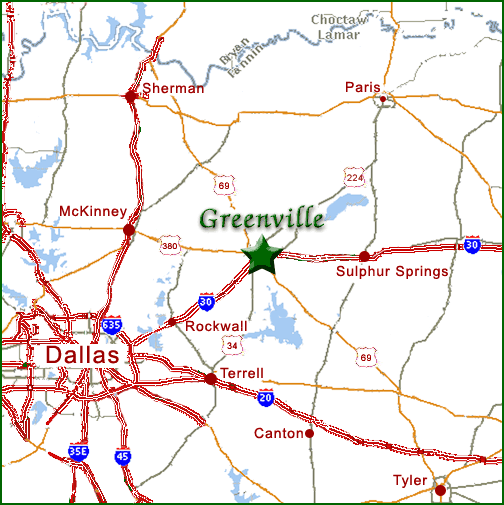
Greenville is strategically positioned approximately 50 miles east of Dallas, making it an accessible day trip or weekend getaway for those exploring the Dallas-Fort Worth Metroplex. This proximity means that while it retains a distinct identity, it benefits from the infrastructure and connectivity of a major metropolitan area.
Key Transportation Routes
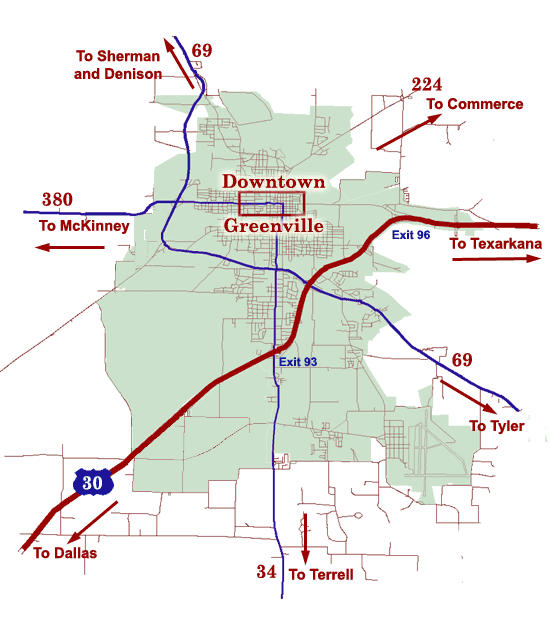
The city is primarily served by Interstate 30, a major east-west highway that connects it directly to Dallas to the west and Texarkana to the east. This highway makes driving to Greenville straightforward and efficient. For those flying in, Dallas/Fort Worth International Airport (DFW) and Dallas Love Field Airport (DAL) are the closest major airports, both offering extensive domestic and international flight options. From either airport, a rental car is the most convenient way to reach Greenville, with the drive typically taking around an hour to 75 minutes.
Navigating Greenville
Once in Greenville, the city is easy to navigate. Its downtown area, the historic heart of the community, is compact and walkable. Major thoroughfares like Wesley Street and Joe Ramsey Drive offer access to shopping, dining, and attractions. Public transportation within Greenville is limited, so a personal vehicle or rental car is highly recommended for exploring beyond the immediate downtown core and for venturing into the wider county.
Greenville’s Rich History and Cultural Tapestry
Greenville’s identity is deeply rooted in its history, which began as a frontier trading post. Its development was significantly shaped by the arrival of the railroad, transforming it into a key agricultural and commercial center for Northeast Texas. This historical evolution is palpable in its architecture and the stories of its past.
The Pioneer Spirit and Early Development
Founded in 1843, Greenville quickly became a vital hub for the surrounding cotton and farming communities. The Hunt County Historical Museum offers an excellent starting point for understanding this era, showcasing artifacts and exhibits that illuminate the lives of early settlers. The city’s layout, with its grid system and preserved historic buildings, reflects the planning and ambition of its founders.
A Hub for Arts and Culture
In recent decades, Greenville has experienced a renaissance, with a growing arts scene and a renewed appreciation for its cultural heritage. The Art Alley is a vibrant testament to this transformation, featuring colorful murals created by local artists that brighten the downtown landscape. The Texan Theater, a beautifully restored historic venue, now hosts a variety of live performances, from music concerts to theatrical productions, drawing visitors and residents alike. This commitment to the arts adds a dynamic layer to Greenville’s traditional charm, offering contemporary experiences alongside its historical allure.
Exploring Greenville’s Local Attractions and Experiences
Beyond its historical significance, Greenville offers a range of attractions and activities that cater to diverse interests, making it a destination for more than just a passing visit.
Downtown Greenville: A Historic Core
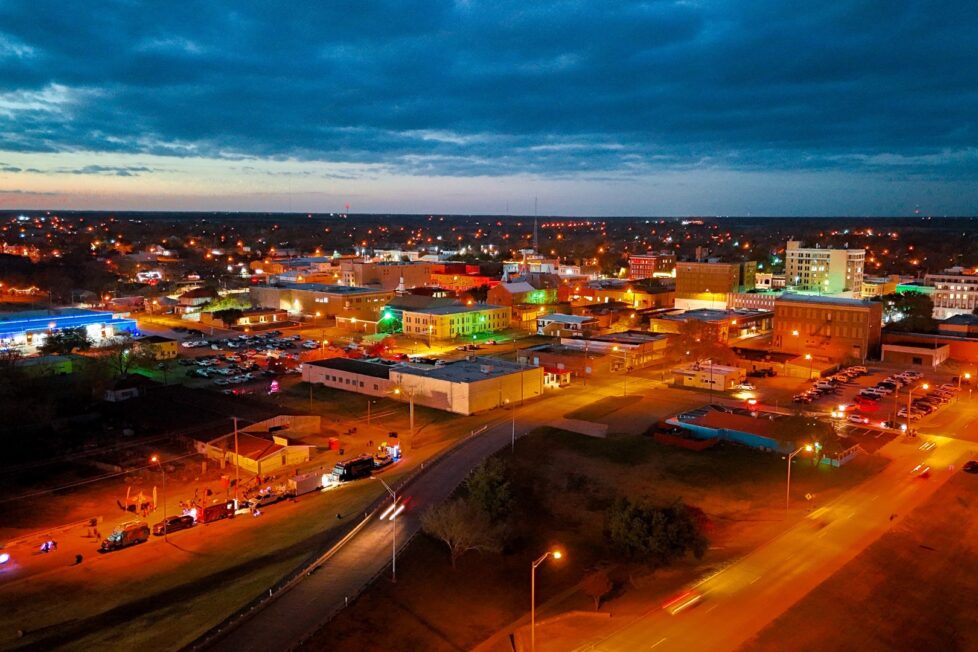
The heart of Greenville beats in its historic downtown. Here, visitors can wander through streets lined with beautifully preserved Victorian-era buildings that now house an eclectic mix of boutiques, antique shops, art galleries, and eateries. The Greenville Square itself is a focal point, often hosting community events and farmers’ markets. It’s a place to soak in the local atmosphere, engage with shop owners, and discover unique finds.
Parks and Recreation
Nature enthusiasts will find solace in Greenville’s green spaces. City Lake Park is a popular destination for outdoor recreation, offering opportunities for fishing, boating, and picnicking. The park’s scenic trails are ideal for a leisurely stroll or a more vigorous hike, providing a refreshing escape from urban life. For those interested in birdwatching or simply enjoying the tranquility of nature, the various parks and natural areas surrounding Greenville offer ample opportunities.
Culinary Delights and Local Flavors
No exploration of a Texan city is complete without delving into its culinary scene, and Greenville does not disappoint. The city boasts a range of dining options, from classic Tex-Mex and barbecue joints to charming cafes and international cuisine. Visitors should seek out local favorites that showcase regional specialties, perhaps a plate of authentic Texas barbecue or a hearty breakfast at a beloved diner. The presence of numerous locally owned restaurants provides a genuine taste of Hunt County hospitality and culinary traditions.
Activities and Day Trips from Greenville
Greenville serves as an excellent base for exploring the wider Northeast Texas region, offering a variety of activities for those looking to extend their stay or discover more of the Lone Star State.
Embracing the Outdoors
The natural beauty surrounding Greenville is a significant draw. Beyond City Lake Park, the nearby Cooper Lake State Park offers expanded opportunities for water sports, camping, and wildlife viewing. The park’s diverse ecosystems attract a variety of fauna, making it a prime location for nature observation.
Historical Excursions
For history buffs, the region offers several compelling day trip destinations. A drive to Jefferson, a historic steamboat town known for its antebellum homes and ghost tours, provides a glimpse into a different era of Texas history. Similarly, exploring other small towns within Hunt County can reveal hidden gems of local history and architecture, offering a broader perspective on the development of this part of Texas.
Proximity to Major Attractions
As mentioned, the close proximity to Dallas means that a day trip to the metropolis is easily achievable. Visitors can experience the world-class museums, vibrant entertainment districts, and diverse shopping opportunities that Dallas has to offer, returning to the quieter ambiance of Greenville in the evening. This flexibility allows travelers to balance the vibrant energy of a large city with the more relaxed pace of a smaller, historic Texas town.
In conclusion, Greenville, Texas, is more than just a dot on the map. It is a destination brimming with historical significance, a burgeoning cultural scene, and the warm hospitality characteristic of Texas. Whether you are seeking a quiet retreat, a base for exploring the region, or an opportunity to connect with authentic local life, Greenville offers a rewarding experience for the curious traveler.
LifeOutOfTheBox is a participant in the Amazon Services LLC Associates Program, an affiliate advertising program designed to provide a means for sites to earn advertising fees by advertising and linking to Amazon.com. Amazon, the Amazon logo, AmazonSupply, and the AmazonSupply logo are trademarks of Amazon.com, Inc. or its affiliates. As an Amazon Associate we earn affiliate commissions from qualifying purchases.