
Navigating California‘s Time Zones: A Traveler’s Essential Guide
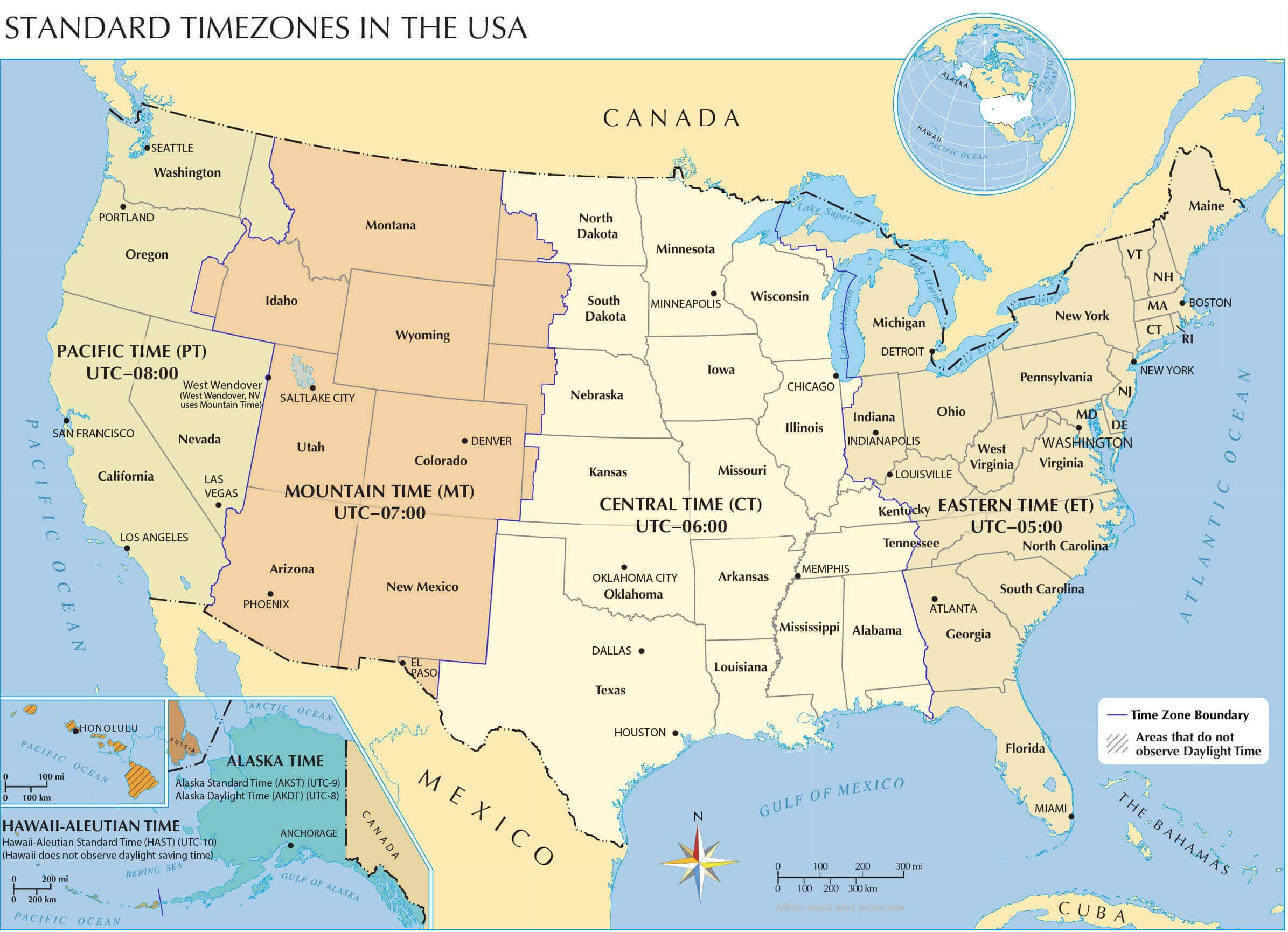
Understanding the clock in California is more than just knowing what time it is; it’s a fundamental aspect of planning, experiencing, and truly immersing oneself in the Golden State. California operates primarily on the Pacific Time Zone (PT), which observes Pacific Standard Time (PST) during the winter months and Pacific Daylight Time (PDT) during Daylight Saving Time. PST is GMT-8, meaning it is eight hours behind Coordinated Universal Time. When Daylight Saving Time is in effect, from early March to early November, California shifts to PDT, which is GMT-7. This one-hour shift, commonly referred to as “springing forward” and “falling back,” can significantly impact travel plans, especially for those arriving from different time zones or coordinating activities across state lines or international borders.
For the intrepid traveler, acknowledging this time difference is paramount. Imagine arriving in Los Angeles from New York and instantly facing a three-hour time difference. Your internal clock, still on Eastern Time, might tell you it’s prime dinner hour while local establishments are winding down. Similarly, a crucial conference call with colleagues on the East Coast would need careful scheduling to avoid early morning or late-night inconveniences. Beyond personal comfort and communication, many of California’s premier attractions, from the gates of Disneyland to the historic tours of Alcatraz Island in San Francisco, operate on strict schedules dictated by the local time. Missing an advanced booking for a specific entry slot simply because of a time zone miscalculation can lead to disappointment and wasted opportunities. Therefore, integrating California’s time into every facet of your trip planning is not just advisable; it’s essential for a seamless and enjoyable experience.
Optimizing Your California Experience Across Time
Effectively managing your time in California means more than just setting your watch; it involves strategic planning to synchronize your body clock with local rhythms and maximize every moment of your exploration. From overcoming jet lag to meticulously scheduling your adventures, a thoughtful approach to time can transform your trip from good to unforgettable.
Beating Jet Lag and Maximizing Your First Days
Jet lag can be a formidable adversary, especially for those journeying across multiple time zones. Arriving in California from distant lands can leave you feeling disoriented and fatigued, potentially robbing you of precious vacation time. To combat this, proactive measures are key. Begin adjusting your sleep schedule a few days before your departure, gradually shifting towards California time. Upon arrival, prioritize exposure to natural light during daylight hours, which helps reset your circadian rhythm. Resist the urge to nap for extended periods; instead, try to stay awake until a reasonable local bedtime. Hydration is crucial, as is avoiding excessive caffeine or alcohol, which can disrupt sleep patterns.
For the first day or two, consider planning less strenuous activities. Instead of tackling the bustling crowds of Universal Studios Hollywood immediately, perhaps opt for a leisurely stroll along Santa Monica Pier or a scenic drive up the coast through Malibu. Engaging in light physical activity can also help. Gradually easing into your itinerary allows your body to adjust more naturally, ensuring you’re refreshed and ready to fully embrace the vibrant experiences California has to offer, from the urban energy of San Diego to the serene beauty of Lake Tahoe.
Planning Your Itinerary: Synchronizing with Local Rhythms
A well-planned itinerary considers not just what you want to do, but when the optimal time is to do it. Attraction opening and closing times are non-negotiable, and they are always presented in local California time. For popular destinations like Disneyland Park or the San Diego Zoo, arriving shortly after opening can mean shorter lines and a more pleasant experience. Many museums, particularly in cities like San Francisco or Los Angeles, have specific operating hours, and some may offer extended evening hours on certain days, which can be perfect for a post-dinner cultural excursion.
Dining schedules also vary. While tourist hubs might have flexible options, venturing into local neighborhoods in Sacramento or Oakland might reveal restaurants that adhere to more traditional California mealtimes, meaning kitchens may close earlier than expected for dinner. For fine dining experiences, especially in regions like Napa Valley or Beverly Hills, reservations are often essential and must be secured well in advance for the desired time slot. Public transport, too, follows strict schedules, particularly in sprawling cities like Los Angeles, where relying on buses and trains requires precise timing to avoid long waits. Even activities like catching a ferry to Alcatraz or taking a guided tour of Redwood National Park are time-sensitive, with specific departure and return times. Consulting official websites and local guides for the most current operating hours and making necessary bookings based on California time will ensure a smooth, stress-free adventure.

The California Clock: Its Impact on Remote Work and Global Connections
For digital nomads, business travelers, or those simply trying to stay connected with family and work while vacationing, the California time zone presents a unique set of challenges and opportunities. Its position as GMT-8 (or GMT-7 during PDT) places it significantly behind the East Coast of the United States and even further behind Europe and Asia. This can be a double-edged sword: offering tranquil mornings for focus but demanding late-night engagements for international collaboration.
Many professionals choose California as a remote work base, particularly the vibrant tech hubs of Silicon Valley or the creative industries centered in Hollywood. The early morning hours in California often coincide with the afternoon in New York or the evening in London, making a narrow window for real-time collaboration. Effective strategies include scheduling core meeting blocks during these overlapping hours and utilizing asynchronous communication methods for other tasks. Tools that display multiple time zones simultaneously become invaluable, as do online calendars that automatically adjust for attendees’ locations.
Maintaining connections with family and friends in different time zones also requires conscious effort. A casual evening call with relatives in Australia might mean a very early morning for you, or vice-versa. Understanding these differences and communicating effectively about availability helps manage expectations and maintain relationships. The key is to be proactive and flexible. Embrace the early mornings for deep work or quiet exploration, and prepare for potentially later evenings if your global connections demand it. This adaptability allows you to fully leverage the distinct advantages of California’s time, whether it’s for professional productivity or maintaining personal bonds across continents.
Time-Sensitive Adventures: Making Every Moment Count
Beyond the practicalities of scheduling, understanding the rhythm of time in California unlocks unique and breathtaking experiences. From chasing the golden hues of sunrise and sunset to planning around seasonal time shifts, embracing the clock can elevate your journey through this diverse state.
Sunrise and Sunset: Capturing California’s Natural Beauty
California’s diverse landscapes offer some of the most spectacular sunrise and sunset vistas in the world, and knowing the precise timing of these celestial events is key to experiencing them. For early risers, catching the sunrise over the eastern peaks of Yosemite National Park transforms the granite cliffs into a masterpiece of light and shadow, a truly unforgettable spectacle. Similarly, the stark, ethereal beauty of a sunrise in Death Valley National Park paints the desert floor in incredible colors. These moments demand an early start, often before the first hint of dawn, to position yourself perfectly.
Conversely, California’s Pacific coastline is renowned for its iconic sunsets. The Big Sur coastline, with its dramatic cliffs meeting the ocean, offers unparalleled views as the sun dips below the horizon, casting vibrant oranges, pinks, and purples across the sky and water. Popular spots like La Jolla Cove in San Diego or Point Reyes National Seashore north of San Francisco also draw crowds seeking to witness these daily marvels. Professional and amateur photographers alike meticulously track sunrise and sunset times to capture the “golden hour” and “blue hour” – periods of soft, diffused light ideal for photography. Consulting local weather apps or dedicated sunrise/sunset calculators for your specific location in California will ensure you arrive in time to secure the best vantage point and soak in these magical transitions of day to night.
Seasonal Time Shifts and Event Planning
The biannual shift to and from Daylight Saving Time can subtly influence your travel plans, particularly if your visit spans one of these transition periods. While most digital devices automatically adjust, understanding the change is vital for coordinating with fixed schedules, such as flight departures or pre-booked tours. More broadly, California’s seasons themselves dictate different activities and event timings. Summer, with its longer daylight hours, allows for extended outdoor adventures, from hiking in Joshua Tree National Park to surfing off the coast of Long Beach. Winter brings shorter days but opens up opportunities for snow sports in the Sierra Nevada mountains or enjoying the festive lights in cities like Pasadena.
Major events across California are also intrinsically linked to the calendar and time. The famous Pasadena Rose Parade on New Year’s Day begins bright and early, demanding strategic planning for spectators to secure a good spot. Music festivals like Coachella Valley Music and Arts Festival in Indio span multiple days with specific performance schedules that attendees track meticulously. Wine tasting tours in Sonoma County often have fixed appointment times, especially for smaller, exclusive vineyards. Being mindful of these seasonal and event-specific time considerations allows you to align your travel goals with California’s dynamic calendar, ensuring you’re at the right place at the right time for whatever adventure awaits.
LifeOutOfTheBox is a participant in the Amazon Services LLC Associates Program, an affiliate advertising program designed to provide a means for sites to earn advertising fees by advertising and linking to Amazon.com. Amazon, the Amazon logo, AmazonSupply, and the AmazonSupply logo are trademarks of Amazon.com, Inc. or its affiliates. As an Amazon Associate we earn affiliate commissions from qualifying purchases.