
The vast expanse of the United States of America is a tapestry woven with diverse landscapes, rich histories, and vibrant cultures. Within this immense nation, one state stands out for its sheer size, distinctive identity, and profound impact on the American narrative: Texas. Often described as a country within a country, the Lone Star State occupies a significant geographical and cultural position, influencing everything from its economy and politics to its culinary traditions and spirit of independence. Understanding where Texas is located is not merely about pinpointing it on a map; it’s about grasping its unique role in the American mosaic.
Geographical Placement and Borders
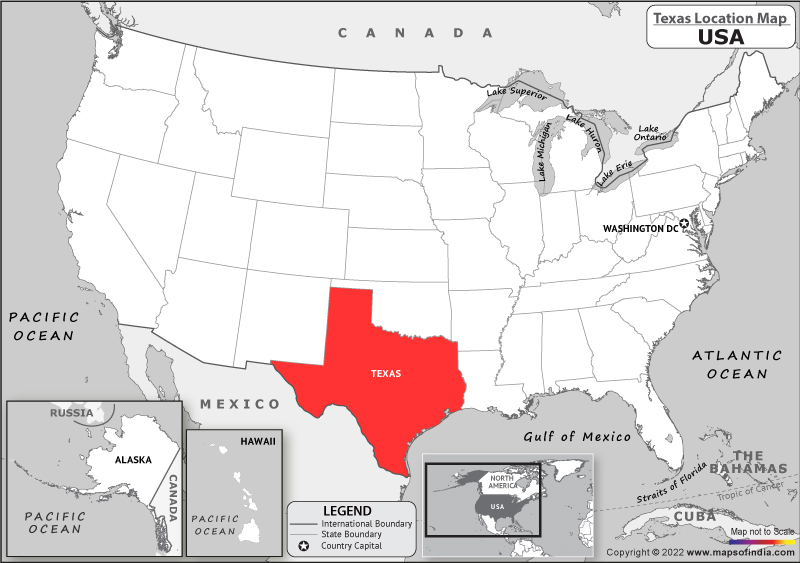
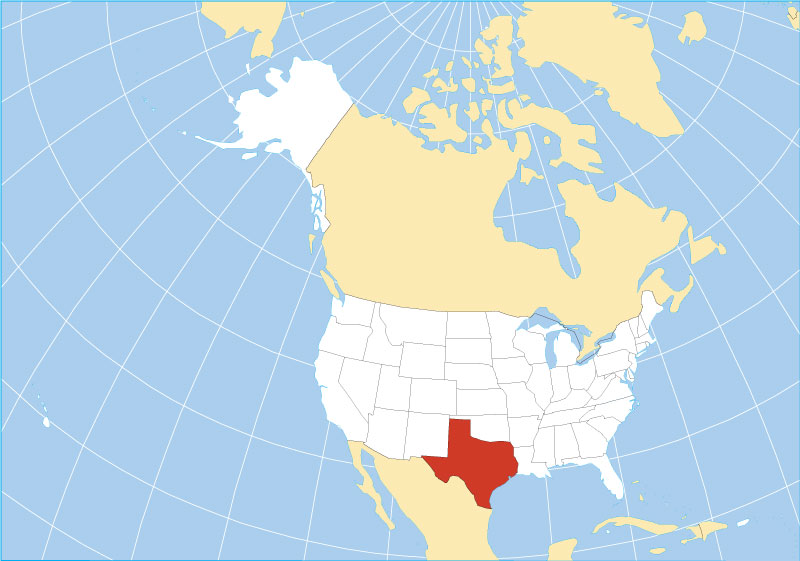
Texas is situated in the south-central region of the United States. It is the second-largest state by both area and population, a testament to its considerable geographical footprint and the magnetism of its opportunities. Its sheer scale means that any description of its location must also acknowledge the diverse environments it encompasses, from the arid deserts of the west to the humid subtropical coastlines of the southeast.
Northern Frontiers and the Great Plains
To its north, Texas shares a lengthy border with the state of Oklahoma. This boundary is largely defined by the Red River, a significant waterway that has played a crucial role in the region’s history and ecology. The northern parts of Texas, including cities like Amarillo and Wichita Falls, are characterized by the vast, rolling landscapes of the Great Plains. This region is known for its agriculture, cattle ranching, and a sense of wide-open spaces that has long been associated with the American West.
Eastern Neighbors and the Piney Woods
The eastern border of Texas is shared with Louisiana and a small section of Arkansas. This proximity introduces a different climatic and cultural influence, particularly the humid, subtropical environment of the Piney Woods region in East Texas. This area is characterized by dense forests, bayous, and a cultural heritage that blends Texan and Southern sensibilities. Cities like Shreveport (just across the border in Louisiana) and Beaumont, Texarkana in Texas reflect this transitional zone.
Southern Extent and the Border with Mexico
Arguably the most defining of Texas’s borders is its southern frontier, which stretches for over 1,200 miles along the Rio Grande River, forming an international boundary with Mexico. This extensive border profoundly shapes Texas’s demographics, economy, and cultural identity. The vibrant border cities, such as El Paso, Laredo, McAllen, and Brownsville, are melting pots of Texan and Mexican influences, evident in their language, cuisine, and customs. The climate here is predominantly arid to semi-arid, with desert landscapes dominating much of the western part of the border.
Western Reaches and New Mexico’s Influence
The western border of Texas is shared with the state of New Mexico. This vast expanse is largely characterized by desert and mountain terrain, reflecting the transition into the American Southwest. The influence of Spanish and Native American cultures is palpable in this region, with cities like Carlsbad (in New Mexico) and towns in western Texas like Hobbs (in New Mexico) and Andrews exhibiting this cultural blend.
The Gulf Coast: A Maritime Frontier
On its southeastern side, Texas is bordered by the Gulf of Mexico. This coastline stretches for hundreds of miles, encompassing major port cities like Houston (though technically inland from the immediate coast, it’s a major port city), Galveston, and Corpus Christi. The Gulf Coast region is a vital economic hub, heavily involved in shipping, oil and gas, and tourism. The climate here is humid subtropical, with warm summers and mild winters, supporting a rich biodiversity and popular beach destinations.
Distinctive Regions within Texas
Beyond its state boundaries, Texas itself is a state of immense regional diversity. This internal variation is a key factor in understanding its unique character and its position within the United States.
The Panhandle and West Texas: Desert and Plains
The northernmost part of the state, the Panhandle, is characterized by high plains and a semi-arid climate. West Texas extends this landscape, often evoking images of the Wild West with its vast ranches, oil fields, and rugged terrain. Cities like Lubbock and Midland are economic centers in this region, driven by agriculture and the energy sector.
Central Texas: Hill Country and Major Metropolises
Central Texas is perhaps the most dynamic and populous region, home to the state’s major urban centers: Austin, San Antonio, Dallas, and Fort Worth (often collectively referred to as the Dallas-Fort Worth metroplex). This region is also known for its picturesque Hill Country, a landscape of rolling hills, clear streams, and charming small towns. The cultural influences here are a rich blend of Southern, Southwestern, and German heritage.
East Texas: The Piney Woods and Southern Charm
As mentioned earlier, East Texas is defined by its dense forests, contributing to its distinct cultural identity, which leans more towards Southern traditions. Lumber, oil, and agriculture are key industries here, with cities like Tyler and Nacogdoches representing the region’s character.
South Texas: Coastal Plains and the Borderlands
South Texas encompasses the coastal plains and the border region with Mexico. This area is characterized by a subtropical climate, fertile agricultural land (particularly for citrus and winter vegetables), and a strong Hispanic influence. The cities along the Rio Grande are vibrant hubs of bicultural life, while the coastal areas offer recreational opportunities.
Historical Context and Identity
Understanding Texas’s location also necessitates a brief glance at its history, which has significantly shaped its identity and its placement within the United States. Having been a republic before joining the union, Texas retains a strong sense of independence and exceptionalism. Its history as a frontier territory, a battleground for independence, and a state with a distinct political and economic trajectory sets it apart. This history contributes to the perception of Texas as a unique entity, even within the diverse landscape of the United States. Its location on the periphery of the nation, bordering both a foreign country and the vastness of the Gulf of Mexico, has always fostered a sense of distinctiveness and self-reliance.

Conclusion: A State of Significance
In conclusion, Texas is strategically positioned in the south-central region of the United States. Its vast size and varied borders with Oklahoma, Louisiana, Arkansas, New Mexico, Mexico, and the Gulf of Mexico define its geographical context. However, its true significance lies not just in its coordinates but in the diverse regions it encompasses, the historical narrative it embodies, and the powerful cultural identity it projects. Whether exploring the oil fields of West Texas, the vibrant streets of San Antonio, the forests of East Texas, or the bustling metropolises of North Texas, one encounters a state that is both undeniably American and uniquely Texan, a crucial and dynamic component of the American story.
LifeOutOfTheBox is a participant in the Amazon Services LLC Associates Program, an affiliate advertising program designed to provide a means for sites to earn advertising fees by advertising and linking to Amazon.com. Amazon, the Amazon logo, AmazonSupply, and the AmazonSupply logo are trademarks of Amazon.com, Inc. or its affiliates. As an Amazon Associate we earn affiliate commissions from qualifying purchases.