
Understanding Seattle’s Climate: A Traveler’s Primer
Seattle, often perceived as a perpetually rain-soaked city, actually boasts a climate that is far more nuanced and inviting than its reputation might suggest. Nestled on the Puget Sound, with the Olympic Mountains to the west and the Cascade Mountains to the east, its geographical position significantly influences its weather patterns. For the discerning traveler, understanding these nuances is key to planning an unforgettable visit, ensuring you pack appropriately and can fully embrace the Emerald City’s unique charm, regardless of the season.
Seattle experiences a temperate maritime climate, characterized by mild, wet winters and relatively dry, warm summers. The city is situated in a zone that is shielded from extreme temperatures by the surrounding mountain ranges, which also play a crucial role in dictating precipitation. The proximity to the Pacific Ocean moderates temperatures, preventing the harsh freezes that might be expected at similar latitudes inland.
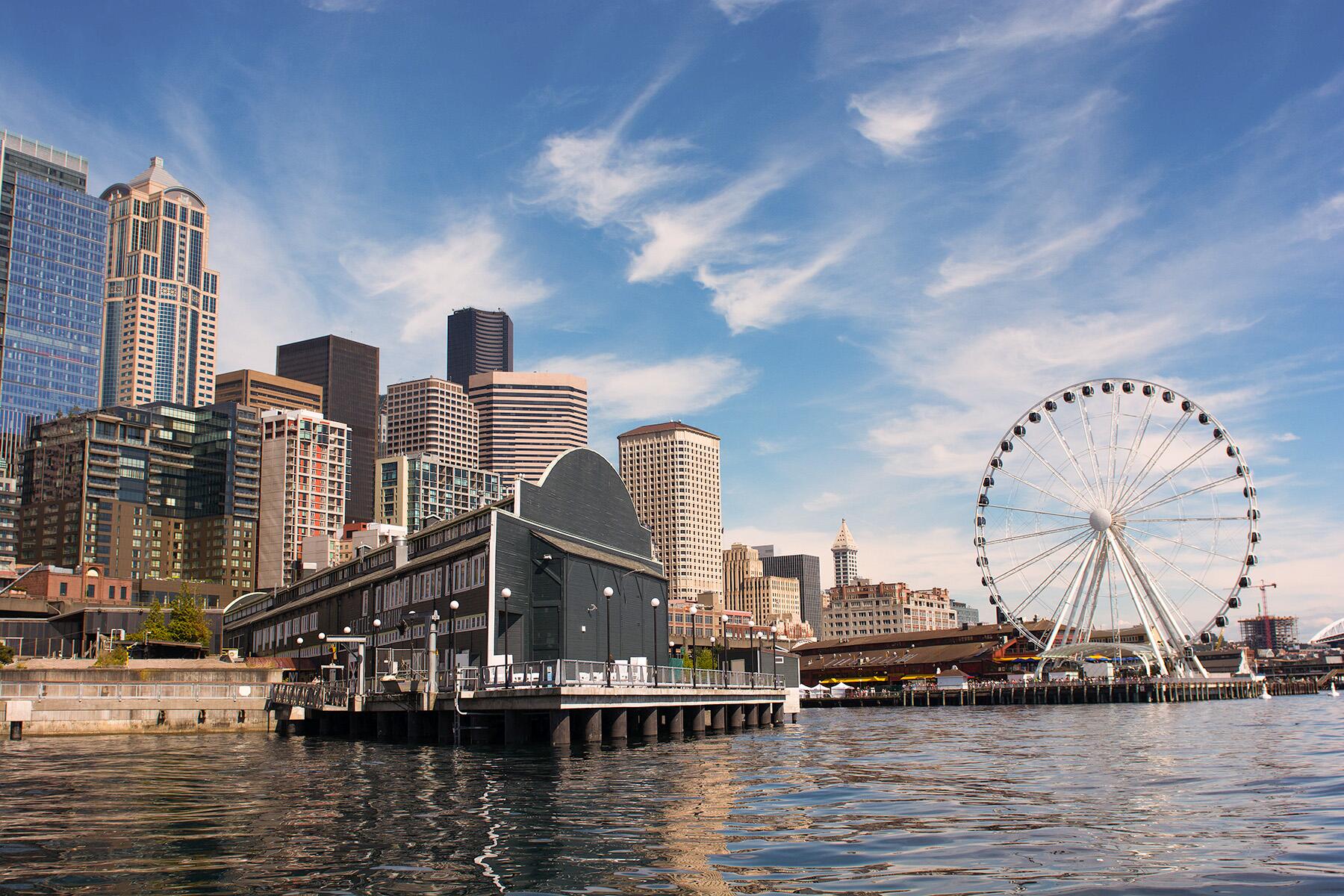
One of the most persistent myths about Seattle is the constant deluge. While it’s true that Seattle receives a notable amount of rainfall, it’s often in the form of light, persistent drizzle rather than heavy downpours. Furthermore, the summer months are surprisingly dry and sunny, offering ample opportunities for outdoor exploration. The “rainy season” typically spans from October to May, but even during these months, clear, crisp days are not uncommon, offering a different, yet equally captivating, perspective of the city.
Seasonal Breakdown for the Prepared Traveler
To truly make the most of your Seattle adventure, a season-by-season understanding of the weather is indispensable. Each period offers distinct experiences, from the vibrant bloom of spring to the crisp, cozy atmosphere of autumn.
Spring in Seattle: Awakening and Renewal
Spring in Seattle, typically from March to May, is a time of transition and burgeoning life. The city shakes off its winter slumber, and the landscape begins to burst with color. Temperatures gradually rise, with average highs ranging from the mid-40s to the low 60s Fahrenheit (around 7-17°C). While spring showers are still a frequent occurrence, they often give way to longer periods of sunshine, especially as April and May progress.
This season is ideal for those who appreciate a city coming alive. Cherry blossoms paint parks like Volunteer Park and the University of Washington in vibrant hues of pink and white. The waterfront begins to bustle with activity, and outdoor cafes start to reopen their patios. Packing for spring requires layers: a waterproof jacket is essential, along with sweaters, long-sleeved shirts, and comfortable walking shoes. An umbrella is a wise companion, but don’t let the occasional drizzle deter you from exploring the city’s many indoor attractions, such as the Museum of Pop Culture or the Seattle Art Museum.
Summer in Seattle: Sunshine and Outdoor Adventures
Summer in Seattle, from June to August, is arguably the most sought-after time to visit. The weather truly shines, offering long, sun-drenched days with remarkably little rainfall. Average high temperatures hover in the comfortable 70s Fahrenheit (around 21-26°C), though occasional heatwaves can push temperatures higher. The skies are often a brilliant blue, providing stunning vistas of the surrounding natural beauty, including Mount Rainier.
This is the season for exploring Discovery Park, kayaking on Lake Union, or enjoying a ferry ride to one of the nearby islands like Bainbridge Island. The city comes alive with outdoor festivals, farmers’ markets, and concerts. For summer visitors, light clothing is appropriate: t-shirts, shorts, and sundresses. However, evenings can still be cool, especially near the water, so a light jacket or sweater is advisable. Don’t forget sunscreen and sunglasses to make the most of the abundant sunshine. This is also a prime time to consider staying at one of Seattle’s many charming boutique hotels or waterfront resorts, offering easy access to the season’s best outdoor activities.
Autumn in Seattle: Crisp Air and Cultural Delights
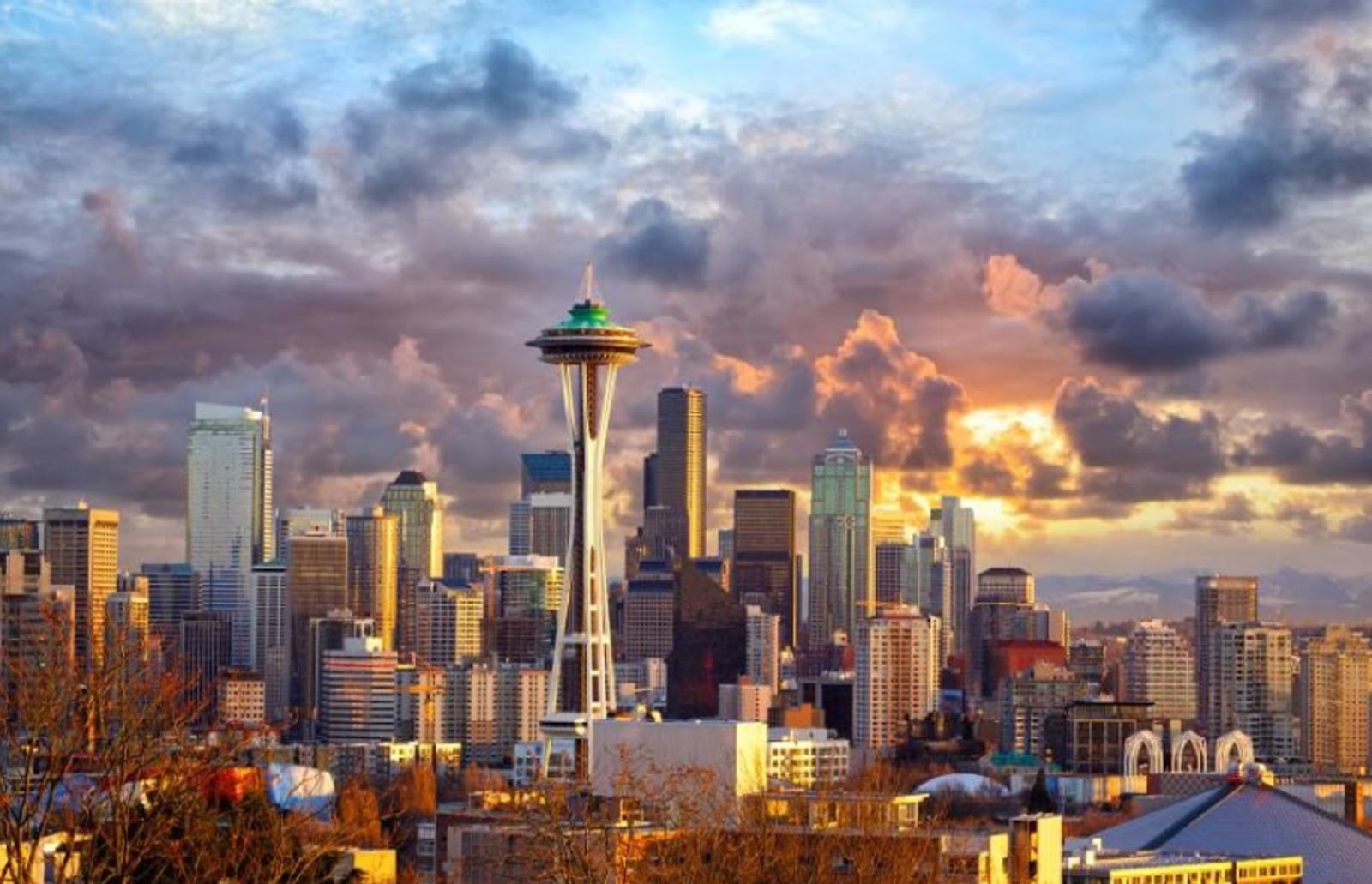
As summer fades, autumn in Seattle, from September to November, ushers in a period of crisp air and a breathtaking display of fall foliage. Temperatures begin to cool, with average highs dropping from the low 70s in September to the high 40s by November (around 9-21°C). Rainfall gradually increases, but the early fall months can still offer delightful sunny days perfect for exploring the city’s vibrant neighborhoods like Ballard or Fremont.
The changing leaves paint parks and streets in warm tones of red, orange, and gold. This season is excellent for visiting coffee shops, enjoying seasonal culinary delights, and immersing yourself in the city’s rich cultural scene. Museums, theaters, and galleries are particularly appealing as the days shorten. Packing for autumn requires a similar approach to spring: layers are key. A medium-weight jacket, sweaters, long pants, and comfortable, water-resistant shoes are essential. An umbrella is a good idea, but the crisp air often makes for invigorating walks between indoor explorations. The shoulder season can also offer excellent value on accommodations.
Winter in Seattle: Mild and Cozy
Seattle’s winters, from December to February, are notoriously mild compared to many other North American cities. Snowfall is infrequent and typically does not accumulate for long periods. Average high temperatures are usually in the low 40s Fahrenheit (around 4-7°C), and freezing temperatures are rare. The city does experience its share of rain and cloudy days during this period.
Despite the reputation for gloom, winter in Seattle offers a unique, cozy charm. It’s an excellent time to explore the city’s renowned culinary scene, visit bookstores, enjoy live music, or take in a show. The holiday lights and festive decorations add a special sparkle to the downtown area and neighborhoods. For those seeking a winter escape, Seattle provides a welcome respite from harsh cold. Packing should include warm, waterproof outer layers, sweaters, long-sleeved shirts, and waterproof shoes or boots. A warm hat and gloves can be beneficial for colder days. Consider a visit to a local spa or enjoy the warmth of a fireplace at a charming inn. The lower tourist traffic during winter can also make for a more intimate travel experience, allowing for deeper connections with the local culture and a chance to discover hidden gems.
Navigating Seattle’s Microclimates and Influences
Beyond the general seasonal patterns, Seattle’s weather is also shaped by a fascinating interplay of geography and atmospheric conditions. Understanding these microclimates and influences can further enhance a traveler’s preparedness and appreciation for the city’s dynamic environment.
The Rain Shadow Effect and the “Seattle Mist”
Seattle benefits from a phenomenon known as the “rain shadow effect.” The Olympic Mountains to the west act as a formidable barrier, intercepting much of the moisture carried by storms moving in from the Pacific Ocean. As these storms climb the western slopes of the Olympics, they release a significant portion of their precipitation. By the time the air descends on the eastern side, over the Puget Sound and Seattle, it is considerably drier.
This explains why Seattle receives less rainfall than cities located on the immediate coast of Oregon or northern California, despite being further north. What precipitation does arrive in Seattle during the wetter months is often characterized by a persistent, fine mist or light drizzle. This “Seattle mist” can sometimes be so fine that it feels more like humidity than rain, contributing to the city’s lush green landscapes and its “Emerald City” moniker. While it might not require heavy rain gear, a good waterproof jacket with a hood is highly recommended for prolonged outdoor activities during these times.
Puget Sound’s Moderating Influence
The Puget Sound, a large inland saltwater estuary, plays a significant role in moderating Seattle’s climate. Its vast body of water absorbs heat during the summer, helping to keep the city cooler, and releases heat during the winter, preventing extreme cold. This moderating effect contributes to Seattle’s reputation for having mild winters and relatively cool summers compared to inland cities at similar latitudes.
The Sound also influences local wind patterns, which can sometimes bring refreshing breezes from the water on warm summer days or a chill from the north during colder periods. Ferry commuters and waterfront residents are particularly attuned to these subtle shifts. For visitors, this means that even on warm summer days, sitting by the waterfront or on a ferry can offer a pleasant, cooler experience. Conversely, winter days may feel a bit more biting near the water.
The Cascade Mountains and Inland Weather Systems
To the east of Seattle lie the formidable Cascade Mountains. These mountains, while not directly influencing Seattle’s daily weather in the same way the Olympics do, can affect the broader weather patterns. For instance, a strong outflow of cold air from the interior of North America might be partially blocked by the Cascades, leading to slightly warmer conditions in Seattle than in eastern Washington. Conversely, they can channel certain weather systems.
During the summer, the Cascades can contribute to clear, sunny skies over Seattle as the dry air mass from the west dominates. In winter, they can trap colder air on the eastern side of the state, potentially leading to snow events in areas like Spokane. For travelers heading east of Seattle, such as to ski resorts in the Cascades, it’s important to be aware that the weather conditions can be significantly different and often more severe than in the city itself. Always check mountain weather forecasts if your itinerary includes venturing into these higher elevations.
Packing Essentials for Seattle’s Diverse Weather
Given Seattle’s varied climate, thoughtful packing is crucial for maximizing comfort and enjoyment. The key is to embrace a layered approach, allowing you to adapt to changing conditions throughout the day and across seasons.
The Universal Necessities
Regardless of the season, certain items are indispensable for any Seattle visitor.
- Waterproof Outerwear: This is non-negotiable. A good quality, lightweight, and breathable waterproof jacket with a hood is your best friend in Seattle. It will protect you from the drizzle and light rain without causing you to overheat. Consider one that can also block wind.
- Comfortable, Water-Resistant Footwear: You’ll likely be doing a lot of walking, whether exploring the Pike Place Market, strolling through Pioneer Square, or hiking in a local park. Shoes with good traction that can handle damp surfaces are essential. Many visitors opt for stylish waterproof boots or sturdy walking shoes.
- Layering Garments: This is the cornerstone of Seattle dressing. Think in terms of thin base layers, insulating mid-layers (like fleece or wool sweaters), and your waterproof outer shell. This allows you to easily add or remove clothing as temperatures fluctuate or as you move between outdoor and indoor environments.
- Umbrella (Optional but Recommended): While a good jacket might suffice for light rain, a compact umbrella is useful for heavier showers or for those who prefer complete dryness.
- Scarf and Hat: Particularly useful for spring, autumn, and winter. They add warmth without bulk and can shield you from wind and light rain.

Seasonal Specifics
While the universal essentials cover the basics, tailoring your packing to the specific season will ensure optimal comfort.
- Spring (March-May): Focus on mid-weight layers. A waterproof jacket, sweaters, long-sleeved shirts, and perhaps a lighter fleece. Pants are generally suitable, but if you’re visiting in early spring, warmer options might be considered.
- Summer (June-August): Pack lighter clothing like t-shirts, shorts, and sundresses. However, always include at least one light jacket or sweater for cooler evenings and breezy waterfront areas. Sunscreen and sunglasses are a must for enjoying the extended daylight hours.
- Autumn (September-November): Similar to spring, but potentially with slightly warmer layers. A medium-weight jacket, warm sweaters, long pants, and closed-toe shoes are ideal. Early autumn might still allow for lighter jackets, while late autumn calls for more substantial outerwear.
- Winter (December-February): Prioritize warmth. Wool sweaters, thermal base layers, a heavy waterproof and windproof jacket, and warm, waterproof boots are recommended. A hat and gloves are essential for colder days.
By understanding Seattle’s climate and packing accordingly, you can transform any weather condition into an opportunity for exploration and enjoyment, ensuring your visit to the Emerald City is as comfortable and memorable as possible.
LifeOutOfTheBox is a participant in the Amazon Services LLC Associates Program, an affiliate advertising program designed to provide a means for sites to earn advertising fees by advertising and linking to Amazon.com. Amazon, the Amazon logo, AmazonSupply, and the AmazonSupply logo are trademarks of Amazon.com, Inc. or its affiliates. As an Amazon Associate we earn affiliate commissions from qualifying purchases.