
Vidor, Texas, a locale often met with a curious shrug or a polite inquiry, is a community deeply rooted in the southeastern expanse of the Lone Star State. While not a major metropolitan hub that dominates national travel itineraries, Vidor possesses a distinct character shaped by its geography, history, and the resilient spirit of its residents. Understanding its location is the first step to appreciating its understated appeal, which lies not in grand spectacles, but in its authentic Texan ambiance and its proximity to burgeoning regional attractions.
Geographical Context and Strategic Location
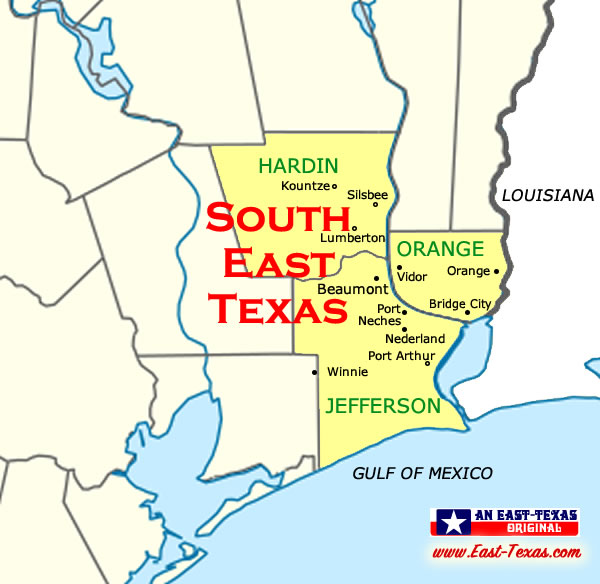
Nestled within Orange County, Vidor, Texas, occupies a prime position along the Sabine River, a natural border that delineates the state line between Texas and Louisiana. This advantageous placement offers Vidor a unique blend of Texan and Louisianan influences, particularly noticeable in its local cuisine and cultural nuances.
Proximity to Major Hubs and Recreational Areas
Vidor’s strategic location is one of its most significant, yet often overlooked, assets. The city is a mere stone’s throw from Beaumont, a larger city that serves as a regional economic and cultural center. This proximity provides Vidor residents and visitors with convenient access to a wider array of amenities, shopping, dining, and entertainment options. Beaumont’s offerings include various museums, such as the Spindletop-Gladys City Boomtown Museum, which offers a glimpse into the area’s rich oil history, and the Art Museum of Southeast Texas.
Furthermore, Vidor’s position in Southeast Texas places it within easy driving distance of the Gulf Coast. Destinations like Galveston and the Bolivar Peninsula are accessible for weekend getaways, offering beach activities, historical sites, and fresh seafood. The natural beauty of the region is also a draw, with numerous state parks and wildlife refuges scattered throughout Southeast Texas, providing opportunities for hiking, birdwatching, and fishing. The Big Thicket National Preserve, a unique ecosystem showcasing a diverse range of flora and fauna, is also within a manageable drive, appealing to nature enthusiasts.
Transportation Networks
The accessibility of Vidor is further enhanced by its well-connected transportation network. The city is situated near major highways, most notably Interstate 10 (I-10), a critical east-west artery that runs from California to Florida. This direct connection to I-10 makes travel to and from Vidor exceptionally convenient, facilitating commutes to nearby cities like Beaumont and Lake Charles, Louisiana, and enabling broader travel across the southern United States. U.S. Highway 90 also traverses Vidor, providing an alternative route and serving local traffic needs.
The presence of these major roadways means that Vidor is not an isolated community. It serves as a convenient stopping point for travelers traversing the region, offering services and a taste of local life to those passing through. For those looking to fly, the Jack Brooks Regional Airport in Beaumont offers regional air service, connecting Vidor to larger flight hubs.
A Glimpse into Vidor’s Identity and Local Flavor
Beyond its geographical coordinates, Vidor, Texas, is defined by its community, its history, and the unique cultural tapestry woven from its Texan roots and proximity to Louisiana. While it may not boast the sprawling attractions of larger cities, Vidor offers a distinct local experience for those willing to explore beyond the obvious.
Historical Roots and Community Spirit
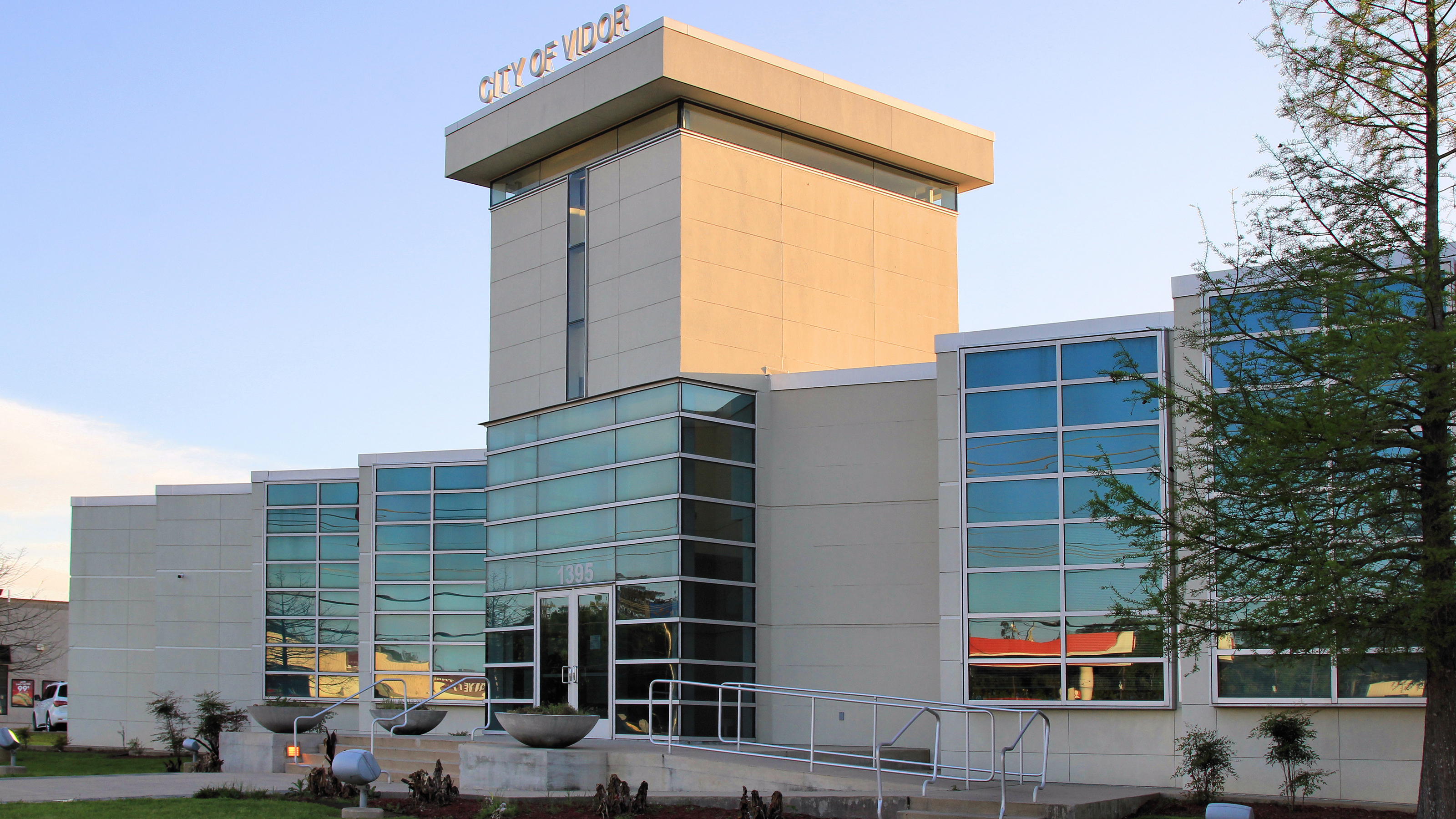
The history of Vidor is intrinsically linked to the development of Southeast Texas, particularly its connection to the timber and oil industries that shaped the region. The town was established in the early 20th century, with its growth spurred by these economic drivers. Over time, Vidor has cultivated a strong sense of community, characterized by neighborly interactions and a shared pride in their hometown. This spirit is often evident in local events, community gatherings, and the resilience of its residents in the face of economic shifts.
The area’s history is also marked by its significant role during World War II. The nearby U.S. Army’s San Jacinto Ordnance Depot played a crucial part in the war effort, and its presence influenced the development and population of the surrounding communities, including Vidor. This historical legacy contributes to the area’s narrative, offering a deeper understanding of the region’s past.
Local Culture and Influences
Vidor’s cultural landscape is a fascinating amalgamation of Texan tradition and the subtle, yet pervasive, influence of nearby Louisiana. This blend is perhaps most palpable in its culinary scene. While classic Texan fare like barbecue and Tex-Mex can be found, there’s also a discernible presence of Cajun and Creole flavors, a testament to its proximity to the Pelican State. Diners might find dishes influenced by the rich, savory stews and seafood traditions of Louisiana, often served in a welcoming, unpretentious setting.
The local dialect and mannerisms can also reflect this regional fusion, with a unique cadence and vocabulary that sets it apart. This cultural distinctiveness is not something advertised in glossy brochures but is discovered through genuine interaction with the community and exploration of its local establishments. It’s in the friendly waves from passersby, the stories shared over coffee, and the deeply ingrained sense of belonging that characterizes Vidor.
Exploring Vidor and its Surrounding Attractions
While Vidor itself is primarily a residential and commercial hub, its location serves as an excellent springboard for exploring the diverse attractions of Southeast Texas and Southwest Louisiana. Visitors can easily experience the unique appeal of this region, from its natural beauty to its historical significance.
Natural Wonders and Outdoor Pursuits
The natural environment surrounding Vidor is a significant draw for those seeking outdoor recreation. The aforementioned Big Thicket National Preserve offers a stunning variety of landscapes, including pine-hardwood forests, cypress-gum swamps, and savanna habitats. It is a haven for biodiversity, home to numerous species of plants and animals, making it a prime destination for hikers, birdwatchers, and nature photographers. The preserve features a network of trails catering to various skill levels, allowing visitors to immerse themselves in the wilderness.
The Sabine River itself, forming the border with Louisiana, provides opportunities for boating, fishing, and kayaking. Several public access points and parks along the river offer amenities for outdoor enthusiasts. Further afield, the Gulf Coast beckons with its sandy beaches and coastal ecosystems. Trips to nearby coastal towns like Galveston provide a classic beach experience, with opportunities for swimming, sunbathing, and enjoying fresh seafood. The coastal region also offers unique wildlife viewing, particularly for migratory birds and marine life.

Historical and Cultural Sites
The historical narrative of Southeast Texas is rich and varied, with several key sites within reach of Vidor. The Spindletop-Gladys City Boomtown Museum in Beaumont is a must-visit for anyone interested in the Texas oil boom. This living history museum recreates a bustling oil boomtown, offering a vivid portrayal of life during that transformative era. Visitors can witness reenactments and explore period buildings, gaining a tangible connection to the past.
The Texas Energy Museum in Beaumont also delves into the region’s industrial heritage, showcasing the evolution of the energy sector that has so profoundly shaped Southeast Texas. For those interested in maritime history, the Battleship Texas State Historic Site (though currently undergoing significant restoration and may have limited access) represents a powerful symbol of American naval power and history. Its eventual full return to public viewing will undoubtedly be a major attraction for history buffs.
Exploring the nearby city of Lake Charles, Louisiana, offers a taste of a different, yet closely related, cultural milieu. Known for its Mardi Gras celebrations, vibrant music scene, and distinctive Creole cuisine, Lake Charles provides a complementary experience to the Texan side of the Sabine River. Visitors can enjoy live music venues, explore historic districts, and indulge in the unique flavors of Louisiana.
Vidor, Texas, is more than just a dot on the map; it is a community with a defined identity, shaped by its strategic location, its historical contributions, and the enduring spirit of its people. It serves as a gateway to the diverse experiences of Southeast Texas and Southwest Louisiana, offering a genuine slice of American life for those who take the time to discover it.
LifeOutOfTheBox is a participant in the Amazon Services LLC Associates Program, an affiliate advertising program designed to provide a means for sites to earn advertising fees by advertising and linking to Amazon.com. Amazon, the Amazon logo, AmazonSupply, and the AmazonSupply logo are trademarks of Amazon.com, Inc. or its affiliates. As an Amazon Associate we earn affiliate commissions from qualifying purchases.