
Understanding the political landscape of any state is crucial for appreciating its identity, and for Texas, its representation in the United States Senate plays a pivotal role in shaping its future. The two individuals holding these esteemed positions are not merely political figures; they are architects of policy, advocates for their constituents, and integral components of the Texan narrative. Their backgrounds, ideologies, and legislative priorities offer a window into the state’s diverse interests and its unique position within the American federal system.
The Senators Representing the Lone Star State
Texas, a state renowned for its vast landscapes, rich history, and independent spirit, is represented in the U.S. Senate by two distinct voices. These senators, elected by the people of Texas, carry the weight of millions of constituents’ concerns and aspirations to the federal level. Their roles extend beyond mere representation; they are key players in national debates, influencing legislation that impacts everything from economic development and national security to education and healthcare.

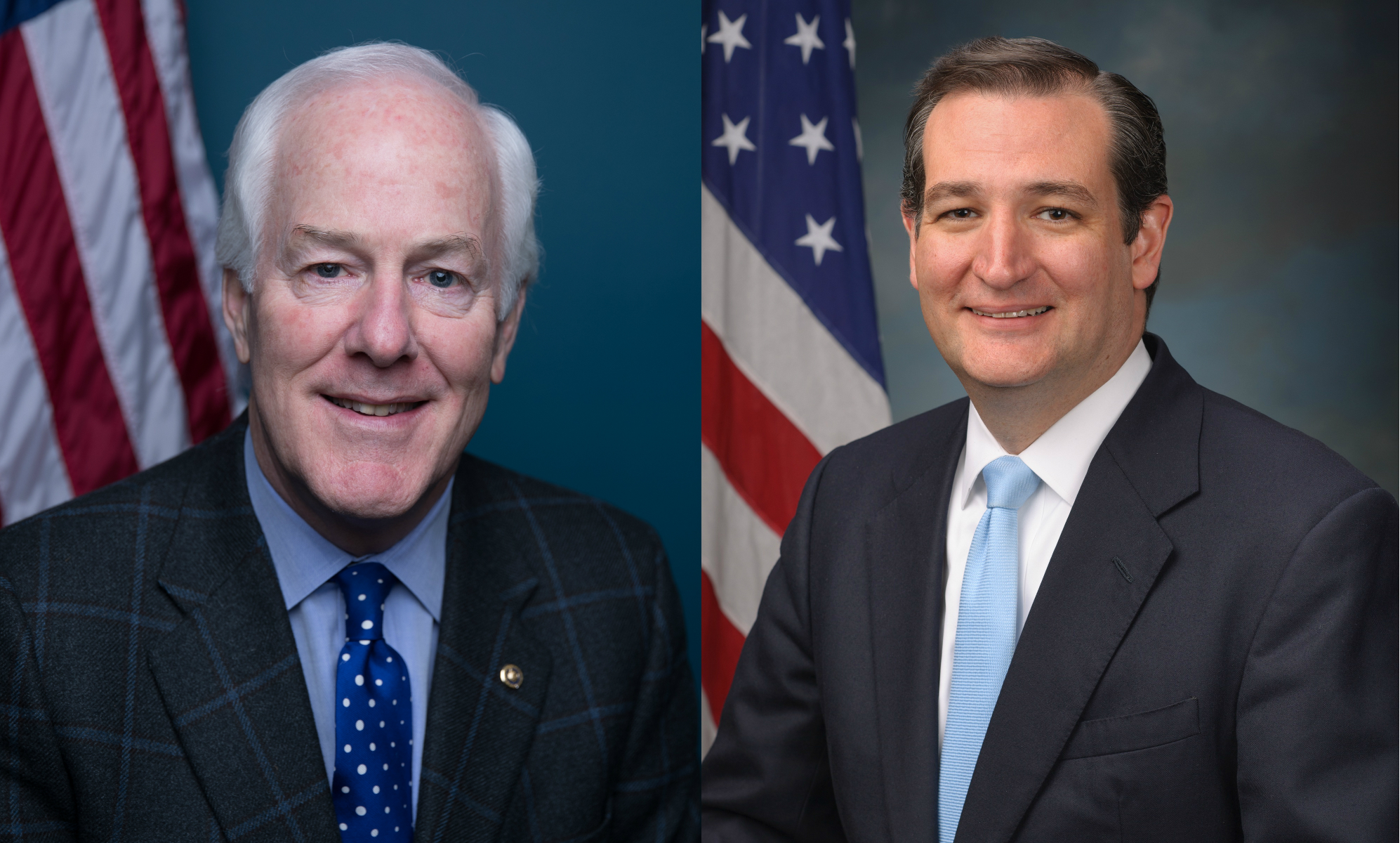
John Cornyn: A Veteran Statesman
Senator John Cornyn has been a fixture in Texas politics for decades, serving as one of the state’s two representatives in the United States Senate. His tenure has been marked by a consistent focus on conservative principles and a pragmatic approach to governance.
Early Career and Political Ascent
Born in Texas, Cornyn began his professional life as a practicing attorney before entering public service. His political journey saw him serve on the Texas Supreme Court, providing him with a deep understanding of the judicial system and the legal underpinnings of policy. He later transitioned to the U.S. Senate in 2002, succeeding Senator Phil Gramm.
Legislative Priorities and Focus Areas
Throughout his time in the Senate, Cornyn has consistently championed policies aimed at bolstering the Texan economy, strengthening national security, and upholding conservative values. Key areas of his legislative focus have included:
- Economic Growth and Innovation: Cornyn has been a vocal proponent of policies that encourage business growth, reduce regulatory burdens, and foster innovation within industries vital to Texas, such as energy, technology, and agriculture. He has worked to ensure that Texas remains a competitive and attractive place for businesses to thrive.
- National Security and Border Issues: Given Texas’s extensive border with Mexico, national security and border management have been central to Cornyn’s agenda. He has advocated for robust border security measures, including increased personnel and technological solutions, as well as comprehensive strategies to address immigration challenges.
- Healthcare Reform: While generally aligned with Republican approaches to healthcare, Cornyn has also expressed a commitment to ensuring access to quality and affordable healthcare for Texans. His efforts have often focused on market-based solutions and patient choice.
- Judicial Appointments: As a former judge, Cornyn has placed significant emphasis on the appointment of conservative judges who interpret the Constitution according to its original meaning. He has played a key role in the confirmation process for numerous judicial nominees at both the federal and Supreme Court levels.
Role in Senate Leadership
John Cornyn has also held significant leadership positions within the Senate Republican Conference, including serving as the Senate Majority Whip. This role has allowed him to play an instrumental part in shaping the legislative agenda and coordinating the efforts of his Republican colleagues. His experience in leadership has further solidified his influence on national policy.
Ted Cruz: A Conservative Voice
Senator Ted Cruz represents another prominent conservative perspective from Texas in the U.S. Senate. Known for his robust debate skills and unwavering commitment to constitutional principles, Cruz has become a leading voice in national conservative discourse.
Background and Entry into Politics
Born in Calgary, Alberta, Canada, though his parents were American citizens, Cruz grew up in Texas and pursued a distinguished legal career. He served as Solicitor General of Texas, a position that honed his legal arguments and his understanding of state and federal law. In 2012, he successfully challenged incumbent Senator David Dewhurst in a primary election, securing the Republican nomination and ultimately winning the Senate seat.
Key Policy Positions and Activism
Ted Cruz is a staunch conservative whose policy positions are deeply rooted in his interpretation of the U.S. Constitution. His legislative and advocacy efforts often revolve around:
- Free Markets and Deregulation: Cruz is a fervent advocate for free-market principles, believing that limited government intervention and reduced regulation are essential for economic prosperity. He has consistently supported policies aimed at lowering taxes, cutting government spending, and removing what he views as burdensome regulations on businesses.
- Individual Liberties and Second Amendment Rights: Protecting individual liberties, particularly the right to bear arms, is a cornerstone of Cruz’s platform. He is a vocal defender of the Second Amendment and has actively opposed measures that he believes infringe upon gun ownership rights.
- Energy Independence and Production: As a senator from an energy-producing state, Cruz has been a strong advocate for policies that promote domestic energy production, including oil, natural gas, and renewable sources. He believes that harnessing America’s energy resources is crucial for economic security and reducing reliance on foreign entities.
- Conservative Judicial Philosophy: Similar to Senator Cornyn, Cruz strongly supports the appointment of judges who adhere to a textualist or originalist interpretation of the Constitution. He has been a prominent voice in advocating for judicial nominees who he believes will uphold constitutional principles.
- Immigration and Border Security: Cruz has been a leading voice in the national conversation on immigration, advocating for strict border enforcement and a more secure U.S. border. He has consistently called for increased resources for border patrol and the implementation of policies to deter illegal immigration.
National Profile and Influence
Ted Cruz has cultivated a significant national profile beyond his role as a Texas senator. He was a candidate for the Republican presidential nomination in 2016 and has remained a prominent figure in conservative media and political commentary. His willingness to engage in robust debate and articulate conservative viewpoints has made him a well-recognized and influential voice within the Republican party.
The Impact of Texas Senators on National Policy
The two U.S. Senators from Texas, John Cornyn and Ted Cruz, collectively represent a significant bloc within the Senate, influencing policy debates and legislative outcomes on a national scale. Their voting records, committee assignments, and public statements contribute to the shaping of key federal initiatives.
Committees and Legislative Influence
Both senators serve on influential Senate committees, which provide them with platforms to shape legislation directly relevant to Texas and the nation.
Senator Cornyn’s Committee Roles
Senator Cornyn has historically served on committees such as the Senate Judiciary Committee and the Senate Finance Committee. His positions on these committees allow him to have a direct impact on areas like national security, constitutional law, and fiscal policy. His experience in Senate leadership further amplifies his ability to steer legislation through the chamber.
Senator Cruz’s Committee Assignments
Senator Cruz has also been a member of key committees, including the Senate Judiciary Committee and the Senate Commerce, Science, and Transportation Committee. These assignments enable him to influence debates on judicial nominations, regulatory policy, and economic development, often from a strongly conservative perspective.
Representing Texas on the National Stage
The senators’ work in Washington D.C. directly affects the lives of Texans. They are instrumental in securing federal funding for infrastructure projects, advocating for Texan businesses, and representing the state’s interests in national policy discussions. Their distinct but often complementary approaches ensure that a broad spectrum of Texan viewpoints are considered.
The Evolving Political Landscape of Texas
The representation of Texas in the U.S. Senate is not static; it reflects the dynamic and evolving political landscape of the state. As Texas continues to grow and diversify, so too do the priorities and expectations placed upon its elected officials.
Demographic Shifts and Their Impact
Texas has experienced significant demographic shifts in recent decades, with a growing Hispanic population and increasing urbanization in cities like Houston, Dallas, and Austin. These changes can influence voting patterns and the types of issues that resonate with a broader electorate. While the state has historically leaned Republican, these demographic trends are a constant subject of political analysis.

The Role of Texan Identity in Senate Representation
The unique identity of Texas – its frontier spirit, emphasis on self-reliance, and distinct cultural heritage – often informs the approach of its senators. Whether advocating for individual liberties, economic freedom, or a strong national defense, the senators from Texas often embody these core Texan values in their legislative work. Their representation is thus a crucial element in understanding the state’s place in the American narrative.
LifeOutOfTheBox is a participant in the Amazon Services LLC Associates Program, an affiliate advertising program designed to provide a means for sites to earn advertising fees by advertising and linking to Amazon.com. Amazon, the Amazon logo, AmazonSupply, and the AmazonSupply logo are trademarks of Amazon.com, Inc. or its affiliates. As an Amazon Associate we earn affiliate commissions from qualifying purchases.