
Understanding the minimum wage in a vibrant and ever-evolving city like Las Vegas, Nevada is crucial for both residents and visitors alike. While often perceived primarily as a tourist mecca, Las Vegas is a functioning city with a diverse workforce whose livelihoods are directly impacted by wage regulations. For those planning extended stays, considering employment opportunities, or simply wanting a deeper understanding of the local economic landscape that shapes the visitor experience, knowing the current minimum wage provides valuable insight into the cost of living and the potential earnings for a significant portion of the population.
The Evolution of Nevada’s Minimum Wage
Nevada’s minimum wage has seen a steady progression over the years, reflecting a commitment to ensuring a baseline standard of living for its workers. Unlike some states that tie their minimum wage directly to federal guidelines or annual inflation adjustments, Nevada has historically implemented its own set of regulations. These regulations have often been influenced by legislative action and, at times, by voter initiatives.
Tiered Wage System: A Unique Approach
One of the distinctive features of Nevada’s minimum wage structure, particularly relevant to Las Vegas, has been its tiered system. For many years, employers were permitted to pay a lower minimum wage if they offered qualified health insurance to their employees. This created two distinct minimum wage rates: one for employees who received health benefits and a slightly higher rate for those who did not.
This dual-rate system was designed to incentivize employers to provide health coverage, aiming to reduce the burden on public health services and improve employee well-being. However, it also presented complexities for both businesses and workers in determining which rate applied. The distinction often hinged on the specific benefits offered and whether they met the state’s criteria for qualified health insurance.
Recent Changes and Future Projections
In recent years, there have been significant shifts in Nevada’s minimum wage policies. Legislative efforts and ongoing discussions have aimed to simplify the system and ensure a more uniform wage floor across the state. These changes reflect a broader national conversation about fair wages and economic equity.
The current minimum wage in Nevada, and by extension in Las Vegas, has moved towards a single, higher rate, phasing out the distinction based on health insurance provision. This move has been welcomed by labor advocates who argued that the tiered system created inconsistencies and potential disadvantages for certain workers.
Looking ahead, it is important for anyone interested in Las Vegas employment or the local economy to stay informed about potential future adjustments. Minimum wage rates are subject to change through legislative action and potential ballot measures, especially in a state with a dynamic economy like Nevada. Staying updated on official announcements from the Nevada Department of Labor or equivalent state agencies is essential.
Current Minimum Wage in Las Vegas, Nevada
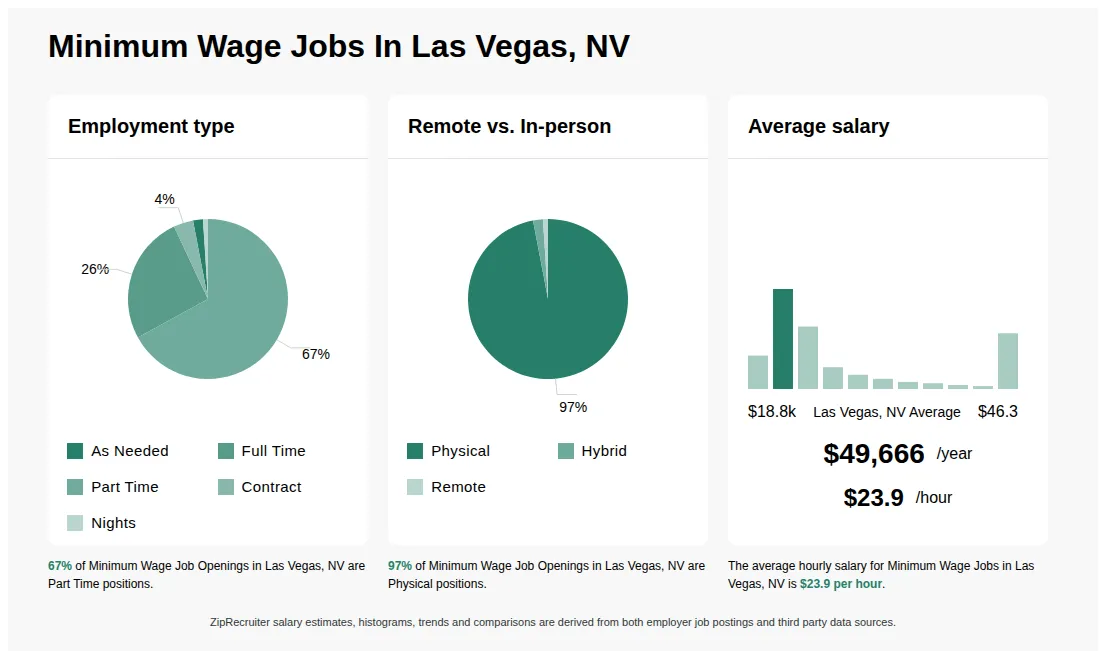
As of the most recent updates, the minimum wage in Las Vegas, Nevada is set at a specific hourly rate. This rate applies to most employees working within the state, including those in the hospitality, retail, and service industries that are pillars of the Las Vegas economy.
The Standard Hourly Rate
The current standard minimum wage in Nevada is a crucial figure for understanding the financial landscape for many residents. This rate is adjusted periodically to reflect economic conditions and legislative decisions. For instance, in recent years, Nevada has seen its minimum wage increase through statutory amendments, moving away from the previous dual-tiered system.
It’s important to note that specific industries or roles might have different wage considerations, though the state minimum wage serves as the overarching floor. This standard rate is intended to provide a basic level of income for full-time employment.
Impact on Service Industry Workers
Las Vegas is renowned for its vast hospitality and entertainment sector. Millions of visitors flock to the city annually to experience world-class resorts, casinos, and dining. Consequently, a significant portion of the local workforce is employed in roles such as hotel staff, restaurant servers, bartenders, and support personnel. The minimum wage directly affects the base pay for many of these individuals, although it’s crucial to remember that many service positions in Las Vegas also rely on tips as a substantial part of their income.
While the minimum wage sets the hourly compensation, the total earnings for tipped employees can be significantly higher. However, the minimum wage still forms the foundational income. Understanding this interplay between minimum wage and gratuities is key to grasping the economic reality for a large segment of the Las Vegas workforce. Employers in these sectors must ensure that even with tips, the effective hourly wage meets or exceeds the state-mandated minimum.
What Constitutes a Qualified Employee?
Generally, the state minimum wage applies to most employees aged 16 and older who are not otherwise exempt. Exemptions can sometimes include individuals in certain executive, administrative, or professional roles, or those employed in specific agricultural capacities, although these are less common in the Las Vegas metropolitan area compared to other regions.
The definition of an “employee” and the scope of minimum wage laws are typically detailed in state labor statutes. It is advisable for both employers and employees to consult the official guidelines from the Nevada Department of Labor for precise definitions and any applicable exceptions. This ensures compliance and protects the rights of workers in Las Vegas and throughout the state.
Factors Influencing Minimum Wage Adjustments
The minimum wage is not a static figure. It is subject to adjustments that are influenced by a variety of economic, social, and political factors. For a dynamic city like Las Vegas, these influences can be particularly pronounced.
Economic Indicators and Cost of Living
The primary drivers behind minimum wage adjustments often include key economic indicators such as inflation, unemployment rates, and average wage growth. When the cost of living rises, purchasing power diminishes, and there is often increased pressure to raise the minimum wage to ensure workers can afford basic necessities. Nevada, with its significant tourism-driven economy, can experience economic fluctuations that impact wage discussions.
The cost of living in Las Vegas, including housing, transportation, and utilities, is a significant consideration. Advocates for higher minimum wages often point to these local costs as justification for increases, arguing that the current minimum wage may not be sufficient to support a family in the metropolitan area.
Legislative Action and Advocacy
Changes to the minimum wage are typically enacted through legislative processes. State legislators in Nevada regularly debate and vote on proposals to amend wage laws. These decisions are often informed by input from various stakeholders, including labor unions, business associations, economists, and community groups.
Worker advocacy organizations play a vital role in lobbying for increased minimum wages, highlighting issues of income inequality and poverty. Conversely, some business groups may express concerns about the potential impact of higher labor costs on their operations, particularly for small businesses. The political climate and the priorities of elected officials in Carson City significantly shape the trajectory of minimum wage policy in Las Vegas.
Comparison with Federal and Neighboring State Wages
While Nevada sets its own minimum wage, it is also influenced by federal wage laws and the minimum wage rates in neighboring states. The federal minimum wage, established by the Fair Labor Standards Act (FLSA), provides a national baseline, though states can set higher rates.
Comparing Nevada’s minimum wage with that of states like California or Arizona can also inform policy discussions. Jurisdictions with significantly higher minimum wages might lead to discussions about competitiveness and potential impacts on cross-border labor markets. The goal for many policymakers is to establish a wage that is competitive yet sustainable for the local economy.
The Broader Economic Impact of Minimum Wage in Las Vegas
The minimum wage in Las Vegas, Nevada has ripple effects that extend beyond individual paychecks, influencing the broader economic and social fabric of the city. Understanding these impacts provides a more comprehensive view of its significance.
Consumer Spending and Local Economy
A higher minimum wage can lead to increased disposable income for low-wage workers, who are often more likely to spend additional earnings on immediate needs and local goods and services. This can, in turn, stimulate consumer spending and boost local businesses. In a city heavily reliant on tourism and hospitality, increased local spending can provide a valuable economic buffer.
Conversely, some economic analyses suggest that significant increases in minimum wage could lead to businesses passing on costs to consumers through higher prices or reducing employee hours to manage labor expenses. The net effect is a subject of ongoing debate among economists, with varying findings depending on the specific economic conditions and the magnitude of the wage increase.
Business Operations and Employment Levels
For businesses in Las Vegas, particularly those in labor-intensive sectors like hospitality and retail, minimum wage is a direct operational cost. Adjustments to the minimum wage can necessitate strategic decisions regarding staffing, pricing, and operational efficiency.
Some businesses may adapt by investing in technology to increase productivity, offering fewer employee benefits, or adjusting their service models. The impact on employment levels is a critical consideration; while some studies suggest minimal negative impact, others indicate potential job losses or a slower rate of job creation in response to substantial wage hikes. The unique environment of Las Vegas, with its large-scale resorts and casinos like the Bellagio or The Venetian, often means that these larger entities have more resources to absorb such changes compared to smaller, independent businesses.
Poverty Reduction and Social Equity
One of the primary goals of a minimum wage policy is to lift workers out of poverty and reduce income inequality. By ensuring a baseline wage, policymakers aim to provide a more equitable economic environment. For families struggling to make ends meet in Las Vegas, an adequate minimum wage can make a significant difference in their ability to afford housing, food, healthcare, and education.
The discussion around minimum wage is intrinsically linked to broader issues of social justice and economic opportunity. A robust minimum wage can contribute to improved health outcomes, reduced reliance on public assistance programs, and enhanced social mobility within the community.
Navigating Minimum Wage in Las Vegas for Travelers and Residents
For both visitors and residents, understanding the minimum wage in Las Vegas, Nevada offers valuable context for their experience in the city. It sheds light on the economic realities that shape the service industry and the daily lives of many Las Vegans.
For Visitors
While visitors may not directly engage with the minimum wage as employees, it plays an indirect role in their travel experience. The wages of hotel staff, restaurant servers, casino employees, and transportation providers are all influenced by these regulations. A higher minimum wage can contribute to a more stable workforce and potentially better service quality.
When dining at a restaurant on the Las Vegas Strip or staying at a resort like the Caesars Palace, it’s worth remembering the economic landscape that supports these operations. Understanding the minimum wage can foster a greater appreciation for the labor involved in creating the vibrant tourist experience.
For Residents and Job Seekers
For residents of Las Vegas and those considering employment in the area, the minimum wage is a fundamental piece of information. It sets the floor for hourly earnings and influences career choices and financial planning. Job seekers should always clarify their expected wage during the application process and ensure it aligns with state and federal requirements.
Understanding the current minimum wage also helps in assessing job offers and negotiating compensation, especially when considering the cost of living in Clark County. Resources from the Nevada Department of Employment, Training and Rehabilitation can provide further guidance on labor laws and employment resources.

Staying Informed on Future Changes
The minimum wage is a dynamic policy. For anyone with a vested interest in the Las Vegas economy—whether as an employer, employee, or engaged resident—staying informed about potential changes is crucial. Legislators periodically review and adjust minimum wage laws based on economic performance, public opinion, and evolving societal needs.
Following news from official state sources, reputable labor organizations, and reliable business publications will provide the most up-to-date information on minimum wage regulations in Nevada. This proactive approach ensures compliance and empowers individuals to understand the economic landscape of Las Vegas effectively.
LifeOutOfTheBox is a participant in the Amazon Services LLC Associates Program, an affiliate advertising program designed to provide a means for sites to earn advertising fees by advertising and linking to Amazon.com. Amazon, the Amazon logo, AmazonSupply, and the AmazonSupply logo are trademarks of Amazon.com, Inc. or its affiliates. As an Amazon Associate we earn affiliate commissions from qualifying purchases.