
Navigating the complexities of property rights and personal interactions in Texas can sometimes lead to situations requiring official intervention. Understanding who has the authority to issue a criminal trespass warning is crucial for both property owners and individuals who might find themselves subject to such a warning. This article delves into the legal framework surrounding criminal trespass warnings in Texas, clarifying the roles and responsibilities of various entities authorized to issue these directives.
Understanding Criminal Trespass in Texas
Before examining who can issue a warning, it’s essential to grasp the definition of criminal trespass in Texas. Under the Texas Penal Code, specifically Section 30.05, criminal trespass occurs when a person, without effective consent, enters or remains on property of another when that person had notice that the entry is forbidden or remains on property of another when notice to depart was given and the person fails to depart.
Types of Notice
The law specifies two primary ways a person can receive notice that their entry is forbidden:
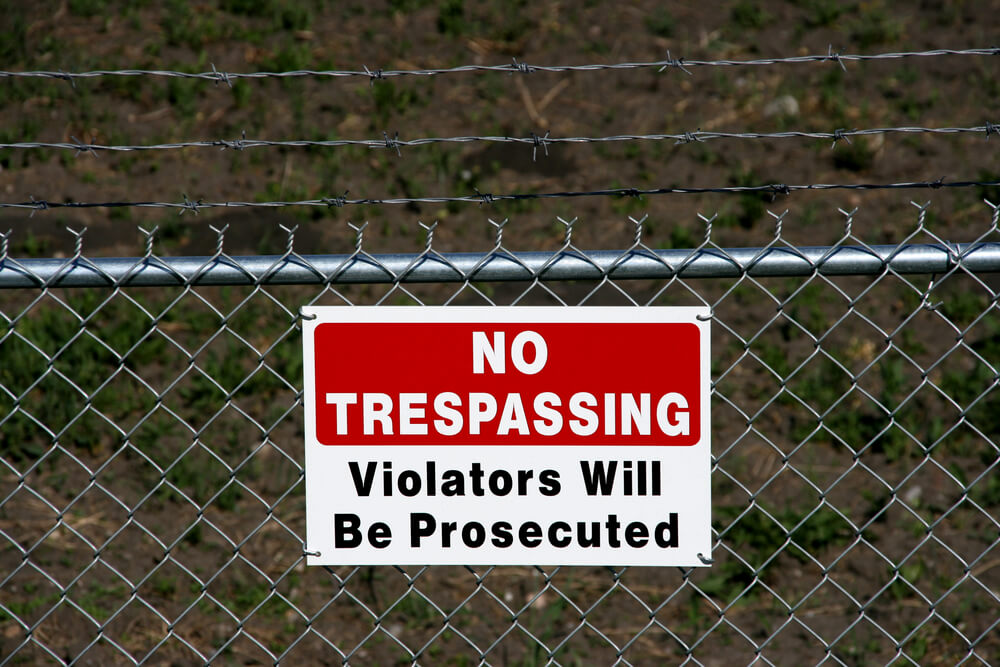
- Written Notice: This can include a sign posted on the property that is reasonably likely to come to the attention of intruders, especially at the time of entry. For example, a “No Trespassing” sign at the entrance of a private ranch or a commercial property.
- Verbal Notice: This is a direct communication from the property owner or their authorized representative informing the individual that their presence is not permitted and they must leave.
Consequences of Criminal Trespass
A conviction for criminal trespass can lead to various penalties, including fines and, in some cases, jail time. The severity of the offense often depends on factors such as the nature of the property, prior offenses, and the specific circumstances of the trespass. A criminal trespass warning, while not a criminal conviction in itself, serves as a formal notification that future unauthorized presence on the property will result in criminal charges.
Law Enforcement Officers: The Primary Issuers
In Texas, the most common and widely recognized authority to issue a criminal trespass warning rests with law enforcement officers. This includes:
- Peace Officers: This broad category encompasses individuals who have the authority to make arrests and keep the peace. It includes:
- Police Officers: Employed by municipal police departments (e.g., officers of the Dallas Police Department or the Houston Police Department).
- Sheriff’s Deputies: Working for county sheriff’s offices (e.g., deputies of the Harris County Sheriff’s Office).
- Constables: Elected officials in precincts throughout Texas who also serve as peace officers.
- Texas Rangers: A historic and elite law enforcement agency within the Texas Department of Public Safety.
- Game Wardens: Officers with the Texas Parks and Wildlife Department who enforce laws related to hunting, fishing, and wildlife.
The Process of Issuance by Law Enforcement
When a property owner or their authorized representative reports a trespass incident, law enforcement officers are often dispatched to the scene. If the officer verifies that a trespass has occurred, or if the property owner requests a warning be issued to an individual present and intending to re-enter without permission, the officer can issue a formal criminal trespass warning.
- Verification of Ownership/Control: The officer will typically confirm that the person requesting the warning has the legal right to control the property (e.g., owner, tenant, or authorized agent).
- Identification of the Trespasser: The individual to whom the warning is issued must be identified.
- Documentation: Law enforcement agencies maintain records of issued trespass warnings. This documentation is crucial for any subsequent arrests for violating the warning. A well-documented warning typically includes the name of the property, the name of the individual warned, the date and time of issuance, and the issuing officer’s information.
- Notice to Depart: The warning itself serves as formal notice to depart and a prohibition against future entry.
Property Owners and Authorized Agents
While law enforcement officers are the official enforcers who document and act upon trespass warnings, the initial authority to deny entry and request law enforcement intervention often stems from the property owner or their authorized agent.
Property Owners
An individual or entity that owns real estate in Texas has the inherent right to control access to their property. They can verbally inform someone that they are not welcome and must leave. If that person refuses to leave or the owner has reason to believe they will return without permission, they can then contact law enforcement to have a formal criminal trespass warning issued.
Authorized Agents

In many situations, property owners delegate the authority to manage their property and grant or deny access to others. This delegation can be explicit or implied. Examples include:
- Property Managers: For residential or commercial properties, a property manager acts on behalf of the owner.
- Store Managers or Security Personnel: In a retail environment, the manager or designated security staff can inform a patron to leave if they are causing a disturbance or are known to have been banned. They can then request police to issue a formal warning.
- Landlords: For rental properties, a landlord can issue notice to a tenant or a guest of a tenant to leave.
- HOA Representatives: In certain homeowner association communities, authorized representatives may have the power to issue warnings for violations of community rules, including unauthorized access to common areas.
It is important to note that while a property owner or agent can verbally inform someone to leave, they generally cannot physically remove an individual themselves. This is where the involvement of law enforcement becomes critical for issuing the official criminal trespass warning that carries legal weight for future violations.
Specific Scenarios and Entities
The context of the property and the nature of the interaction can influence which entity is most likely to be involved in issuing a trespass warning.
Business and Retail Establishments
Businesses, from small shops to large corporations like those in a shopping mall, rely on their management and security to maintain a safe environment for customers and employees. If an individual is asked to leave a business, for instance, if they are disruptive or have a history of shoplifting, the business owner or manager can ask them to depart. If the individual refuses or the business owner anticipates a return, they will contact the local police department or sheriff’s office to request a criminal trespass warning be issued. This is common for individuals banned from stores, such as the Galleria Dallas.
Residential Properties
For homeowners and apartment dwellers, issues with unwanted visitors or individuals loitering can arise. If a homeowner or tenant experiences an issue with someone repeatedly coming onto their private property after being asked to leave, they should contact their local law enforcement agency. The homeowner or tenant can request that a formal trespass warning be issued to the individual. This is particularly relevant for areas like suburban neighborhoods or apartment complexes such as those found in downtown Austin.
Public vs. Private Property Considerations
It’s crucial to distinguish between public and private property. While law enforcement can issue warnings on private property at the request of the owner, their authority on public property (like public parks or sidewalks) is governed by different rules, often related to park regulations or general disturbance laws. However, if a person is banned from a specific public venue, like a municipal building or a specific section of a park for a defined period, and they violate that ban, law enforcement can still be involved.
The Legal Standing and Enforcement of Warnings
A criminal trespass warning issued by a law enforcement officer in Texas is a formal legal document. It signifies that the individual has been officially put on notice that their presence on specific property is forbidden.
What Happens After a Warning is Issued?
Once a criminal trespass warning is issued, the individual is legally prohibited from entering or remaining on the specified property. The duration of the warning can vary. Some warnings may be for a specific period (e.g., 30 days, 90 days, or even a year), while others may be indefinite until revoked by the property owner or by a court.
If the individual is subsequently found on the property for which they received a warning, they can be arrested and charged with criminal trespass. This is because their continued presence would be without the effective consent of the owner, and they have already received formal notice. The original warning serves as evidence of this notice.
Revocation of Warnings
A property owner or their authorized agent has the right to revoke a criminal trespass warning. If the property owner decides they no longer wish to ban the individual, they can contact the issuing law enforcement agency to have the warning rescinded. This is an important step to ensure that outdated warnings do not lead to unnecessary legal complications. Similarly, if the property changes ownership, the new owner may need to reissue or revoke warnings as appropriate.
Conclusion
In Texas, the authority to issue a criminal trespass warning primarily rests with law enforcement officers, acting upon the request of the property owner or their authorized agent. While property owners and their agents have the fundamental right to deny entry and request intervention, it is the peace officer who formally issues the warning that carries legal consequences for future violations. Understanding this chain of authority ensures that property rights are respected and that individuals are aware of the legal implications of disregarding such official directives. This clarity is essential for maintaining order and safety across diverse settings, from private residences to commercial establishments throughout the Lone Star State.
LifeOutOfTheBox is a participant in the Amazon Services LLC Associates Program, an affiliate advertising program designed to provide a means for sites to earn advertising fees by advertising and linking to Amazon.com. Amazon, the Amazon logo, AmazonSupply, and the AmazonSupply logo are trademarks of Amazon.com, Inc. or its affiliates. As an Amazon Associate we earn affiliate commissions from qualifying purchases.