
Embarking on a journey from the sun-drenched shores of Los Angeles to the architectural marvels of Chicago is a common itinerary for both business and leisure travelers. While the distance of roughly 1,745 miles (2,808 kilometers) as the crow flies suggests a substantial voyage, modern air travel significantly reduces the time spent in transit. Understanding the nuances of flight durations, including direct and connecting options, airport procedures, and time zone adjustments, is crucial for planning an efficient and comfortable trip. This comprehensive guide details what you can expect when flying between these two major United States cities.
Understanding the Direct Flight Duration
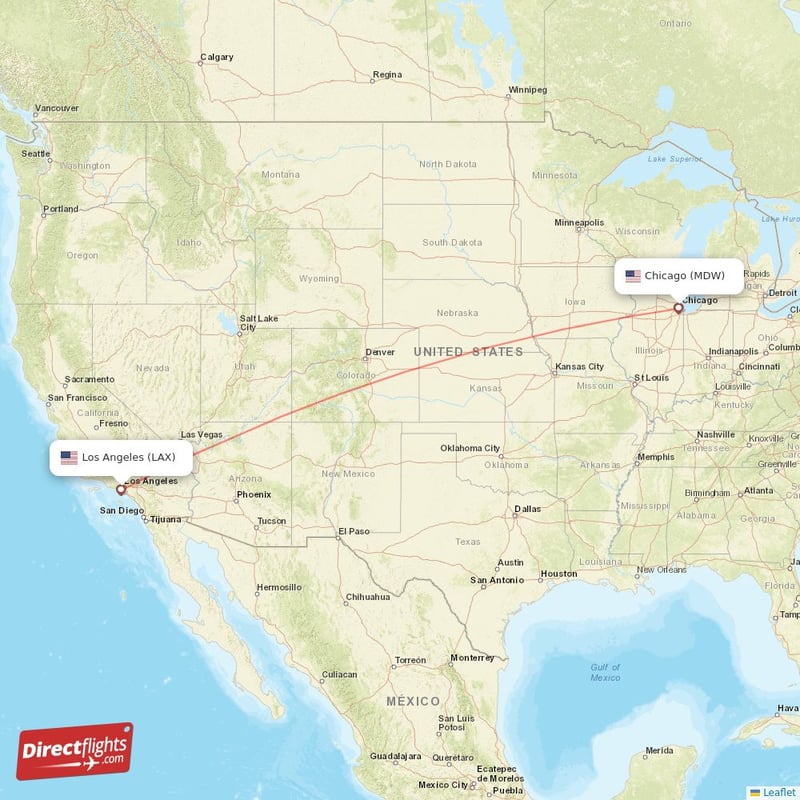
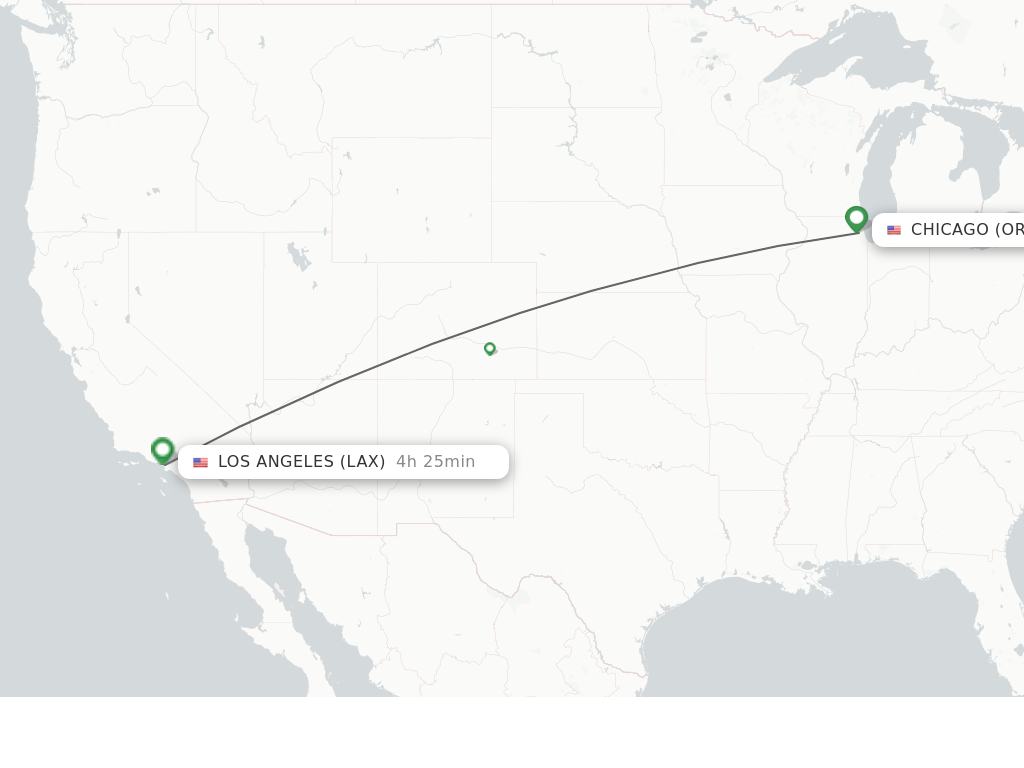
For travelers prioritizing speed and convenience, a direct flight is the most efficient way to travel from Los Angeles to Chicago. The non-stop journey typically spans an average of 3 hours and 45 minutes to 4 hours and 30 minutes in the air. This timeframe can fluctuate based on several critical factors that influence the overall flight experience.
One significant factor is the prevailing weather conditions, particularly the jet stream. Flights heading east, from Los Angeles to Chicago, often benefit from tailwinds provided by the jet stream, which can significantly shave off travel time. Conversely, strong headwind conditions, though less common on this specific eastward route, could extend the flight duration. The type of aircraft also plays a role; different models have varying cruising speeds and operational efficiencies. Larger, more modern jets might maintain higher speeds or offer a smoother ride, contributing to the perceived efficiency of the flight.
Beyond the actual time spent airborne, the total door-to-door travel time includes crucial pre-flight and post-flight processes. This encompasses check-in, security screening, taxiing to the runway, and potential air traffic control delays upon departure from Los Angeles International Airport (LAX) or upon arrival at O’Hare International Airport (ORD) or Midway International Airport (MDW). While these elements are not part of the ‘flight time,’ they are integral to the total travel experience and should be factored into your schedule. Airlines also build buffer time into their schedules to account for minor delays, meaning the scheduled flight duration might be slightly longer than the actual airborne time on a perfectly smooth journey. When booking, always check the specific airline’s scheduled duration, as slight variations exist between carriers and even specific flight numbers based on their operational models.
Navigating Connecting Flights and Layover Impact
While direct flights offer unparalleled convenience, connecting flights present a viable and often more economical alternative for travel between Los Angeles and Chicago. Travelers might opt for connecting itineraries due to cost savings, specific airline loyalty programs, more flexible departure times, or even to break up a longer journey. However, choosing a connecting flight inherently increases the total travel time, often substantially.
The total travel time for a connecting flight encompasses the duration of each flight segment plus the time spent during layovers. A typical connecting itinerary can range from 6 to over 10 hours, depending on the number of connections and, most significantly, the length of the layover. Short layovers, usually around 1 to 2 hours, minimize the overall travel time but can introduce stress if the first flight is delayed, potentially leading to missed connections. Longer layovers, extending to 3 or more hours, provide a more relaxed buffer between flights and can even allow time for a meal or a brief exploration of the connecting airport.
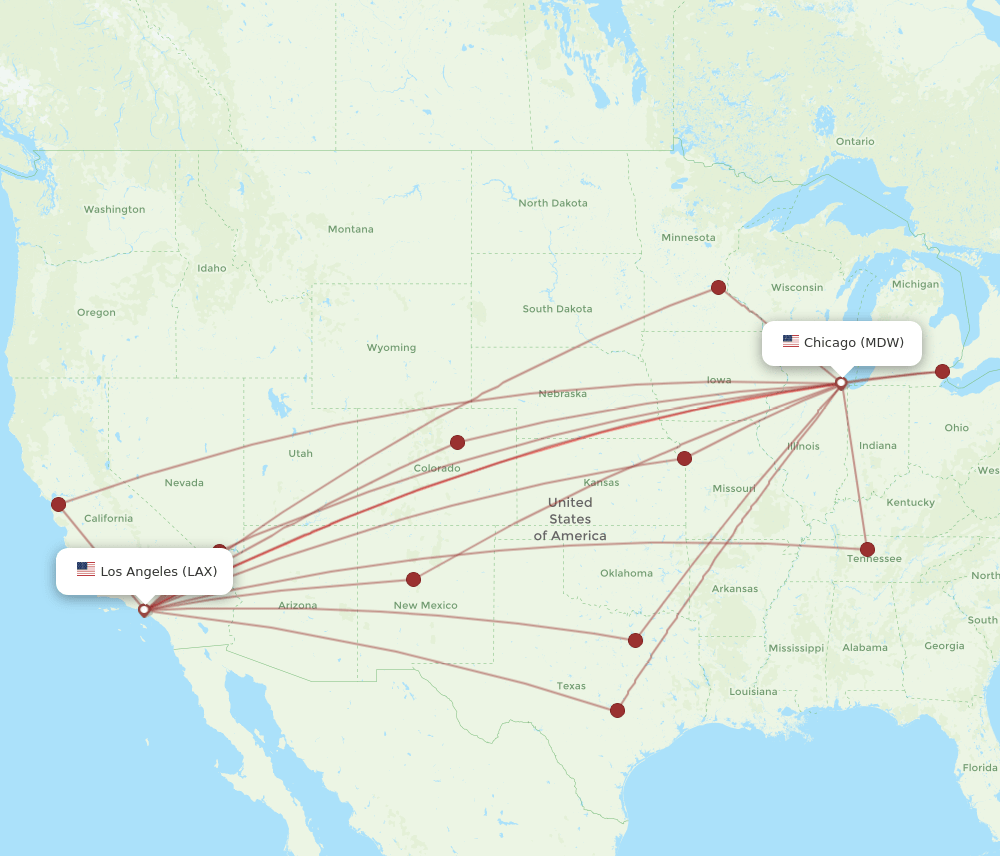
Common airports for connecting flights between these two cities include major hubs across the United States such as Denver International Airport in Denver, Dallas/Fort Worth International Airport in Dallas, Phoenix Sky Harbor International Airport in Phoenix, or Harry Reid International Airport in Las Vegas. Each of these airports offers a unique experience, from bustling concourses to diverse dining and shopping options, which can be a pleasant diversion during a longer wait. When selecting a connecting flight, it’s advisable to consider the layover location and the reputation of the connecting airport for efficiency and passenger services. While connecting flights require more patience and planning, they can often lead to significant savings, making them an attractive option for budget-conscious travelers or those with flexible schedules.
Major Airports and Flight Experience
The journey between Los Angeles and Chicago involves navigating some of the busiest air traffic hubs in the United States. Understanding the operational aspects of both departure and arrival airports is key to a smooth travel experience.
Departing from Los Angeles (LAX)
Los Angeles International Airport (LAX) serves as a colossal gateway, not just to Southern California but also to international destinations. As one of the world’s busiest airports, LAX is a sprawling complex with nine passenger terminals arranged in a horseshoe shape, connected by shuttle buses and walkways. For domestic flights to Chicago, travelers will typically depart from Terminals 1, 2, 3, 5, 6, 7, or 8, depending on the airline.
Navigating LAX requires planning. It is highly recommended to arrive at least two hours before a domestic flight to allow ample time for check-in, baggage drop, and security screening, which can be extensive during peak travel times. Traffic congestion around the airport is legendary, so factoring in extra time for transportation to LAX is also critical, whether you’re using ride-sharing services, taxis, or public transport. Once past security, LAX offers a wide array of dining, shopping, and lounge facilities across its terminals, providing amenities for a comfortable wait before boarding your flight to Chicago.
Arriving in Chicago (ORD and MDW)
Chicago is served by two major international airports: O’Hare International Airport (ORD) and Midway International Airport (MDW). The choice of arrival airport can significantly impact your post-flight experience, especially regarding ground transportation and proximity to your final destination in the city.
ORD is one of the busiest airports globally, serving as a major hub for numerous airlines. It is located approximately 17 miles northwest of downtown Chicago. From ORD, travelers can easily access the city center via the CTA Blue Line, which offers 24-hour service and takes about 45-60 minutes. Taxis and ride-sharing services are also readily available, though travel times can be considerably longer during rush hour. ORD boasts extensive facilities, including diverse dining options, shops, and lounges, reflecting its status as a major international gateway.
MDW, while smaller than ORD, is often preferred by travelers seeking closer proximity to downtown Chicago. Located just 11 miles southwest of the Loop, MDW provides quicker access to the city center via the CTA Orange Line, with a travel time of approximately 20-25 minutes. MDW is also a significant base for budget airlines, making it a popular choice for cost-conscious travelers. Upon arrival at either airport, be mindful of the time zone change: Los Angeles operates on Pacific Time (PT), while Chicago is on Central Time (CT), meaning you’ll effectively lose two hours when flying east. Adjusting your watch and schedule accordingly upon landing is a small but important detail.
Optimizing Your Flight Experience
Maximizing comfort and efficiency during your flight from Los Angeles to Chicago involves strategic planning both before and during your journey. A well-thought-out approach can transform a potentially strenuous travel day into a more enjoyable and productive experience.
Booking Strategies for Efficiency
The process begins with smart booking. To secure the most favorable prices and ensure availability on direct flights, it is generally advisable to book your tickets several weeks, or even months, in advance. Utilize flight comparison websites to scout for the best deals across various airlines, but also consider booking directly with your preferred carrier, especially if you have loyalty points or specific seat preferences. When evaluating options, look beyond just the price; consider the airline’s reputation for punctuality, customer service, and in-flight amenities. Some airlines might offer a slightly higher fare but include perks like extra legroom, in-flight entertainment, or complimentary snacks and beverages, which can significantly enhance your comfort on a nearly four-hour flight. Paying attention to baggage allowances is also crucial, as unexpected fees can quickly erode any initial savings.
In-Flight Comfort and Productivity
Once on board, several tactics can contribute to a more pleasant journey. Seat selection can make a big difference: an aisle seat offers easier access to the lavatory and allows you to stretch your legs more frequently, while a window seat provides views and a surface to lean against for rest. If possible, consider booking an exit row or a premium economy seat for additional legroom. Staying hydrated throughout the flight is paramount; drink plenty of water and limit caffeine and alcohol intake. Gentle stretches in your seat or a short walk up and down the aisle (when safe and permitted) can help prevent stiffness. To combat potential boredom or cabin noise, bring noise-cancelling headphones, a good book, or download movies, TV shows, and podcasts to your personal devices beforehand. Many airlines offer in-flight Wi-Fi and entertainment systems, but having your own options provides a reliable backup. A travel pillow, eye mask, and light blanket can also greatly enhance your ability to rest or sleep.
Managing Time Zone Changes
The two-hour time difference between Los Angeles (Pacific Time) and Chicago (Central Time) means you arrive later than you depart locally. To minimize the impact of this mild jet lag, try to adjust your sleep schedule slightly in the days leading up to your trip, perhaps by going to bed and waking up earlier. Upon arrival in Chicago, expose yourself to natural light as much as possible, especially in the morning, to help reset your body clock. Avoid heavy meals and excessive caffeine or alcohol, particularly close to your new bedtime. By immediately adopting the local time for meals and sleep, you can acclimate more quickly and make the most of your time in the Windy City.
LifeOutOfTheBox is a participant in the Amazon Services LLC Associates Program, an affiliate advertising program designed to provide a means for sites to earn advertising fees by advertising and linking to Amazon.com. Amazon, the Amazon logo, AmazonSupply, and the AmazonSupply logo are trademarks of Amazon.com, Inc. or its affiliates. As an Amazon Associate we earn affiliate commissions from qualifying purchases.