
For many travelers landing at Miami International Airport or driving across the state line into Florida, the first thing they notice isn’t the palm trees or the neon lights—it is the air. It feels heavy, tactile, and warm, wrapping around you like a damp blanket. This is the legendary humidity of the Sunshine State. While it is a defining characteristic of the local environment, understanding the “why” behind this moisture is essential for any visitor looking to navigate the local culture, plan activities, and enjoy the unique tourism offerings of the United States southernmost peninsula.

The Geographic “Perfect Storm”: Why Florida Sweats
To understand the humidity from a tourism perspective, one must first look at a map. Florida is a peninsula, a narrow strip of land surrounded on three sides by massive bodies of water. To the west lies the Gulf of Mexico, known for its warm, shallow waters. To the east is the Atlantic Ocean, and to the south is the Florida Straits. This proximity to water is the primary engine behind the state’s moisture levels.
The Role of Warm Water Currents
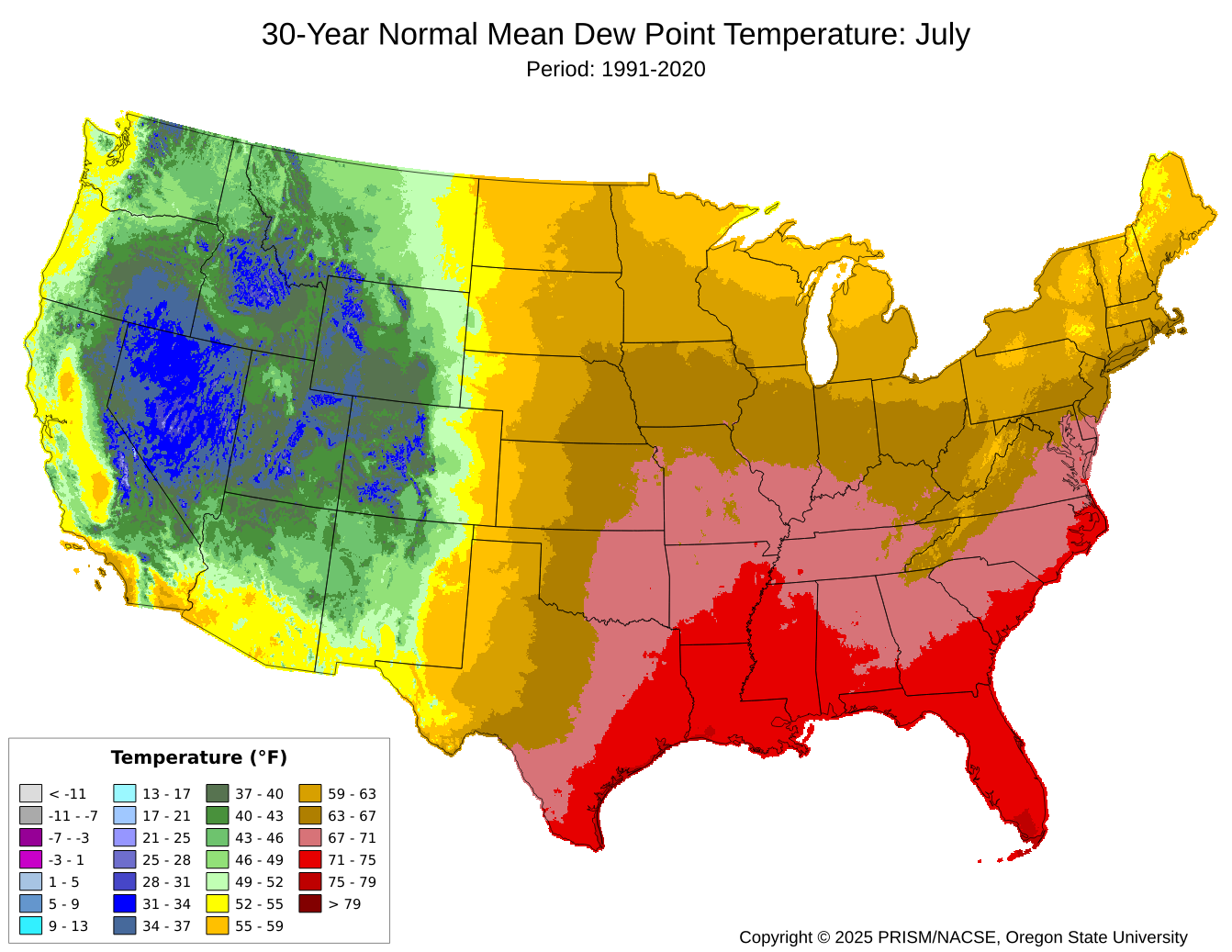
The Gulf Stream, a powerful and warm ocean current, flows remarkably close to the Florida coast. Warm water evaporates much faster than cold water. As the sun beats down on the Caribbean Sea and the waters surrounding Key West, massive amounts of water vapor are released into the atmosphere. Because the state is so narrow, this moist air doesn’t have far to travel before it blankets cities like Fort Lauderdale or West Palm Beach.
The Everglades and Inland Wetlands
It isn’t just the oceans contributing to the dampness. The interior of the state is home to the Everglades, a massive tropical wetland often referred to as the “River of Grass.” Between the Everglades National Park and the thousands of lakes in regions like Orlando and Lakeland, there is a constant source of inland evaporation. When you combine the coastal sea breezes with the moisture rising from the swamps and lakes, the result is a saturation point that rarely drops during the summer months.
The Cultural Impact: How Humidity Shapes the Florida Experience
Humidity isn’t just a weather statistic; it is a cultural force that dictates the rhythm of life for locals and tourists alike. From the architecture of St. Augustine to the culinary choices in Tampa, the moisture in the air influences how people move, eat, and socialize.
Architecture and “Florida Cracker” Style
Before the advent of modern air conditioning, the early settlers of Florida had to design homes that could breathe. This led to the “Florida Cracker” style of architecture, characterized by large wrap-around porches, raised floors to allow airflow underneath, and high ceilings with large windows to encourage cross-ventilation. Today, tourists visiting historic sites like the Ernest Hemingway Home and Museum in Key West can still see these design elements in action, showcasing a time when living with the humidity was an art form.
The Afternoon Thunderstorm Ritual
One of the most predictable cultural experiences in Florida is the afternoon thunderstorm. These storms are a direct result of the high humidity. As the land heats up during the day, the moist air rises, forming massive cumulonimbus clouds. By 3:00 PM or 4:00 PM, the sky often turns a dramatic grey, and a torrential downpour ensues. For tourists at Walt Disney World or Universal Studios Orlando, this is the cue to head indoors for a show or a meal. These storms provide a temporary reprieve, cooling the temperature slightly, though they often leave the air feeling even steamier afterward.
Culinary Adaptations: Light and Bright
The local food scene in Florida also reflects the climate. You will find that heavy, starch-laden meals are less common than light, citrus-infused dishes. The humidity makes heavy dining uncomfortable, leading to a culture of fresh seafood, tropical fruits, and “Floribbean” cuisine. Whether it’s a grouper sandwich on Clearwater Beach or ceviche in Miami, the flavors are designed to be refreshing and hydrating.
Navigating Tourism: Activities That Embrace the Moisture
While the humidity might seem like a deterrent, many of the best tourism activities in Florida are built around the water and the environment that the humidity sustains.
Natural Springs and Water Adventures
To escape the midday heat, many locals and informed tourists head to the state’s natural springs. Places like Silver Springs State Park or Blue Spring State Park offer water that remains a constant 72 degrees Fahrenheit year-round. These crystal-clear oases are the perfect antidote to a humid afternoon, offering kayaking, snorkeling, and the chance to see manatees. The humidity keeps the lush vegetation surrounding these springs vibrant and green, creating a prehistoric, jungle-like atmosphere that is a highlight of Florida nature tourism.
Indoor Attractions and “AC Crawling”
Florida has mastered the art of the indoor attraction. When the humidity becomes overwhelming, the tourism infrastructure provides world-class escapes. The Dali Museum in St. Petersburg or the Kennedy Space Center near Cape Canaveral offer climate-controlled environments where visitors can spend hours learning and exploring without breaking a sweat. Shopping is also a major draw, with massive malls like Aventura Mall providing a cool sanctuary for those looking to escape the outdoor vapor.
Nighttime Tourism
As the sun sets, the “apparent temperature” drops, and Florida comes alive in a different way. The evening humidity often holds the scent of blooming jasmine and saltwater, making nighttime walks along Ocean Drive in South Beach an evocative experience. Outdoor dining becomes much more pleasant, and many cities offer evening boat tours or ghost walks, such as those found in St. Augustine, to take advantage of the cooler (though still balmy) night air.
Seasonal Realities: When to Visit for Maximum Comfort
For those who find high humidity challenging, timing is everything. Florida essentially has two seasons: the wet season and the dry season.
The Dry Season (November to April)
This is the peak tourism season for a reason. During these months, the humidity drops significantly as cold fronts from the North America mainland push the tropical air south. Destinations like Sarasota, Naples, and the Florida Keys experience bright blue skies and crisp air. This is the ideal time for golfing, hiking the Florida Trail, or visiting outdoor attractions like Busch Gardens Tampa Bay.
The Wet Season (May to October)
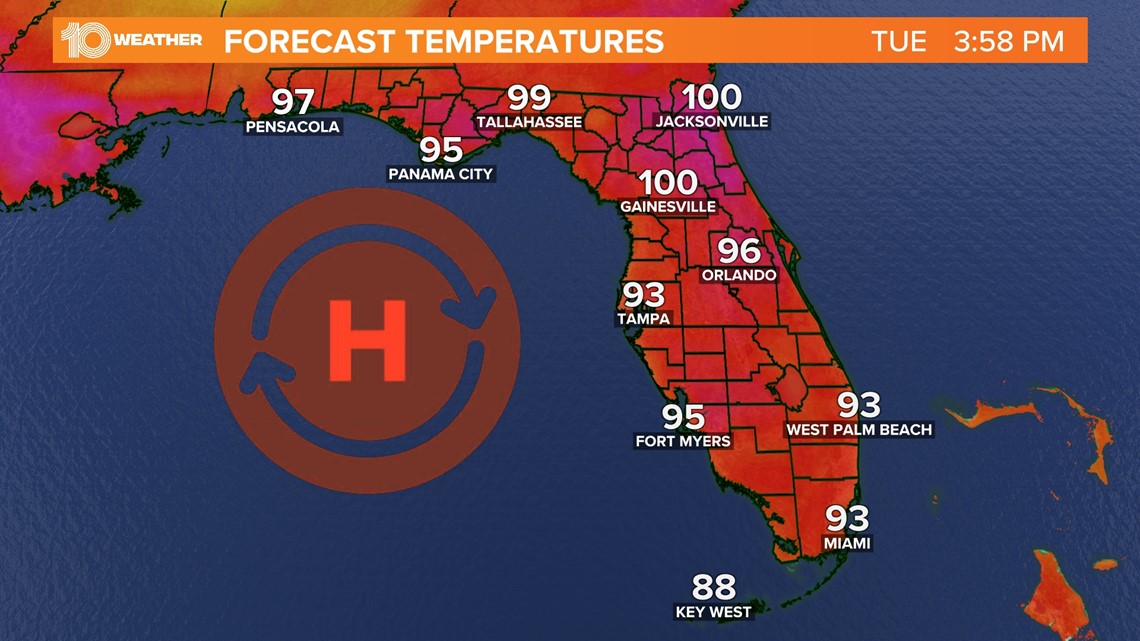
This is when the humidity is at its peak. While it can be intense, it is also a time for budget-conscious travelers to find deals. Many resorts in Destin or Panama City Beach offer lower rates, and the crowds at major theme parks are often thinner (except for school holiday periods). If you choose to visit during this time, the key is to plan your day around the “heat index”—the measurement of how hot it actually feels when humidity is factored in.
Expert Tips for Managing the Florida Humidity
To ensure your trip is memorable for the right reasons, following local tips for moisture management is vital.
- Hydration is Key: In high humidity, your sweat does not evaporate as quickly, which means your body has a harder time cooling itself down. Drinking plenty of water is essential, especially when walking around Disney Springs or Epcot.
- Fabric Choice: Forget heavy denim or synthetic blends. Locals swear by linen, lightweight cotton, and moisture-wicking athletic gear. These fabrics allow your skin to breathe and dry faster after one of those inevitable afternoon showers.
- The “Early Bird” Strategy: Most experienced Florida tourists start their day at sunrise. By mid-morning, you can have completed a visit to the Sunken Gardens or a walk through Lincoln Road before the humidity reaches its peak at midday.
- Anti-Frizz and Skin Care: For many, the humidity’s most visible effect is on hair and skin. Bringing along specialized hair products and a good, non-greasy sunscreen is a must. The moisture can also make the sun’s rays feel more intense, so protection is paramount.
While the question “Why is Florida so humid?” has a scientific answer rooted in geography and ocean currents, the impact of that humidity is what defines the Florida tourism experience. It creates the lush landscapes, the unique architectural styles, and the laid-back pace of life that draws millions of visitors to the state every year. By understanding and embracing the moisture, travelers can move beyond the “sweat” and discover the vibrant, tropical soul of the Sunshine State. From the mangroves of Biscayne National Park to the bustling streets of Jacksonville, the humidity is simply a reminder that you are in a place where the water and the land are inextricably linked.
LifeOutOfTheBox is a participant in the Amazon Services LLC Associates Program, an affiliate advertising program designed to provide a means for sites to earn advertising fees by advertising and linking to Amazon.com. Amazon, the Amazon logo, AmazonSupply, and the AmazonSupply logo are trademarks of Amazon.com, Inc. or its affiliates. As an Amazon Associate we earn affiliate commissions from qualifying purchases.