
The upcoming 2024 election cycle in Texas promises to be a pivotal moment for the state’s political landscape, with significant attention focused on the contests for the Texas Senate. These elections will determine the balance of power in the upper chamber of the Texas Legislature, impacting legislation on issues ranging from education and healthcare to economic development and environmental policy. As candidates begin to emerge and campaigns gain momentum, understanding who is vying for these crucial seats is essential for informed civic engagement. This overview delves into the key races and prominent contenders, offering insights into the platforms and potential impacts of their candidacies.
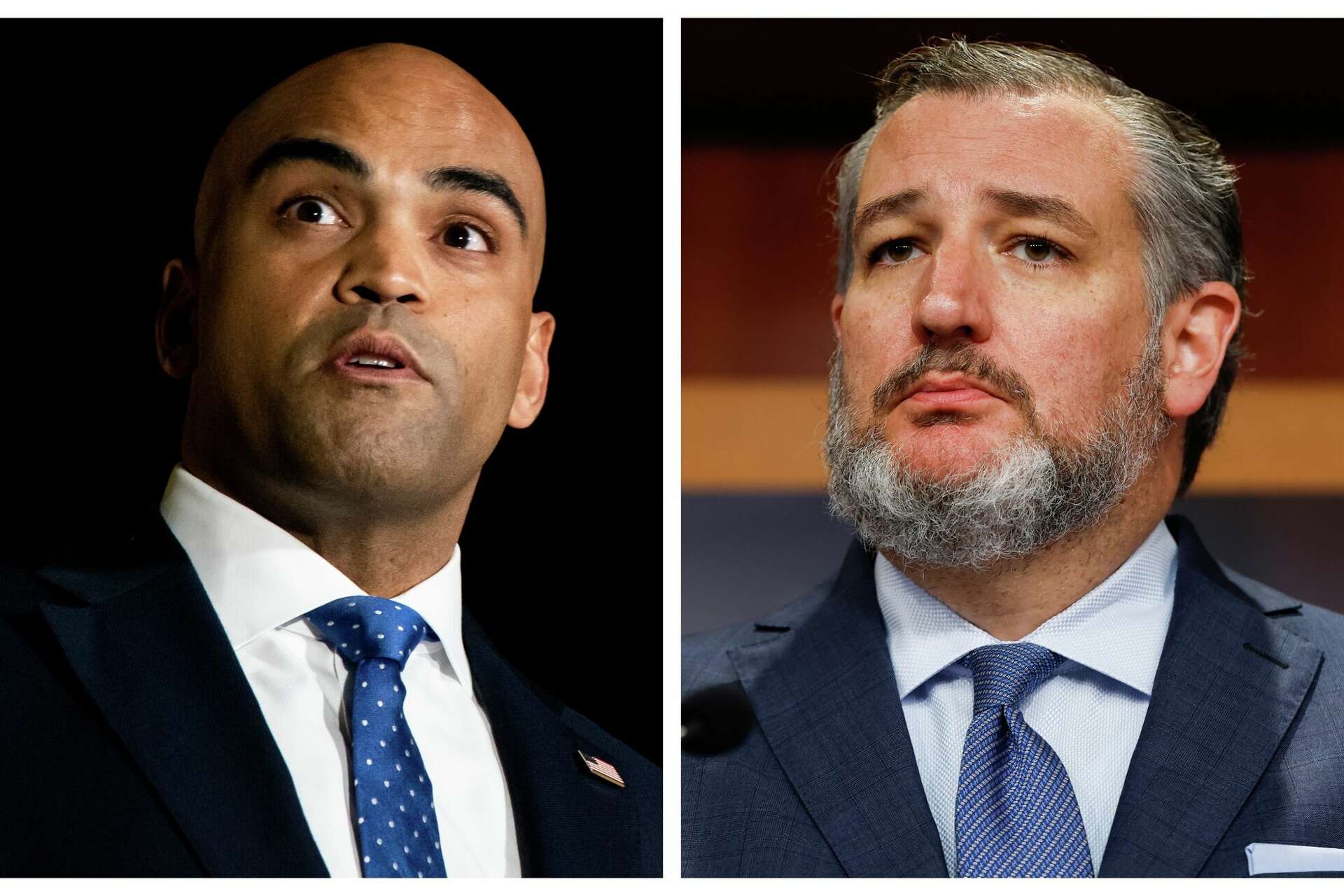
Key Senate Districts to Watch
Several Texas Senate districts are poised to be battlegrounds in 2024, featuring competitive races that could shift the political makeup of the chamber. These districts often reflect broader demographic and ideological trends within the state, making their outcomes particularly telling.
Senate District 14: A Competitive Open Seat
Senate District 14, encompassing Travis County and parts of Austin, has become a focal point of interest. The retirement of a long-serving incumbent has opened the door for new candidates to represent this increasingly diverse and dynamic region. The primary elections are expected to be fiercely contested, with Democrats vying to maintain and strengthen their hold on a seat that has historically leaned Democratic.
Candidates in this district are likely to campaign on issues such as affordable housing, public transportation, education funding, and environmental sustainability – all critical concerns for the growing urban population of Travis County. The eventual nominee will face a Republican challenger, but the primary focus for both parties will be on securing victory within their own ranks. Early indicators suggest a crowded field, necessitating a closer look at the individual platforms and grassroots support each candidate can garner. The outcome of this race could have ripple effects across other urban districts, influencing legislative priorities and strategies for the entire state.
Senate District 30: Incumbent Faces Strong Challenge
In Senate District 30, which covers a significant portion of North Texas, including areas around Denton and McKinney, an incumbent Republican senator is expected to face a well-funded and organized challenge from the Democratic party. This district has seen shifting demographics and a growing urban-suburban influence, making it a potential target for party gains.
The incumbent will likely emphasize their record on issues such as property taxes, border security, and business regulation, appealing to their established conservative base. Their challenger, on the other hand, is expected to focus on expanding access to healthcare, strengthening public schools, and addressing climate change. The race will be a test of whether the traditional conservative leanings of the district can withstand the evolving political sentiments of its growing population. Campaign finance reports and polling data will be critical indicators of the strength of the challenge and the incumbent’s vulnerability. This district’s election will be closely watched as an indicator of the broader political mood in North Texas.
Senate District 24: A Swing District Under Scrutiny
Senate District 24, a geographically diverse district spanning parts of Central Texas, including areas near Waco and College Station, is often considered a swing district. The seat has seen close elections in the past, and 2024 is anticipated to be no different. Both parties see this district as a potential winnable seat, leading to intense campaigning and significant resource allocation.
The incumbent, depending on their party affiliation, will likely highlight their efforts to bring jobs to the region and support local industries. Their opponent will probably focus on issues that resonate with a broader spectrum of voters, such as improving infrastructure, lowering healthcare costs, and ensuring educational opportunities. The outcome in this district could be crucial in determining overall control of the Texas Senate, making it a high-stakes contest for both political parties. Voter turnout and the ability of candidates to appeal to independent voters will be paramount in deciding the victor.
Emerging Candidates and Their Platforms
Beyond specific districts, the broader field of candidates running for the Texas Senate in 2024 represents a spectrum of political ideologies and priorities. While many will focus on the core issues relevant to their constituents, several overarching themes are likely to dominate campaign platforms.
Economic Development and Job Growth
A consistent theme across many Texas Senate races will be the focus on economic development and job growth. Candidates will likely propose strategies to attract new businesses, support small enterprises, and foster innovation. This could include advocating for tax incentives, investments in workforce training programs, and deregulation to spur business activity. The specific approaches may vary significantly between candidates, reflecting different economic philosophies, but the overarching goal of a prosperous Texas economy will be a central tenet.
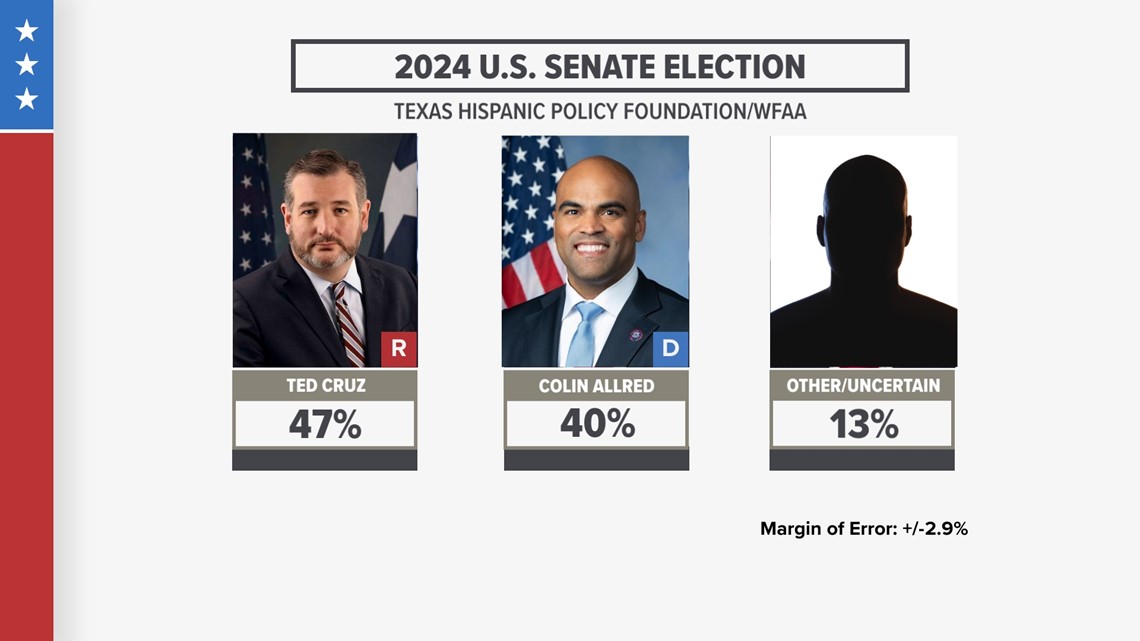
Republicans are likely to emphasize lower taxes and reduced government spending as drivers of economic growth, touting Texas’s business-friendly environment. Democrats, while also supporting job creation, might highlight investments in infrastructure, renewable energy, and sectors that promote equitable growth and a stronger middle class. The debate over the best path to economic prosperity will undoubtedly be a defining feature of many campaigns.
Education Reform and Funding
The future of public education in Texas is another critical issue that will animate many Texas Senate races. Candidates will present their visions for improving school funding, enhancing curriculum, and supporting educators. Debates are likely to center on school choice, the role of standardized testing, teacher pay, and the allocation of resources to both urban and rural districts.
Incumbents will often point to their past efforts in education policy, while challengers will seek to highlight perceived shortcomings and propose new solutions. The emphasis on education is particularly strong in districts with growing families and a desire to ensure future generations are well-prepared for a competitive global economy. Discussions may also touch upon higher education and vocational training, reflecting the diverse needs of Texas’s workforce.
Healthcare Access and Affordability
Access to affordable and quality healthcare remains a paramount concern for Texans. Candidates for the Texas Senate will articulate their plans to address healthcare costs, expand insurance coverage, and improve public health initiatives. This could involve advocating for Medicaid expansion, supporting community health centers, or proposing regulations on insurance providers and pharmaceutical companies.
The rural-urban divide in healthcare access is a significant factor, with candidates in rural districts often focusing on attracting and retaining healthcare professionals and facilities. Urban candidates may emphasize addressing health disparities and increasing access to specialized care. The debate over the role of government in healthcare will likely be a defining characteristic of these discussions, with differing views on market-based solutions versus government intervention.
Environmental Policy and Sustainability
As the impacts of climate change become more apparent, environmental policy is emerging as a more prominent issue in Texas Senate races. Candidates will present their approaches to conservation, renewable energy development, and the regulation of industries that impact the environment. This can range from advocating for investments in solar and wind power to addressing water resource management and protecting natural landscapes like Big Bend National Park.
Candidates in energy-producing regions of Texas may face unique challenges balancing economic interests with environmental concerns. Others, particularly in rapidly growing urban areas, may prioritize aggressive climate action and sustainable development. The conversation around the environment is evolving, and candidates who can articulate a clear and compelling vision for a sustainable Texas are likely to resonate with a growing segment of the electorate.
The Broader Implications for Texas Governance
The outcomes of the Texas Senate races in 2024 will have profound and far-reaching implications for the state’s governance. The composition of the Senate directly influences the legislative agenda, the passage of laws, and the allocation of state resources.
Shifting Political Balance
A significant shift in the partisan balance of the Texas Senate could lead to substantial changes in policy direction. If Democrats gain seats, they may push for more progressive legislation on issues like voting rights, criminal justice reform, and social services. Conversely, if Republicans solidify or expand their majority, they will likely continue to prioritize policies focused on tax cuts, deregulation, and conservative social issues. Even marginal shifts can influence committee assignments, leadership positions, and the overall tenor of legislative debate, making every seat contested a potentially decisive one.
Impact on Key State Agencies and Institutions
The elected senators will also play a crucial role in overseeing state agencies and institutions. Through legislative hearings, budget appropriations, and the confirmation of appointments, senators can influence the direction and effectiveness of organizations such as the Texas Education Agency, the Texas Commission on Environmental Quality, and the Texas Department of Transportation. This oversight power allows elected officials to shape the implementation of state laws and ensure accountability across various sectors of government.

The Role of Voter Engagement
Ultimately, the direction the Texas Senate takes in 2024 will be determined by the choices made by voters across the state. Understanding the candidates, their platforms, and the issues at stake is the first step toward meaningful participation. As campaigns ramp up, staying informed through reliable news sources, attending local forums, and engaging in constructive dialogue will be critical for all Texans invested in the future of their state. The 2024 election cycle is not just about electing individuals; it is about shaping the policy priorities and the very identity of Texas for years to come.
LifeOutOfTheBox is a participant in the Amazon Services LLC Associates Program, an affiliate advertising program designed to provide a means for sites to earn advertising fees by advertising and linking to Amazon.com. Amazon, the Amazon logo, AmazonSupply, and the AmazonSupply logo are trademarks of Amazon.com, Inc. or its affiliates. As an Amazon Associate we earn affiliate commissions from qualifying purchases.