
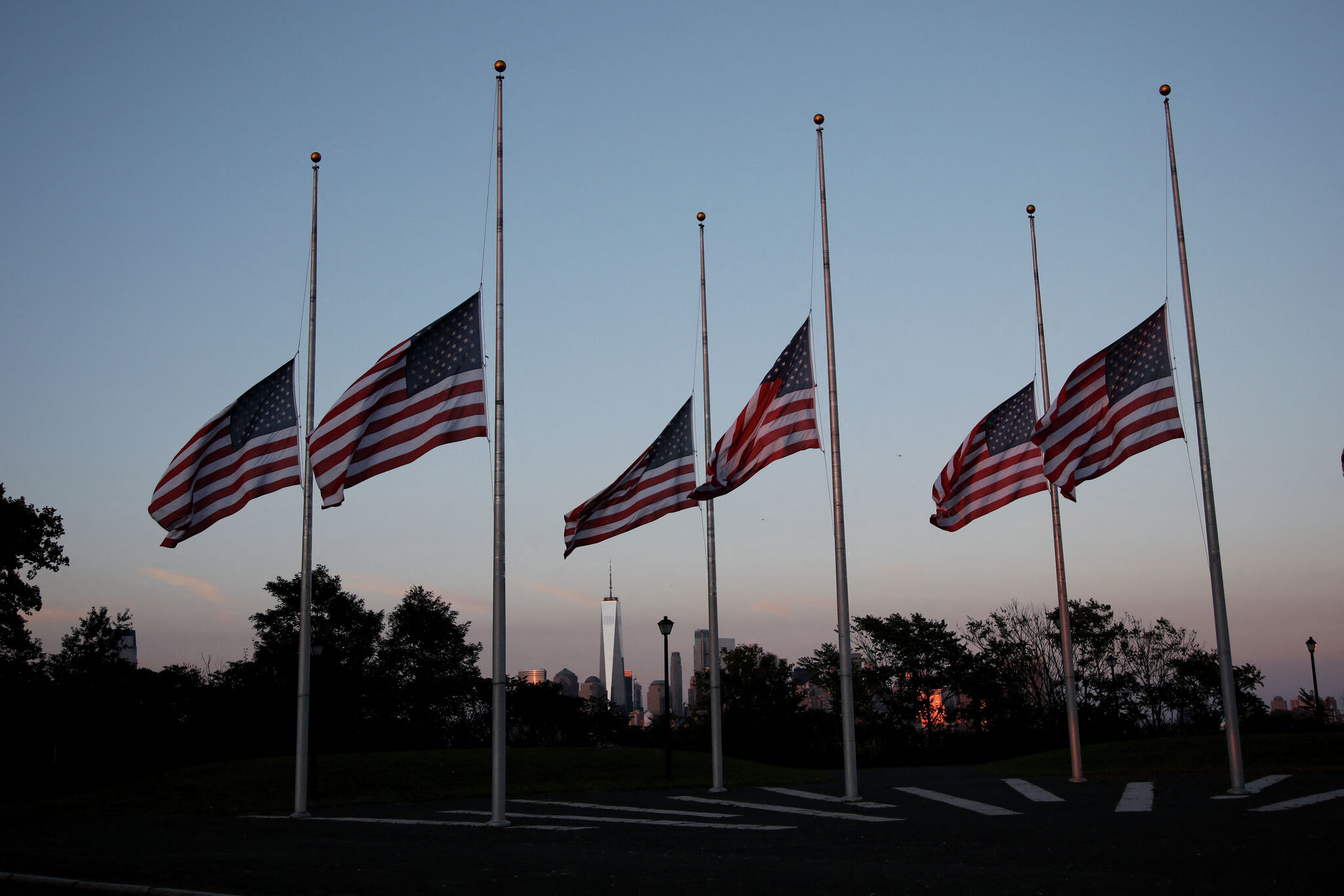
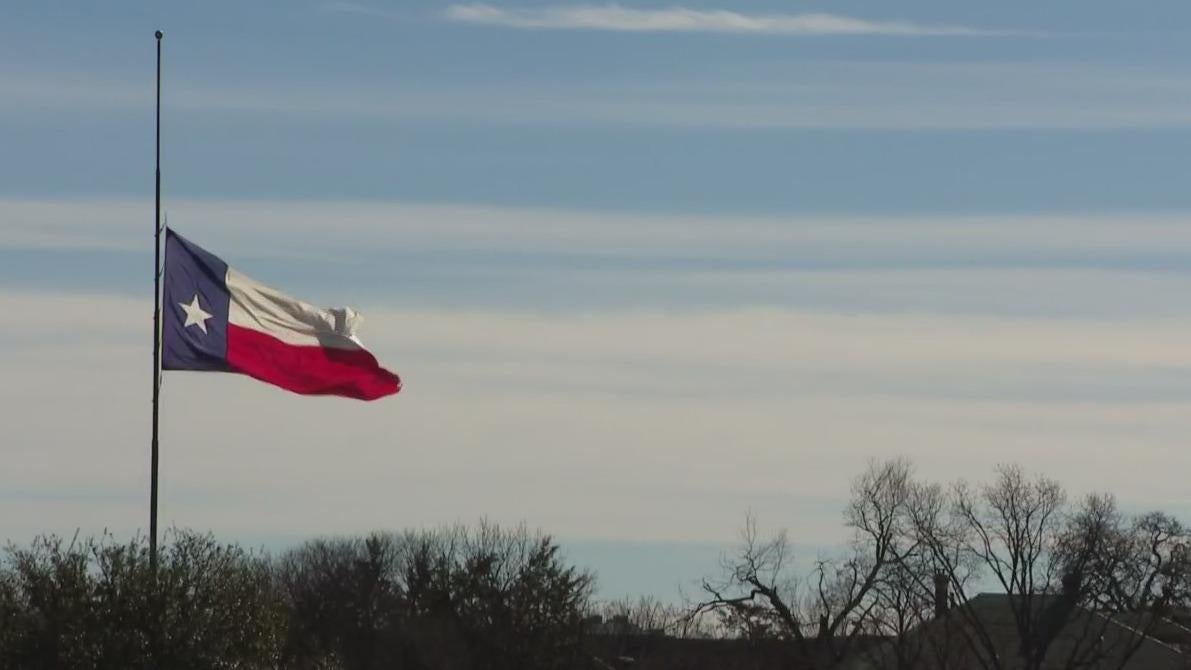
The sight of flags at half-staff is a somber and universal signal, immediately conveying a sense of mourning or respect. In Texas, this practice is deeply ingrained in the state’s traditions and governed by specific protocols. Understanding why the Texas flag, along with the United States flag, might be lowered to half-staff today requires an appreciation for the state’s reverence for its leaders, heroes, and its commitment to honoring significant moments of loss. This practice is not arbitrary; it is a deliberate and regulated act of public remembrance, often connected to events that resonate deeply within the state and beyond.
The Governing Principles of Half-Staff Observance
The lowering of flags to half-staff is a practice rooted in tradition and formalized through proclamations and statutes. In Texas, the Governor has the authority to order flags to be flown at half-staff. This authority is exercised in response to specific events that warrant a collective expression of grief or respect. These directives can be issued for national tragedies, the passing of prominent individuals, or significant anniversaries of historical events.
Federal vs. State Authority
It is crucial to distinguish between federal and state-level flag protocols. The President of the United States can order flags on federal property across the nation to be flown at half-staff. When such a proclamation is made, Texas, like all other states, complies and lowers its state flag and the U.S. flag on state buildings. However, the Governor of Texas can independently issue directives for flags to be flown at half-staff within the state, even if no federal proclamation has been made. This often happens in instances of specific Texas-related tragedies or the death of a distinguished Texan.
Texas-Specific Protocols
The Texas Government Code outlines specific instances where flags should be flown at half-staff. For example, the law mandates that flags be lowered upon the death of:
- A former President of the United States.
- A current or former Governor of Texas.
- A member of the Texas Legislature.
- A Texas Supreme Court justice, a judge of the Court of Criminal Appeals, or a justice of a court of appeals.
- A Texas resident who has served in the United States Congress.
- A Texas resident who has served as a United States military general officer.
- A law enforcement officer or firefighter killed in the line of duty within Texas.
In addition to these statutory requirements, the Governor retains the discretion to order flags at half-staff for other reasons deemed appropriate, such as honoring victims of mass casualty events or commemorating significant historical dates. These proclamations are typically announced through official channels, including the Governor’s office website and news releases, ensuring public awareness of the observance.
Common Triggers for Half-Staff Flags in Texas
The decision to lower flags to half-staff in Texas is generally triggered by events of significant national or state impact. These can range from solemn commemorations of past tragedies to the deeply felt loss of influential figures.
National Tragedies and Mourning

When major national tragedies occur, such as acts of terrorism, mass shootings, or natural disasters that result in widespread loss of life, the U.S. President often issues a proclamation for flags to be flown at half-staff nationwide. In Texas, this would naturally lead to the lowering of flags on state buildings. These observances serve as a visible symbol of national solidarity and collective grief, uniting the country in a shared moment of sorrow. Examples include the aftermath of events like the September 11th attacks or major hurricanes that devastate communities.
Passing of Prominent Figures
The death of individuals who have made significant contributions to Texas or the nation is another common reason for flags to be lowered. This includes:
- Former Presidents and Vice Presidents: The passing of any former U.S. President or Vice President is a solemn occasion observed nationwide, including in Texas.
- Texas Governors and Former Governors: The state has a particular reverence for its past and present leaders. The death of a sitting or former Governor is a significant event that triggers an immediate order to lower flags.
- Elected Officials and Judges: As outlined in the Texas Government Code, the passing of current or former members of the Texas Legislature, state Supreme Court justices, or judges of other high courts also warrants this honor.
- Distinguished Texans: The Governor may also choose to lower flags to honor other notable Texans, such as Medal of Honor recipients, influential business leaders, or individuals whose lives have had a profound impact on the state’s history and identity.
Honoring Fallen Heroes and First Responders
The sacrifice of law enforcement officers and firefighters is deeply respected in Texas. When these brave individuals lose their lives in the line of duty, flags are typically lowered to half-staff in their honor. This is not only a statutory requirement but also a reflection of the state’s profound gratitude for their service and sacrifice. These observances provide a public avenue for communities to express their condolences and support for the families of the fallen.
Understanding Today’s Observance
To determine why flags are at half-staff in Texas today, one would need to consult the most recent official proclamations or news releases. Without a specific current event to reference, it is impossible to pinpoint the exact reason. However, the categories outlined above provide a comprehensive framework for understanding the types of events that would prompt such an observance.
Checking Official Sources
The most reliable way to ascertain the specific reason for flags being at half-staff on any given day is to check official sources:
- Governor’s Office of Texas Website: The official website of the Governor of Texas is the primary source for any gubernatorial proclamations regarding flag status.
- Texas Department of Public Safety (DPS): The DPS often disseminates information about flag status changes, particularly when related to fallen law enforcement officers or significant state emergencies.
- Local News Outlets: Major news organizations in Texas will report on any official directives to lower flags, providing context and details about the reason for the observance.
Interpreting the Symbolism
The act of lowering flags to half-staff is a powerful, non-verbal form of communication. It signals a shared moment of reflection, a collective acknowledgment of loss, and a tribute to those who have been honored. For visitors and residents alike, observing flags at half-staff serves as a reminder of the values and traditions that shape the Texan landscape – a respect for leadership, a commemoration of sacrifice, and a deep sense of community and shared experience. Whether it is in memory of a national hero, a fallen first responder, or in response to a devastating event, the lowered flag in Texas is a potent symbol of respect and remembrance.
LifeOutOfTheBox is a participant in the Amazon Services LLC Associates Program, an affiliate advertising program designed to provide a means for sites to earn advertising fees by advertising and linking to Amazon.com. Amazon, the Amazon logo, AmazonSupply, and the AmazonSupply logo are trademarks of Amazon.com, Inc. or its affiliates. As an Amazon Associate we earn affiliate commissions from qualifying purchases.