
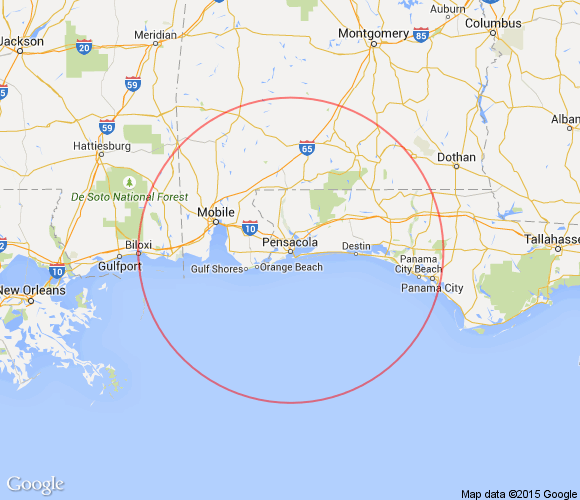
For travelers planning a memorable Florida getaway, understanding the distances between key destinations is crucial for efficient itinerary planning and maximizing exploration. Pensacola and Panama City, Florida represent two of the Florida Panhandle’s most celebrated coastal cities, each offering unique attractions and a distinct Gulf Coast charm. While both are renowned for their stunning white-sand beaches and emerald waters, their geographical separation necessitates careful consideration for those looking to experience both on a single trip. The journey between these two vibrant locales is an integral part of the Florida Gulf Coast travel experience, offering travelers opportunities for scenic drives, cultural stops, and a deeper appreciation for the region’s diverse offerings.

The Direct Route: Mileage and Drive Time
The most common and practical way to travel between Pensacola and Panama City, Florida is by car. The typical driving distance between the two cities ranges approximately from 95 to 110 miles, depending on the specific starting and ending points within each metropolitan area and the chosen route. For instance, traveling from downtown Pensacola to Panama City Beach is generally about 100 miles.
The primary route for this journey involves Interstate 10 (I-10) for a significant portion, particularly when departing Pensacola heading east, before transitioning to US Highway 331 South and then connecting to US Highway 98 East which leads directly into Panama City, Florida and Panama City Beach. This route offers a relatively straightforward and efficient drive.
Under normal driving conditions, without significant traffic or extended stops, the drive typically takes between 1 hour and 45 minutes to 2 hours and 15 minutes. However, it’s important to factor in potential delays:
- Traffic Congestion: During peak tourist seasons (spring break, summer holidays) and weekends, traffic can be heavy, especially when approaching popular beach areas like Destin, Fort Walton Beach, and Panama City Beach. This can easily add 30 minutes to an hour to the total travel time.
- Road Construction: Florida’s infrastructure is continually evolving, and road construction projects can occur, causing temporary lane closures or detours.
- Time of Day: Early mornings or late evenings generally offer smoother travel, while mid-day and afternoon can experience increased commuter and tourist traffic.
For the most accurate and up-to-date travel times, relying on real-time navigation apps such as Google Maps or Waze is highly recommended, as they account for current traffic conditions and suggest alternative routes if necessary.
Beyond the Drive: Exploring Travel Options
While driving remains the most popular and convenient method, understanding the broader spectrum of travel options can enhance the planning process for your Florida Panhandle adventure.
Driving: The Most Popular Choice
The flexibility of driving makes it the preferred mode of transport for many travelers exploring the Gulf Coast.
- Pros:
- Flexibility: You dictate your schedule, allowing for spontaneous stops, scenic detours, and personalized travel.
- Luggage Capacity: Ample space for beach gear, souvenirs, and personal belongings.
- Cost-Effective for Groups: For families or groups, sharing fuel costs often makes driving more economical than other options.
- Accessibility: Direct access to various attractions, beaches, and dining establishments that might be off public transport routes.
- Cons:
- Fuel Costs: Can add up, especially with rising gas prices.
- Parking: Finding and paying for parking, especially in popular tourist areas, can be a challenge.
- Driver Fatigue: Long drives require breaks and vigilance.
- Traffic: As mentioned, peak season traffic can be a significant deterrent.
For those renting a car, major rental agencies are available at both Pensacola International Airport (PNS) and Northwest Florida Beaches International Airport (ECP), providing seamless pick-up and drop-off options.
Public Transportation Alternatives
While not as direct or comprehensive as private driving, public transportation options exist for those without a vehicle or seeking an alternative experience.
- Bus Services: Companies like Greyhound operate routes connecting Pensacola and Panama City, Florida. However, these routes often involve transfers and can significantly extend travel time, sometimes up to 4-5 hours or more, depending on the schedule and connections. The convenience level is lower, but it can be a budget-friendly option for solo travelers.
- Ride-Sharing and Taxis: Services like Uber and Lyft are available in both cities. While convenient for shorter distances, a cross-city trip of 100 miles would be considerably expensive, likely exceeding the cost of a rental car for a few days. Taxis would also fall into a similar high-cost bracket.
- Train Service: There is no direct passenger rail service connecting Pensacola and Panama City, Florida, making this an impractical option for this particular route.
Air Travel: When Time is of the Essence

For the approximately 100-mile distance between Pensacola and Panama City, Florida, flying is generally not a practical direct option. Both cities have regional airports: Pensacola International Airport (PNS) and Northwest Florida Beaches International Airport (ECP). However, there are typically no direct commercial flights connecting these two airports due to their close proximity. Any flight would likely involve a layover in a larger hub city like Atlanta or Charlotte, turning a short ground trip into a multi-hour air journey. Therefore, for city-to-city travel between Pensacola and Panama City, Florida, driving is vastly superior in terms of efficiency and cost.
Scenic Detours and Coastal Journeys
While Interstate 10 offers the quickest path, the true beauty of the Florida Panhandle lies along its coastal routes. Travelers with more time can opt for a scenic detour along US Highway 98, which hugs the Gulf Coast and passes through a string of charming beach towns and popular destinations.
Taking US Highway 98 for the majority of the journey can extend the drive time to 2.5 to 3 hours or more, not including stops. However, the rewards are numerous:
- Destin: Known as the “World’s Luckiest Fishing Village,” Destin boasts stunning beaches, vibrant harbor activities, and excellent seafood restaurants. It’s a prime spot for deep-sea fishing charters and dolphin cruises.
- Fort Walton Beach: Located just west of Destin, Fort Walton Beach offers a more relaxed atmosphere, family-friendly attractions like the Gulfarium Marine Adventure Park, and pristine public beaches.
- Scenic Highway 30A: For an even more picturesque drive, consider veering off US Highway 98 onto Scenic Highway 30A between Santa Rosa Beach and Inlet Beach. This iconic stretch of road is home to a collection of unique coastal communities, each with its own character:
- Seaside: Famous for its New Urbanism architecture and featured in “The Truman Show,” Seaside offers charming pastel-colored homes, a bustling town square, and food trucks.
- Rosemary Beach: With its distinctive Dutch and West Indies architectural influences, Rosemary Beach provides an upscale, tranquil environment, brick-paved streets, and lush green spaces.
- Alys Beach: Recognizable by its stark white, modern architecture, Alys Beach is a visual marvel, offering luxurious accommodations and a sophisticated vibe.
These coastal towns are perfect for a lunch break, a quick swim, or simply to soak in the distinct Florida Gulf Coast atmosphere. Incorporating such stops transforms a simple drive into an enriching part of your travel itinerary.
Planning Your Journey: Essential Tips
A well-planned trip between Pensacola and Panama City, Florida can make all the difference in ensuring a smooth and enjoyable experience.
- Best Time to Travel:
- Off-Peak Season: Traveling during the shoulder seasons (late spring/early summer or early fall) or winter often means fewer crowds, lighter traffic, and potentially lower accommodation prices.
- Avoid Holidays and Spring Break: The Florida Panhandle is a major destination during these times, leading to significant congestion on roads and at attractions.
- Vehicle Maintenance: Before embarking on your drive, ensure your vehicle is in good working order. Check tires, oil, and fluid levels to prevent unexpected breakdowns.
- Pack Essentials: Especially if you plan on taking scenic detours, have water, snacks, sunscreen, and beach towels readily accessible. A phone charger and a physical map (as a backup to GPS) are also wise additions.
- Stay Informed: Check local weather forecasts and traffic reports before and during your journey. Unexpected weather like heavy rain or fog can impact driving conditions.
- Consider a Multi-Day Trip: Instead of driving directly, consider an overnight stay in one of the charming towns along Highway 98 or Scenic Highway 30A. This allows for a more relaxed pace and the opportunity to explore more of the region.
Why Make the Trip? Attractions in Both Cities
Understanding the distance is often the first step in planning a trip, but the “why” completes the travel motivation. Both Pensacola and Panama City, Florida offer compelling reasons to visit, making the journey between them a valuable part of any Florida itinerary.
Pensacola: History and Coastal Beauty
Pensacola, often called the “City of Five Flags,” boasts a rich history dating back to its founding in 1559.
- Historic Downtown Pensacola: Explore charming streets, historic architecture, museums like the Pensacola Museum of History, and diverse culinary experiences.
- Pensacola Beach: Just a short drive from downtown, Pensacola Beach offers sugar-white sands, calm emerald waters, and the iconic Pensacola Beach Pier.
- National Naval Aviation Museum: A must-visit, offering a vast collection of historic aircraft and simulators, celebrating the history of naval aviation.
- Fort Pickens: Located on the western tip of Santa Rosa Island, this historic fort is part of the Gulf Islands National Seashore, offering history, beaches, and camping.
Panama City, Florida: Beach Bliss and Family Fun
Panama City, Florida and its neighbor, Panama City Beach, are synonymous with pristine beaches and vibrant entertainment.
- Panama City Beach: Famous for its 27 miles of pure white sand and clear turquoise waters, it’s a haven for sunbathing, swimming, and water sports.
- Pier Park: A massive outdoor lifestyle center offering shopping, dining, entertainment, and attractions like the SkyWheel Panama City Beach.
- St. Andrews State Park: Consistently ranked among the nation’s best beaches, offering snorkeling, fishing, hiking, and access to unspoiled barrier islands.
- Water Activities: From dolphin cruises and jet ski rentals to parasailing and deep-sea fishing, Panama City, Florida is a hub for aquatic adventures.
The journey between Pensacola and Panama City, Florida is more than just a drive; it’s an opportunity to experience the diverse beauty and attractions of the Florida Panhandle. Whether you opt for the quick highway route or a leisurely coastal tour, knowing the distance and available options empowers you to craft the perfect Florida Gulf Coast adventure.
LifeOutOfTheBox is a participant in the Amazon Services LLC Associates Program, an affiliate advertising program designed to provide a means for sites to earn advertising fees by advertising and linking to Amazon.com. Amazon, the Amazon logo, AmazonSupply, and the AmazonSupply logo are trademarks of Amazon.com, Inc. or its affiliates. As an Amazon Associate we earn affiliate commissions from qualifying purchases.