
As the leaves begin to turn and the crisp air signals the approach of autumn, many Texans start to ponder the perennial question: what kind of winter can we expect in the Lone Star State? The anticipation for a cold winter in Texas is a unique phenomenon, a blend of hope for respite from scorching summers and a practical need to prepare for potential weather-related disruptions. While a true “winter wonderland” is rare across much of Texas, the possibility of colder temperatures and even occasional snowfall garners significant attention. Understanding the factors that influence Texas’s winter weather, and what forecasters are suggesting for 2024, can help residents and visitors alike plan accordingly.
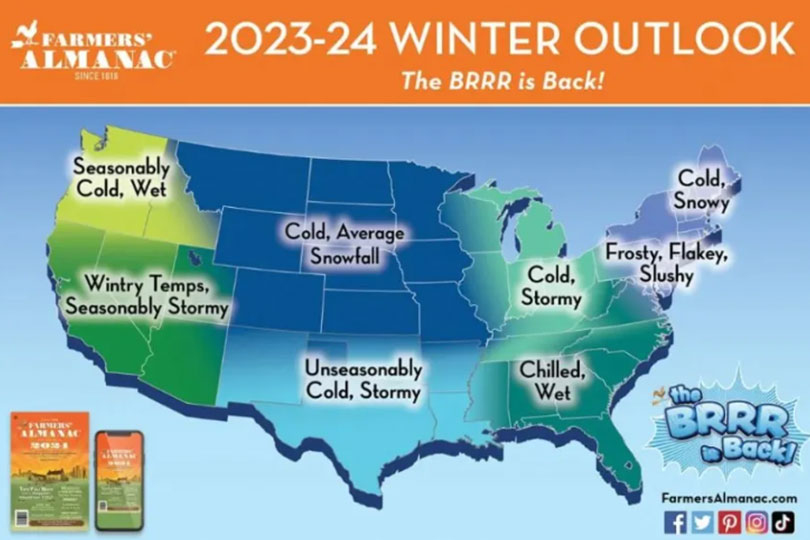
This exploration delves into the atmospheric drivers that shape Texas winters, examines the role of climate patterns like El Niño and La Niña, and presents the current outlook for the 2024-2025 winter season. We will also consider how these predictions might impact travel plans, outdoor activities, and the overall experience of visiting or living in Texas during the colder months.
Understanding the Nuances of Texas Winters
Texas, a state renowned for its vast size and diverse geography, experiences a wide spectrum of winter weather. From the Panhandle, which can see significant snowfall and freezing temperatures, to the South Texas Plains, where winters are typically mild, the state’s climate varies dramatically. This geographical diversity means that a single forecast for “Texas” can be misleading; regional variations are paramount.
Regional Climate Differences
The northern reaches of Texas, including cities like Amarillo and Lubbock, often experience the most winter-like conditions. Freezing temperatures, ice storms, and measurable snow are more common here than in the southern parts of the state. The central Texas corridor, encompassing areas around Austin, San Antonio, and Dallas, can expect periods of cold, rain, and occasionally sleet or light snow. Along the Gulf Coast, including Houston, winters are generally temperate, with frosts being the most significant cold-weather event, though occasional cold snaps can bring unusually chilly temperatures.
Factors Influencing Texas Winter Weather
Several key atmospheric and oceanic patterns influence the severity of Texas winters. Understanding these drivers provides a scientific basis for seasonal forecasts.
The Arctic Oscillation (AO) and North Atlantic Oscillation (NAO)
These climate patterns describe variations in atmospheric pressure at the surface of the Northern Hemisphere. When the AO and NAO are in a negative phase, they can allow colder air masses from the Arctic to plunge southward, potentially impacting Texas. A strong negative phase can increase the likelihood of colder-than-average temperatures across the state.
Jet Stream Dynamics
The jet stream, a fast-flowing current of air high in the atmosphere, plays a crucial role in steering weather systems. A southward dip or trough in the jet stream over North America can bring colder air and storm systems into Texas. Conversely, a more northerly or flatter jet stream typically leads to milder conditions.
El Niño-Southern Oscillation (ENSO)
The ENSO cycle, which includes El Niño (warmer Pacific Ocean surface temperatures) and La Niña (cooler Pacific Ocean surface temperatures), has a significant influence on global weather patterns, including those in Texas.
- El Niño: Historically, El Niño winters in Texas tend to be cooler and wetter than average. The warmer Pacific waters can alter atmospheric circulation, often leading to a more active storm track across the southern United States, bringing increased precipitation and colder temperatures to parts of Texas.
- La Niña: La Niña winters in Texas are typically warmer and drier than average. The cooler Pacific waters can shift storm tracks northward, often leaving Texas in a drier and milder pattern. However, La Niña can also contribute to periods of extreme cold if other atmospheric factors align.
Other Influences
Other factors, such as the temperature of the Arctic sea ice and the state of the Madden-Julian Oscillation (MJO), can also subtly influence winter weather patterns, making precise long-range forecasting a complex endeavor.
Current Forecasts for Winter 2024-2025
As of late autumn 2024, meteorological agencies and private forecasting services are releasing their initial outlooks for the upcoming winter. While definitive predictions are still subject to refinement as the season approaches, several key trends are emerging.
The Dominance of ENSO
For the 2024-2025 winter, the consensus among many climate models points towards a transition from a potential El Niño or neutral ENSO phase into a developing La Niña. This is a significant factor, as historically, the development of La Niña often correlates with warmer and drier conditions in Texas. However, the timing and strength of the La Niña can influence the severity of this trend. A strong and early-developing La Niña could more definitively signal a warmer winter.
Precipitation and Temperature Outlooks
Based on the developing La Niña, many forecasts suggest a higher probability of above-average temperatures across much of Texas for the winter months of December 2024, January 2025, and February 2025. This could mean fewer days dipping below freezing, particularly in the southern and central regions.

Precipitation outlooks are more varied. While La Niña often favors drier conditions, the specific track of storm systems and the presence of other atmospheric drivers can still bring significant rainfall or even snow to certain areas. The Panhandle and West Texas might still see periods of winter precipitation, but widespread, significant snow events across the entire state are less likely under typical La Niña conditions.
Expert Opinions and Confidence Levels
Forecasters generally express moderate to high confidence in the ENSO prediction for the winter of 2024-2025. However, they emphasize that even a “warm and dry” winter can still feature periods of significant cold and potent storm systems. These extreme events are notoriously difficult to predict with high accuracy months in advance. Therefore, while the overall trend might lean towards milder conditions, Texans should remain prepared for the possibility of winter weather.
Preparing for a Texas Winter
Regardless of the precise forecast, preparation is key for enjoying the winter season in Texas and mitigating potential disruptions. Understanding the potential for colder snaps, even in a generally mild winter prediction, is crucial for planning.
Travel Considerations
For travelers, a milder winter generally means fewer weather-related travel delays, especially for flights and road trips across central and southern Texas. However, for those venturing into the Panhandle or planning trips to regions known for winter storms, staying updated on weather advisories is essential.
- Driving: Always check road conditions before embarking on long drives. In areas prone to ice, carrying emergency supplies like blankets, water, and non-perishable food is advisable. If snow or ice is predicted, consider delaying travel if possible.
- Air Travel: While major airports like Dallas/Fort Worth International Airport and George Bush Intercontinental Airport are well-equipped to handle winter weather, significant storms can still cause flight cancellations and delays. Monitoring flight status and having flexible travel plans can prevent frustration.
Outdoor Activities and Tourism
The type of winter significantly impacts outdoor recreation and tourism in Texas.
Winter Activities
- Mild Winters: If the forecast for a colder winter 2024 proves accurate with milder temperatures, this can be ideal for exploring many of Texas’s natural attractions without the extreme heat of other seasons. Hiking in the Big Bend National Park, visiting historical sites in San Antonio, or enjoying the vibrant city life of Austin become more pleasant. Many state parks offer excellent opportunities for nature walks and wildlife viewing during the cooler months.
- Cold Winters: Should a colder, more active winter manifest, regions in North Texas and the Panhandle might offer opportunities for snow-related activities, though such events are generally infrequent and localized. Even in colder spells, enjoying cozy evenings by a fireplace in a cabin or exploring charming small towns with festive holiday decorations can be a unique Texas winter experience.
Local Culture and Events
Texas celebrates the holiday season with numerous festivals, light displays, and cultural events. From the Riverwalk Holiday Boat Parades in San Antonio to the festive lights in Dallas and Galveston, there are always activities to enjoy. A milder winter can extend the outdoor enjoyment of these events.
Accommodation and Lodging
For those planning overnight stays or longer visits, understanding winter weather can influence accommodation choices.
Types of Stays
- Resorts and Hotels: Many resorts and hotels across Texas offer special winter packages. In cooler climes, amenities like indoor pools, spas, and fireplaces become particularly appealing. In warmer regions, hotels and resorts still provide a comfortable base for exploring attractions that are more enjoyable in cooler temperatures. Booking in advance is always recommended, especially around major holidays.
- Villas and Apartments: For longer stays or family trips, renting a villa or apartment can offer more space and amenities, such as a full kitchen, which can be advantageous during colder periods for home-cooked meals.
Preparing Your Home
For Texas residents, even a mild winter forecast warrants a check of home heating systems, ensuring they are in good working order. Having a supply of emergency items like batteries, flashlights, and non-perishable food is always a prudent measure. For those in areas that can experience ice, preparing pipes to prevent freezing is also essential, even if prolonged freezes are not anticipated.
Looking Ahead: The Unpredictability of Winter
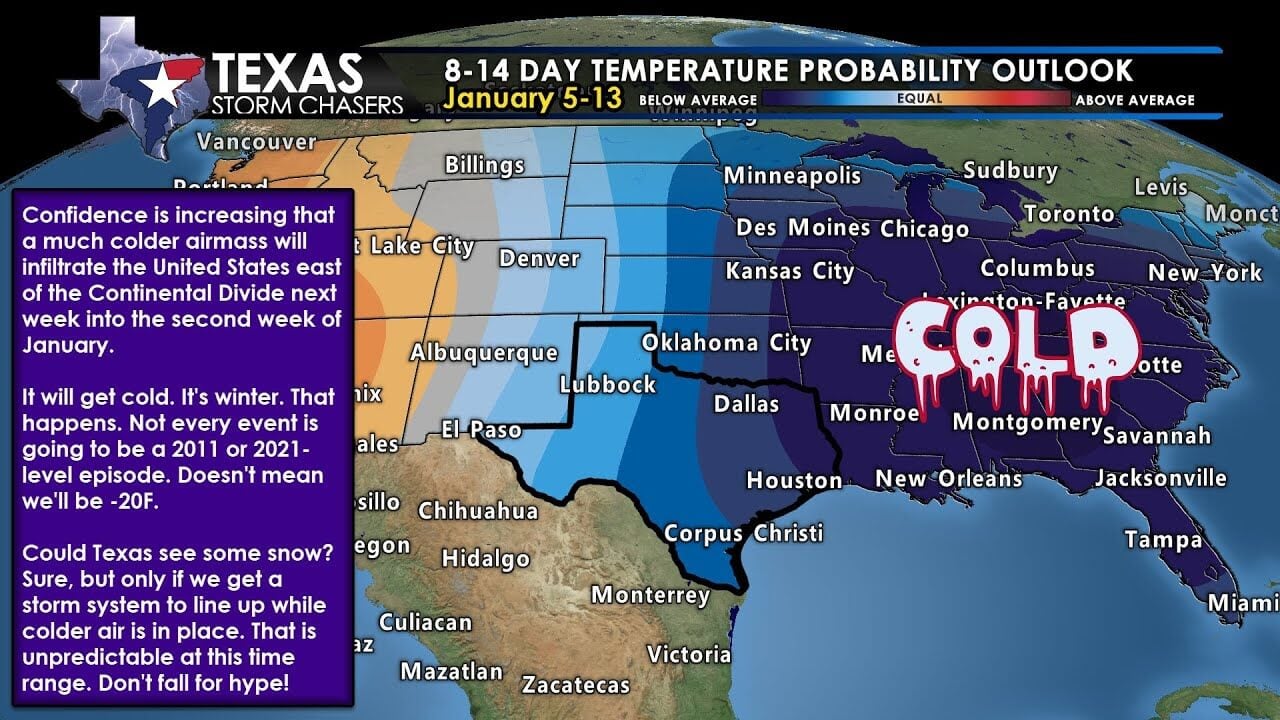
While current forecasts for Winter 2024-2025 in Texas suggest a tendency towards milder, potentially drier conditions due to a developing La Niña, it is crucial to remember the inherent unpredictability of weather. The atmosphere is a complex system, and unexpected shifts can occur.
The possibility of a colder winter, while perhaps less probable based on current climate indicators, cannot be entirely dismissed. Extreme weather events, such as deep freezes or significant snowfalls, are still within the realm of possibility for certain regions of Texas. Therefore, staying informed with the latest weather updates from reputable sources throughout the season is paramount.
Ultimately, whether Texas experiences a cold, mild, or variable winter in 2024-2025, preparedness and flexibility will be key to navigating the season successfully. By understanding the influencing factors and heeding expert forecasts, residents and visitors can make informed decisions to ensure a safe and enjoyable experience.
LifeOutOfTheBox is a participant in the Amazon Services LLC Associates Program, an affiliate advertising program designed to provide a means for sites to earn advertising fees by advertising and linking to Amazon.com. Amazon, the Amazon logo, AmazonSupply, and the AmazonSupply logo are trademarks of Amazon.com, Inc. or its affiliates. As an Amazon Associate we earn affiliate commissions from qualifying purchases.