
Navigating the requirements for renewing your vehicle registration in Texas can seem like a complex undertaking, but with a clear understanding of the necessary steps and documentation, the process becomes remarkably straightforward. This guide is designed to demystify the renewal process, ensuring your vehicle remains legally compliant on Texas roads without unnecessary hassle. Whether you’re a long-time resident or new to the Lone Star State, staying informed about registration renewals is crucial for avoiding penalties and maintaining your driving privileges.
Understanding the Texas Vehicle Registration Renewal Process
The Texas Department of Motor Vehicles (DMV), also known as TxDMV, oversees vehicle registration and its renewal. The primary goal is to ensure all vehicles operating within the state are properly identified, insured, and have passed required safety and emissions inspections where applicable. Renewal notices are typically mailed out well in advance of the expiration date, providing ample time to gather the necessary documents and complete the transaction. However, it’s important to remember that the onus is on the vehicle owner to renew their registration, even if a renewal notice is not received.
Key Dates and Deadlines
Your vehicle registration in Texas is valid for a period of one year, expiring on the date indicated on your current registration sticker. The renewal notice will usually arrive 30-60 days before the expiration date. It is generally recommended to begin the renewal process as soon as you receive the notice, or at least a few weeks before the expiration to allow for any unforeseen issues. Renewing late can result in penalties and late fees, which are added to the standard renewal cost. Missing the renewal deadline entirely can lead to your vehicle being considered unregistered, potentially resulting in tickets and fines.
Methods of Renewal
Texas offers several convenient methods for renewing your vehicle registration, catering to different preferences:
- Online: This is often the quickest and most convenient method. You can visit the official Texas DMV website or utilize approved third-party renewal services. A valid credit card is typically required for online transactions.
- By Mail: If you prefer to renew through postal mail, you can send your completed renewal notice and payment to the address provided on the notice. Ensure you allow sufficient time for mail delivery and processing.
- In Person: Renewal stations and county tax assessor-collector offices across Texas offer in-person renewal services. This option is ideal if you have specific questions or require immediate assistance.
- By Phone: Some renewals can be processed over the phone. The details for phone renewals will usually be included on your renewal notice.
Essential Requirements for Renewal
Before you can successfully renew your vehicle registration in Texas, several key requirements must be met. These are in place to ensure vehicle safety, environmental protection, and financial responsibility.
Proof of Inspection
One of the most critical components of vehicle registration renewal in Texas is proof of a valid state inspection. Depending on your county of residence and the type of vehicle you own, this may include a vehicle safety inspection and, in certain metropolitan areas, an emissions test.
Safety Inspection
All registered vehicles in Texas must undergo an annual safety inspection. This inspection is performed by licensed stations and verifies that your vehicle meets minimum safety standards, including proper functioning of brakes, lights, tires, steering, and other essential components. You will receive an inspection certificate or sticker upon passing. This certificate is not typically mailed in with your renewal, but the inspection station transmits the information electronically to the state database.
Emissions Testing (I/M 240 Program)
For residents in specific counties designated as having air quality concerns, an emissions test, often referred to as the I/M 240 program, is also required. These counties include:
- Brazoria
- Chambers
- Collin
- Dalllas
- Denton
- Fort Bend
- Galveston
- Harris
- Hunt
- Johnson
- Kaufman
- Liberty
- Midland
- Montgomery
- Orange
- Rockwall
- Tarrant
- Van Zandt
- Waller
- Wise
- Wood
If your vehicle requires an emissions test, you must pass it before you can renew your registration. The results of your emissions test are also electronically submitted to the state.
Note: Vehicles that are newer than two model years old, or electric vehicles, are generally exempt from the annual inspection requirements. Always verify the specific requirements for your vehicle based on its age and emissions status.
Proof of Financial Responsibility (Insurance)

Texas law mandates that all drivers must carry a minimum amount of liability insurance to legally operate a vehicle. This is known as proof of financial responsibility. When you renew your registration, the TxDMV will verify that your vehicle’s insurance information is current and meets the state’s minimum coverage requirements, which are:
- $30,000 for bodily injury per person
- $60,000 for bodily injury per accident
- $25,000 for property damage per accident
Most insurance providers report policy information electronically to the state. Ensure your insurance policy is active and that your provider has your correct vehicle information on file. If you are using a commercial policy or have a unique insurance situation, you may need to provide proof of insurance directly during the renewal process.
Payment of Fees
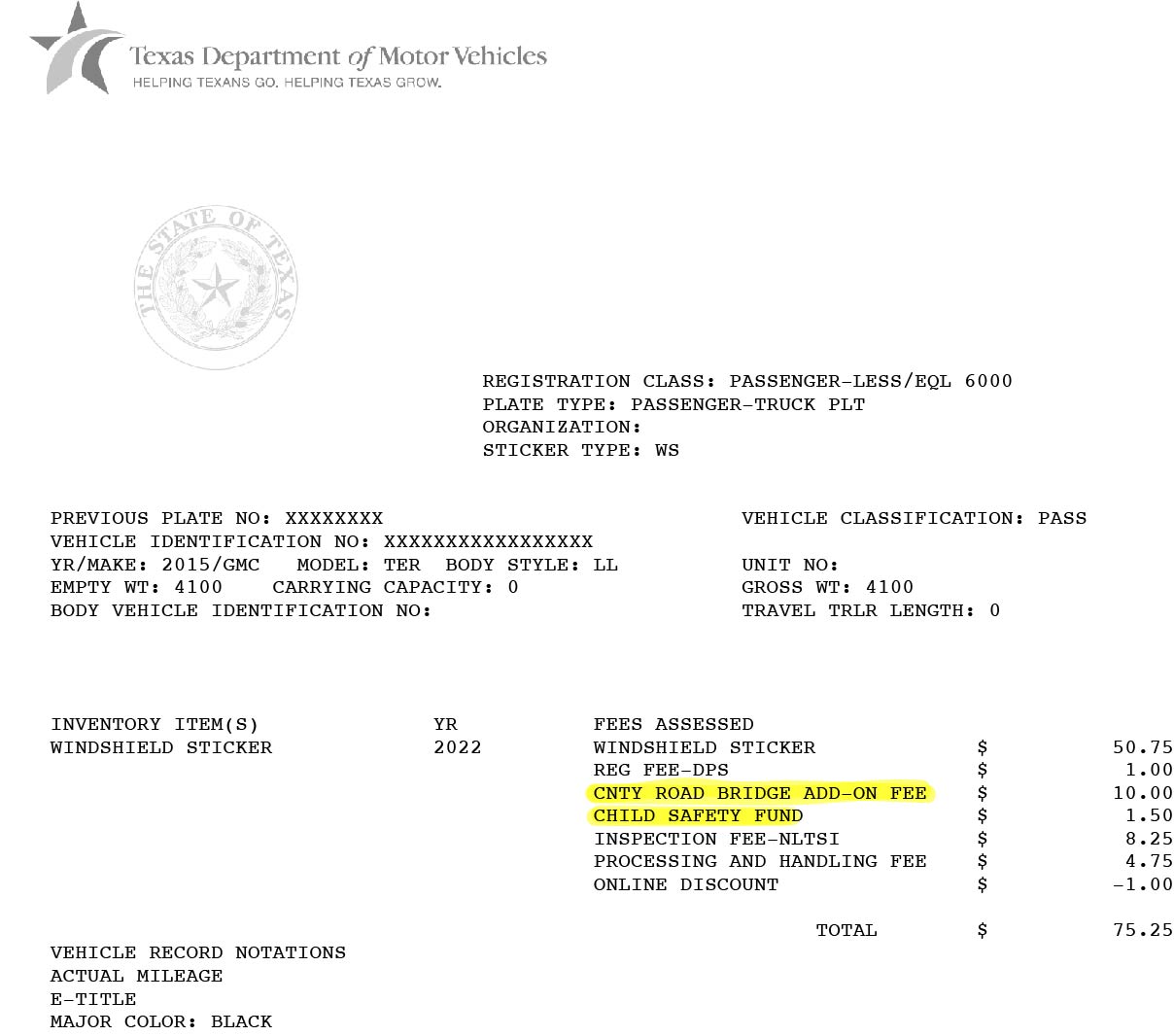
The renewal fee for your vehicle registration varies depending on the type of vehicle (e.g., passenger car, truck, motorcycle) and its weight. There are also additional fees that may apply, such as county registration fees or fees related to specialty plates. The renewal notice will clearly itemize these costs. Accepted payment methods typically include credit cards, debit cards, checks, or money orders, depending on the renewal method chosen.
Specific Scenarios and Additional Requirements
While the core requirements remain consistent, certain situations may necessitate additional documentation or steps.
Specialty License Plates
If your vehicle is equipped with specialty license plates, such as those supporting educational institutions, veterans, or environmental causes, there may be an additional fee associated with these plates. These fees help fund the organizations or initiatives represented by the plates. The renewal process for vehicles with specialty plates is generally the same, but be prepared for the associated costs.
Vehicle Title and Registration Address
Ensure that the address listed on your vehicle’s title and registration is up-to-date. This is where your renewal notices and new registration stickers will be mailed. If you have moved recently, you must formally change your address with the TxDMV to ensure you receive all important communications. This can typically be done online, by mail, or in person.
Out-of-State Vehicles
If you are new to Texas and have brought a vehicle from another state, you will need to complete an initial registration process rather than a renewal. This typically involves obtaining a Texas title, passing a vehicle inspection, and paying all applicable fees. The initial registration process ensures your vehicle is legally registered within the state and that you have obtained Texas license plates.
Commercial Vehicles
Commercial vehicles, including trucks and buses, may have different inspection requirements and renewal fees compared to passenger vehicles. These requirements are often based on the vehicle’s Gross Vehicle Weight Rating (GVWR) and its intended use. It is advisable for owners of commercial vehicles to consult the TxDMV website or their local county tax assessor-collector’s office for specific details pertaining to their fleet.
Frequently Asked Questions About Texas Registration Renewal
Q1: What if I lost my renewal notice?
A: You can still renew your registration online, by phone, or in person at a county tax assessor-collector’s office. You will need your license plate number and potentially your vehicle identification number (VIN).
Q2: How long does it take to receive my new registration sticker after renewing?
A: If you renew online or by mail, you can typically expect to receive your new registration sticker and card within 7-10 business days. In-person renewals usually provide the sticker immediately.
Q3: Can I renew my registration if my inspection has expired?
A: No, you must have a valid inspection to renew your registration. You will need to get your vehicle inspected first and pass the required tests.
Q4: What happens if I don’t renew my registration on time?
A: You will be subject to late fees and penalties. Driving with an expired registration can result in traffic citations and fines.
Q5: Can someone else renew my registration for me?
A: Yes, in most cases, someone else can renew your registration on your behalf, provided they have the necessary information (your renewal notice, license plate number, VIN) and payment. For in-person renewals, they may need to present identification.
By staying organized and understanding these requirements, renewing your vehicle registration in Texas is a manageable process that ensures you remain compliant and can continue to drive legally throughout the state.
LifeOutOfTheBox is a participant in the Amazon Services LLC Associates Program, an affiliate advertising program designed to provide a means for sites to earn advertising fees by advertising and linking to Amazon.com. Amazon, the Amazon logo, AmazonSupply, and the AmazonSupply logo are trademarks of Amazon.com, Inc. or its affiliates. As an Amazon Associate we earn affiliate commissions from qualifying purchases.